Language
  English
 中文简体
中文简体 عربى
عربى
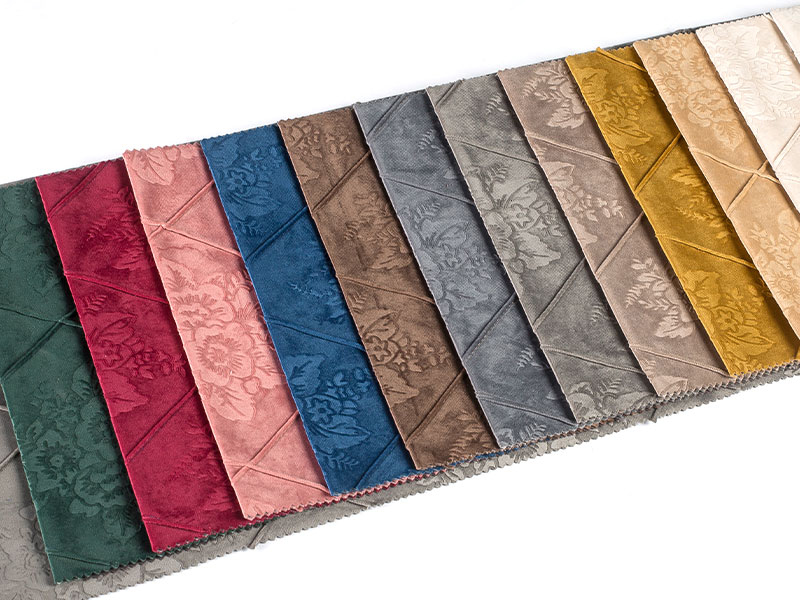
Velvet sells on sight. The way a cut pile catches light, the depth of a well-dyed shade and the softness under the hand can carry an entire sofa design on their own. What buyers rarely see is that the velvet on a finished piece is usually not a single layer of greige goods. It is a dyed laminated velvet fabric: a colored velvet pile bonded to a second layer that gives it body, stability and often a practical measure of protection.
Tongxiang Medina Textile Co., Ltd. has been knitting, dyeing and finishing velvet in Tongxiang, China since 2014. We run 8 warp knitting machines and 50 electronic jacquard machines, and we handle dyeing, embossing, bronzing and lamination in house. This article explains what lamination adds, why the dyeing step comes first, and how to specify the right construction for sofas, bedding, apparel and everything in between.
Content
What Is Dyed Laminated Velvet Fabric?
The name breaks into three parts, and each part changes the finished roll.
Dyed means the color goes onto the fabric rather than into the yarn beforehand. Solid color velvet is normally piece dyed: the pile fabric is knitted first, then run through a dye bath, washed, dried and finished. Piece dyeing is the standard route for upholstery velvet because it delivers an even shade across the full width and length of the roll, which makes repeat orders far easier to match.
Velvet describes the construction. Our base velvet is a 100% polyester warp knit with a dense cut pile, so it feels plush and takes dye evenly. Warp knitting also keeps the pile uniform across the roll, which means a large sofa can be cut without visible bands of lighter or darker pile.
Laminated is the step most buyers ask about. Lamination bonds the dyed velvet to a second layer, a knit backing, a foam layer or a film, using adhesive, heat and pressure. After bonding, the velvet is no longer only a surface. It becomes a composite with a defined weight, stretch and behavior under the sewing needle.
Why the Dyeing Step Comes First
Sequence matters. When velvet is dyed before lamination, the pile gets its full dye bath, washing and heat setting as an open, free fabric. Only once the shade is locked in does it meet adhesive and calendar rolls. That order protects the color: bonding temperatures stay low enough to preserve pile loft and shade depth, and the tension applied during lamination works on a fabric that has already finished relaxing.
There is a practical benefit at the cutting table as well. Rolls that are dyed and then laminated in the same run sit closer in shade than rolls colored after bonding, because the whole batch moves through the dye process together. If your design calls for pattern rather than solid color, printed velvet laminate is the better starting point; dyed laminated velvet is at its best when color itself is the design.
If you are still weighing velvet families against one another, our velvet fabric guide walks through types, uses and care in plain language.
Backing Options and What Each One Adds
The backing decides how the fabric behaves. The same pile in the same shade can read as a soft apparel cloth or as a firm panel material depending on what sits behind it.
| Backing layer | What it adds | Typical applications |
|---|---|---|
| Knit backing | Stretch control, edge stability, a soft and flexible hand | Upholstery, cushions, apparel |
| Foam backing | Loft, cushioning, a fuller padded feel | Headboards, soft beds, quilted panels |
| TPU or PU film | A liquid barrier, easy wipe-clean surface | Outdoor seating, hospitality, family furniture |
| Non-woven backing | Bulk, opacity, firm cut-and-sew stability | Wall panels, crafts, drapery |
Weight belongs in the same conversation. A lighter laminated velvet drapes and sews like a medium apparel fabric, while heavier upholstery weights hold their shape on a sofa frame. Always ask for a sample that documents the backing as well as the pile.
What Lamination Adds to Performance
Bonding is not decoration. It changes how the fabric survives real use, and most of the benefits show up long before the customer sees them.
- Dimensional stability, because the bonded layer limits stretch so panels stay square through cutting, sewing and upholstering.
- Cleaner edges, since laminated velvet resists curling far better than an open pile fabric, which speeds up sewing on volume orders.
- No show-through, because the backing hides the reverse side and keeps light shades from reading thin over a dark frame or foam.
- Easier spill control, since film-backed versions wipe clean and cope with everyday drinks, crumbs and pet hair.
- A softer seat, because foam backing adds cushioning beneath the cover.
- More structure for channel tufting, headboard curves and shaped panels.
Where Dyed Laminated Velvet Fabric Is Used
Sofas, Seating and Bedrooms
Upholstery is where this fabric earns most of its keep. The pile brings warmth and light play, while the backing keeps covers tight through years of sitting. It works on sofas and sectionals, cushions and throw pillows, ottomans, headboards and soft beds, and it cuts cleanly for tufting and piping.
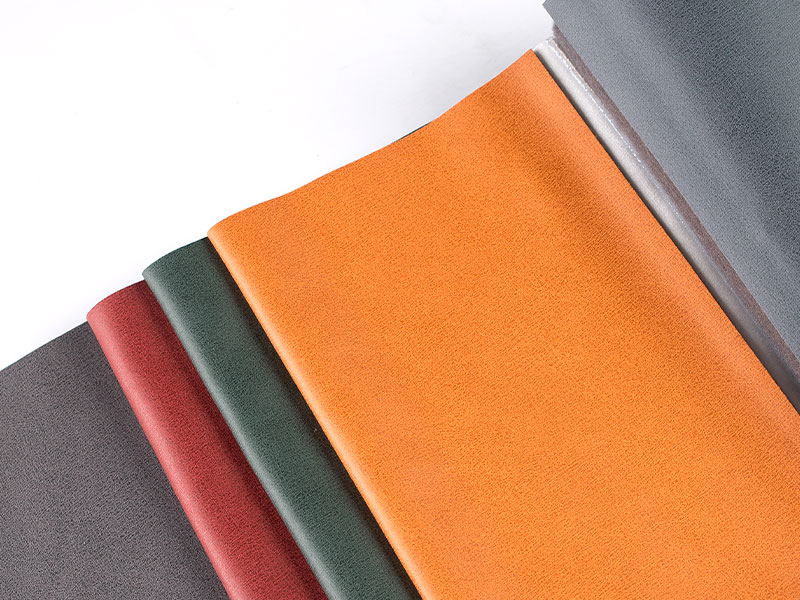
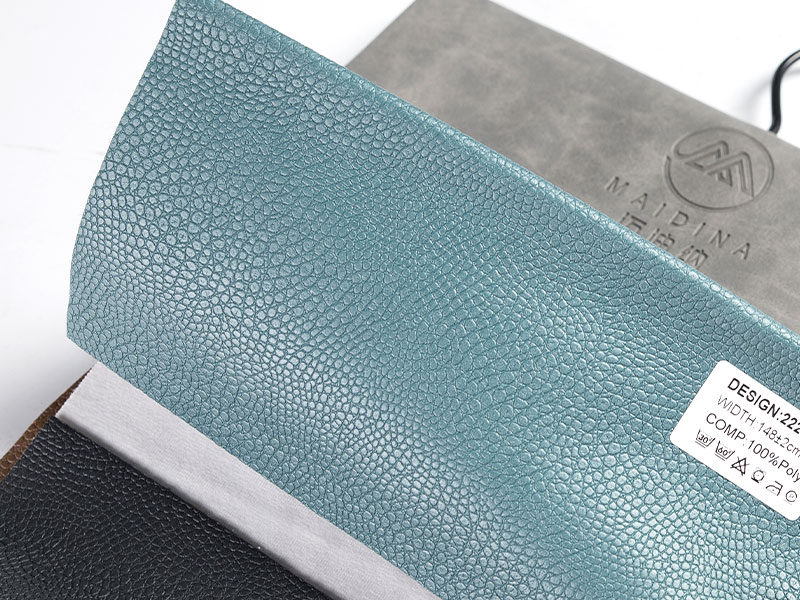
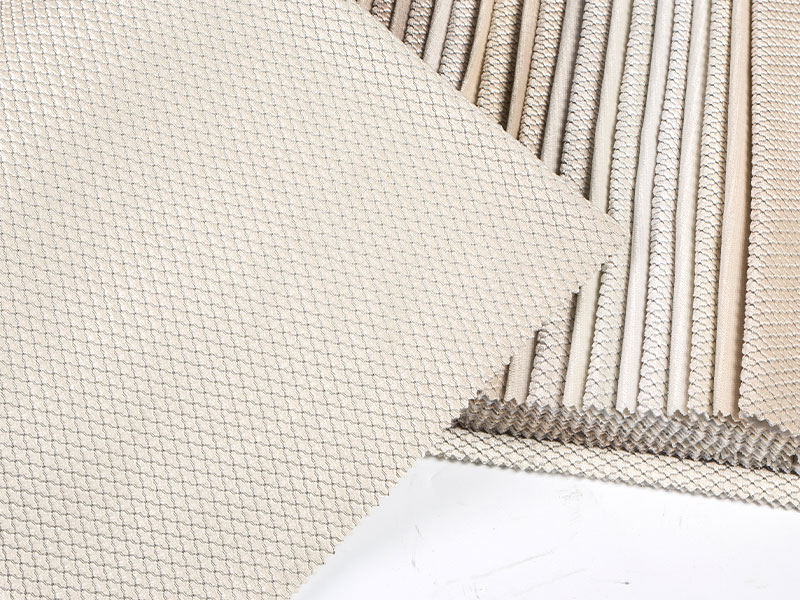
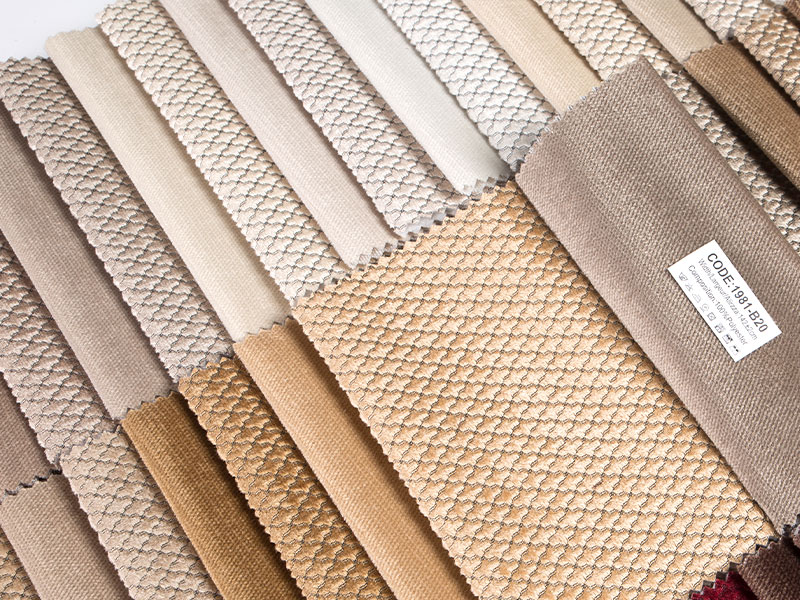
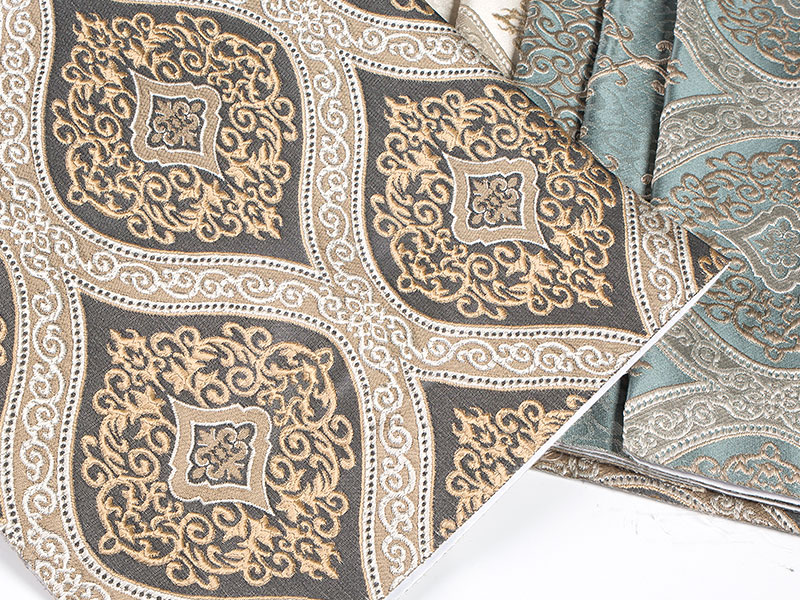
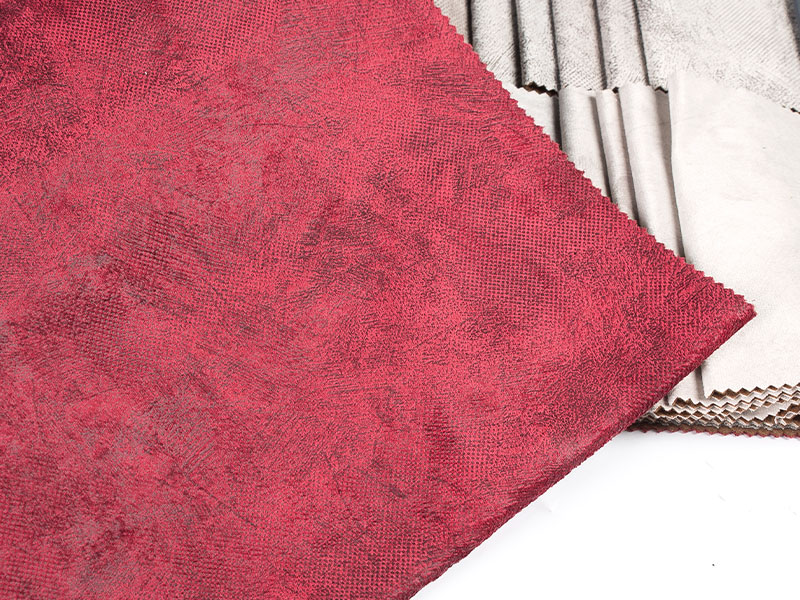 Dyed laminated velvet fabric for upholstery, plush and comfortable100% polyester fiberView Product →
Apparel, Accessories and Crafts
Lighter laminated velvet moves into fashion and small goods: jackets, coat trims, bags, headbands, cushion covers and craft projects where a soft pile and a stable back are both useful. It holds an edge well, which is exactly what small-batch makers and sampling studios need.
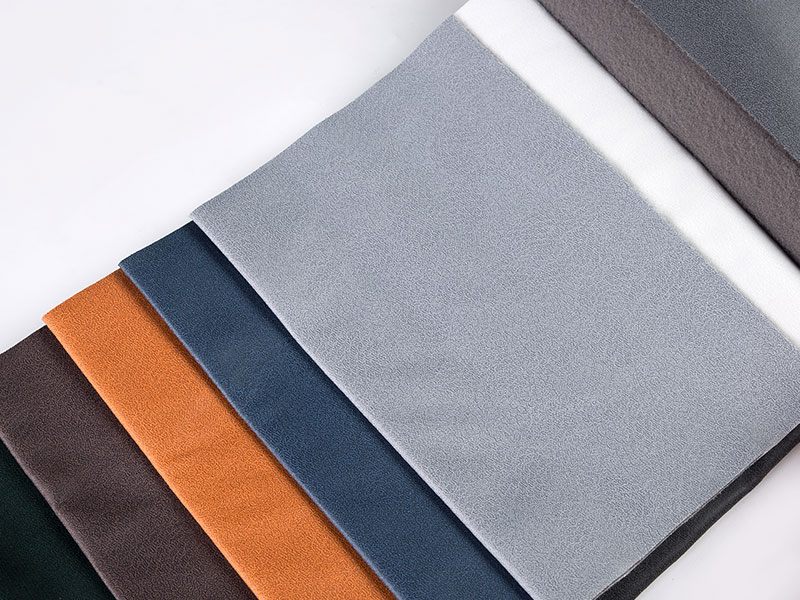
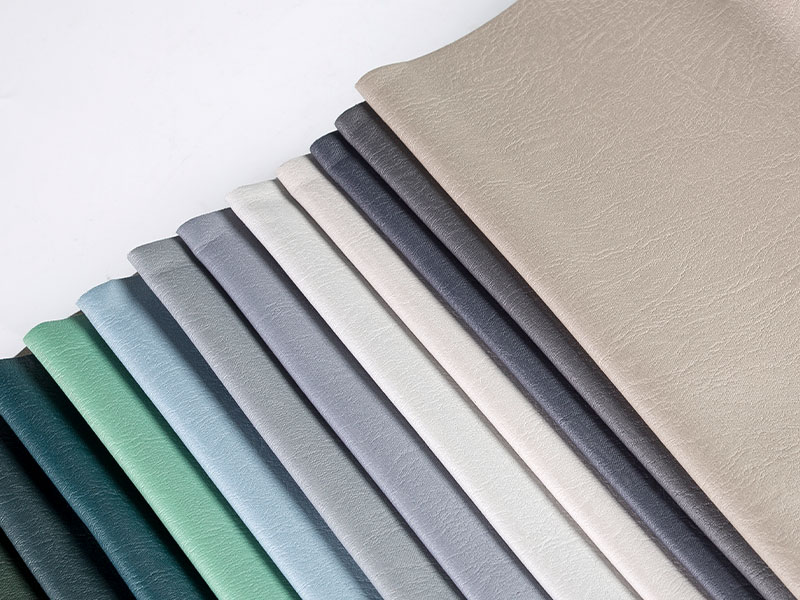
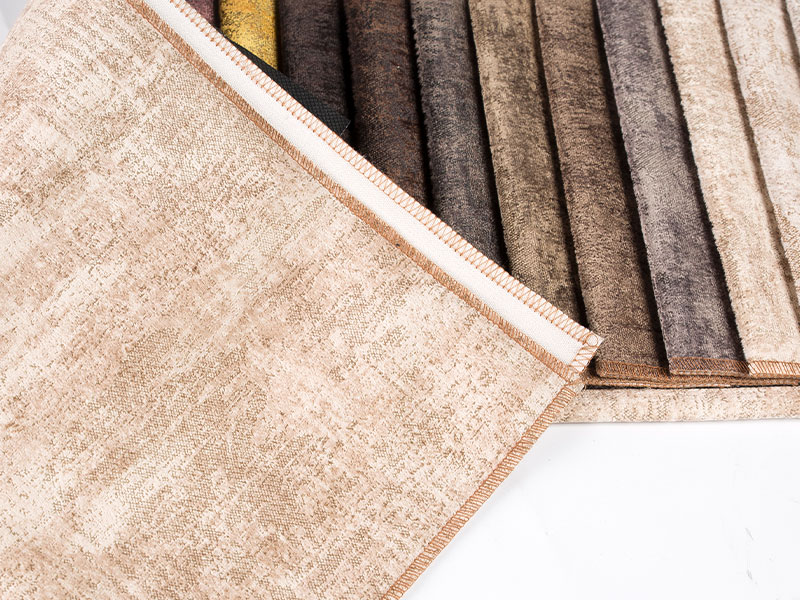 Fashionable laminated velvet fabric, ideal for clothing and accessories100% polyester fiberView Product →
Outdoor, Hospitality and High-Traffic Interiors
Add a film layer and the same velvet steps outside. Waterproof laminated velvet suits patio seating, restaurant booths, hotel furniture and family homes where spills are a fact of daily life rather than an exception.
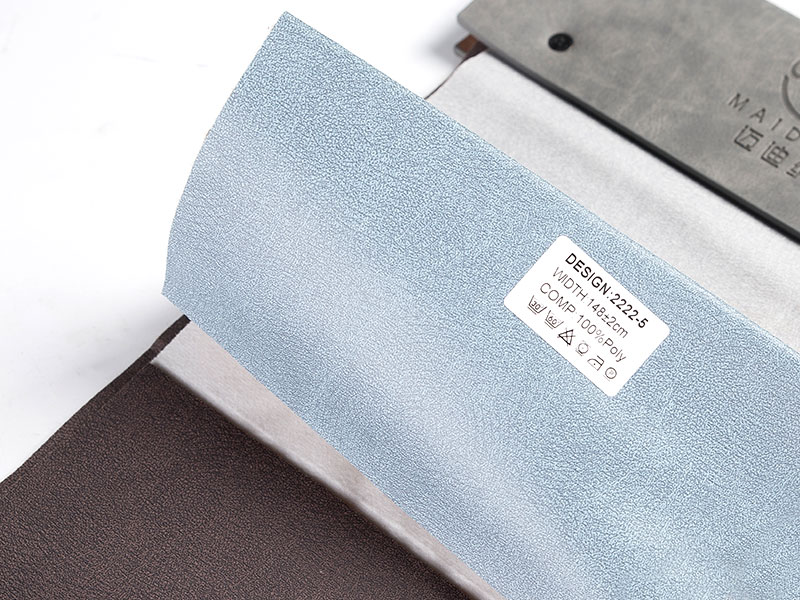
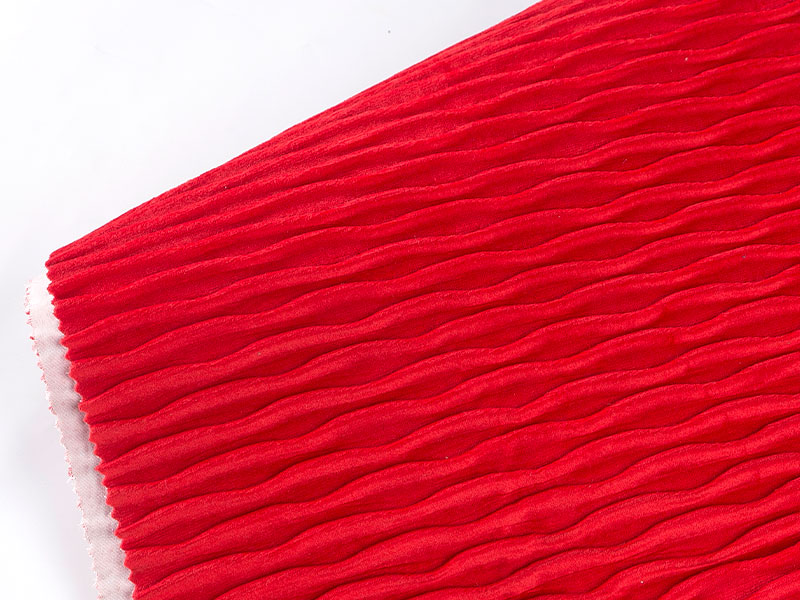
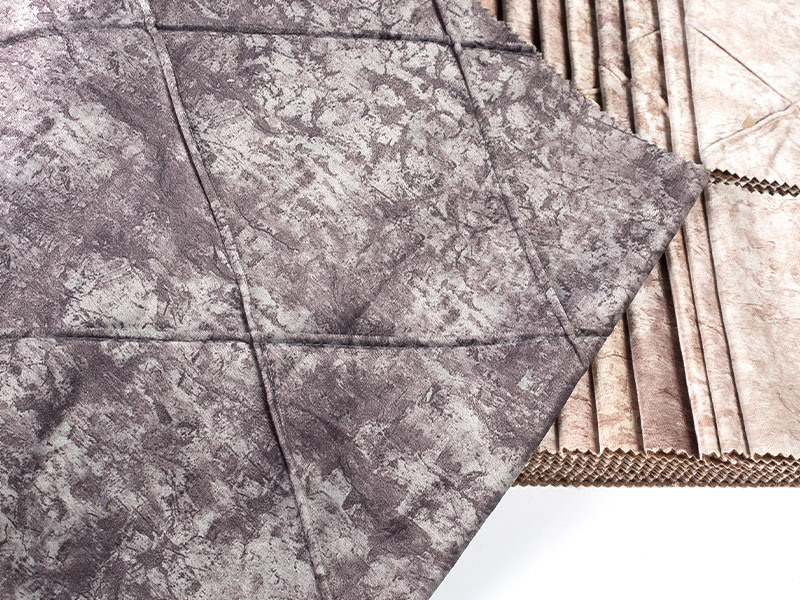
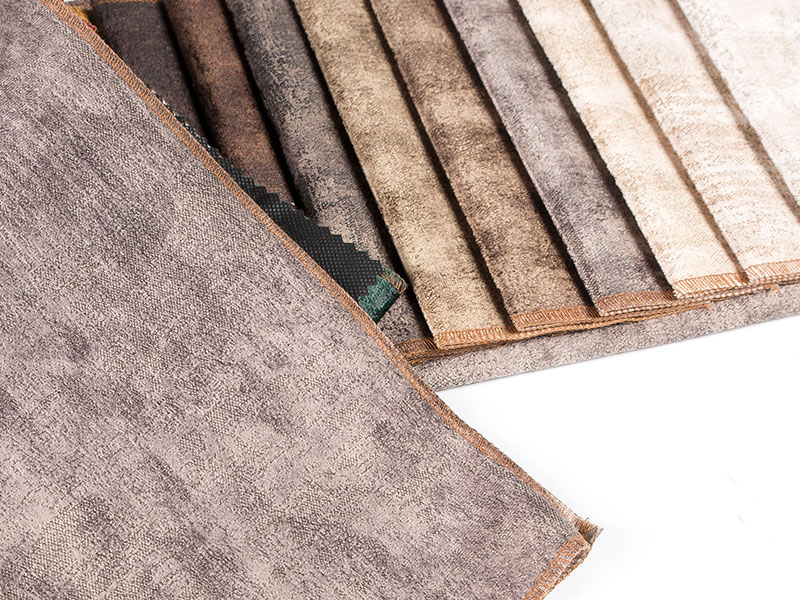 Waterproof dyed laminated velvet fabric, ideal for outdoor use100% polyester fiberView Product →
How to Specify Your Order
- Confirm the pile first: composition, pile height and fabric weight in gsm.
- Choose the backing: knit for flexibility, foam for cushioning, film for liquid resistance, non-woven for bulk.
- Set the color reference with a Pantone number or a physical swatch, and request a lab dip before bulk dyeing.
- Check stretch direction, because laminated velvet can be stable one way and flexible the other, which affects pattern layout.
- Approve the hand and drape from a physical sample, never from a photograph.
- Name the test methods in the order, covering abrasion, color fastness and backing adhesion.
- Plan the care label, since the backing often sets the cleaning limit.
Working With Our Mill
We are a warp knitting and jacquard mill, not a trading company. The dyed laminated velvet program runs on the same floor as our dyeing, embossing, bronzing and lamination lines, so a color change or a backing change stays inside one quality system instead of crossing several suppliers.
Our 50 electronic jacquard machines, 8 warp knitting machines and automatic packaging equipment support both running programs and customized orders. New shades, alternative backings and matched repeats are reasonable requests whenever the order volume supports a production run.
Because we produce for furniture makers, drapery workshops, apparel brands and interior suppliers, we are comfortable in both design and production conversations. Send a swatch, a weight target and a backing preference, and we will reply with a construction and a sample plan.
Care and Maintenance
- Vacuum with a soft brush head to lift dust without disturbing the pile.
- Blot spills immediately, and wipe film-backed versions with a damp cloth and mild soap.
- Skip harsh solvents, and steam gently if the pile has flattened.
- Rotate cushions regularly so wear spreads evenly across the seat.
A dyed laminated velvet fabric is a small piece of engineering that most people only ever feel, never see. Get the pile, the shade and the backing right, and the finished piece looks richer, lasts longer and cleans up more easily than an unbacked velvet ever could. If you have an application in mind, or a swatch you are trying to match, our team is glad to talk it through and send samples.