Language
  English
 中文简体
中文简体 عربى
عربى
Imitation linen fabric is one of those materials that quietly solves a problem. You want the relaxed, textured look of linen, but you also need a fabric that can handle daily life on a sofa, cushion, or curtain. As a fabric manufacturer in Tongxiang, we have worked with polyester-based faux linen for years, and we have seen how much difference the right construction makes. This guide shares what we know, from fiber choices to finishing, so you can choose with confidence.
Content
- 1 What Is Imitation Linen Fabric?
- 2 Faux Linen vs. Real Linen: An Honest Comparison
- 3 Why Imitation Linen Works Well for Sofas and Upholstery
- 4 Types of Imitation Linen Fabric We Produce
- 5 Performance, Shrinkage, and Wrinkle Control
- 6 How to Choose the Right Imitation Linen Fabric
- 7 Sourcing and Customization for B2B Buyers
What Is Imitation Linen Fabric?
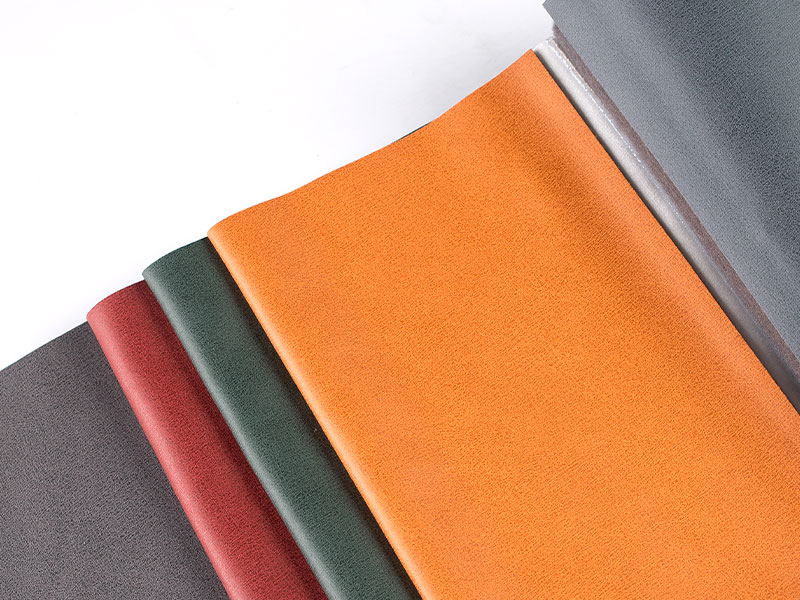
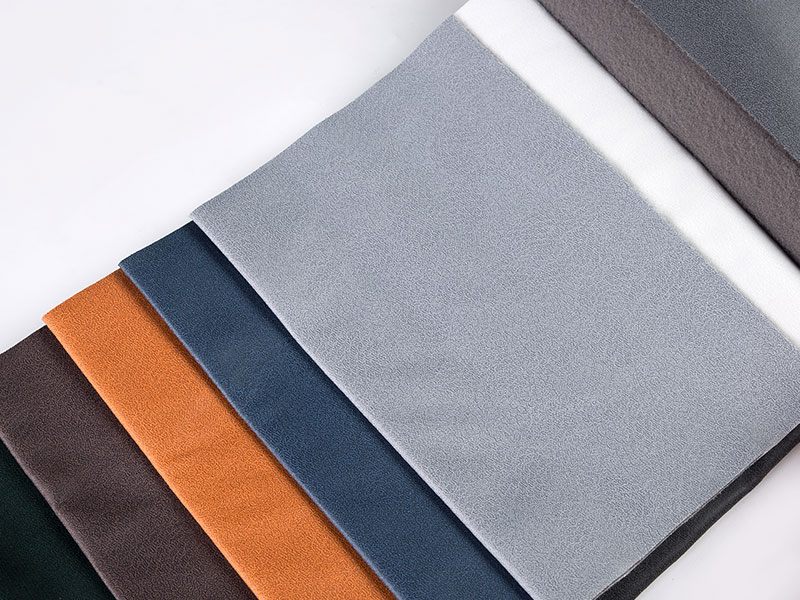
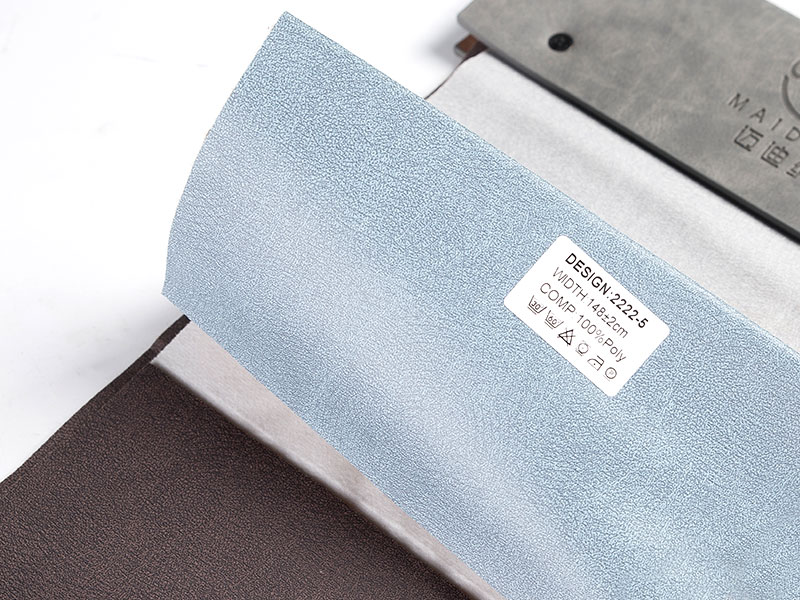
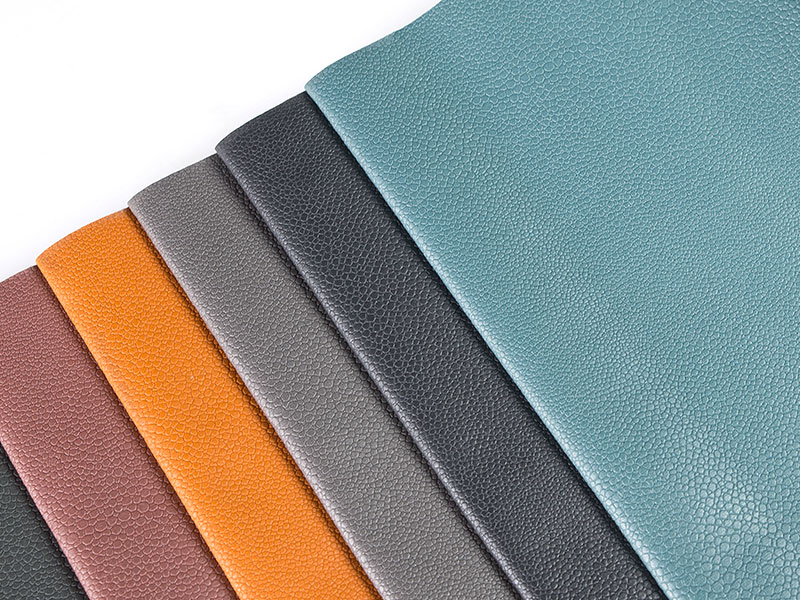
Imitation linen fabric, also called faux linen or linen-look fabric, is a textile designed to imitate the appearance and hand feel of natural linen. Most versions are made from 100% polyester, though blends can exist. The fabric is produced through weaving or warp knitting, then finished with processes such as dyeing, washing, embossing, or calendering to create the characteristic slubby surface and matte texture of linen.
The goal is not to trick anyone. The goal is to offer a practical alternative that keeps the visual charm of linen while improving easy-care performance. Natural linen is beautiful, but it wrinkles quickly, can shrink, and often costs more. Imitation linen gives designers and manufacturers a more predictable material for upholstery, curtains, bedding, and accessories.
The Fiber Behind the Look
Cationic yarn is often used in faux linen production. It dyes differently from regular polyester, which can create subtle depth and a more natural, heathered appearance. We also use textured yarns and controlled weaving patterns to build the small irregularities that make linen so appealing. The result is a fabric that reads as linen from a distance and feels soft and dry up close.
Faux Linen vs. Real Linen: An Honest Comparison
Both fabrics have their place. The table below compares the main differences buyers usually care about.
| Feature | Real Linen | Imitation Linen |
|---|---|---|
| Fiber | Natural flax | Usually 100% polyester |
| Appearance | Natural slubs and matte finish | Engineered slubs and matte finish |
| Hand feel | Cool, crisp, gradually softens | Soft, dry, consistent |
| Wrinkle resistance | Low; wrinkles easily | High; resists creasing |
| Moisture behavior | Absorbent and breathable | Low absorbency; dries quickly |
| Durability | Strong but can abrade | Excellent abrasion resistance |
| Care | Gentle wash, ironing often needed | Machine washable, low maintenance |
| Cost | Higher and variable | More stable and affordable |
| Best for | Luxury bedding, apparel, special pieces | Upholstery, curtains, high-use interiors |
If you want the full natural story, real linen is worth it. If you need repeatable color, easy cleaning, and long wear in a commercial or family setting, imitation linen is often the smarter choice.
Why Imitation Linen Works Well for Sofas and Upholstery
Sofas take more abuse than almost any other textile product. They face body weight, friction, sunlight, spills, and pets. Imitation linen performs well in this environment because polyester is naturally strong and resistant to many common stains. The linen-like texture also hides everyday marks better than smooth fabrics, which is a practical advantage in busy homes and hospitality spaces.
- Textured surface helps mask minor soiling and wear.
- Polyester fibers resist stretching and abrasion.
- Colors stay rich when good dyeing and finishing are used.
- Fabric can be treated for water repellency, stain resistance, or easy cleaning.
- It suits modern, farmhouse, coastal, and Scandinavian interiors.
We often see faux linen used on sofa covers, cushions, chairs, ottomans, bed frames, and curtains. It also works for automotive interiors and outdoor cushions when the finishing is specified correctly. The key is matching the fabric weight and backing to the final application.
Types of Imitation Linen Fabric We Produce
Not all faux linen is the same. A light curtain fabric will not perform like a heavy sofa fabric, even if both look similar on a sample card. In our own production, we group imitation linen into three practical directions.
Soft Cationic Yarn Imitation Linen
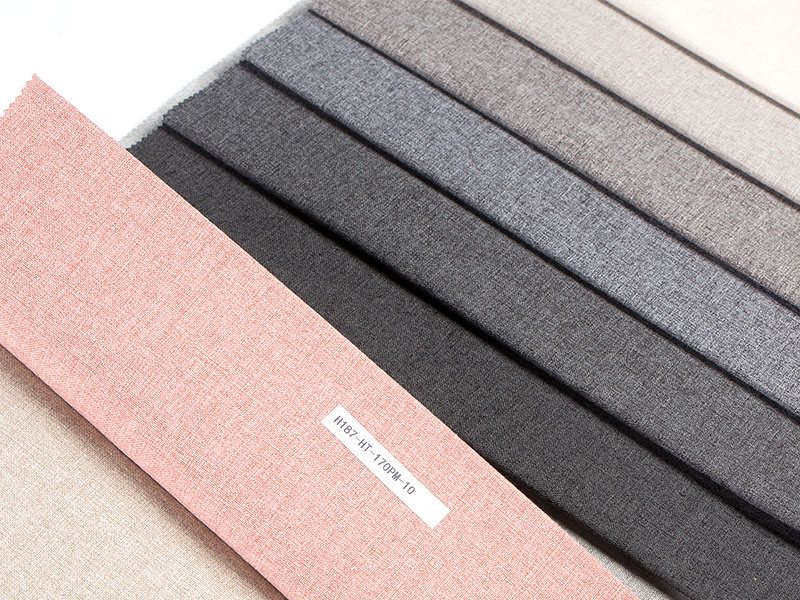 Soft Cationic Yarn Imitation Linen Fabric for Curtains and UpholsterySoft 100% polyester faux linen with cationic two-color effect, suitable for curtains, light upholstery, cushions, and decorative accessories where drape and warmth matter.View Product →
This style uses cationic yarn to create soft color depth and a gentle hand. It is a good fit for curtains, light upholstery, cushions, and decorative accessories where drape and visual warmth matter. The surface has a subtle linen-like irregularity without feeling rough.
Thick Sofa Upholstery Imitation Hemp
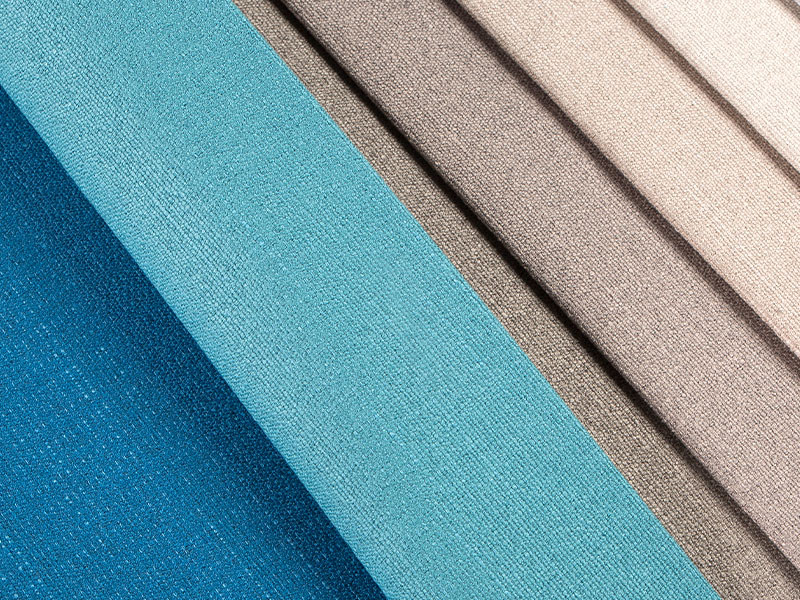 Thick Imitation Hemp Upholstery Fabric for Sofas and SeatingHeavy 100% polyester faux hemp fabric with 270 GSM weight, designed for sofa upholstery, statement chairs, and commercial seating needing shape and strength.View Product →
When a project needs more body, this thicker construction delivers. It mimics the look of hemp or coarse linen while providing the strength expected in sofa upholstery. The heavier weight helps the fabric hold its shape on seat cushions and arms, and it works well for statement chairs and commercial seating.
Woven Plain Solid Colour Faux Linen
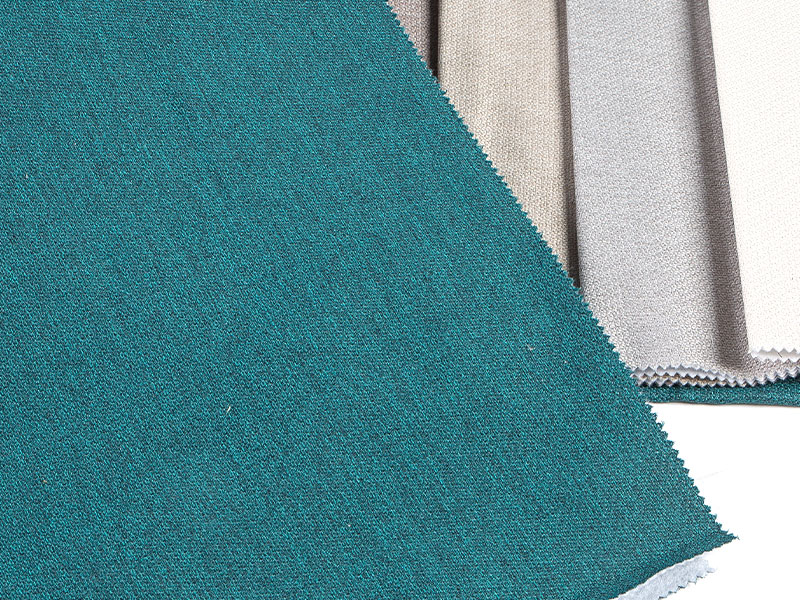 Woven Plain Solid Colour Faux Linen Fabric for Home DecorVersatile 100% polyester faux linen in solid colors, suited to upholstery, drapery, bedding, and craft uses while accepting washing, brushing, and coating finishes.View Product →
This is the versatile workhorse. Woven in a plain construction with solid colors, it offers a clean, honest linen look that is easy to coordinate. It suits upholstery, drapery, bedding, and craft applications. Because the base is simple, it also accepts many finishing options, including washing, brushing, and coating.
Performance, Shrinkage, and Wrinkle Control
Polyester imitation linen is naturally more wrinkle-resistant than real linen, but that does not mean every roll behaves the same. Weaving density, yarn type, heat history, and finishing all affect how the final fabric moves. Good manufacturers preshrink or stabilize the fabric before shipping, especially when it will be washed by the end customer.
If you are concerned about how imitation linen handles shrinkage and wrinkling, this guide on shrinkage and wrinkling performance explains the details in plain language. In general, lower temperatures and gentle cycles protect the fabric. Here are the care basics we recommend for most faux linen upholstery and decor fabrics:
- Vacuum regularly with a soft brush to remove dust.
- Clean spills promptly by blotting, not rubbing.
- Use mild detergent and cold or warm water when washing is allowed.
- Avoid high heat in the dryer; air dry or tumble low.
- Iron on low if needed, or use steam to relax folds.
For commercial orders, we can adjust finishing to meet specific shrinkage, colorfastness, and hand-feel targets. That is one reason we prefer to discuss the end use before recommending a construction.
How to Choose the Right Imitation Linen Fabric
Choosing the right fabric comes down to asking a few practical questions before you fall in love with a color. The list below is the same one we walk through with buyers who contact us.
- Define the application: sofa, curtain, cushion, bedding, or apparel.
- Check the weight. Lighter weights drape; heavier weights wear.
- Look at the texture. Fine slubs read elegant; coarse slubs read casual and rustic.
- Confirm the backing or coating. Some projects need stain resistance or water repellency.
- Test the color under the lighting where the final product will live.
- Ask for a sample and perform a rub, seam, and cleaning test.
- Confirm minimum order quantity, lead time, and customization options.
If you are not sure which route fits, start with the end use. A curtain panel does not need the same abrasion resistance as a family sofa, and an outdoor cushion needs different finishing from a decorative pillow. Matching performance to purpose saves money and avoids disappointment.
Sourcing and Customization for B2B Buyers
As a manufacturer based in Tongxiang, we produce imitation linen alongside other upholstery fabrics on warp knitting and weaving equipment. Our team can customize color, weight, width, texture, and finishing within practical production ranges. We also support sample development for furniture makers, curtain producers, and wholesalers who need a fabric that looks like linen but behaves like polyester.
If you are planning a new collection or replacing a fabric that has become unreliable, our fabric factory can review your requirements and suggest suitable constructions. We would rather ask a few questions upfront than ship a roll that misses the mark. That approach has served our partners well, and it is how we prefer to work.
Imitation linen fabric is not a compromise so much as a practical design tool. It brings the relaxed, natural look of linen into spaces where easy care and durability matter. When the fiber, construction, and finish are chosen with the end use in mind, faux linen can perform beautifully for years. If you keep the application, weight, and finishing in focus, you will find a linen-look fabric that does exactly what your project needs.