Language
  English
 中文简体
中文简体 عربى
عربى
Content
- 1 What Yarn Dyed Jacquard Fabric Actually Is
- 2 How Yarn Dyed Jacquard Fabric Is Made
- 3 How Yarn Dyed Jacquard Compares to Other Patterned Fabrics
- 4 The Key Properties That Define Yarn Dyed Jacquard Fabric Quality
- 5 Where Yarn Dyed Jacquard Fabric Is Used
- 6 Choosing the Right Yarn Dyed Jacquard Fabric for Your Project
- 7 Care and Maintenance of Yarn Dyed Jacquard Fabric
- 8 Common Issues with Yarn Dyed Jacquard Fabric and How to Address Them
What Yarn Dyed Jacquard Fabric Actually Is
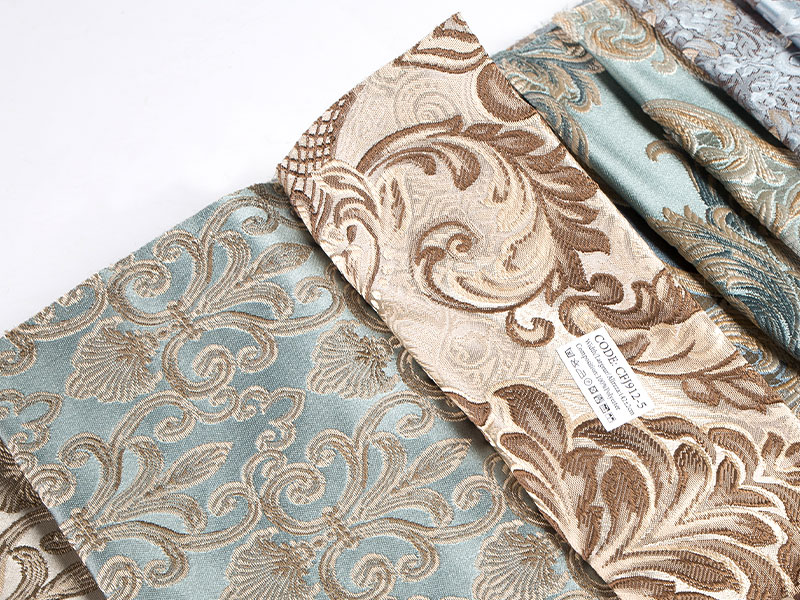
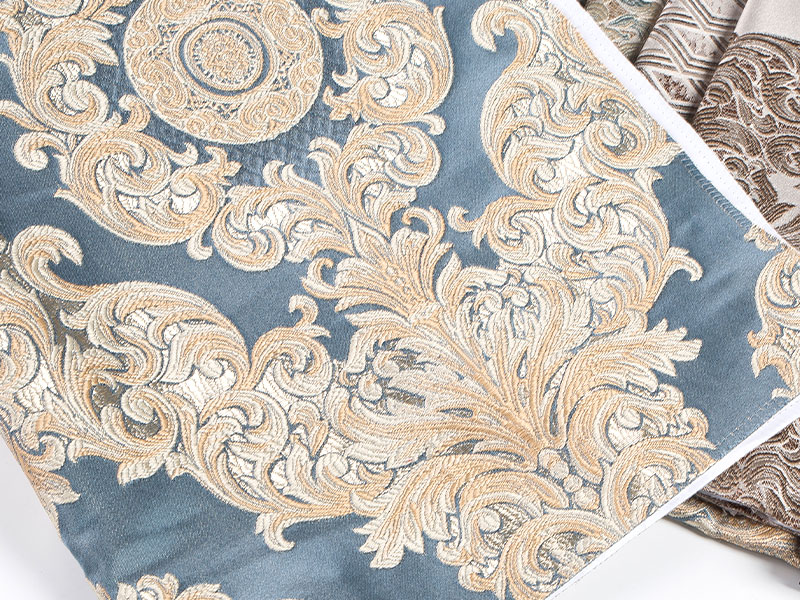
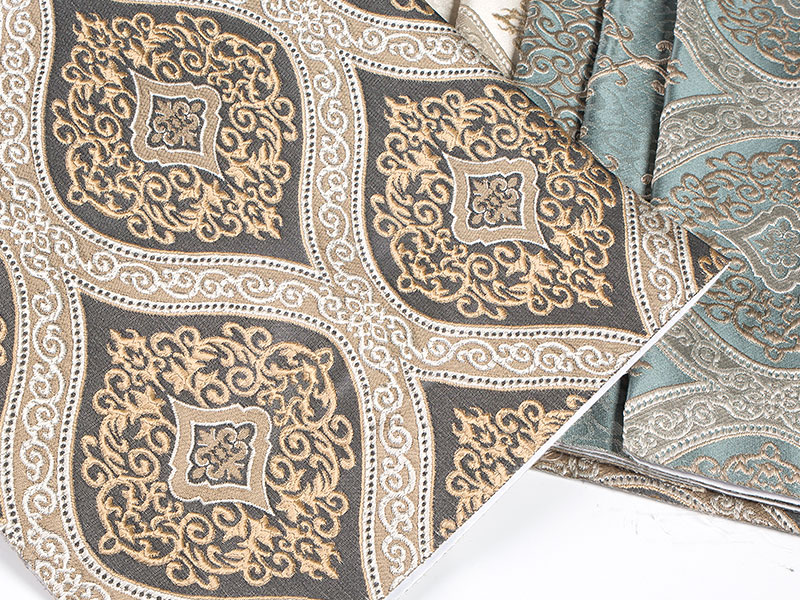
Yarn dyed jacquard fabric is a woven textile in which the pattern is created during the weaving process itself rather than printed or dyed onto the surface of a finished cloth. The term combines two distinct manufacturing concepts. "Yarn dyed" means the individual yarns are dyed before weaving — so the color is locked into the fiber at the yarn stage, not applied to the surface of the finished fabric afterward. "Jacquard" refers to the loom technology used to weave it — a Jacquard loom uses a computerized or mechanically programmed head to independently control each warp thread, enabling extraordinarily complex, multi-colored patterns to be woven directly into the fabric structure with precision that no other weaving technology can match.
The result of combining these two techniques is a fabric with color depth, pattern clarity, and structural complexity that is genuinely different from anything achievable through printing or simple weaving. Because the colored yarns are interlaced through the full thickness of the fabric, the pattern appears on both sides — sometimes as a mirror image, sometimes as a complementary design — and the colors don't fade, crack, or peel the way surface prints can. Yarn dyed jacquard textile carries its pattern as a structural feature, not a surface coating, which is why it has been associated with luxury and durability for centuries.
How Yarn Dyed Jacquard Fabric Is Made
Understanding the production process helps explain both the premium cost of yarn dyed jacquard fabric and why its quality characteristics are so distinctive. The manufacturing sequence is significantly more complex than for printed or piece-dyed alternatives, and each stage has a direct bearing on the finished fabric's appearance, feel, and performance.
Yarn Selection and Preparation
The process begins with yarn selection, which determines the fundamental character of the finished fabric. Yarn dyed jacquard fabrics are produced in a wide range of fiber types — cotton, silk, viscose, polyester, linen, wool, and blends — and the choice of fiber affects everything from hand feel and drape to color uptake and durability. Yarns intended for jacquard weaving are typically higher-twist and more tightly spun than yarns used in simpler woven fabrics, because they must withstand the repeated mechanical stress of the jacquard shedding motion without breaking or snagging during weaving.
Yarn Dyeing
After preparation, the yarns are dyed in their pre-woven state. The most common yarn dyeing methods for jacquard production are package dyeing — where wound yarn packages are loaded into a pressure vessel and dye liquor is circulated through them — and hank dyeing, where loose skeins of yarn are immersed in dye baths. Both methods penetrate the dye uniformly through the full cross-section of each yarn, producing a depth and evenness of color that surface dyeing cannot replicate. The dyed yarns are then dried, wound onto weaving beams or pirns, and sorted by color ready for loading onto the loom. Managing multiple colored yarn packages across a single warp beam is one of the most technically demanding aspects of yarn dyed jacquard production, requiring precise color sequencing to match the weave design.
Jacquard Loom Programming and Setup
Modern Jacquard looms are controlled by electronic heads that receive pattern data from CAD design software. The weave design is programmed as a binary matrix — each warp thread either raised or lowered for each weft insertion — creating the interlacement pattern that forms the design. Preparing the Jacquard head program and threading the loom with the correct color-sequenced warp yarns in the right heddle positions is highly skilled work that can take days for complex designs. This setup investment is one reason that yarn dyed jacquard fabric carries a higher price than simpler woven or printed alternatives — the design and setup cost is distributed across the production run, making small runs proportionally more expensive per meter than large orders.
Weaving and Finishing
During weaving, the Jacquard head independently lifts each required warp thread for each weft pick, creating the pattern through the selective interlacement of colored warp and weft yarns. Different weave structures — satin, twill, plain, and combinations thereof — are used within the same design to create areas of different texture and light reflection that add visual depth to the pattern. After weaving, the greige fabric goes through finishing processes including scouring to remove weaving lubricants, heat-setting for synthetic fibers, and optional surface treatments such as brushing, shearing, or calendering depending on the intended end use. Finishing can significantly alter the handle and appearance of the fabric, so it must be specified carefully to complement rather than detract from the weave design.
How Yarn Dyed Jacquard Compares to Other Patterned Fabrics
Yarn dyed jacquard fabric sits at the premium end of the patterned textile market, but it's worth understanding exactly what that premium buys compared to the main alternatives — particularly printed fabric and dobby woven fabric — to make informed sourcing and design decisions.
| Property | Yarn Dyed Jacquard | Printed Fabric | Dobby Woven Fabric |
| Pattern Complexity | Very high — unlimited repeats | High — photographic quality possible | Low to medium — geometric only |
| Color Fastness | Excellent — dye throughout yarn | Variable — surface dye only | Good — yarn dyed option available |
| Two-Sided Pattern | Yes — both sides usable | No — reverse is plain | Sometimes — depends on structure |
| Texture and Dimension | High — structural relief in design | None — flat surface pattern | Low to medium — simple texture |
| Production Cost | High | Low to medium | Medium |
| Minimum Order Quantity | Higher — loom setup cost | Lower — digital print flexible | Medium |
| Durability | Very high — structural pattern | Medium — surface pattern wears | High |
The Key Properties That Define Yarn Dyed Jacquard Fabric Quality
When evaluating yarn dyed jacquard textile for a specific application, several properties determine whether the fabric will meet performance and aesthetic expectations over its service life. Understanding these properties helps buyers ask the right questions of suppliers and evaluate fabric samples more critically.
Color Fastness Performance
Because the yarns are dyed before weaving, color fastness in yarn dyed jacquard fabric is generally superior to piece-dyed or printed alternatives — but it is not automatically excellent. Color fastness depends on the dye chemistry used, the fiber type, the dyeing process, and the fixation treatment applied. For cotton yarn dyed jacquard, reactive dyes properly fixed with a high exhaustion and fixation rate provide the best wash and light fastness results. Polyester yarns are typically dyed with disperse dyes under high-temperature pressure conditions, which deliver excellent fastness if the fixation process is complete. When sourcing yarn dyed jacquard fabric for applications involving repeated washing — shirting, bedding, upholstery that will be cleaned regularly — always request ISO color fastness test results for wash fastness (ISO 105-C06), light fastness (ISO 105-B02), and rubbing fastness (ISO 105-X12) before confirming a supplier.
Fabric Weight and Thread Count
Yarn dyed jacquard fabric is produced across a wide range of fabric weights, from lightweight shirting fabrics at 80–120 g/m² through to heavyweight upholstery fabrics at 400–600 g/m² or more. Thread count — the number of warp and weft threads per centimeter or per inch — affects the fineness of the pattern detail, the smoothness of the fabric surface, and the structural stability of the cloth. Higher thread counts generally produce finer, more detailed patterns but require finer, more expensive yarns. For upholstery applications, fabric weight and thread count directly influence abrasion resistance and expected service life — look for fabrics tested to the Martindale abrasion standard at 25,000 cycles minimum for light-duty upholstery and 50,000+ cycles for high-traffic commercial applications.
Weave Structure and Surface Character
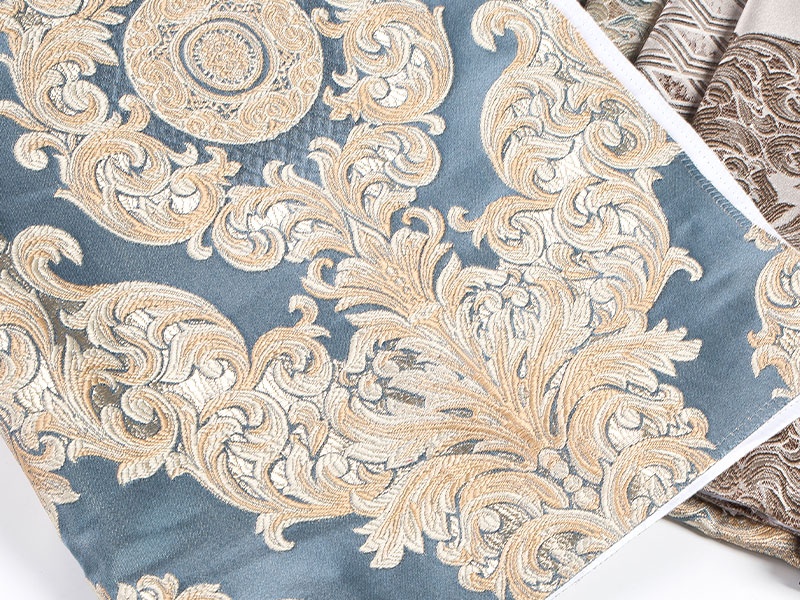
The mix of weave structures within a yarn dyed jacquard design creates the fabric's characteristic dimensional quality. Satin weave areas — where long floats of warp or weft yarn lie on the fabric surface — catch light and appear lustrous, while plain weave areas appear matte and more textured. This deliberate contrast between shiny and matte areas within the same design is a defining visual characteristic of quality woven jacquard fabric, and it's something that no print process can reproduce convincingly. Fabrics where only a single weave structure is used throughout the design, with pattern differentiated only by color, generally appear less refined than those where weave structure variation adds a three-dimensional quality to the design.
Drape and Hand Feel
Drape — the way a fabric falls and moves — is critically important for apparel and curtain applications of yarn dyed jacquard textile. Jacquard fabrics tend to be heavier and stiffer than comparable plain woven fabrics due to the complexity of the interlacement structure, but this varies considerably with fiber choice and yarn count. Silk and viscose yarn dyed jacquards have a fluid, luxurious drape that works beautifully in evening wear and drapes. Cotton jacquards are crisper and more structured. Polyester jacquards can mimic either quality depending on yarn specification and finishing. Always evaluate a fabric sample by holding it off a table edge and observing how it falls before committing to it for a drape-sensitive application.
Where Yarn Dyed Jacquard Fabric Is Used
The application range for yarn dyed jacquard fabric is exceptionally broad, which reflects the combination of its aesthetic distinctiveness and its genuine functional durability. Different fiber compositions and fabric weights make it suitable for uses as different as delicate formal wear and heavy-duty upholstery.
Apparel and Fashion
In fashion, yarn dyed jacquard fabric is associated with formal and occasion wear — evening gowns, cocktail dresses, structured jackets, waistcoats, and occasion blouses. The fabric's inherent structure provides body and shape retention that lends itself to tailored or semi-tailored garment construction. Lighter-weight yarn dyed jacquard in silk or viscose blends is used for draped formal wear. Heavier brocade-style jacquards with raised metallic yarn elements appear in couture and occasion garments. Menswear applications include tie fabrics, formal waistcoats, and blazer linings where the two-sided property of jacquard construction means the reverse of the fabric can serve as a functional and decorative lining in the same garment without any additional material.
Home Textiles and Bedding
Yarn dyed jacquard fabric is extensively used in premium home textile products including duvet covers, pillow shams, bed throws, table linens, and decorative cushion covers. In bedding, cotton yarn dyed jacquard offers a combination of pattern sophistication and washability that printed bedding cannot match for long-term color retention. Damask-pattern yarn dyed jacquard in white-on-white or self-colored configurations — where the pattern is created entirely by weave structure contrast rather than color difference — is the classic choice for formal table linens in hotels, restaurants, and fine dining settings. The pattern remains visible and elegant even after hundreds of industrial laundering cycles, which printed equivalents cannot sustain.
Upholstery and Interior Furnishings
Heavy-weight yarn dyed jacquard fabric is a staple material for upholstered furniture, curtains, and decorative cushions in both residential and commercial interior applications. For upholstery, the dense interlacement of jacquard construction provides inherent resistance to deformation and pilling that lighter woven structures cannot offer. The color-fastness of yarn dyed construction means upholstered pieces retain their appearance even in rooms with significant natural light exposure — a common point of failure for printed upholstery fabrics where UV degradation of surface dyes creates visible fading within a few years. For curtains and drapes, the weight and drape of heavy yarn dyed jacquard creates the structured, formal window treatment effect associated with traditional and transitional interior design styles.
Accessories and Specialty Applications
Beyond apparel and home textiles, yarn dyed jacquard fabric appears in a range of accessories and specialty products. Woven labels and ribbons use Jacquard technology at narrow widths to produce branded and decorative trimmings. Luggage and bag fabrics in heavy-weight polyester yarn dyed jacquard provide a distinctive, durable material with better abrasion resistance than printed alternatives. Footwear uppers — particularly for athletic and fashion sneakers — increasingly use yarn dyed jacquard textile as a technical and aesthetic material that provides structure and pattern simultaneously. High-end stationery products, book covers, and packaging use jacquard woven fabric as a premium material choice that signals quality through its tactile and visual complexity.
Choosing the Right Yarn Dyed Jacquard Fabric for Your Project
Selecting yarn dyed woven fabric for a specific project requires balancing aesthetic requirements against practical performance needs and production constraints. The following considerations provide a structured approach to narrowing down the options.
- Fiber composition for the end use: Cotton and linen yarn dyed jacquards are the natural choice for bedding, table linens, and casual apparel where washability and breathability matter. Silk and silk-effect viscose jacquards deliver the luxury drape and luster needed for formal apparel and high-end home textiles. Polyester yarn dyed jacquard offers the best durability, color fastness, and price point for upholstery and commercial applications. Wool jacquard provides warmth and natural texture for throws and cold-weather apparel.
- Pattern scale relative to the finished product: The scale of the jacquard pattern repeat must be proportionate to the size of the finished product. A large-scale floral repeat that looks magnificent on a sofa will appear fragmented and difficult to read when cut into a small garment or cushion cover. Request a cutting plan or sample showing how the pattern repeat works across the specific product dimensions before committing to a fabric with a large repeat, and factor the additional fabric waste from pattern matching into the material cost calculation.
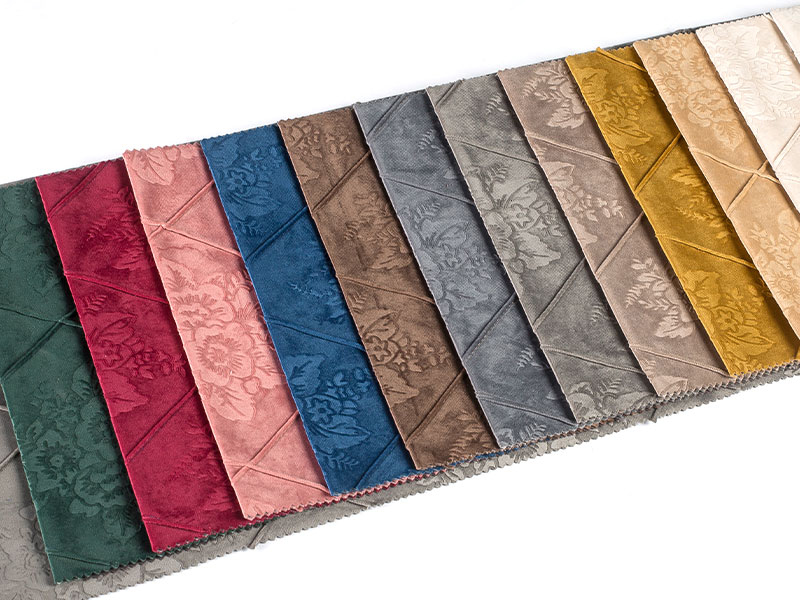
- Color palette and colorway options: Most yarn dyed jacquard fabric designs are produced in multiple colorways — the same weave design produced with different color combinations. Evaluate all available colorways from the supplier rather than selecting from a single sample, as the same pattern can read very differently in warm versus cool tones or in high contrast versus tonal combinations. Request all available colorways in large enough sample swatches to assess how they interact with the other materials in the project.
- Width and shrinkage allowance: Yarn dyed jacquard fabrics are typically produced in standard widths of 110cm, 140cm, or 150cm for apparel and home textile applications, and up to 280–300cm for wide-width furnishing and bedding applications. Confirm the fabric width before calculating material requirements. For cotton and linen jacquards, pre-washing the fabric before cutting is recommended if the finished product will be laundered, as these natural fiber fabrics can shrink 3–5% on first wash. Factor this shrinkage into pattern cutting and material quantity calculations.
- Minimum order quantities and lead times: Yarn dyed jacquard fabric typically carries higher minimum order quantities than printed fabric due to the loom setup costs involved. Standard minimums from mill suppliers range from 300 to 1,000 meters per colorway for stock designs, and substantially more for custom designs where new loom programming and yarn preparation are required. Build realistic lead times into project schedules — typically eight to sixteen weeks from order confirmation for standard designs, and up to six months for fully custom yarn dyed jacquard development.
Care and Maintenance of Yarn Dyed Jacquard Fabric
The care requirements for yarn dyed jacquard fabric depend primarily on the fiber composition, but some general principles apply across most types. The structural complexity of the jacquard weave means that the fabric is more sensitive to mechanical agitation than simpler woven structures — the long satin floats that create the pattern's visual character can snag and pull if treated carelessly, and high-temperature washing can cause differential shrinkage between the different yarn components if they are not all the same fiber type.
For cotton and cotton-blend yarn dyed jacquard, machine washing at 30–40°C on a gentle cycle with a mild detergent is generally safe. Avoid biological detergents on silk-content fabrics as the enzymes can damage silk protein fibers. Turn the fabric inside out before washing to protect the pattern surface from abrasion against other items in the wash. Do not tumble dry on high heat — lay flat or hang to dry and iron while slightly damp on the reverse side to restore crispness without crushing the weave texture. A pressing cloth between the iron and the fabric face protects satin float areas from iron scorch marks.
For silk and viscose yarn dyed jacquard, dry cleaning is the safest option and should be the default recommendation for any garment or furnishing item where fabric cost and appearance are important. If hand washing is attempted, use cold water and a specialist delicate fabric detergent, handle the fabric very gently without wringing or twisting, and dry flat away from direct heat and sunlight. Upholstery-weight yarn dyed jacquard fabric should be cleaned according to the manufacturer's specification — most furnishing jacquards are either dry-clean only or suitable for professional wet cleaning, and attempting DIY washing of heavy upholstery fabric typically causes irreversible distortion of the fabric structure.
Common Issues with Yarn Dyed Jacquard Fabric and How to Address Them
Even high-quality yarn dyed jacquard fabric can present challenges if it is not handled, stored, or used correctly. Being aware of the most common issues helps buyers and manufacturers avoid problems before they become costly.
- Snagging of satin float yarns: The long yarn floats on the fabric surface that create the lustrous areas of the jacquard pattern are inherently more vulnerable to catching on rough surfaces, jewelry, Velcro, and sharp edges than plain weave fabrics. For garment applications, advise customers to handle the fabric carefully and avoid contact with rough or abrasive surfaces. For furnishing applications, position jacquard upholstery away from locations where abrasive contact is likely — pets' claws, belt buckles, and rough clothing are the most common sources of snag damage.
- Color bleeding between adjacent yarns: Although yarn dyeing generally produces good color fastness, inadequate rinsing or fixation during the dyeing process can leave unfixed dye on the yarn surface that bleeds onto adjacent colors during the first wash. Always test a sample with a damp white cloth before using a new batch of yarn dyed jacquard fabric in a wet environment, and wash new products separately before use to remove any surface dye residue.
- Distortion during cutting and sewing: The complex interlacement of jacquard construction can make the fabric more prone to bias distortion when cut and handled than simpler woven structures. Cut jacquard fabric on a flat, stable surface without allowing it to hang off the edge of the cutting table, which pulls the bias and causes distortion. Use sharp scissors or a rotary cutter — blunt cutting tools drag the fabric and disturb the weave alignment. Stabilize edges with a narrow overlock stitch immediately after cutting to prevent the weave from pulling back from cut edges.
- Inconsistency between fabric rolls in large orders: Yarn dyed jacquard production involves multiple dye batches for each color in the design, and slight shade variations between dye batches — known as metamerism or batch-to-batch shade variation — can produce visible differences between fabric rolls even within the same production order. For large projects where multiple rolls will be used in the same visible installation or garment range, request that all rolls are from the same dye batch, and inspect rolls side by side in the intended end-use lighting conditions before accepting delivery.