Language
  English
 中文简体
中文简体 عربى
عربى
Content
- 1 What Dutch Fleece Fabric Is and Where It Comes From
- 2 How Dutch Fleece Differs from Other Fleece Types
- 3 The Key Properties of Dutch Fleece Fabric
- 4 What Dutch Fleece Fabric Is Best Used For
- 5 Sewing Dutch Fleece Fabric Successfully
- 6 How to Identify Quality Dutch Fleece When Buying
- 7 Caring for Dutch Fleece Fabric Products
What Dutch Fleece Fabric Is and Where It Comes From
Dutch fleece fabric is a type of knitted fleece textile characterized by a dense, soft, and relatively smooth pile surface on one or both sides, with a stable, non-stretchy base structure that sets it apart from many other fleece varieties. Despite the name, Dutch fleece is not exclusively manufactured in the Netherlands — the term refers to a specific construction and finish standard that became associated with a style of high-quality fleece fabric that was historically associated with European textile manufacturing traditions. Today, Dutch fleece is produced primarily in major textile manufacturing countries including China, South Korea, Turkey, and India, but the fabric specification — particularly its weight, surface softness, and dimensional stability — remains consistent across reputable suppliers regardless of origin.
The fabric is constructed by knitting a base fabric and then raising the fiber surface through a napping or brushing process that creates the characteristic soft, fuzzy texture. What distinguishes Dutch fleece from cheaper fleece alternatives is the quality of the base yarn, the density of the pile, and the finishing processes applied to control pilling, maintain color vibrancy, and stabilize the fabric dimensions. The result is a fleece material that feels noticeably softer and more substantial than budget fleece options, holds its appearance through repeated washing, and has enough body and structure to be cut and sewn without excessive stretching or distortion.
How Dutch Fleece Differs from Other Fleece Types
The fleece fabric category is broad and includes a wide range of products with very different properties. Understanding where Dutch fleece sits within this category — and what separates it from the alternatives — helps buyers and sewers make informed choices rather than assuming all fleece fabrics behave the same way.
Dutch Fleece vs. Polar Fleece
Polar fleece is the most widely recognized fleece type globally — a lightweight, highly stretchy knit fabric with a raised pile on both sides, originally developed by Malden Mills in the United States in the 1970s. Polar fleece prioritizes warmth-to-weight ratio and stretch recovery, making it excellent for active outdoor garments but giving it less body and structure than Dutch fleece. Dutch fleece fabric is generally heavier, denser, and less stretchy than polar fleece, with a smoother, more uniform pile surface that gives finished garments a cleaner, more refined appearance. For structured garments — coats, jackets with defined seam lines, children's wear where shape retention matters — Dutch fleece produces a better result than polar fleece. For base layers and high-stretch performance garments, polar fleece's superior stretch and moisture management properties make it the better choice.
Dutch Fleece vs. Sherpa Fleece
Sherpa fleece has a deep, textured pile on one side that mimics the appearance of sheep's wool, giving it a visually distinctive chunky texture. It is heavier and bulkier than Dutch fleece and is typically used as a lining material or for the inner surface of outerwear. Dutch fleece has a finer, more even pile surface that photographs better, sews more neatly, and is more comfortable directly against the skin for extended wear. Dutch fleece is a better choice for complete garments worn as outer layers in moderate cold, while sherpa fleece excels as a lining material in heavy-duty cold weather gear.
Dutch Fleece vs. Anti-Pill Fleece
Anti-pill fleece is not a specific fabric construction — it is a performance standard applied to various fleece types, including Dutch fleece, indicating that the fabric has been treated or constructed to resist the formation of fiber pills on the surface during use and washing. Many Dutch fleece fabrics are produced to an anti-pill standard as part of their quality specification, which is one reason they are often described as premium fleece. Budget fleece fabrics that pill heavily after a few washes are typically made from lower-grade yarns with less tightly controlled fiber lengths. When buying Dutch fleece fabric, confirming that it meets an anti-pill standard is an important quality checkpoint for any application where appearance retention over time matters.
Dutch Fleece vs. Microfiber Fleece
Microfiber fleece uses extremely fine filament yarns — typically below 1 denier per filament — to produce a fabric with a silky-smooth pile surface and very light weight. Microfiber fleece is softer against sensitive skin than standard Dutch fleece and is commonly used for baby garments and intimate apparel. Dutch fleece uses heavier yarns that produce a more robust, textured pile with better durability. For applications where softness is the absolute priority, microfiber fleece may have an edge. For applications that balance softness with durability, ease of sewing, and structural stability, Dutch fleece is the more practical choice.
The Key Properties of Dutch Fleece Fabric
Understanding Dutch fleece's physical and performance characteristics helps predict how it will behave in use and guides decisions about where it is — and isn't — the right material for a specific project or product.
| Property | Typical Characteristic | Practical Implication |
| Fabric Weight | 200 – 380 g/m² | Good body and warmth without excessive bulk |
| Stretch | Low to moderate (10–30%) | Stable for structured garments; easier to cut accurately |
| Pile Surface | Dense, smooth, even nap | Clean, refined appearance in finished products |
| Pilling Resistance | Good to excellent (quality grades) | Appearance retained through repeated washing |
| Moisture Management | Moderate — wicks but retains some moisture | Suitable for casual wear; not ideal for high-performance sport |
| Thermal Insulation | Good — trapped air in pile structure | Effective mid-layer warmth in cool to cold conditions |
| Dye Uptake | Excellent — vibrant, deep colors | Wide color palette possible; good color fastness |
| Edge Behavior | Does not fray when cut | Raw edges can be left unfinished in some applications |
| Wash and Care | Machine washable at 30–40°C | Practical for everyday use garments and home textiles |
What Dutch Fleece Fabric Is Best Used For
Dutch fleece fabric's combination of softness, warmth, structural stability, and ease of care makes it a highly practical material across a wide range of applications. Its specific property profile makes it better suited to some end uses than others, and understanding these distinctions helps match the material to the right project.
Children's Clothing and Babywear
Dutch fleece fabric is one of the most popular materials for children's outerwear, tracksuits, hoodies, and babywear. Its softness against sensitive skin, combined with warmth, ease of movement, and machine washability, makes it practically ideal for the demands of children's garments. The low-stretch, stable construction of Dutch fleece is significantly easier for home sewers and small garment manufacturers to work with than the highly stretchy fabrics common in children's activewear, and the non-fraying edge behavior means that seam allowances don't need to be overlocked before sewing — reducing production complexity. Bright, solid colors and printed Dutch fleece are widely available, making it easy to produce visually appealing children's pieces.
Casual Adult Outerwear and Loungewear
For adult casual wear — hoodies, zip-through tops, casual jackets, jogger pants, and loungewear sets — Dutch fleece delivers a premium result compared to cheaper knit fleeces. The denser pile and better pilling resistance mean that garments retain their appearance over repeated wearing and washing without the shabby, pilled surface that budget fleece develops quickly. The moderate weight of Dutch fleece — typically 250–320 g/m² for adult outerwear — provides genuine warmth without the excessive bulk that makes heavy fleeces uncomfortable for all-day wear. Dutch fleece garments photograph well for e-commerce because the smooth, even pile surface shows color and garment details clearly without the fuzzy visual noise of cheaper alternatives.
Blankets, Throws, and Home Textiles
Dutch fleece is widely used for blankets, throw rugs, pet bedding, and cushion covers. Its warmth-to-weight ratio makes it an excellent blanket material — lightweight enough to be comfortable but insulating enough to provide genuine warmth. Dutch fleece blankets are significantly more durable than budget polar fleece alternatives, retaining their softness and surface appearance through years of regular washing rather than degrading into a pilled, matted surface within a season. The non-fraying edge property is particularly valuable in blanket making — a simple folded or bound edge is sufficient, eliminating the need for complex edge finishing. Printed Dutch fleece fabric with character designs, seasonal patterns, and novelty prints is popular for children's blankets, gifting products, and licensed character merchandise.
Costumes, Craft Projects, and Accessories
The ease of working with Dutch fleece — it doesn't fray, it's forgiving of less precise cutting, it sews smoothly without special needles in most cases, and it's available in an enormous color range — makes it a favorite material for costumes, cosplay, mascot suits, craft projects, and accessories. Animal ear headbands, character tails, soft toy components, hats, scarves, and novelty items are all commonly made from Dutch fleece. The fabric's ability to hold dye in vibrant, consistent colors means it's available in the full spectrum needed for costume work, and its reasonable cost per meter makes it practical for projects that require multiple color combinations or significant yardage.
School and Corporate Uniforms
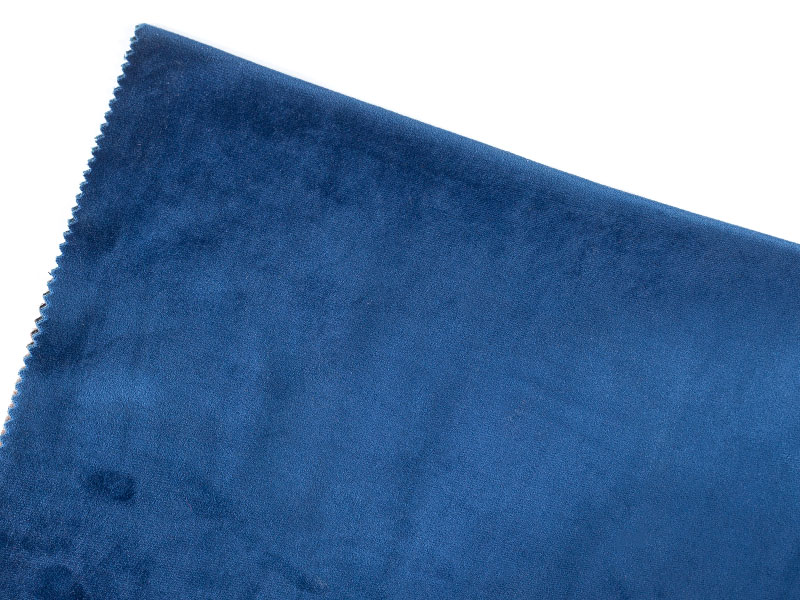
Dutch fleece fabric is a standard material for school uniform polar neck tops, sports warm-up jackets, and corporate branded outerwear. Its durability, washability, and consistent appearance through repeated laundering make it practical for uniform applications where garments must maintain their appearance across an entire school year or corporate season. The fabric embosses, prints, and embroiders well, allowing school crests, corporate logos, and team branding to be applied cleanly. For school spirit wear and team fleeces where garment cost must be kept reasonable without compromising wearability or appearance, Dutch fleece consistently delivers the best value-for-quality balance in the fleece category.
Sewing Dutch Fleece Fabric Successfully
Dutch fleece is one of the more beginner-friendly fabrics to sew, particularly compared to woven fabrics that fray or highly stretchy knits that require specialized techniques. However, there are specific considerations that make a significant difference to the quality of the finished result.
Cutting Dutch Fleece Correctly
Dutch fleece has a nap — meaning the pile fibers lie in a consistent direction — that affects both how the fabric looks from different angles and how it should be cut. Hold the fabric up and stroke your hand across the pile surface in both directions; in one direction the pile lies flat and smooth, in the other it stands up slightly and feels rougher. All pattern pieces must be cut with the pile running in the same direction — typically with the pile running downward on a finished garment — otherwise panels that should match will appear to be slightly different colors or tones when the garment is worn. Mark the pile direction on your pattern pieces with a directional arrow before beginning layout, and cut all pieces with this arrow oriented the same way on the fabric.
Use sharp scissors or a rotary cutter to cut Dutch fleece — dull cutting tools drag the pile and create ragged edges that are visible in the finished seam. Cut single layers rather than double layers where possible, as the bulk of double-layered fleece can shift during cutting and introduce inaccuracies. Pin pattern pieces to the wrong side of the fabric if necessary, or use pattern weights to hold pieces in position without distorting the fabric structure.
Sewing Machine Settings and Needle Choice
A stretch stitch or a small zigzag stitch (1–1.5mm width, 2.5–3mm length) is recommended for sewing Dutch fleece seams, particularly if the fabric has any degree of stretch. A straight stitch on a fleece with even modest stretch will produce seams that pop under body movement. A ballpoint or stretch sewing needle (size 75/11 or 90/14 depending on fabric weight) is ideal — the rounded tip pushes between the knit loops rather than piercing through them, preventing skipped stitches and needle damage to the fabric structure. Use a polyester thread rather than cotton, as polyester has a slight elasticity that accommodates the movement of the fabric better than inelastic cotton thread.
Reduce the presser foot pressure slightly if your machine allows it — heavy foot pressure on thick fleece can cause the lower layer to feed faster than the upper layer, causing the seam to drift out of alignment. A walking foot attachment, if available for your machine, eliminates this problem entirely by feeding both layers of fabric simultaneously at the same rate. This is particularly valuable when sewing long seams or when matching pile direction across seams is important.
Seam Finishing and Edge Treatments
One of Dutch fleece's most practical properties is that it does not fray when cut. This means raw seam allowances do not need to be overlocked or otherwise finished to prevent unraveling, which simplifies construction considerably. On the inside of garments, seams can be pressed open or to one side and left with raw edges. For a cleaner interior finish — particularly in children's garments where comfort against skin matters — topstitch the seam allowances flat on both sides of the seam using a straight or zigzag stitch. Flat-felled seams and mock flat-felled seams work well in Dutch fleece construction and produce a professional, durable result on garments that will be worn actively.
Hem edges in Dutch fleece can be turned up and sewn with a twin needle for a clean, professional finish that mimics the stretch hem used in commercial garment production. Alternatively, raw hems can be left completely unfinished if the design intent is a casual, relaxed aesthetic — the non-fraying property of Dutch fleece means the cut edge will remain stable through repeated washing without deteriorating. Decorative edge binding in a contrasting color can be applied to hem edges for a sporty or color-blocked design effect.
How to Identify Quality Dutch Fleece When Buying
The term "Dutch fleece" is used broadly by fabric retailers and suppliers, and the quality range within products marketed under this name is considerable. Knowing what to look for when evaluating fabric samples helps avoid purchasing fabric that won't perform as expected in a finished product.
- Check the pile density and evenness: Run your hand across the fabric surface in both directions. Quality Dutch fleece has a consistently dense pile with no thin patches, holes, or areas where the base knit structure is visible through the pile. The transition from pile to base should feel even across the full width of the fabric, with no variation from edge to center that might indicate uneven napping during manufacturing.
- Assess the base fabric stability: Stretch the fabric in the cross direction and release it — quality Dutch fleece should recover its original dimensions without significant permanent distortion. Then check the lengthwise direction. If the fabric stretches easily in both directions and has poor recovery, the base knit construction is too open and the fabric will distort during sewing and lose its shape in use.
- Test pilling resistance informally: Rub the fabric surface firmly with a slightly rough material — the back of a piece of sandpaper or a rough seam allowance from a woven fabric — for 20–30 seconds and observe whether fiber pills begin to form on the surface. Budget fleece fabrics will show pilling within seconds. Quality Dutch fleece should show minimal surface change under this informal test, which corresponds to good formal pilling test results.
- Evaluate the color depth and consistency: Hold the fabric up to natural light and look across the surface at an oblique angle to check for color variation across the width — particularly at the selvedge edges where dye penetration can be uneven. Fold the fabric and compare the color at the fold line to the center of the panel. Well-dyed Dutch fleece should show completely consistent color across the full width and depth of the fabric.
- Ask for a wash test swatch before large purchases: For any significant purchase of Dutch fleece fabric — particularly for production runs of garments or home textile products — request a minimum 30cm swatch and machine wash it at 40°C before committing. Check for shrinkage by measuring before and after washing, assess color change and bleeding, and evaluate pile condition after tumble drying at a low setting. A fabric that passes this informal wash test will generally perform reliably across the product's service life.
Caring for Dutch Fleece Fabric Products
Dutch fleece fabric is designed for practicality, and its care requirements are genuinely simple. Following a few straightforward guidelines preserves the fabric's softness, color, and pile integrity through years of regular use and washing — which is one of its main advantages over more delicate textile alternatives.
Machine wash Dutch fleece garments and products at 30–40°C on a gentle or normal cycle with a standard liquid detergent. Powder detergents can leave residue in the pile that dulls the fabric's appearance over time and attracts lint. Avoid fabric softener — contrary to intuition, fabric softener actually coats the fiber surface in a way that reduces the pile's natural softness over time and can also impair any moisture-wicking finish applied to performance Dutch fleece. Wash fleece items with similar fabrics and avoid washing them with items that shed lint heavily — towels are the most problematic — as fleece's pile surface attracts and traps lint from other fabrics in the wash cycle.
Tumble dry Dutch fleece at a low heat setting or air dry flat. High heat damages the synthetic fibers in the pile, causing the surface to feel harsh and reducing the fabric's loft. If tumble drying, remove items promptly when dry rather than leaving them in the dryer — prolonged heat exposure even at low settings can cause localized pile matting where fabric surfaces press together. Dutch fleece does not require ironing; if the pile becomes slightly flattened after washing, a gentle shake and air dry usually restores the surface. If ironing is genuinely needed, use the lowest steam setting and iron on the wrong side of the fabric through a pressing cloth, never directly on the pile surface.
Store Dutch fleece products folded or hung in a clean, dry environment. Dutch fleece is susceptible to static electricity, which attracts airborne dust and pet hair — storing items in sealed bags or covered drawers between uses keeps them clean. For long-term storage of Dutch fleece fabric yardage, roll rather than fold where possible to prevent permanent crease lines forming in the pile surface.