Language
  English
 中文简体
中文简体 عربى
عربى
Content
- 1 What Is Yarn Dyed Jacquard Fabric and Why Is It So Popular?
- 2 How Yarn Dyed Jacquard Fabric Is Made
- 3 Yarn Dyed Jacquard Fabric vs. Printed Fabric
- 4 Common Applications of Yarn Dyed Jacquard Fabric
- 5 How to Identify High-Quality Yarn Dyed Jacquard Fabric
- 6 Caring for Yarn Dyed Jacquard Fabric
- 7 Choosing the Right Yarn Dyed Jacquard Fabric for Your Project
What Is Yarn Dyed Jacquard Fabric and Why Is It So Popular?
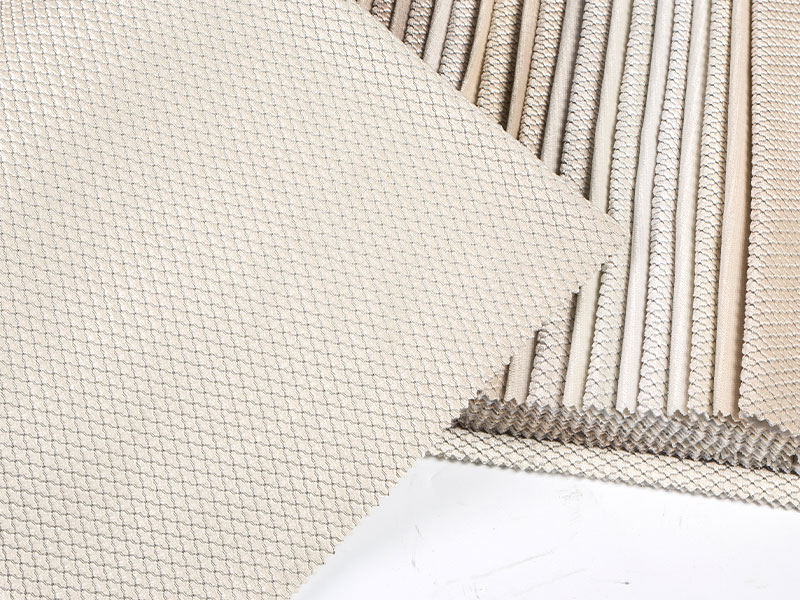
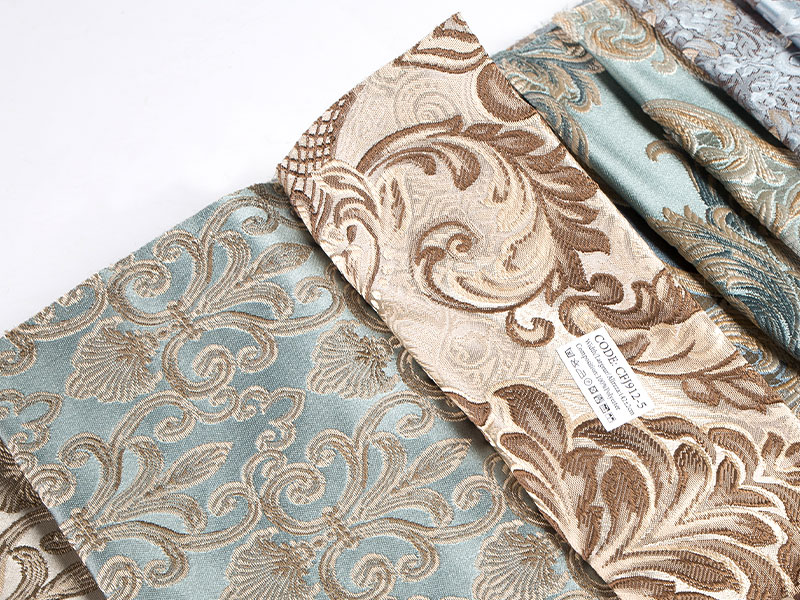
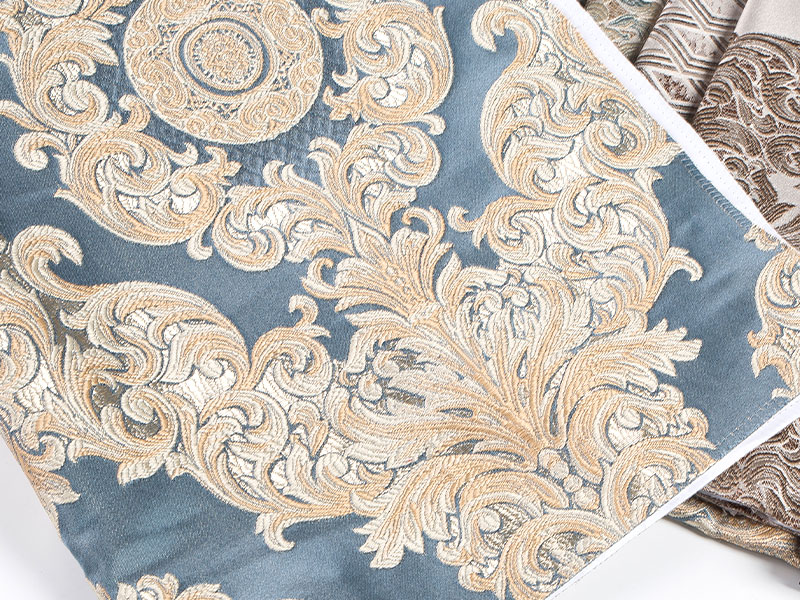
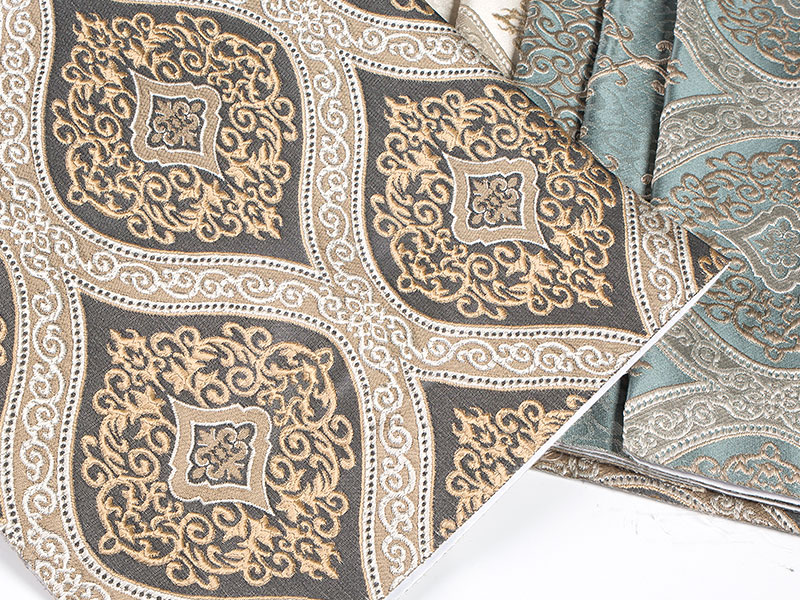
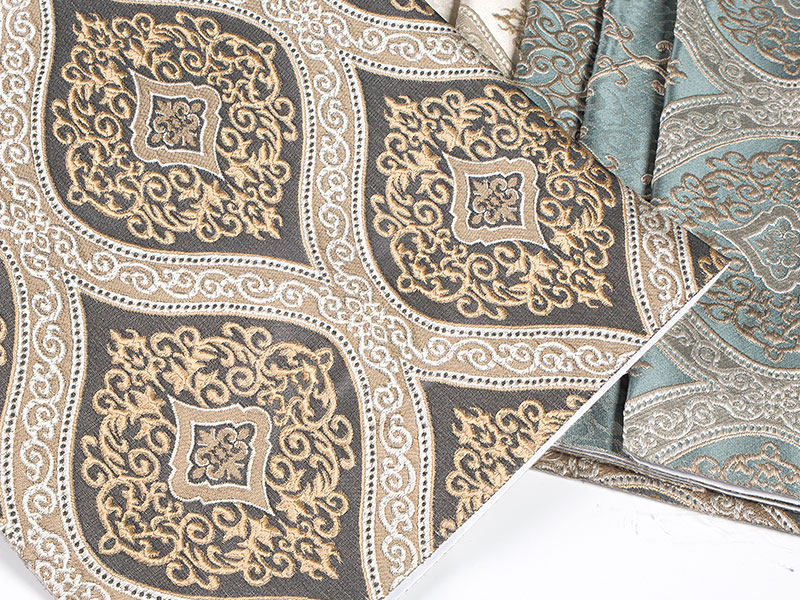
Yarn dyed jacquard fabric is a woven textile where the yarns are dyed before weaving, then woven on a jacquard loom to create intricate patterns directly within the fabric structure. Unlike printed fabrics, where designs sit on top of the surface, yarn dyed jacquard fabric builds its pattern into the weave itself, giving it depth, texture, and a richer visual effect. Because the color is locked into the fiber from the start, the resulting fabric shows the same pattern clearly on both the front and back, which is a hallmark of true jacquard weaving.
This fabric type has become a favorite among designers and manufacturers because it combines durability with sophistication. Whether used in home textiles, fashion garments, or upholstery, yarn dyed jacquard fabric offers a tactile, premium feel that printed alternatives simply cannot replicate.
How Yarn Dyed Jacquard Fabric Is Made
Understanding the production process helps explain why yarn dyed jacquard fabric carries a higher price tag than standard printed textiles. Each step requires precision and specialized equipment.
Yarn Dyeing Stage
Raw yarns are dyed in batches before weaving begins, using methods such as skein dyeing or package dyeing. This ensures deep, even color penetration through the entire fiber rather than just the surface.
Jacquard Weaving Stage
Once dyed, the yarns are loaded onto a jacquard loom, which uses a punch card or digital control system to lift individual warp threads independently. This allows complex patterns, florals, geometric designs, or logos to be woven directly into the cloth.
Finishing Process
After weaving, the fabric goes through finishing steps such as washing, calendaring, or softening to enhance hand feel and stabilize the weave structure before it is cut or shipped.
Yarn Dyed Jacquard Fabric vs. Printed Fabric
A common question buyers ask is whether yarn dyed jacquard fabric is really worth the extra cost compared to printed alternatives. The table below breaks down the key differences.
| Feature | Yarn Dyed Jacquard Fabric | Printed Fabric |
| Pattern visibility on both sides | Yes | No |
| Color fastness | Excellent | Moderate, fades with washing |
| Texture and depth | Rich, woven-in texture | Flat surface design |
| Production cost | Higher | Lower |
| Best use cases | Upscale apparel, upholstery, home decor | Casual wear, budget-friendly items |
Common Applications of Yarn Dyed Jacquard Fabric
Thanks to its durability and refined appearance, yarn dyed jacquard fabric shows up across a wide range of products in both fashion and home textile industries.
- Home textiles: Curtains, tablecloths, cushion covers, and bedding often use this fabric for its elegant patterns and durability.
- Upholstery: Sofas, chairs, and headboards benefit from the fabric's strength and resistance to wear over time.
- Fashion garments: Designers use yarn dyed jacquard fabric for jackets, dresses, and skirts that need structure and visual interest.
- Accessories: Bags, scarves, and neckties often feature this fabric to add a luxurious touch without printed graphics.
How to Identify High-Quality Yarn Dyed Jacquard Fabric
Not all yarn dyed jacquard fabric is created equal. Knowing what to look for helps buyers avoid low-grade materials that may look similar at first glance but perform poorly over time.
- Pattern clarity: Check that the design is sharp and consistent on both the front and back of the fabric.
- Yarn quality: Higher thread counts and finer yarns typically produce a smoother, more refined finish.
- Color consistency: Since colors are dyed into the yarn, they should appear uniform without visible streaking or blotching.
- Weight and drape: Good jacquard fabric should have a substantial feel while still draping naturally depending on its intended use.
- Edge finishing: Clean, tightly woven edges indicate careful manufacturing and reduce the risk of fraying.
Caring for Yarn Dyed Jacquard Fabric
Proper care extends the lifespan of yarn dyed jacquard fabric and keeps its colors and patterns looking sharp for years.
Washing Guidelines
Most yarn dyed jacquard fabrics do best with gentle, cold water washing or dry cleaning, depending on the fiber content. Harsh detergents and high heat can weaken the weave structure over time.
Storage Tips
Fold or roll finished products made from this fabric rather than hanging them for long periods, which helps prevent stretching along the woven pattern lines.
Choosing the Right Yarn Dyed Jacquard Fabric for Your Project
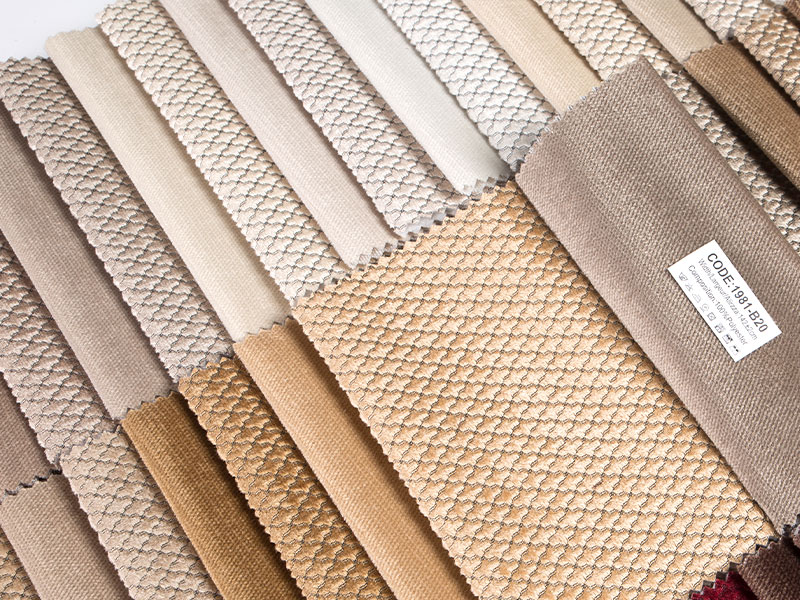
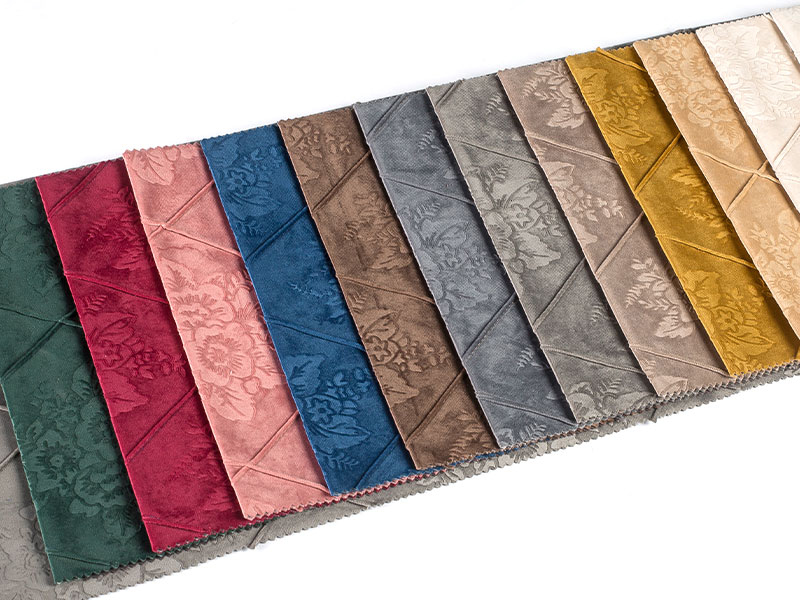
Selecting the right fabric depends on the intended end use, budget, and desired aesthetic. Home decor projects may call for heavier cotton blends, while fashion pieces often benefit from lighter silk or polyester jacquard weaves. Buyers should also consider the fiber content, since natural fibers like cotton and silk offer breathability, while synthetic blends provide added durability and easier care. Requesting fabric swatches before committing to bulk orders is always a smart practice, allowing you to evaluate pattern accuracy, color depth, and hand feel firsthand before making a final decision.