Language
  English
 中文简体
中文简体 عربى
عربى
If you've ever run your hand across a plush, puffy cushion or a soft padded jacket and wondered what that fabric was, chances are it was velvet quilted fabric. This material combines the rich, soft texture of velvet with the structured, padded look of quilting, and it has become a favorite for home decor, fashion, and accessories alike. In this article, we'll break down exactly what velvet quilted fabric is, how it's made, where it's commonly used, and how to keep it looking great for years.
Content
What Exactly Is Velvet Quilted Fabric
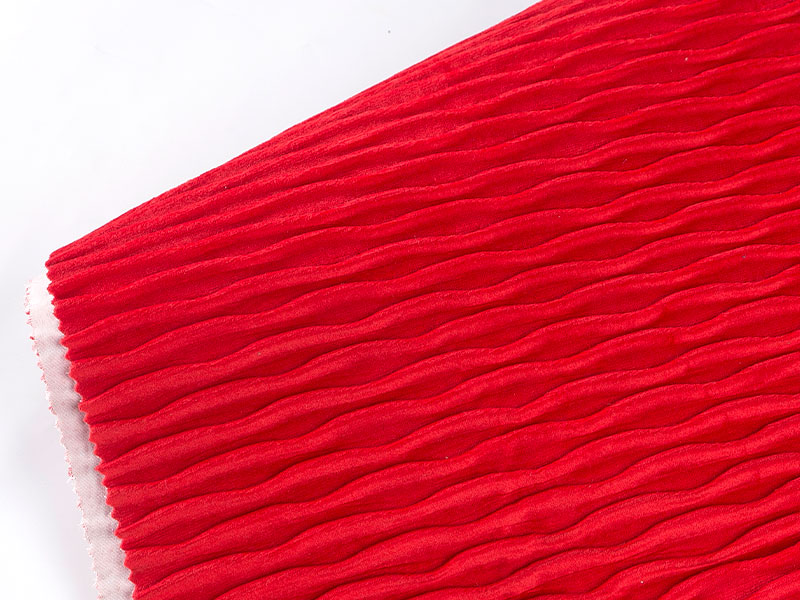
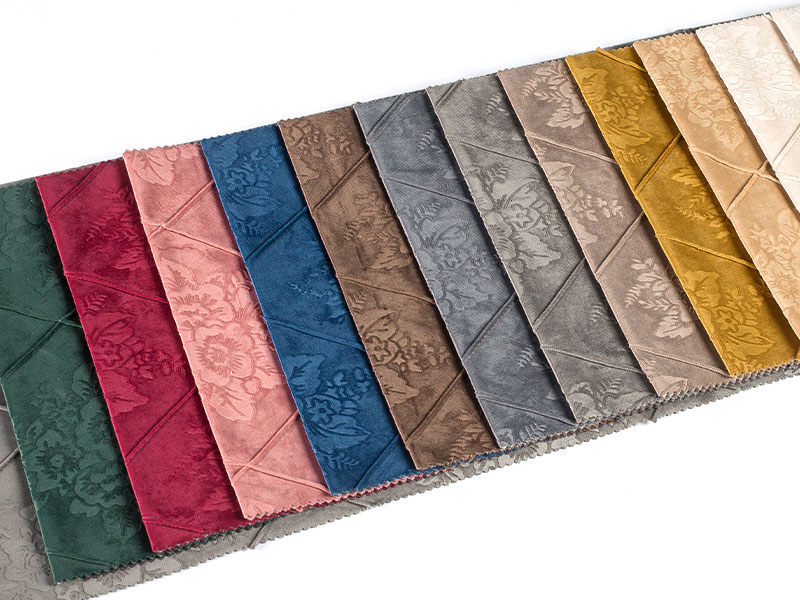
Velvet quilted fabric is created by layering a velvet top fabric, a layer of padding (usually polyester batting or foam), and a backing fabric, then stitching all three layers together in a pattern. The stitching is what gives the fabric its signature puffy, textured look. Unlike plain velvet, which is flat and smooth, quilted velvet has dimension — the stitched sections create small raised pockets that catch light differently and add a cozy, tactile quality.
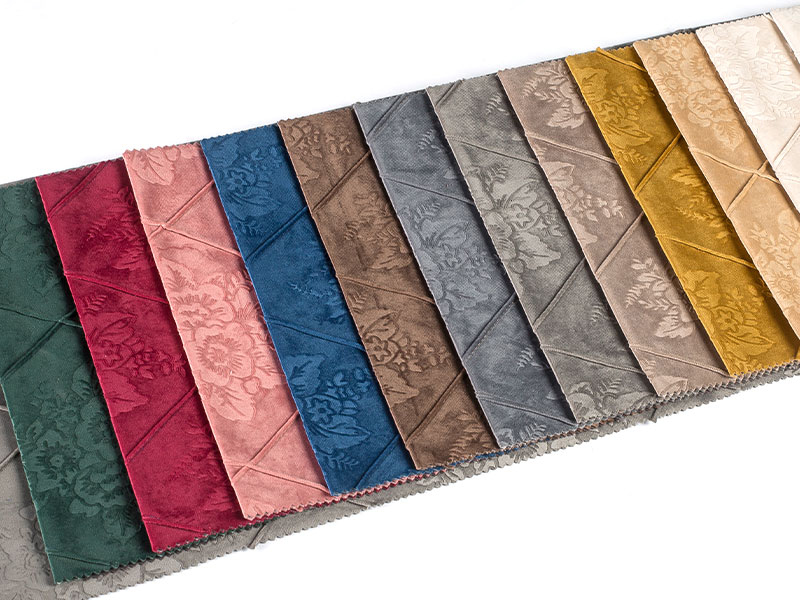
The quilting pattern can vary widely. Some fabrics use simple straight lines, others use diamonds, chevrons, or even custom shapes. The pattern choice affects both the look and the way the fabric drapes or holds its shape, so it's worth considering the end use before picking a design.
How Velvet Quilted Fabric Is Made
Making quilted velvet fabric is a multi-step process that requires precision, since uneven stitching can cause puckering or an unbalanced look. Here's a simplified breakdown of the typical process:
- The velvet fabric is selected and inspected for consistent pile direction and color.
- A layer of batting or foam padding is placed beneath the velvet to create volume.
- A backing fabric, often a lightweight cotton or polyester blend, is added underneath the padding.
- All three layers are stitched together using an industrial quilting machine, following a pre-set pattern.
- The finished fabric is trimmed, pressed, and inspected for quality before being cut into panels or rolls.
Because velvet has a delicate pile, manufacturers often use lower stitching tension to avoid crushing the nap, which helps preserve that soft, luxurious feel even after the quilting process.
Common Uses for Velvet Quilted Fabric
This fabric shows up in more places than people realize. Its combination of softness, structure, and visual richness makes it versatile across several industries.
Home Decor
Quilted velvet is a popular choice for throw pillows, bedspreads, headboards, and upholstered furniture. The padded texture adds a sense of comfort and luxury to living rooms and bedrooms, and it pairs especially well with warm, moody color palettes.
Fashion and Accessories
Designers use velvet quilted fabric for jackets, vests, handbags, and even shoes. The padding gives garments a slightly structured silhouette while the velvet surface keeps them looking elegant rather than bulky.
Baby and Kids Products
Because of its soft, cushioned feel, quilted velvet is frequently used in baby blankets, crib bumpers, and stroller liners, where comfort and a gentle touch against skin matter most.
Comparing Velvet Quilted Fabric to Other Quilted Materials
It helps to see how velvet quilted fabric stacks up against other common quilted materials, especially if you're trying to decide what's right for your project.
| Fabric Type | Texture | Best Use | Care Level |
| Velvet Quilted | Soft, plush, dimensional | Pillows, jackets, headboards | Moderate to high |
| Cotton Quilted | Light, breathable | Blankets, quilts | Low |
| Satin Quilted | Smooth, glossy | Robes, decorative covers | Moderate |
| Faux Fur Quilted | Thick, fluffy | Winter throws, coats | High |
How to Choose the Right Velvet Quilted Fabric
Not all quilted velvet is created equal, so it helps to know what to look for before buying, especially if you're sourcing fabric for a sewing project or furniture upholstery.
- Check the pile density — a denser pile usually means better durability and a richer look.
- Look at the stitching pattern and spacing to make sure it matches the style you want.
- Feel the padding thickness, since thicker padding creates a puffier, more cushioned look.
- Consider the fiber content — polyester velvet is more affordable and easier to clean, while silk or cotton velvet feels more luxurious but needs gentler care.
- Ask about colorfastness if you plan to use the fabric somewhere exposed to sunlight.
Caring for Velvet Quilted Fabric
Because velvet quilted fabric combines a delicate pile with padded layers, it needs a bit more attention than flat fabrics. Following a few basic care habits will keep it looking fresh for much longer.
Cleaning Tips
Always check the care label first, since some quilted velvet pieces are dry-clean only while others can be spot-cleaned at home. For light stains, use a soft cloth with a small amount of mild soap and water, dabbing gently rather than rubbing, which can crush the velvet pile.
Storage and Maintenance
Store quilted velvet items in a cool, dry place away from direct sunlight to prevent fading. Avoid folding pieces tightly for long periods, as this can create permanent creases in both the velvet surface and the padding underneath. Instead, roll larger pieces or hang garments when possible.
Final Thoughts on Velvet Quilted Fabric
Velvet quilted fabric brings together softness, structure, and visual depth in a way few other materials can match. Whether you're decorating a living room, designing a jacket, or shopping for a cozy baby blanket, understanding how this fabric is made and cared for will help you get the most out of it. With the right choice and proper maintenance, quilted velvet pieces can stay beautiful and functional for years to come.