Language
  English
 中文简体
中文简体 عربى
عربى
Content
- 1 What Makes Jacquard Fleece Fabric Different from Regular Fleece
- 2 How Jacquard Fleece Fabric Is Manufactured
- 3 Common Applications for Jacquard Fleece Fabric
- 4 Comparing Jacquard Fleece to Other Common Fleece Types
- 5 What to Look for When Sourcing Jacquard Fleece Fabric
- 6 Caring for Jacquard Fleece Fabric to Maintain Its Quality
- 7 Final Thoughts on Jacquard Fleece Fabric
What Makes Jacquard Fleece Fabric Different from Regular Fleece
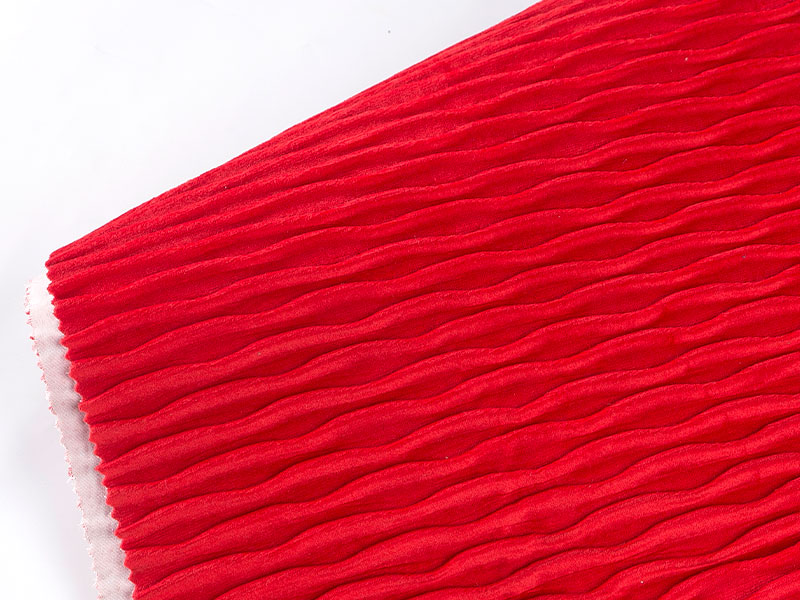
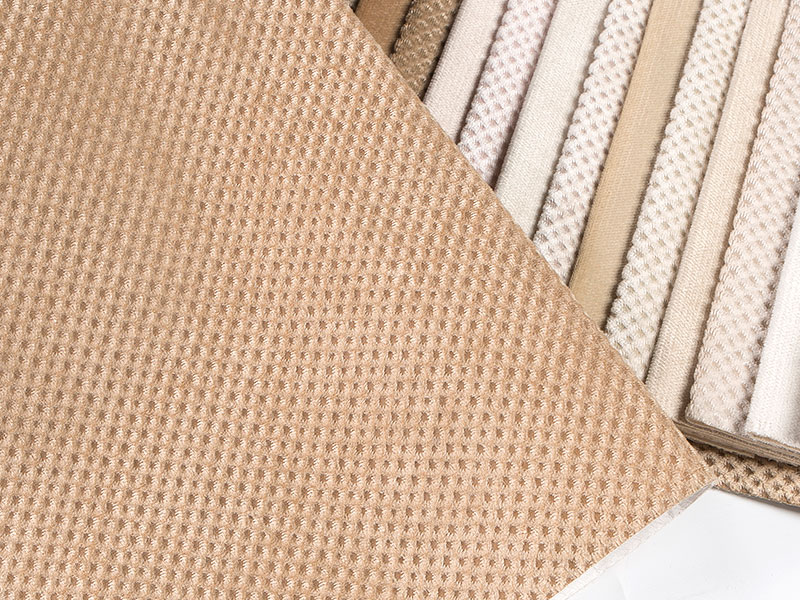
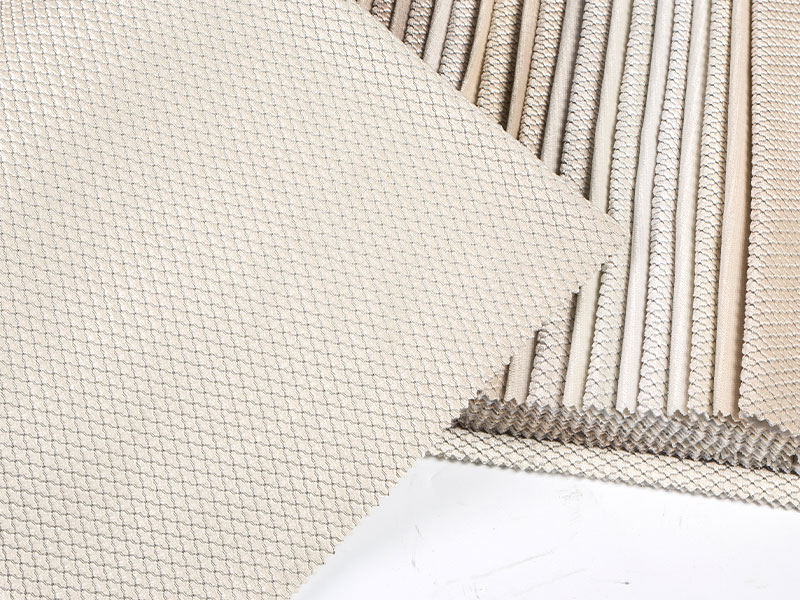
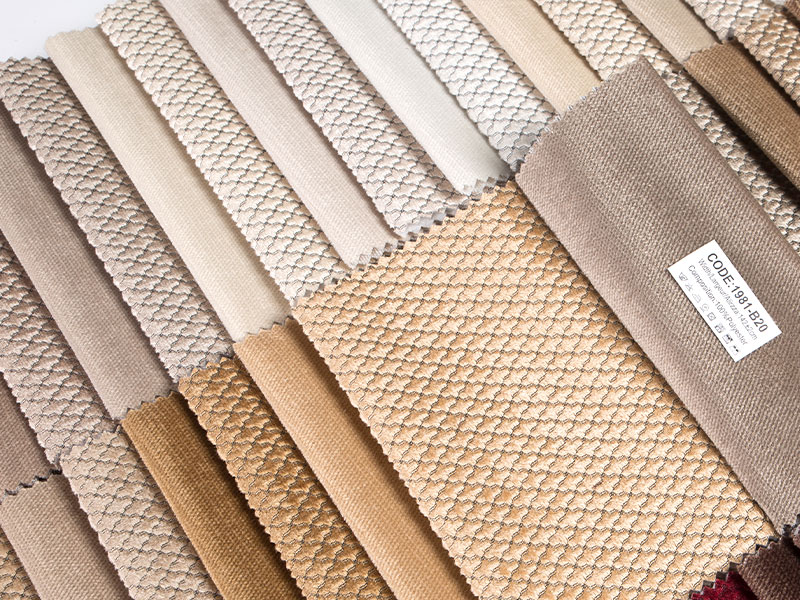
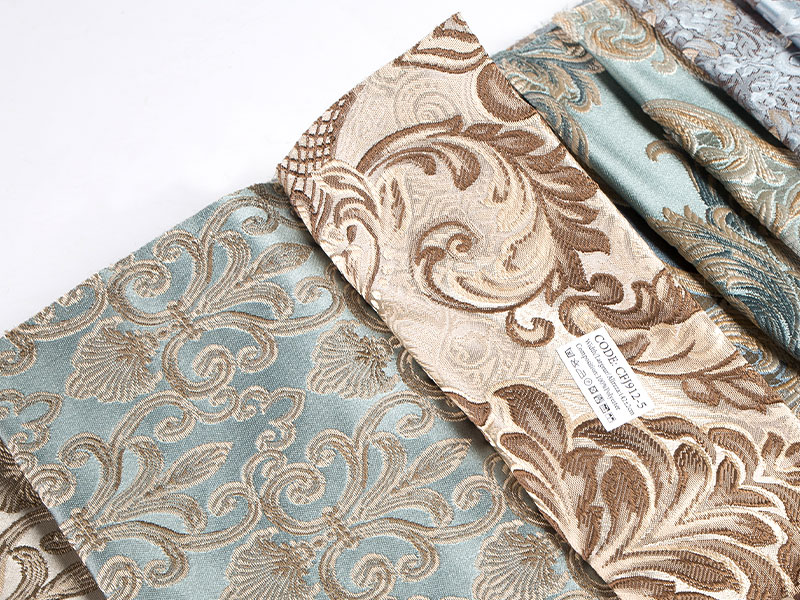
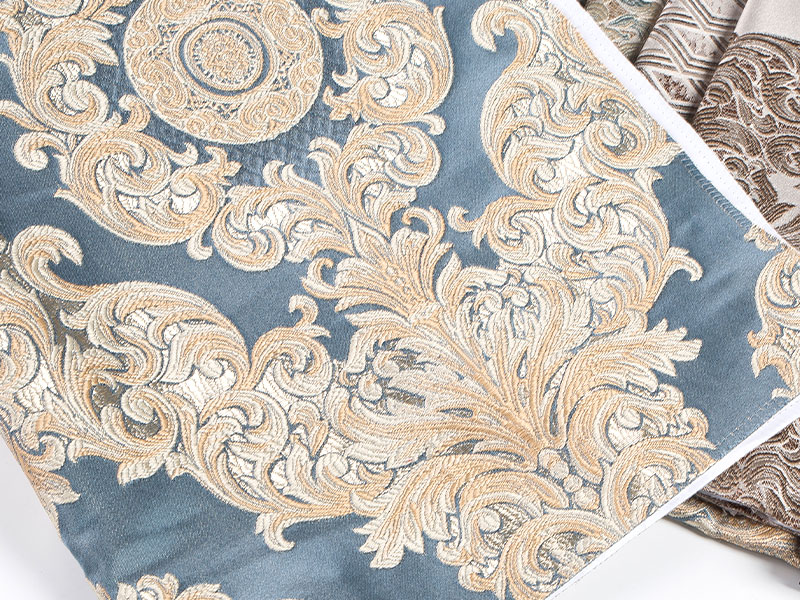
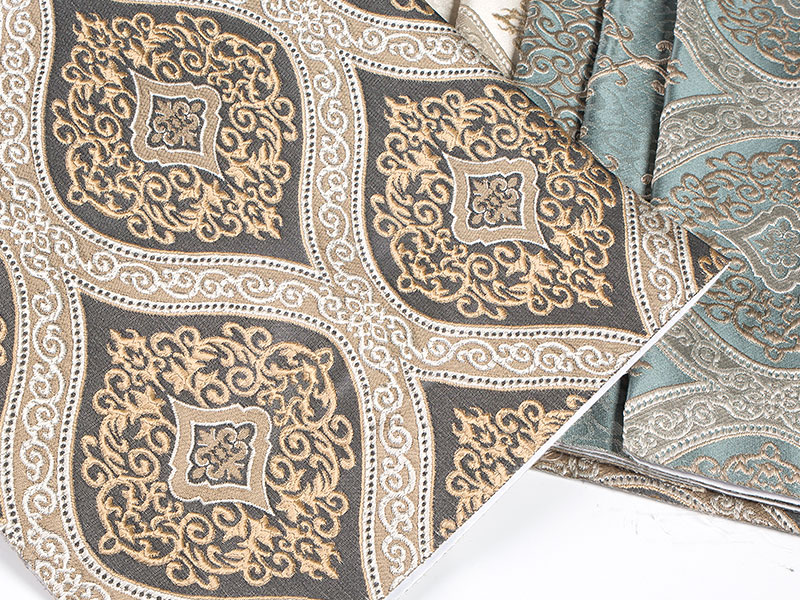
Jacquard fleece fabric is a type of knit fleece that features a woven-in pattern created directly during the knitting process, rather than printed or embroidered on afterward. The pattern is formed by using a jacquard knitting machine, which selectively raises and lowers individual needles to create intricate designs, textures, and even color variations within the fabric structure itself. This is a key difference from standard fleece, which typically has a flat, uniform surface with any pattern added through a secondary printing step. Because the design in jacquard fleece is built into the knit structure, it tends to be more durable, resistant to fading, and adds a slightly raised or textured feel that plain printed fleece simply cannot replicate.
This fabric has become a popular choice in apparel, loungewear, blankets, and even automotive interior textiles, largely because it combines the softness and warmth of traditional fleece with a more premium, textured appearance. Brands looking to differentiate their products often turn to jacquard fleece as a way to add visual interest without sacrificing the comfort fleece is known for.
How Jacquard Fleece Fabric Is Manufactured
Understanding the manufacturing process helps explain why behaves differently from other knit fabrics in terms of texture, weight, and durability.
Jacquard Knitting
The base fabric is knitted on a jacquard circular or flatbed knitting machine, where computer-controlled needles form the pattern by varying stitch types and yarn placement. This allows for complex geometric, floral, or brand-specific designs to be built directly into the fabric.
Brushing and Napping
After knitting, the fabric typically goes through a brushing process where fine wire brushes lift fibers from the surface, creating the soft, fuzzy texture associated with fleece. This step is what gives jacquard fleece its characteristic warmth and plush hand feel.
Finishing and Quality Control
The fabric is then inspected for pattern alignment, color consistency, and pilling resistance before being rolled and prepared for shipment. Any anti-pilling or moisture-wicking treatments are typically applied at this stage as well.
Common Applications for Jacquard Fleece Fabric
Jacquard fleece fabric is used across a wide range of products, largely because of its versatility in both function and appearance.
- Loungewear and casual apparel, including hoodies, joggers, and pajama sets.
- Throw blankets and home textiles that benefit from added texture and visual appeal.
- Outdoor and athletic wear where warmth and breathability are both required.
- Automotive seat covers and interior linings that need durable, pattern-rich textiles.
- Children's clothing and accessories, where soft texture and fun patterns are especially valued.
Comparing Jacquard Fleece to Other Common Fleece Types
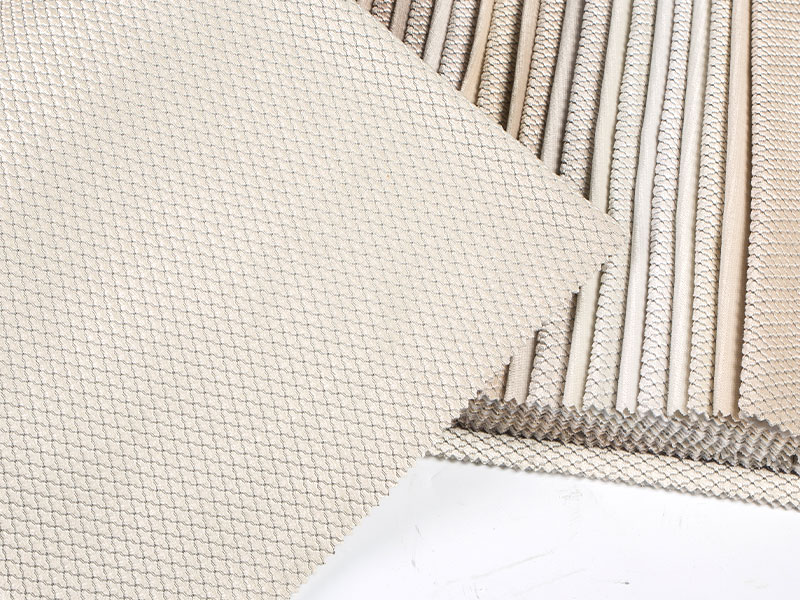
Buyers and designers often compare jacquard fleece against other popular fleece varieties to determine which best fits their product needs. The table below highlights the main differences.
| Fleece Type | Pattern Method | Texture | Best Use |
| Jacquard Fleece | Knitted-in pattern | Textured, slightly raised design | Premium apparel, blankets |
| Printed Fleece | Surface printing | Flat, smooth surface | Budget-friendly apparel |
| Polar Fleece | None, solid color | Thick, plain texture | Basic jackets, blankets |
| Sherpa Fleece | None, textured pile | Curly, wool-like texture | Linings, cold-weather wear |
What to Look for When Sourcing Jacquard Fleece Fabric
Whether you're a designer, brand owner, or manufacturer, choosing the right jacquard fleece supplier requires evaluating a few critical quality factors before placing a bulk order.
- Fabric weight (GSM), which affects warmth, drape, and suitability for different seasons.
- Fiber content, since blends of polyester and cotton offer different softness, breathability, and shrinkage characteristics.
- Pilling resistance, which impacts how the fabric holds up after repeated washing and wear.
- Colorfastness, particularly important for jacquard designs with multiple colors woven into the pattern.
- Minimum order quantities and lead times, especially for custom jacquard patterns requiring unique machine setups.
Caring for Jacquard Fleece Fabric to Maintain Its Quality
Proper care extends the life of jacquard fleece products and helps preserve both the softness and the clarity of the woven pattern over time. Machine washing in cold water on a gentle cycle is generally recommended, along with avoiding fabric softeners, which can coat the fibers and reduce the fabric's natural loft over time. Tumble drying on low heat or air drying helps prevent excessive shrinkage and keeps the brushed surface from matting down. For garments and blankets that see frequent use, turning the item inside out before washing can help reduce surface pilling and keep the jacquard pattern looking sharp for longer.
Final Thoughts on Jacquard Fleece Fabric
Jacquard fleece fabric offers a unique combination of comfort, durability, and visual appeal that has made it a go-to choice for apparel brands, home textile companies, and even automotive interior manufacturers. By understanding how this fabric is made, where it performs best, and what quality factors matter most when sourcing it, buyers and designers can make more informed decisions that lead to better-performing, longer-lasting products. Whether you're developing a new loungewear line or looking for a premium throw blanket fabric, jacquard fleece remains one of the most versatile textile options available today.