Language
  English
 中文简体
中文简体 عربى
عربى
Content
- 1 What Makes Velvet Sofa Fabric Different from Other Upholstery Materials
- 2 Types of Velvet Upholstery Fabric: Which One Is Right for Your Sofa
- 3 Velvet Sofa Fabric Durability: What the Numbers Actually Mean
- 4 Choosing Velvet Sofa Fabric Colors: What to Know About Pile Direction and Light
- 5 Performance Velvet for Sofas: Is It Worth the Extra Cost?
- 6 How to Clean and Maintain Velvet Sofa Upholstery
- 7 Velvet Sofa Fabric and Pets: What You Need to Know Before Committing
- 8 Interior Design Styles That Work Best with Velvet Sofa Upholstery
- 9 What to Check Before Buying a Velvet Fabric Sofa or Ordering Velvet by the Meter
What Makes Velvet Sofa Fabric Different from Other Upholstery Materials
Velvet sofa fabric is defined by its distinctive pile construction — a dense surface of cut fibers that stand upright and create the characteristic soft, light-reflecting sheen that no other upholstery material quite replicates. Unlike woven flat fabrics where the texture comes from the interlacing of yarns, velvet is produced by weaving two layers of fabric face-to-face with pile yarns connecting them, then cutting through the middle to create two separate pieces of pile fabric. This construction is what gives velvet upholstery its signature depth of color, directional light play, and tactile softness.
The practical behavior of velvet sofa upholstery is as distinctive as its appearance. The pile direction affects how the fabric reads from different angles — running your hand against the pile creates a lighter, almost metallic flash of color, while stroking with the pile deepens and saturates the tone. This directional quality is what makes a velvet sofa look so rich and dimensional in a room. It also means that marks, indentations, and pet hair show more clearly on velvet than on flat-weave fabrics, which is one of the most important practical considerations for buyers choosing velvet fabric for sofas in busy households.
Types of Velvet Upholstery Fabric: Which One Is Right for Your Sofa
Not all velvet sofa fabrics are made from the same materials or constructed in the same way. The fiber content and weave technique affect everything from softness and durability to how the fabric ages, cleans, and holds its appearance. Understanding the main types helps you match the right velvet to your actual lifestyle needs.
Cotton Velvet
Cotton velvet is the traditional velvet sofa fabric — the material that velvet upholstery was made from before synthetic alternatives became widely available. It has a natural matte-to-satin finish, excellent breathability, and a soft, full pile that drapes and ages beautifully. Cotton velvet develops a characteristic lived-in patina over time as the pile flattens with use, which many people find adds character rather than detracting from the fabric's appearance. The main limitations of cotton velvet for sofa use are its susceptibility to watermarking and staining — liquids can leave visible tide marks on cotton velvet that are difficult to remove without professional cleaning — and its tendency to crush permanently in high-use seating areas.
Polyester Velvet
Polyester velvet upholstery fabric has largely become the dominant material in modern velvet sofas at mid-market and mass-market price points. It is significantly more stain-resistant than cotton velvet, holds its pile resilience better over time, and is generally easier to clean with damp-cloth spot treatment. Polyester pile also tends to have a brighter, higher sheen than cotton — which reads as more glamorous and contemporary in some interiors but can look slightly synthetic or plastic in others depending on the pile density and weave quality. High-quality polyester velvet with a dense, closely packed pile is difficult to distinguish from cotton velvet at a glance and offers a strong combination of appearance and practicality for family use.
Velvet Fabric Blends (Polyester-Cotton and Polyester-Viscose)
Blended velvet sofa fabrics combine the best properties of two fiber types to produce a material that performs better than either component alone. Polyester-cotton blends retain the natural softness and breathability of cotton while gaining the stain and crush resistance of polyester. Polyester-viscose blends add a silkier drape and slightly elevated sheen to polyester's durability, creating a velvet that looks more luxurious than standard polyester at a more accessible price than pure silk or high-grade cotton. Most premium retail sofas sold under "velvet" descriptions use blended fabrics rather than pure fiber content, so checking the fiber composition label rather than assuming a single-fiber content is always worth doing.
Crushed and Embossed Velvet
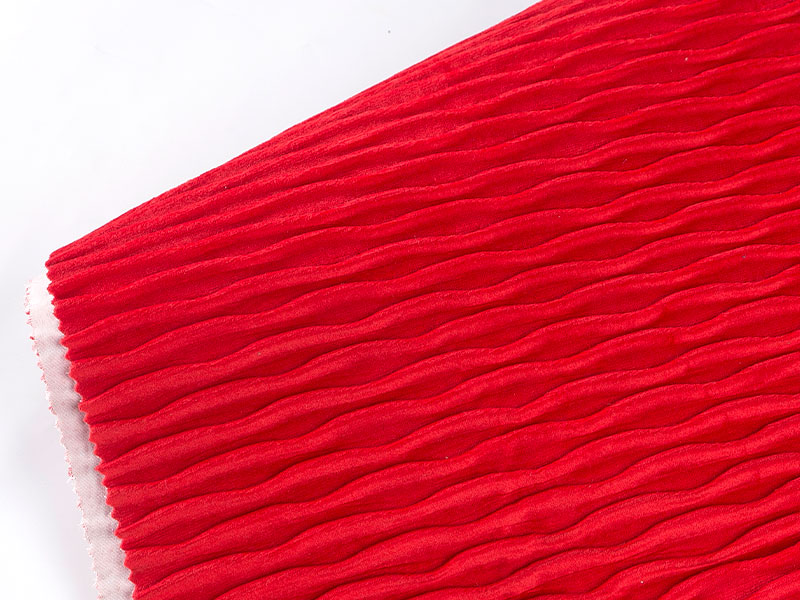
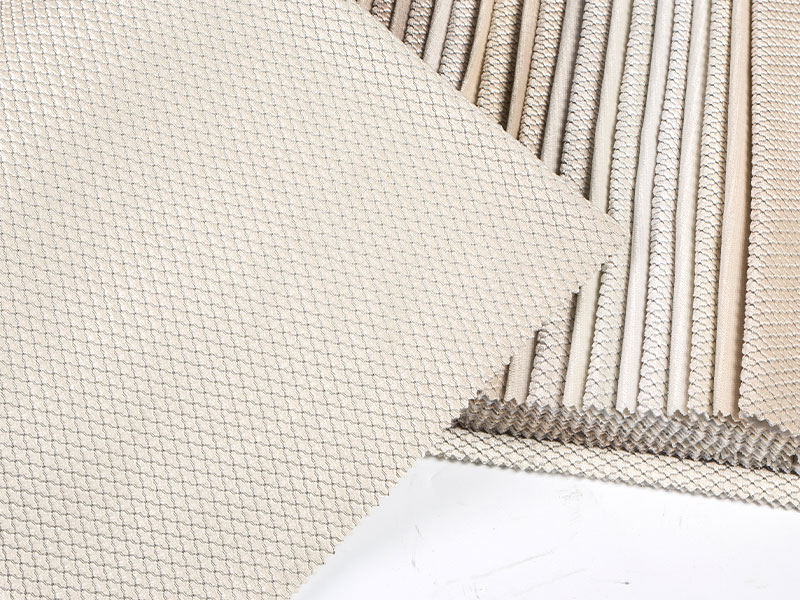
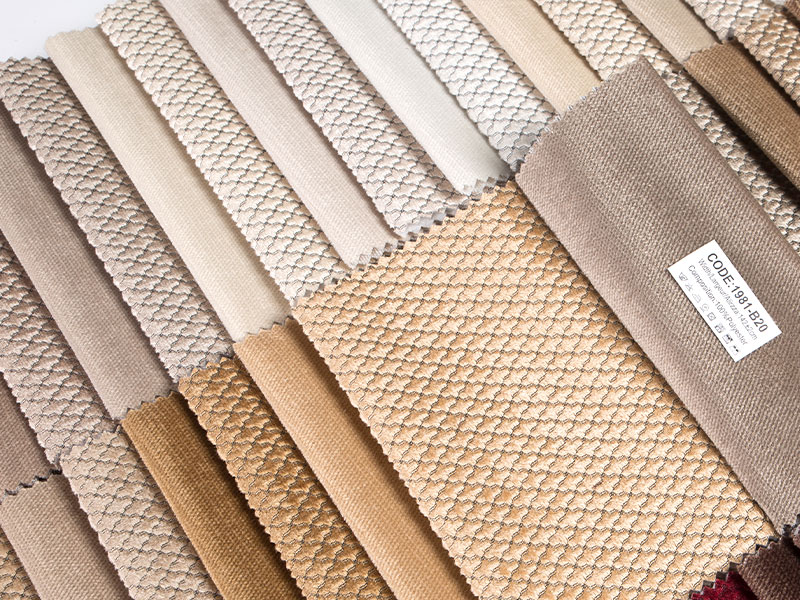
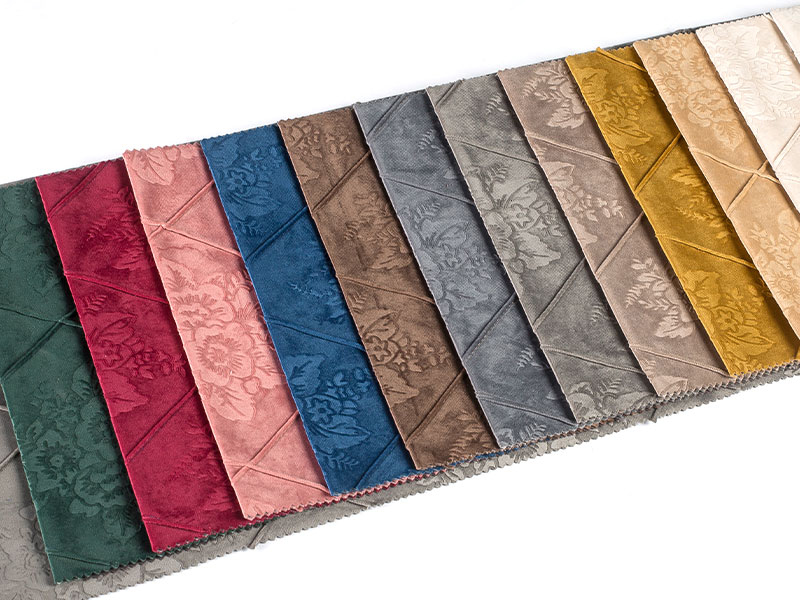
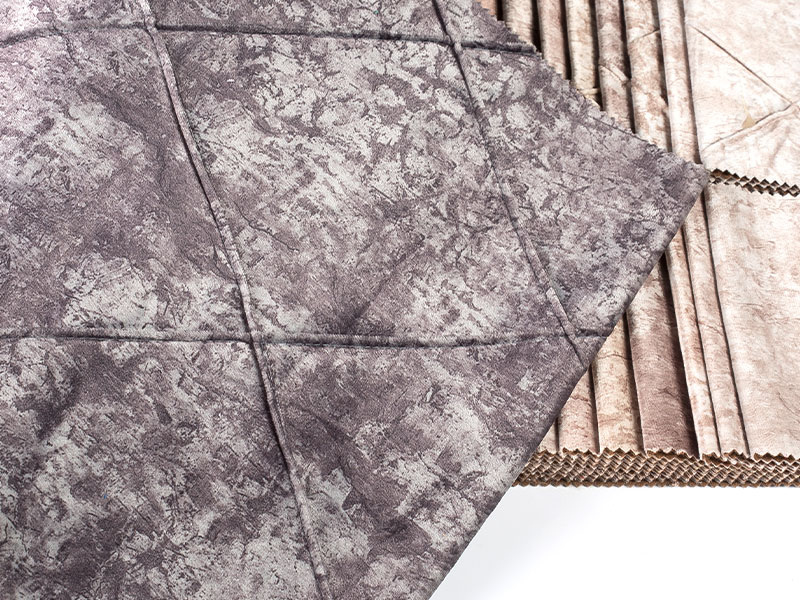
Crushed velvet is processed after weaving to intentionally flatten the pile in multiple directions, creating a random, multi-directional light reflection pattern that is more forgiving of everyday marks and contact than conventional directional pile velvet. Crushed velvet sofa fabric tends to show sitting and handling impressions less obviously than standard velvet because the irregular pile direction means there is no single "correct" pile orientation to disturb. Embossed velvet takes this further by pressing a pattern — geometric shapes, florals, or abstract textures — into the pile surface using a heated roller, creating a permanent relief design that adds visual interest and further reduces the visibility of everyday contact marks.
Velvet Sofa Fabric Durability: What the Numbers Actually Mean
Durability in sofa upholstery fabric is measured by the Martindale rub test — a standard abrasion test where a standardized wool cloth is rubbed against the fabric in a figure-eight motion until the fabric shows visible wear or pilling. The result is expressed as a number of cycles, and higher numbers indicate greater durability. For velvet sofa upholstery, the Martindale rating is particularly important because the pile construction makes velvet inherently more susceptible to abrasion than flat-weave fabrics of equivalent fiber content.
| Martindale Rating | Suitability | Typical Use Case |
| Under 15,000 | Decorative only | Cushions, occasional chairs with light use |
| 15,000–25,000 | Light domestic use | Adult-only households with moderate sofa use |
| 25,000–40,000 | General domestic use | Family homes with children; daily sofa use |
| 40,000–100,000 | Heavy domestic / light commercial | Homes with pets; rental properties; boutique hospitality |
| 100,000+ | Heavy commercial | Hotels, waiting rooms, high-traffic commercial seating |
For most family homes, velvet sofa fabric with a Martindale rating of at least 30,000 rubs is a sensible baseline. Households with pets — particularly dogs and cats whose claws create concentrated point loads on the pile — should look for ratings of 40,000 or higher and consider performance velvet fabrics specifically engineered for scratch and claw resistance. It is worth noting that Martindale ratings measure abrasion resistance, not stain resistance or pile crush recovery — these are separate performance characteristics that require separate evaluation.
Choosing Velvet Sofa Fabric Colors: What to Know About Pile Direction and Light
Color selection in velvet upholstery fabric involves a dimension that flat fabrics don't have — pile direction. Because velvet reflects light differently depending on the angle of the pile, the same fabric can appear to be two different shades depending on viewing direction and light source. This is beautiful and dynamic when it's intentional and well understood, but it's the source of significant frustration when buyers receive a sofa that looks visibly different from the fabric sample they approved.
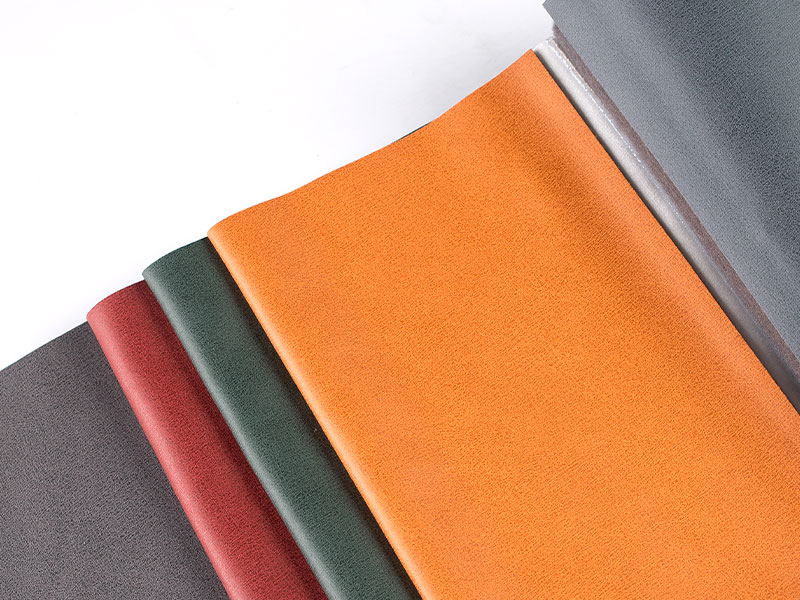
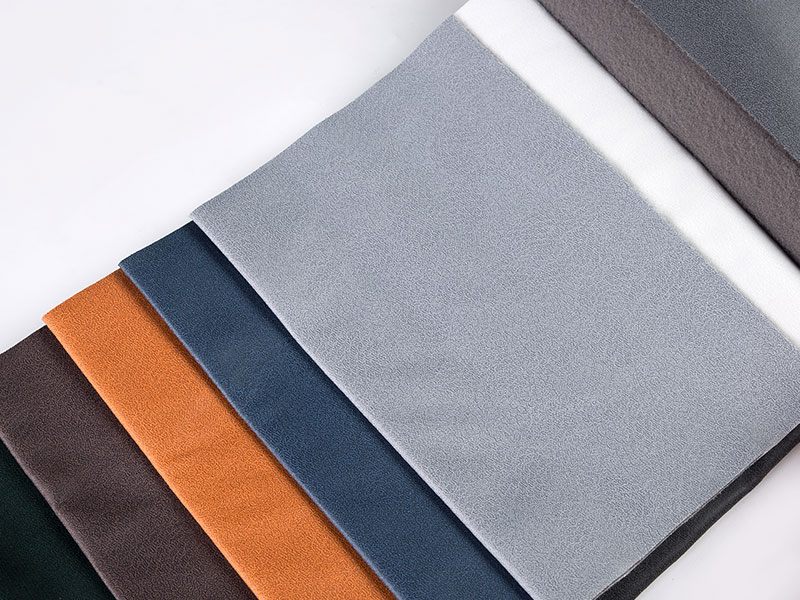
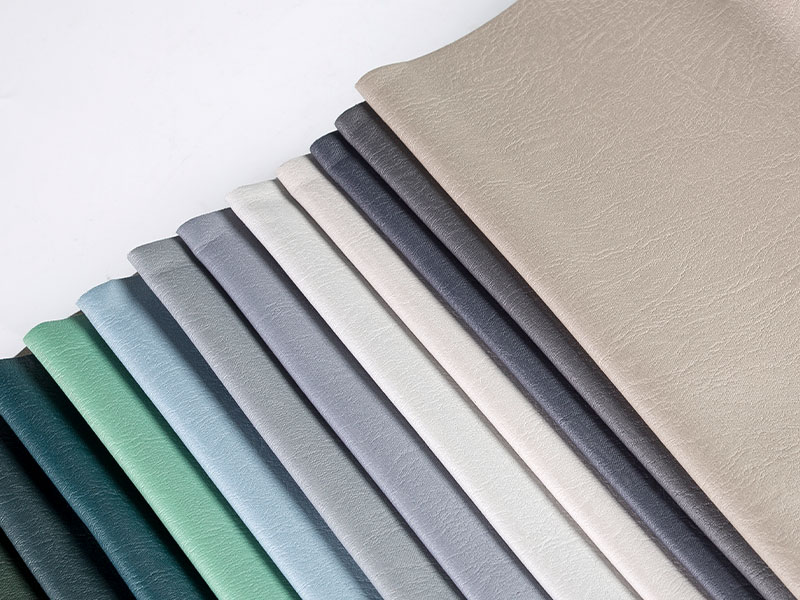
When ordering velvet sofa upholstery, always view the sample in natural daylight and artificial lighting at the angles you'll actually see the sofa from in your room — seated level looking across it, and standing level looking down at it. Fabrics that look similar under the controlled lighting of a showroom can read very differently once installed in your home's specific light conditions. Deep jewel tones — emerald green, sapphire blue, burgundy, and forest teal — are particularly popular in velvet sofa fabric because the pile amplifies the depth and richness of these colors in a way that flat fabrics cannot match. Pale and neutral velvet sofa colors — dove gray, blush pink, and warm cream — deliver a more understated, versatile aesthetic but show everyday marks and sitting impressions more readily than darker shades.
Performance Velvet for Sofas: Is It Worth the Extra Cost?
Performance velvet — also sold under brand names like Crypton Velvet, Sunbrella Velvet, and various manufacturers' proprietary performance fabric designations — is a category of velvet sofa fabric that has been engineered or treated to deliver significantly better resistance to stains, moisture, and microbial growth than standard velvet upholstery. The performance characteristics are typically achieved through one of two approaches: either the fiber itself is treated at the yarn level before weaving, or the finished fabric is treated with a surface chemistry that causes liquids to bead rather than absorb into the pile.
For households with young children, pets, or people who regularly eat and drink on the sofa, performance velvet fabric resolves the single biggest practical objection to velvet as a sofa covering — the fear that the first spill will leave a permanent mark. A liquid spilled on quality performance velvet typically beads on the surface and can be blotted away with a clean cloth before it penetrates the pile. This is a fundamentally different behavior from standard velvet, where liquid absorption is almost instantaneous and watermarks are difficult to remove without professional intervention. The price premium for performance velvet over standard velvet is typically 20–40% on a comparable fabric weight and quality, and for most active households it represents a sensible trade-off against the risk of premature fabric replacement or the ongoing cost of professional cleaning.
How to Clean and Maintain Velvet Sofa Upholstery
Velvet sofa fabric requires a specific approach to cleaning and maintenance that differs from how most people instinctively handle fabric spills and marks. Using the wrong cleaning method on velvet — rubbing a wet cloth across the pile, soaking a stain with water, or applying standard fabric cleaner without checking compatibility — can permanently flatten the pile, create visible tide marks, and damage the fabric beyond home remedy. Following the correct approach protects the fabric and keeps it looking its best over the long term.
- Regular brushing: Use a soft-bristle upholstery brush or a velvet-specific fabric brush to gently brush the pile in one direction — with the pile, not against it — on a weekly basis. This lifts flattened areas, removes surface dust, and prevents the pile from becoming permanently crushed in high-contact seating zones. Steam brushing with a fabric steamer held a few centimeters from the surface restores severely crushed pile by relaxing the fibers back to their upright position.
- Dealing with spills immediately: Blot — never rub — liquid spills with a clean, dry white cloth as soon as they occur. Pressing down firmly and lifting straight up removes liquid from the pile without spreading the stain. Work from the outside edge of the spill toward the center to prevent the stain spreading further. Once you have blotted as much liquid as possible, allow the fabric to dry completely before assessing whether any residual mark remains.
- Spot cleaning dry residue: For dried food or other solid residues, allow the material to dry completely and then gently scrape away the surface residue with a blunt edge before attempting any liquid cleaning. Attempting to clean a wet food stain by rubbing embeds it deeper into the pile and is far more difficult to reverse than treating the dried residue carefully.
- Checking care labels before applying any cleaner: Velvet sofas carry upholstery cleaning codes on their care labels — W (water-based cleaning), S (solvent-based cleaner only), WS (either), or X (vacuum only, no liquids). Always check the code before applying any cleaning product. Using a water-based cleaner on an S-coded velvet fabric, or a solvent cleaner on a W-coded fabric, can cause permanent damage to both the pile and the backing.
- Professional cleaning for deep stains: Significant stains — red wine, oil, ink — that don't respond to immediate blotting on standard velvet sofa fabric should be referred to a professional upholstery cleaner with velvet-specific experience rather than escalating to stronger home cleaning products. The cost of professional spot treatment is almost always far less than the cost of reupholstering or replacing a sofa damaged by inappropriate home cleaning attempts.
Velvet Sofa Fabric and Pets: What You Need to Know Before Committing
The question of whether velvet sofa fabric and pets are compatible is one of the most frequently asked by buyers considering a velvet sofa. The honest answer is nuanced: velvet and pets can coexist successfully with the right fabric choice and realistic expectations, but standard velvet is one of the most challenging sofa materials to manage in a home with dogs or cats, and buyers need to understand specifically why before making a decision.
Pet hair adheres readily to velvet pile — more so than to smooth leather or tightly woven fabrics — because the upright pile fibers physically trap hair that settles onto the surface. The good news is that pet hair on velvet is generally removable: a rubber brush, velvet lint roller, or damp rubber glove dragged across the pile in one direction picks up pet hair effectively. The more significant concern with cats specifically is claw damage — a cat that scratches the sofa will snag and pull the pile yarns, creating pulls and bare patches that cannot be repaired. If you have cats that scratch furniture, the combination of very high Martindale-rated performance velvet, scratch deterrent sprays, and dedicated scratching posts is the minimum mitigation strategy; realistically, a smooth-surface fabric like leather or tightly woven microfiber presents a lower ongoing risk.
Interior Design Styles That Work Best with Velvet Sofa Upholstery
Velvet upholstery fabric is unusually versatile across design styles — it has strong historical associations with classic and opulent interiors but adapts equally well to contemporary, mid-century, and maximalist schemes when used with the right colors, textures, and supporting furniture. Understanding which design directions velvet sofa fabric suits best helps clarify which color and pile type to choose for a cohesive result.
- Contemporary and modern interiors: Neutral velvet sofas — charcoal, warm gray, dusty olive, or deep navy — in clean-lined silhouettes with low arms and minimal detailing work exceptionally well in contemporary rooms. The texture of the velvet adds warmth and tactile interest without decorative complexity, balancing the simplicity of a modern interior scheme without compromising it.
- Mid-century modern: Velvet was a staple of 1950s and 1960s interior design, and it remains one of the most authentic fabric choices for mid-century inspired rooms. Mustard yellow, burnt orange, avocado green, and warm teal in velvet sofa upholstery — particularly on curved, low-profile silhouettes — are among the most successful mid-century material and color combinations available.
- Maximalist and eclectic interiors: Rich jewel-toned velvet sofas — emerald, sapphire, magenta, or deep burgundy — are a natural anchor for maximalist rooms that layer pattern, color, and texture. The reflective quality of the velvet pile adds visual movement to a room that needs a focal point capable of holding its own among competing decorative elements.
- Traditional and classic interiors: Deep jewel tones or sophisticated neutrals in velvet on traditional rolled-arm and Chesterfield-style sofa silhouettes are the defining combination of classic British and European interior design. Tufting on a velvet surface creates geometric light-and-shadow patterns that showcase the pile's directional reflectivity beautifully and are one of the most enduring upholstery techniques in traditional furniture design.
What to Check Before Buying a Velvet Fabric Sofa or Ordering Velvet by the Meter
Whether you're purchasing a ready-made velvet sofa or ordering velvet upholstery fabric to reupholster an existing piece, there are several practical checks that prevent the most common buying mistakes and ensure the fabric performs as expected in your specific situation.
- Always request a physical fabric sample: Velvet appears very differently on screen than it does in real life and under your home's specific lighting. Always order a sample swatch and live with it in your room for at least 24 hours across different times of day and lighting conditions before committing to a full sofa or fabric order.
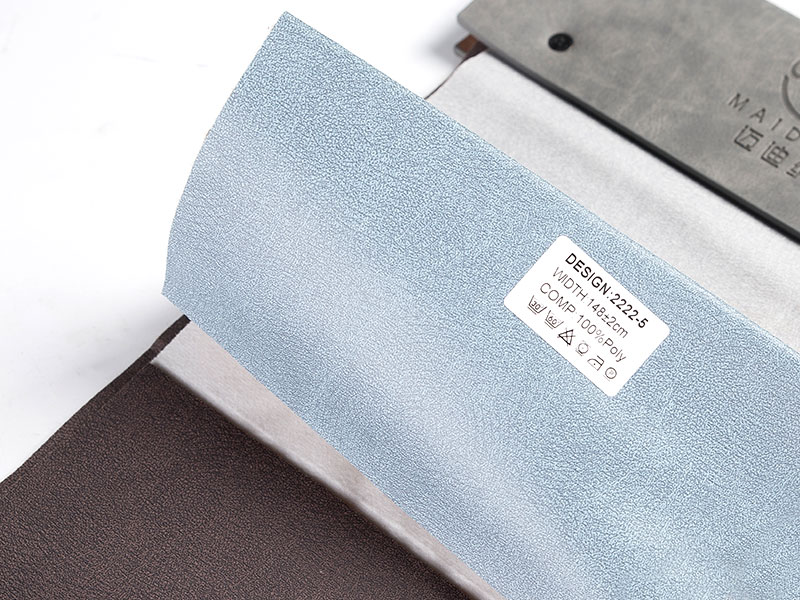
- Confirm the fiber composition and Martindale rating: Ask specifically for both pieces of information in writing. The fiber content determines cleaning compatibility and how the fabric ages; the Martindale rating determines whether the fabric is appropriate for your household's actual level of use.
- Check pile direction consistency for multi-panel upholstery: When ordering velvet by the meter for reupholstery, confirm with the upholsterer that all cut panels will be laid with the pile running in the same direction. A velvet sofa where different panels have been cut in opposing pile directions will show visible color differences between panels under directional light — this is an irreversible error once the upholstery is completed.
- Ask about the return and care policy for finished sofas: Velvet sofas delivered with transit crushing or pile disturbance from packaging are common. Confirm the supplier's process for addressing fabric condition issues at delivery before purchase, and understand whether steam restoration of transit-compressed pile is included in the delivery service or is your responsibility.
- Consider the frame and cushion filling alongside the fabric: A high-quality velvet upholstery fabric on a poorly constructed frame or low-density foam cushions will underperform and age badly regardless of the fabric's own quality. The combination of fabric, frame, and cushion specification together determines how a velvet sofa looks and feels after five years of use — not the fabric alone.