Language
  English
 中文简体
中文简体 عربى
عربى
Content
- 1 What Embossed Velvet Fabric Is and How It Differs from Plain Velvet
- 2 How the Embossing Process Actually Works
- 3 Fiber Base Options and What Each Delivers
- 4 Pattern Types and Design Styles in Embossed Velvet
- 5 Applications in Interior Design and Upholstery
- 6 Applications in Fashion and Accessories
- 7 How to Care for Embossed Velvet Fabric
- 8 What to Check Before Buying Embossed Velvet Fabric
What Embossed Velvet Fabric Is and How It Differs from Plain Velvet
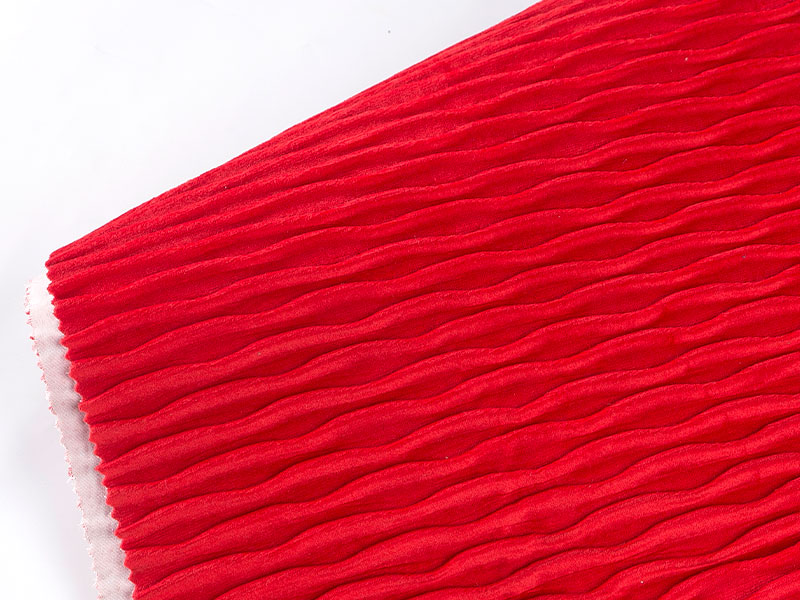
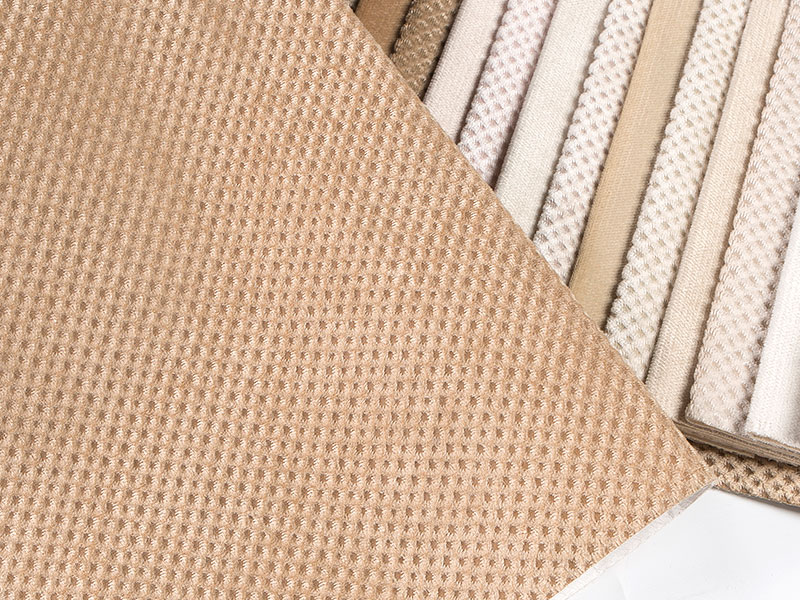
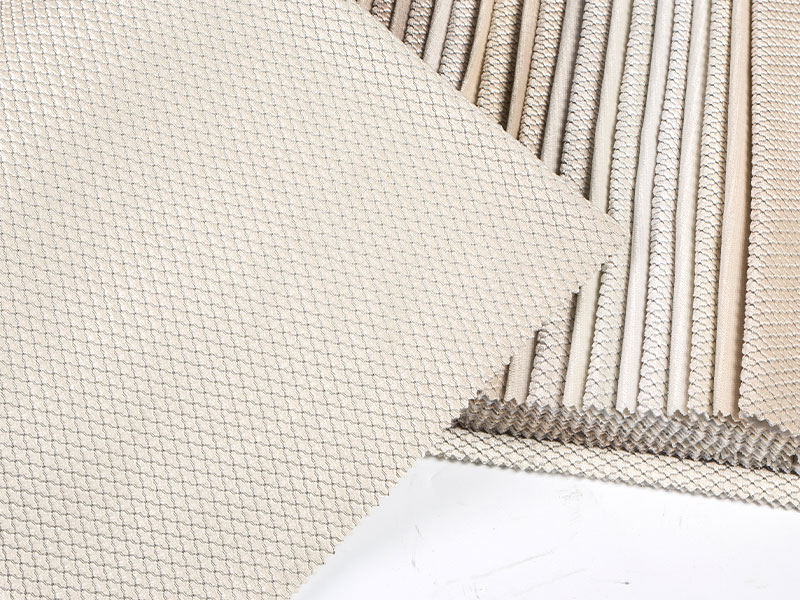
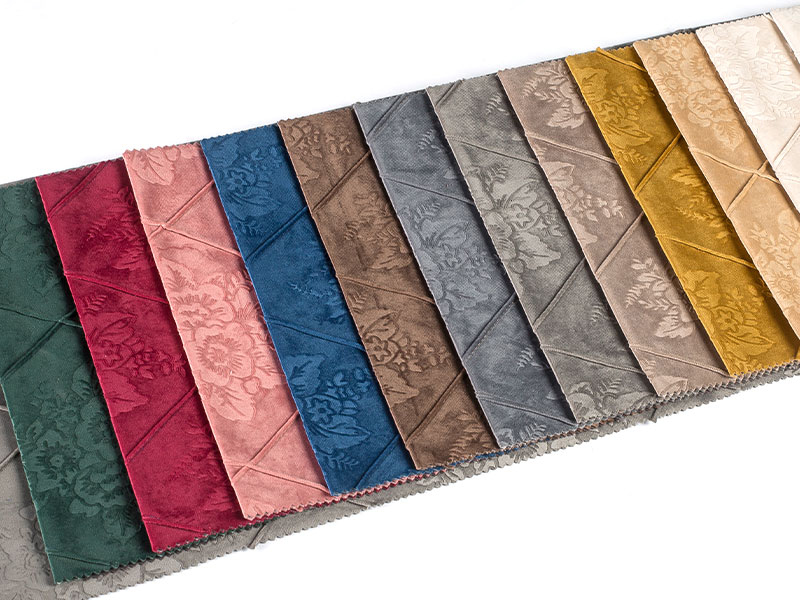
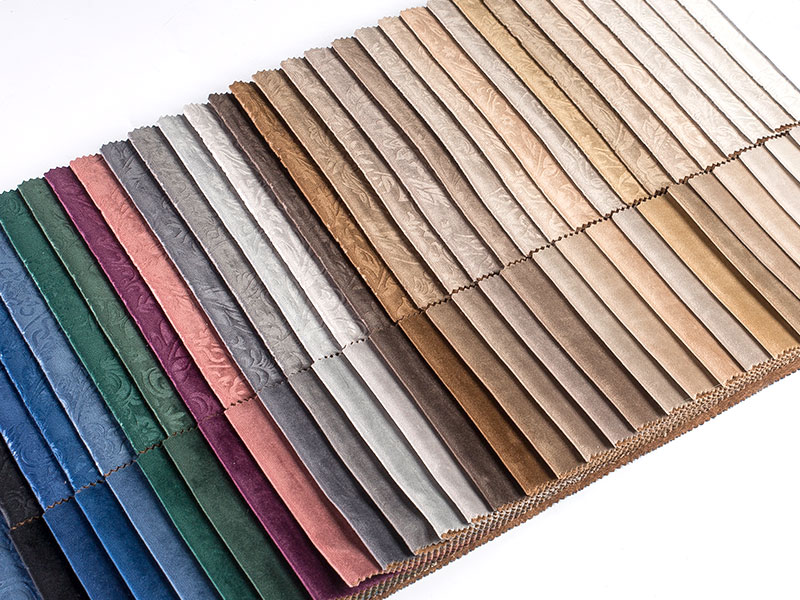
Embossed velvet fabric is a textured velvet in which a pattern — floral, geometric, damask, abstract, or pictorial — has been permanently pressed into the pile surface using heat, pressure, and engraved rollers. The result is a fabric that retains all the softness and visual depth of plain velvet while carrying a three-dimensional relief design that changes in appearance depending on the viewing angle and light direction. Where plain velvet shows a uniform pile surface, embossed velvet shows alternating compressed and uncompressed pile zones that create contrast, texture, and the impression of shadow and depth across the fabric face.
The light-interaction effect is one of the defining qualities of a well-embossed velvet. The compressed pile areas reflect light differently than the uncompressed zones — typically appearing darker and more matte where the pile is flattened, and lighter and more reflective where the full pile height is retained. This produces a characteristic shimmering, almost iridescent quality that shifts as the fabric moves or as the viewer's angle changes. In rich jewel tones — deep emerald, royal burgundy, navy, and sapphire — this effect is particularly striking and is a primary reason embossed velvet fabric remains strongly associated with luxury interior design and formal fashion.
Embossing is distinct from other velvet surface treatments. Crushed velvet achieves a randomized multidirectional pile through twisting or pressing during manufacture; burnout (devore) velvet uses a chemical process to selectively dissolve pile fibers and create sheer pattern areas; and printed velvet applies color to the pile surface without altering pile height. Embossed velvet achieves its pattern through controlled mechanical pile compression, producing a relief effect that is tactile — you can feel the pattern as clearly as you can see it.
How the Embossing Process Actually Works
The embossing of velvet is a precision manufacturing process that requires both technical control and the right base fabric. The technique has been practiced in some form since at least the 16th century, but modern industrial embossing uses computer-controlled heated roller systems that produce consistent, fine-detail patterns at production scale.
Heat Embossing with Engraved Rollers
The dominant commercial embossing method passes the velvet fabric through a pair of rollers under controlled heat and pressure. The top roller is an engraved metal cylinder with the pattern cut or etched into its surface in precise relief. The bottom roller is typically a softer backing surface — rubber or felt — that allows the pile to be compressed into the engraved pattern without cutting or damaging the backing structure of the fabric. As the fabric passes through the nip between the rollers, the heat softens the pile fibers and the pressure compresses them into the pattern of the engraved roller. When the fabric exits the rollers and cools, the pile fibers retain the compressed shape, permanently setting the embossed design. The sharpness and depth of the pattern depends on the precision of the engraving, the temperature and pressure applied, the fiber composition of the pile, and the pile height of the base velvet.
Heat-Transfer Embossing Powder Method
A secondary embossing technique uses heat-activated embossing powder applied to specific areas of the fabric surface. The powder, when heated, melts and bonds to the pile fibers in the treated zones, creating raised and textured areas that remain after the excess powder is removed. This method allows for localized, highly detailed pattern work and is used for specialty applications where the roller embossing method cannot achieve the required resolution or where partial-surface embossing on an otherwise plain velvet is desired. The embossing powder method requires careful temperature control — overheating can damage the pile or the backing structure of the velvet, particularly on natural fiber bases.
Why Fiber Composition Determines Embossing Quality
Not all velvet fibers respond to embossing equally. Polyester and viscose pile fibers are thermoplastic — they soften under heat and hold a new shape when cooled — making them excellent candidates for heat embossing with a stable, long-lasting result. Silk velvet is more sensitive to heat and can lose an embossed pattern if subsequently exposed to steam pressing or high-temperature washing, which is why silk-base embossed velvet is treated as a decorative rather than a functional fabric in most applications. Cotton velvet can be embossed but requires higher pressure and careful temperature management to set the pattern without damaging the natural fibers. For applications where the embossed pattern must remain sharp and intact over years of use, polyester-based embossed velvet is the most reliable choice.
Fiber Base Options and What Each Delivers
Embossed velvet is produced on several different fiber bases, and the choice of base material determines the fabric's performance characteristics, aesthetic quality, care requirements, and cost. Understanding these differences is essential for matching the fabric to its intended application.
Polyester Embossed Velvet
Polyester is the dominant fiber base for commercial embossed velvet production. It holds the embossed pattern more durably than any other fiber type because polyester is thermoplastic — the pattern is heat-set permanently into the pile structure. Polyester embossed velvet is resistant to wrinkling, holds color well across the full range of dye shades, and is highly durable against abrasion, making it the practical choice for upholstery applications that will see regular use. Most polyester upholstery velvet achieves 40,000 double rubs or more on the Martindale abrasion test, which classifies it as suitable for heavy-duty domestic and light commercial use. Polyester embossed velvet is the most widely available and most affordable fiber option in the category, and it covers the widest range of pile heights, pile densities, and pattern scales.
Viscose (Rayon) Embossed Velvet
Viscose and rayon velvets produce a deeper, more intense luster than polyester — the semi-synthetic fiber's triangular filament cross-section reflects light with a richness that closely approximates silk at a fraction of the cost. Embossed viscose velvet carries the pattern well and has a particularly luxurious drape that makes it popular in fashion applications — jackets, evening coats, and formal skirts. In upholstery use, viscose embossed velvet is suitable for decorative and low-traffic applications but is more susceptible to crushing in high-contact zones and requires more careful maintenance than polyester alternatives. Viscose velvet should not be machine washed and is sensitive to water spotting if damp.
Polyester-Viscose Blended Embossed Velvet
Blended fiber bases that combine polyester (typically 70–80%) with viscose (20–30%) offer a practical middle ground. The polyester component provides durability, embossing stability, and maintenance ease; the viscose component contributes sheen, drape, and tactile softness that straight polyester cannot match. Polyester-viscose blended embossed velvet is widely used in mid-to-premium interior design applications — sofas, accent chairs, cushions, and drapery — where both visual quality and practical performance are required. It is the specification most frequently encountered in quality commercial interior projects.
Silk Embossed Velvet
Silk velvet has the finest pile and the most complex, naturally shifting luster of any fiber base. Embossed silk velvet is produced for haute couture fashion and the most elevated decorative applications. The fabric's response to light is incomparable — the natural triangular cross-section of silk filaments creates color-shifting depth that synthetic fibers only approximate. However, silk embossed velvet is expensive, requires dry cleaning only, is sensitive to direct sunlight (which causes UV degradation and color loss over time), and is vulnerable to losing the embossed pattern if steam-ironed or exposed to moisture. It is appropriate for decorative cushions, formal garments, and display-quality interior accents, not for furniture that will be used daily.
Cotton Embossed Velvet
Cotton velvet has a matte, organic aesthetic that is distinct from the sheen of synthetic velvets. It breathes better than polyester, takes natural and reactive dyes well, and is hypoallergenic. Embossed cotton velvet is used in fashion applications — structured jackets, coats, and accessories — where its heavier hand and natural appearance are preferred over synthetic alternatives. For upholstery, cotton velvet achieves approximately 15,000 to 25,000 double rubs, making it appropriate for low-to-moderate traffic furniture but not for heavily used seating.
| Fiber Base | Pattern Durability | Sheen Level | Best Application | Care |
|---|---|---|---|---|
| Polyester | Excellent | Moderate to high | Upholstery, home décor | Machine washable (gentle) |
| Viscose / Rayon | Good | High | Fashion, decorative interiors | Dry clean or hand wash |
| Polyester-Viscose Blend | Very good | Medium-high | Upholstery, cushions, drapery | Gentle machine wash or dry clean |
| Silk | Moderate (heat/steam sensitive) | Exceptional | Couture fashion, decorative accents | Dry clean only |
| Cotton | Good | Low (matte) | Fashion, lighter upholstery | Hand wash or gentle dry clean |
Pattern Types and Design Styles in Embossed Velvet
The range of embossed patterns available in commercial velvet production is wide, and pattern selection significantly affects how the fabric reads in its finished application. Choosing a pattern scale and style that works with the proportions of the space or garment it will be used in is as important as choosing the right fiber base.
Floral and Botanical Patterns
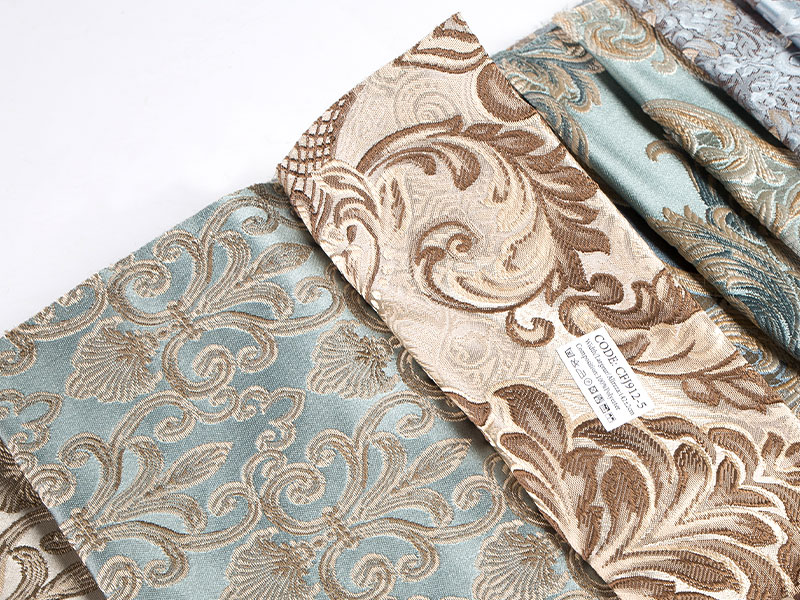
Floral embossed velvet — featuring roses, peonies, leaves, vines, or stylized botanical motifs — is the most historically resonant pattern category and remains the most commercially popular for interior applications. Large-scale floral patterns read as bold, statement-making upholstery on sofas and accent chairs; smaller-scale florals work well on cushions, headboards, and drapery. The interplay between the embossed pattern and the pile's natural light-reflection properties gives botanical motifs a painterly, three-dimensional quality that flat-printed fabrics cannot replicate.
Geometric and Abstract Patterns
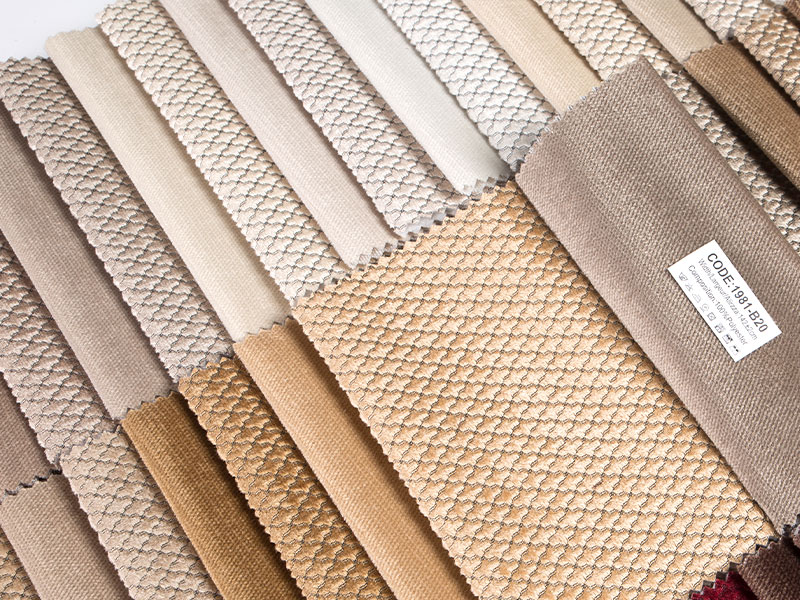
Geometric embossed velvet — diamond grids, hexagons, chevrons, wave patterns, and linear repeats — suits contemporary and transitional interior styles. The precise, regular geometry of these patterns creates a sense of visual order that balances the inherent softness of the velvet pile. Abstract patterns, which include irregular texture effects and organic non-representational motifs, are used when the designer wants the texture and light-play of embossed velvet without a recognizable pattern repeat, giving maximum flexibility in layout and orientation.
Damask and Baroque-Style Patterns
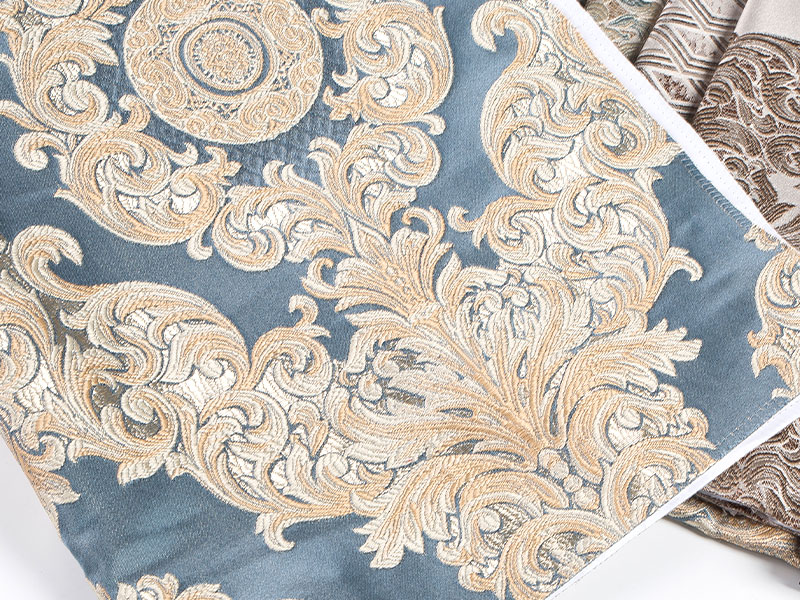
Damask-inspired embossed velvet uses the large-scale, symmetrical, interlocking motif structure of traditional woven damask — scrolls, medallions, palmettes, and acanthus leaves — translated into a pile-relief format. These patterns carry strong associations with classical and formal interior styles, and their typically large repeat scale (often 30 to 60 cm) means they work best on generously proportioned furniture and drapery where the full pattern repeat is visible. Damask-style embossed velvet is a standard fabric specification for luxury hotel lobbies, dining rooms, and formal living spaces.
Animal and Textural Prints
Leopard, zebra, crocodile, and snake-skin-style embossed velvet patterns use the pile compression to simulate the texture of animal surfaces. These are popular in fashion — particularly in bags, shoes, and structured jackets — and in eclectic interior design where texture contrast is a deliberate design intention. The pile-compression technique renders animal patterns with a depth and tactile quality that printed or woven alternatives cannot match, because the texture is physically present in the fabric surface rather than being a visual illusion.
Applications in Interior Design and Upholstery
Embossed velvet upholstery fabric is one of the most specification-friendly fabrics in the interior design toolkit. Its combination of visual richness, tactile engagement, and the way embossed patterns add surface interest without requiring additional pattern coordination with other textiles in the space makes it a go-to choice for designers working across residential, hospitality, and commercial environments.
Sofas and Armchairs
Embossed polyester or polyester-viscose blend velvet is widely used for residential sofa and armchair upholstery. The embossed pattern adds visual complexity that plain velvet lacks while also offering a practical benefit: the pattern disguises minor pile-crush marks that develop in seating areas over time, making the fabric look better longer than plain velvet in high-contact upholstery applications. For hospitality seating — hotel lobby chairs, restaurant banquettes, boutique hotel bedrooms — geometric embossed velvet with anti-stain treatment is a standard specification because it combines the premium aesthetic with the practical performance requirements of commercial environments.
Headboards and Bed Furnishings
Headboards and decorative bed panels are one of the most popular applications for embossed velvet in residential interiors. Because a headboard experiences relatively light abrasion compared to seat cushions, more delicate fiber bases — including viscose blends and even silk in premium projects — are practical choices here. The large, flat surface of a headboard provides an ideal canvas for large-scale floral or damask embossed patterns, and the fabric's characteristic light-shifting quality makes headboards covered in embossed velvet visually arresting focal points in a bedroom.
Cushions, Pillows, and Throws
Decorative cushions in embossed velvet are among the most accessible ways to introduce the fabric into an interior. Cut cushion covers from embossed velvet panels allow the pattern scale and the fabric's light-reflecting properties to be appreciated at close range, making the tactile and visual quality of the embossing directly perceptible to anyone who picks up or handles the cushion. The relatively small yardage required for cushion production also makes higher-end silk or viscose embossed velvet commercially practical for accent use even where it would not be appropriate for full upholstery.
Drapery and Curtains
Embossed velvet drapery delivers both visual weight and acoustic performance — velvet's dense pile structure absorbs sound effectively, and floor-to-ceiling embossed velvet curtains meaningfully reduce echo in large rooms with hard surfaces. The drape and hang of embossed velvet curtains depends heavily on the weight and stiffness of the base fabric. Viscose-blend embossed velvet drapes particularly well and creates the flowing, pooling curtain silhouette associated with formal interiors. When hanging embossed velvet as drapery, the pile direction should be consistent across all panels — pile running in different directions creates obvious light-reflection discrepancies between panels that read as a defect rather than a design intention.
Wall Panels and Acoustic Applications
In both residential and commercial interiors, embossed velvet is used as a wall covering material — applied to MDF or acoustic panel substrate and used to create textured feature walls in bedrooms, home cinemas, private dining rooms, and luxury retail environments. The combination of visual pattern and acoustic absorption makes embossed velvet wall panels a dual-function specification that provides both aesthetic richness and room acoustic improvement. Hotel designers regularly specify embossed velvet wall panels in corridors and guest room entry areas where visual impact and noise attenuation from adjacent rooms are simultaneous design priorities.
Applications in Fashion and Accessories
Embossed velvet has been a fashion textile since the Renaissance and remains a consistent presence in both couture and contemporary ready-to-wear collections. Its applications in fashion are distinct from interior use — the priorities of drape, garment construction, and pattern interaction with the three-dimensional form of the body are different from the flat-surface requirements of upholstery.
- Structured jackets and blazers: Embossed velvet with stiff-to-medium hand works well in tailored outerwear, where the fabric's pile surface and relief pattern add visual complexity to a clean cut. Geometric and floral embossed velvets are popular in evening blazers and formal jackets for both womenswear and menswear.
- Evening gowns and formal wear: Viscose and silk-base embossed velvet provides the combination of drape, sheen, and surface interest required for formal occasion dressing. The pattern reads beautifully in motion, as the pile-compression zones and uncompressed zones catch light differently as the garment moves.
- Skirts and trousers: Embossed velvet cut for skirts and wide-leg trousers takes advantage of the fabric's draping qualities. The pattern scale should be considered against the garment silhouette — very large embossed repeats can become visually confusing in a gathered or pleated skirt, while medium-scale and allover texture patterns are more versatile.
- Bags and footwear: Animal-texture and geometric embossed velvet is popular in premium accessories. The embossed surface adds tactile dimension to bag panels and shoe uppers and creates a premium surface quality distinct from plain or printed alternatives.
- Hats, headbands, and millinery: The stiffness and surface character of embossed velvet makes it suitable for structured hat brims and millinery crown panels, where the pattern adds decorative interest to relatively small surface areas.
How to Care for Embossed Velvet Fabric
The care of embossed velvet depends primarily on the fiber base, but several rules apply across all types — particularly regarding the pile and the embossed pattern, both of which can be permanently damaged by incorrect handling.
General Rules for All Embossed Velvet Types
Never iron embossed velvet face-down on a standard ironing board — the pressure will crush the uncompressed pile zones and permanently destroy the embossed relief pattern. If pressing is required, use a velvet pressing board (a needle board) that supports the pile between its pins rather than flattening it, or hold a steam iron above the surface without contact to relax wrinkles using steam alone. Never rub embossed velvet to clean it — rubbing the pile in a direction against its natural lie permanently crushes the fibers. Always blot liquid spills immediately with a clean cloth, pressing gently straight down rather than wiping.
Polyester Embossed Velvet Care
Most polyester embossed velvet is machine washable on a gentle or delicate cycle in cool water — 30°C maximum — using a mild liquid detergent. Turn the item inside out before washing to protect the pile surface. Do not tumble dry at high heat; reshape and air dry, or tumble on a low-heat setting with the item inside out. Because polyester holds the embossed pattern through heat-setting rather than the pile's mechanical memory alone, machine washing does not remove the embossed design. Confirm the specific fabric's care label before washing, as some pile densities and backing constructions specify dry cleaning even on polyester bases.
Viscose, Silk, and Natural Fiber Embossed Velvet Care
Viscose, silk, and cotton-base embossed velvet should be dry cleaned. Water can cause viscose to shrink, stiffen, or develop water-mark spots that cannot be removed. Silk embossed velvet is additionally vulnerable to steam — steam pressing can cause the heat-set embossed pattern to partially relax, softening the definition of the design. For upholstery in viscose or silk embossed velvet, professional fabric cleaning services that specialize in velvet upholstery are the safest option for periodic deep cleaning. Routine maintenance is limited to gentle vacuuming with a low-suction upholstery attachment, always working in the direction of the pile rather than against it.
What to Check Before Buying Embossed Velvet Fabric
Embossed velvet is available at widely varying quality levels, and the specifications that determine long-term performance are not always apparent from a product image or a short fabric description. The following checklist helps identify quality fabric and avoid the common mistakes that lead to disappointing results in both fashion and interior applications.
- Fiber composition declaration: Request the full fiber content by percentage — both the pile fiber and the backing fiber. A fabric listed as "velvet" without a fiber breakdown could be any combination of polyester, viscose, cotton, or blended content. The fiber composition determines care method, embossing durability, sheen level, and longevity, so it must be confirmed before purchase for any functional application.
- Pile height and density: Higher pile height produces a more visually dramatic embossing effect because the contrast between compressed and uncompressed zones is greater. Denser pile produces a more structured, crisp relief. Request the pile height specification in millimetres and confirm whether the pile density is specified — a looser pile embosses less crisply and recovers more slowly from contact compression.
- Embossing pattern permanence: Ask specifically whether the embossed pattern is heat-set (permanent) or mechanically formed. On polyester-base fabric with a proper heat-set emboss, the pattern will not wash or press out. On some lower-quality products, the embossed pattern is only lightly set and can be partially lost with steam or warm washing.
- Abrasion rating for upholstery applications: For any upholstery use, request the Martindale double-rub count. A minimum of 25,000 double rubs is the industry standard for domestic upholstery; 40,000+ is appropriate for heavy-use domestic seating; 50,000+ for commercial applications. Embossed velvet marketed for upholstery without an abrasion rating should be questioned.
- Fabric width and repeat dimensions: Standard embossed velvet fabric width is typically 140 to 150 cm. Confirm the full pattern repeat dimensions — both vertical and horizontal — before calculating yardage for upholstery or drapery. Large-pattern-repeat embossed velvet requires significantly more fabric per project to match patterns across adjacent panels or cushion faces.
- Stain resistance treatment: Many quality embossed velvet upholstery fabrics are factory-treated with fluorocarbon or other soil-repellent finishes. This treatment significantly improves practical performance in household settings and is worth confirming if the fabric will be used on frequently touched furniture. The treatment can also be applied after purchase as an aftermarket protective spray.
- Request a physical sample before ordering full yardage: Embossed velvet's appearance changes significantly with light direction, ambient lighting color temperature, and viewing distance. A product image on a monitor does not reliably represent how the fabric will look in a specific room or under specific lighting. Always obtain a physical sample — large enough to see at least one full pattern repeat — before committing to a full order, particularly for large upholstery or drapery projects.