Language
  English
 中文简体
中文简体 عربى
عربى
Content
- 1 Why Couch Fabric Choice Matters More Than Most People Realize
- 2 The Most Common Couch Fabric Types and Their Real-World Performance
- 3 Understanding Fabric Durability Ratings: The Rub Count Explained
- 4 Best Couch Fabric Options for Specific Household Situations
- 5 How to Clean Different Types of Couch Fabric Without Causing Damage
- 6 Choosing Couch Fabric for Reupholstery: What's Different from Buying New
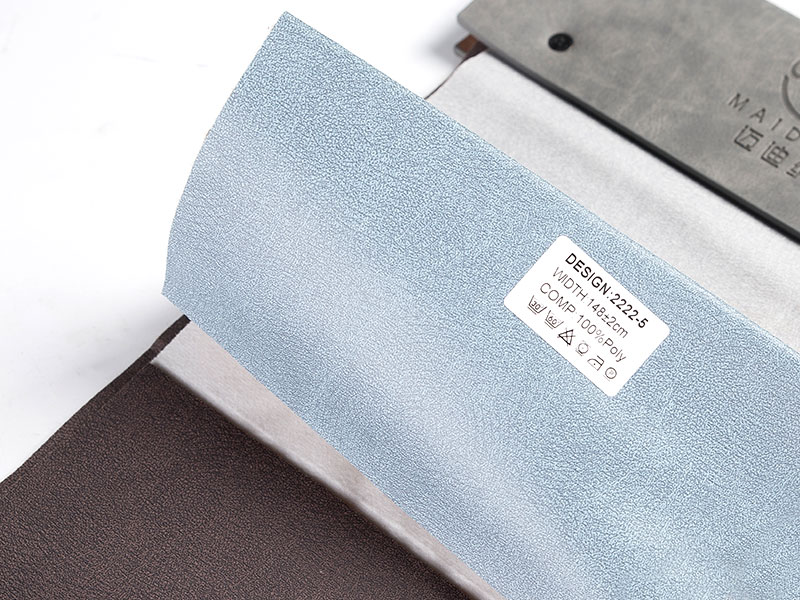
- 7 What the Fabric Specification Tag Should Tell You Before You Buy
Why Couch Fabric Choice Matters More Than Most People Realize
Most people spend more time choosing the color of a couch than they do evaluating the fabric it's made from — and that's usually where the regret starts. A sofa might look perfect in the showroom, but if the upholstery fabric isn't suited to how the household actually uses it, the problems show up fast: pilling after a few months of regular use, stains that won't come out, fabric that snags on pets' claws, or a weave that traps every crumb and hair in the house. The couch frame and cushion fill matter, but the fabric is the component that determines day-to-day livability and how the piece looks five years from now.
Couch fabric selection is also not a one-size-fits-all decision. A single person in a quiet apartment has completely different requirements from a household with young children, dogs, or a habit of eating on the sofa. A fabric that's perfect for a formal sitting room — delicate linen or silk-blend velvet — would be a poor choice in a family room that gets daily heavy use. Getting this decision right means matching material properties to lifestyle, not just choosing what looks attractive in a photo or a store.
Understanding the practical characteristics of the most common sofa upholstery fabrics — how they wear, clean, feel, and age — is the foundation of a good purchasing decision, whether you're buying a new sofa or reupholstering an existing piece.
The Most Common Couch Fabric Types and Their Real-World Performance
The fabric category a couch is upholstered in determines its baseline durability, texture, maintenance requirements, and suitability for different environments. These are the most widely used couch material types available in the market today.
Polyester and Polyester Blends
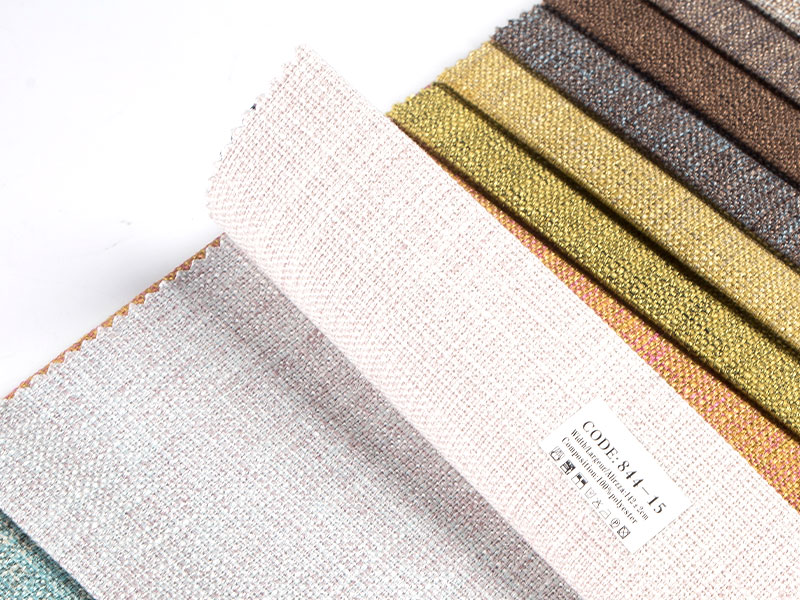
Polyester is the most widely used fiber in modern sofa upholstery fabric, and for practical reasons. It resists fading from sunlight better than most natural fibers, dries quickly after cleaning, resists wrinkling, and is significantly less expensive than performance natural fabrics. Polyester blends — often combined with cotton, nylon, or acrylic — are engineered to balance softness with durability in ways that pure polyester alone doesn't achieve. The primary weakness of lower-grade polyester couch fabric is pilling: the fiber tips break and tangle into small balls on high-friction areas like seat cushions and armrests after repeated use. Higher-grade polyester fabrics use tighter weave constructions and longer fiber lengths that resist pilling substantially better than budget alternatives.
Microfiber (Microsuede)
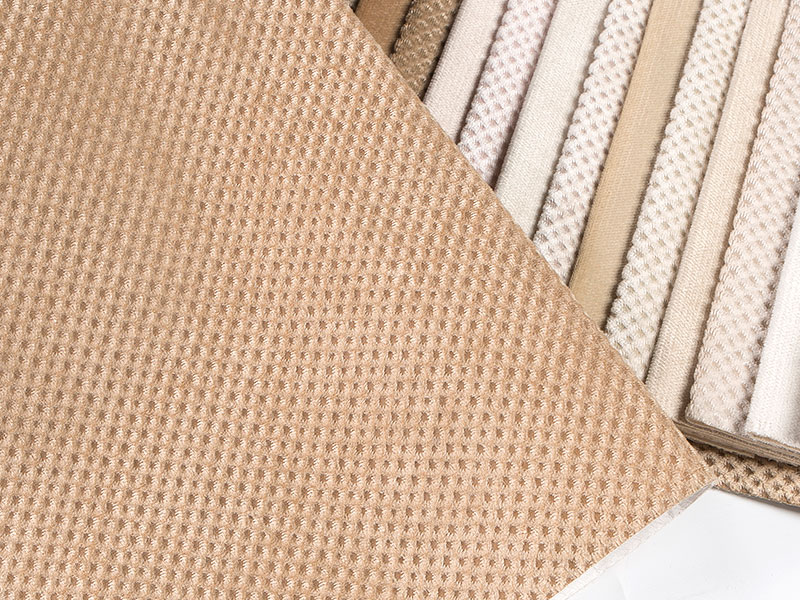
Microfiber couch fabric — particularly the suede-like variety sometimes called microsuede — is one of the most practical choices for households with children or pets. The ultra-fine synthetic fibers are woven tightly enough that liquid spills tend to bead on the surface rather than immediately penetrating, giving time for cleanup before staining occurs. Microfiber is also soft to the touch, relatively resistant to scratching from pet claws compared to woven fabrics, and easy to clean with a slightly damp cloth for most everyday soiling. Its limitation is that it shows indentations and marks from prolonged pressure and can look worn in heavily used areas over time. Brushing the pile regularly with a soft brush restores the surface texture.
Cotton and Cotton Blends
Cotton upholstery fabric has a natural, breathable quality that synthetic fabrics don't fully replicate — it feels comfortable against skin in warm conditions and doesn't generate the static or synthetic-feeling surface that some polyester fabrics do. However, pure cotton couch fabric has meaningful durability limitations: it fades with sunlight exposure, wrinkles easily, absorbs spills quickly rather than repelling them, and wears through on high-friction areas faster than synthetic alternatives. Cotton-polyester blends address some of these weaknesses by adding polyester's resilience and fade resistance while retaining some of cotton's natural feel and breathability. For low-traffic or decorative sofas, cotton is a reasonable choice; for everyday high-use seating, blends or alternative fabrics will last longer.
Linen
Linen sofa upholstery fabric has a distinct textured appearance and a cool, natural drape that makes it a popular choice for Scandinavian, coastal, and relaxed contemporary interior styles. It's a strong natural fiber with good breathability, but it wrinkles very readily, soils relatively easily, and is not particularly resistant to staining without chemical treatment. Linen is best suited to lower-traffic settings — a formal sitting room, a guest room sofa, or a piece that's primarily decorative — rather than to the main family seating that gets daily heavy use. Linen blends incorporating polyester or viscose improve crease and stain resistance while maintaining the visual character of the natural fiber.
Velvet
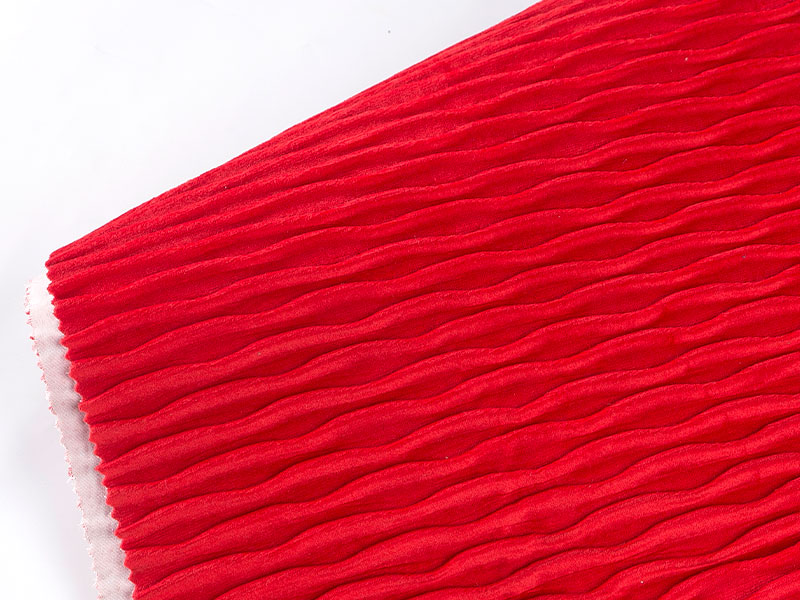
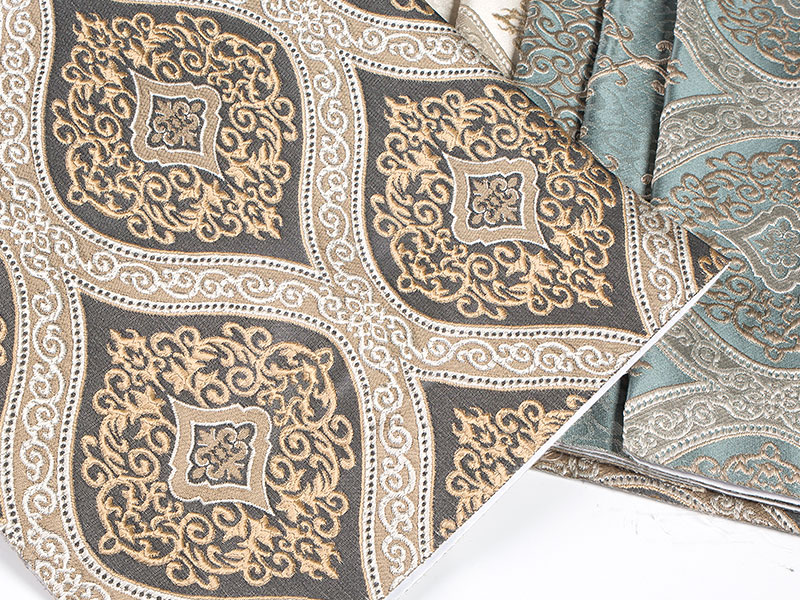
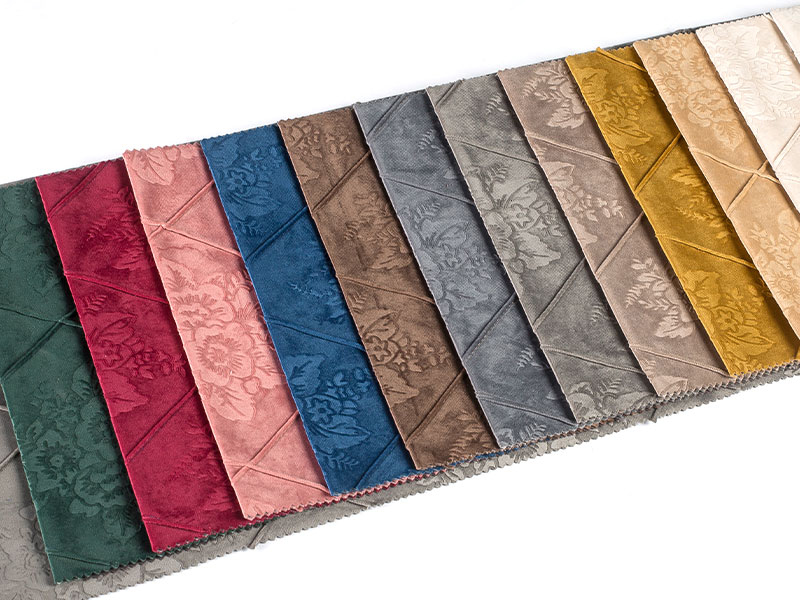
Velvet couch fabric — whether cotton velvet, polyester velvet, or the more durable performance velvet constructions — has a rich, luxurious appearance that makes it a popular choice for statement sofas. Modern performance velvets made from polyester or nylon are significantly more durable and stain-resistant than traditional silk or cotton velvet, and they've become increasingly common in mainstream furniture. The practical considerations for velvet are that it shows directional marks and indentations from sitting (the pile flattens and reflects light differently in disturbed areas), attracts pet hair and lint readily, and requires careful spot cleaning to avoid watermarks. Velvet is not the easiest couch fabric to maintain, but for households where appearance in a lower-traffic space is a priority, it delivers a look that few other fabrics match.
Leather and Faux Leather
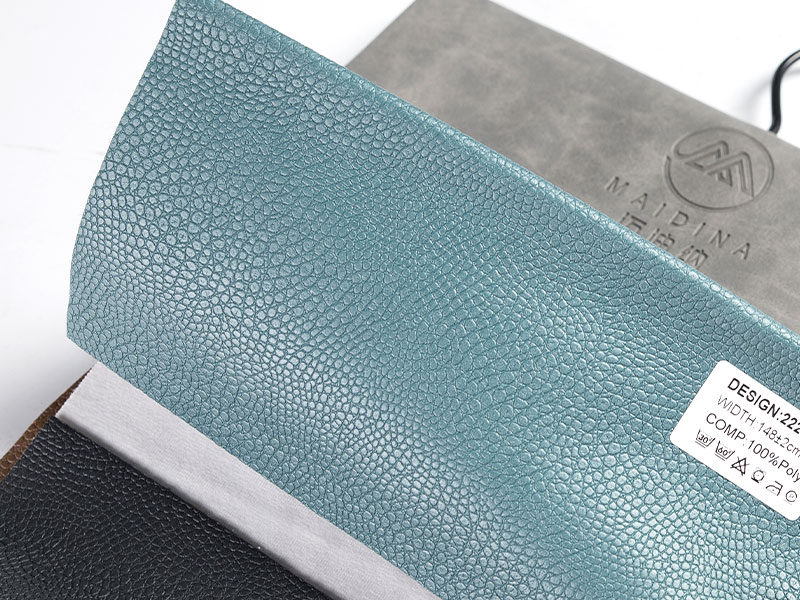
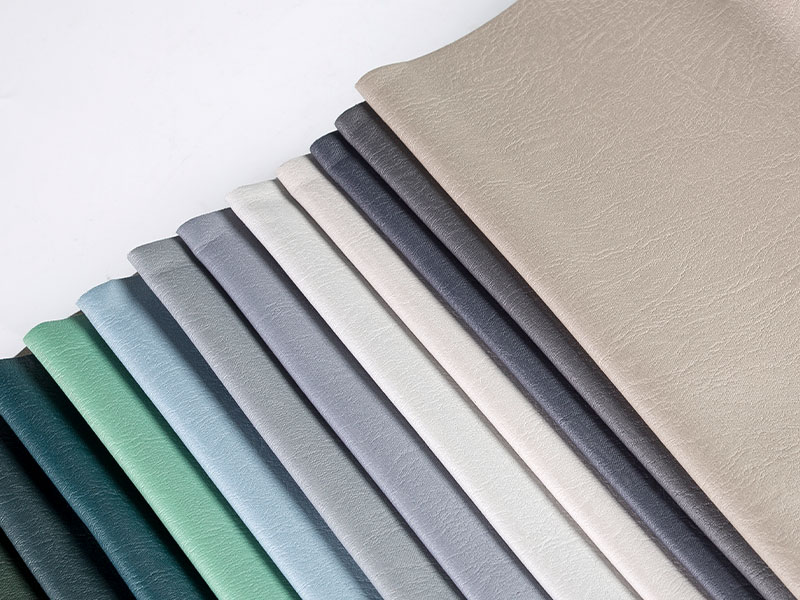
Genuine leather is technically not a fabric, but it is the most durable and long-lasting upholstery material available for sofas. Real leather resists most liquid spills, develops a patina with age that many owners find appealing, and — with proper conditioning — can last decades. It is expensive, requires conditioning to prevent cracking, and can feel cold in winter and sticky in hot weather. Faux leather (PU leather or bonded leather) provides a similar visual appearance at a lower price but wears significantly faster — peeling and cracking typically begin within a few years of daily use, particularly on seating surfaces. For buyers considering leather, genuine full-grain or top-grain leather is a long-term investment; faux leather is a budget option with a shorter service life.
Understanding Fabric Durability Ratings: The Rub Count Explained
When shopping for couch fabric — particularly for reupholstery projects or when reviewing furniture specifications — the term "double rub count" appears frequently and is the primary standardized measure of upholstery fabric durability. Understanding what this number means, and what range is appropriate for different use cases, prevents both over-specifying expensive commercial-grade fabric for home use and under-specifying fabric that won't survive household wear.
The double rub count is produced by the Wyzenbeek abrasion test, which drags a piece of cotton duck or wire mesh back and forth across the fabric surface under a standard load. One complete back-and-forth motion equals one double rub. The test continues until the fabric shows visible wear — thread breakage, fiber loss, or significant surface change — and the count at that point is the fabric's Wyzenbeek double rub rating.
| Double Rub Count | Durability Grade | Suitable For |
| Under 9,000 | Delicate / Decorative | Accent pillows, low-use decorative pieces only |
| 9,000 – 15,000 | Light Duty | Bedroom chairs, guest room sofas, low-traffic use |
| 15,000 – 30,000 | Medium Duty | Average residential use, adults-only households |
| 30,000 – 100,000 | Heavy Duty | Family rooms, households with kids and pets |
| 100,000+ | Commercial Grade | Offices, hotels, waiting rooms, heavy public use |
For most family households with regular daily sofa use, a minimum of 30,000 double rubs is a reasonable specification for the primary seating fabric. Households with active children or large dogs should look for 50,000 double rubs or above. It's worth noting that the rub count test measures abrasion resistance specifically — it does not measure stain resistance, pilling tendency, or colorfastness, which are separate properties that need to be evaluated independently.
Best Couch Fabric Options for Specific Household Situations
The "best" couch fabric is always context-dependent. A fabric that's ideal for one household is a poor choice for another, and matching the material to the specific demands of your living situation is more useful than any generic ranking of fabric types.
Households with Dogs or Cats
Pet-friendly couch fabric needs to resist claw snags, release pet hair easily, and tolerate repeated cleaning. Tightly woven fabrics with no loose loops are the best starting point — canvas-weight cotton-polyester blends, microfiber, and performance velvet all resist claw damage better than open-weave textures like bouclé or linen. For pet hair management, microfiber and leather (genuine or high-quality PU) release hair most easily with a lint roller or vacuum brush. Fabrics with pile depth — standard velvet, chenille, or plush microfiber — trap pet hair in the pile and require more effort to clean. Avoid delicate weaves, silk blends, and any fabric with a pattern woven using long floats that claws can catch.
Households with Young Children
Stain resistance and cleanability are the primary requirements for couch fabric in family rooms with young children. Performance fabrics treated with stain-resistant finishes — often branded as Crypton, Sunbrella, or similar — provide a chemical barrier that prevents liquid spills from immediately penetrating the fiber, giving time for cleanup. These fabrics are typically polyester or nylon-based with the treatment applied during or after weaving. Alternatively, solution-dyed acrylic fabrics (such as Sunbrella's indoor/outdoor range) have color and stain resistance built into the fiber itself rather than applied as a surface treatment, making them more durable over repeated cleaning cycles. Removable, machine-washable slipcovers are another practical solution for heavily used family room sofas.
Warm Climates or Rooms Without Air Conditioning
In hot or humid environments, breathability becomes a meaningful comfort factor in sofa upholstery fabric choice. Natural fiber fabrics — linen, cotton, and cotton blends — breathe better than synthetic fabrics and feel cooler against skin in warm conditions. Tightly woven synthetics and leather can feel uncomfortably warm and sticky in high temperatures. If a synthetic fabric is preferred for durability reasons, loosely woven or textured constructions that allow more air circulation perform better in warm environments than smooth, dense weaves.
Rental Properties or High-Turnover Use
For furnished rental properties, vacation homes, or commercial seating, durability and cleanability take complete priority over aesthetic subtlety. Commercial-grade performance fabrics rated above 100,000 double rubs, with built-in antimicrobial treatment and moisture barrier properties, are the appropriate specification. Solution-dyed polyester or acrylic fabrics in darker, pattern-obscuring colors minimize visible soiling between cleanings. Avoid light-colored fabrics, delicate textures, or any material that requires specialized cleaning — the fabric needs to be cleaned quickly and effectively between occupancies without specialized equipment.
How to Clean Different Types of Couch Fabric Without Causing Damage
Cleaning codes are printed on the care tag of most upholstered furniture and are the starting point for any couch fabric cleaning decision. Using the wrong cleaning method — particularly applying water to a fabric coded for solvent-only cleaning — can permanently damage the fabric or leave watermarks that are impossible to remove. The four standard cleaning codes are:
- W (Water-based cleaner): Safe to clean with water-based upholstery cleaners or foam. Most synthetic fabrics including polyester, microfiber, and nylon fall into this category.
- S (Solvent-based cleaner only): Water will cause staining or shrinkage. Use dry-cleaning solvent only. Some natural fiber fabrics and delicate weaves carry this code.
- WS (Water or solvent): Either water-based or solvent-based cleaners are safe. The most flexible category for home cleaning.
- X (Vacuum only): No liquid cleaners of any type. Brush or vacuum only. Professional cleaning required for any stains. Rare in modern furniture but occasionally found on delicate decorative fabrics.
Beyond the cleaning code, the method matters as much as the product. Blotting spills immediately — pressing a clean cloth onto the spill to absorb liquid rather than rubbing, which spreads the stain and drives it deeper into the fiber — is the single most effective first response to any liquid spill on couch fabric. Always test any cleaning product on a hidden area of the fabric first to check for color bleeding or surface change before applying it to a visible area. Work from the outside edge of a stain inward to prevent it from spreading, and allow the fabric to dry fully before sitting on it to prevent re-soiling of the wet surface.
Choosing Couch Fabric for Reupholstery: What's Different from Buying New
Selecting fabric for a reupholstery project involves additional considerations beyond what applies to buying a new sofa. The fabric has to work with the existing frame geometry, the upholsterer's techniques, and any pattern matching requirements across the piece — factors that don't apply when choosing fabric for a fully manufactured sofa.
- Fabric width and yardage calculation: Upholstery fabric is typically sold in 54-inch or 60-inch widths. The yardage required for a sofa reupholstery depends on the size of the piece, the number of cushions, and whether the fabric has a repeat pattern that requires matching across seams. A standard three-seat sofa without pattern matching typically requires 12 to 18 yards; pattern matching can add 20 to 40 percent more yardage depending on repeat size. Always get a professional estimate before purchasing fabric.
- Fabric directionality: Some sofa upholstery fabrics have a nap direction — velvet, microsuede, and certain woven fabrics look different depending on which direction the pile or weave runs. The upholsterer needs to cut all fabric pieces with the nap running in the same direction to avoid visible color variation between panels. This is a detail to confirm with your upholsterer before cutting begins.
- Stretchability for curved surfaces: Sofas with curved backs, tight rolled arms, or compound curves require fabric with enough elasticity to conform to the shape without puckering at the seams. Fabrics with a small percentage of elastane or those with diagonal stretch in the weave handle these surfaces more cleanly than rigid, flat-woven materials.
- Weight and hand feel: Heavy upholstery-weight fabric is engineered to be tacked, stapled, and pulled taut over a frame — it needs to hold tension without distorting. Decorator fabrics sold for drapery or lightweight uses are often not suitable for upholstery even if they appear visually appropriate, as they lack the structural weight and weave integrity to hold up under upholstery tension and use.
- Pre-washing natural fiber fabrics: Cotton and linen upholstery fabrics can shrink after the first washing or moisture exposure. Pre-washing the fabric before cutting and upholstering eliminates this risk — an important step for any natural fiber fabric that may be cleaned in place after the reupholstery is complete.
What the Fabric Specification Tag Should Tell You Before You Buy
Whether purchasing a new sofa or buying fabric for reupholstery, the specification information available on or with the fabric tells you most of what you need to evaluate before committing. Knowing what to look for — and what questions to ask when information is missing — prevents uninformed purchases that don't perform as expected.
- Fiber content (%): The full fiber composition by percentage tells you what the fabric is actually made of, which determines its baseline properties — breathability, pilling tendency, fade resistance, and cleaning compatibility. Vague descriptors like "premium fabric" without fiber content disclosure are a red flag.
- Double rub count: Should be specified for any fabric marketed as durable or suitable for upholstery use. If a furniture retailer or fabric supplier cannot provide the rub count, ask directly — it should be available from the manufacturer's technical data.
- Cleaning code (W, S, WS, or X): Essential for planning ongoing maintenance. If not on the furniture tag, it should be in the fabric specification sheet from the manufacturer.
- Lightfastness rating: Relevant for sofas placed near windows or in rooms with significant natural light exposure. AATCC or ISO lightfastness ratings indicate how well the color resists fading under UV exposure. A rating of 4 or above on the standard scale indicates adequate fade resistance for most residential applications.
- Pattern repeat dimensions: For patterned fabrics used in reupholstery, the horizontal and vertical repeat dimensions determine how much extra yardage is needed for pattern matching. This information should be listed on the fabric specification and confirmed before calculating the total yardage to order.