Language
 English
 中文简体
 عربى
Plain chenille is one of those fabrics that does the selling for you. Hand a buyer a swatch and the conversation usually shifts from price to touch: the pile is dense, the surface has a soft bloom, and a solid colour reads deeper than it does on a flat weave. We have been weaving chenille in Tongxiang for more than a decade, on warp knitting machines and electronic jacquard looms, and that reaction still has not worn off. This article is roughly what we would tell you across a table: what plain chenille is, how the weights behave, where it earns its place, and what to check before a bulk order.
Content
- 1 What Plain Chenille Fabric Actually Is
- 2 Why the Hand Feel Deserves the Attention
- 3 Reading the Spec Sheet Before You Commit
- 4 Where Plain Chenille Earns Its Keep
- 5 Curtains and Drapes: A Weight Conversation
- 6 Colour, Finishing and Custom Work
- 7 Care Advice Worth Passing to Your Customers
- 8 A Short Checklist for Bulk Orders
- 9 A Closing Note from the Mill
What Plain Chenille Fabric Actually Is
Chenille yarn starts life as a pile yarn. Short staple fibres are fed between two tightly twisted core yarns and locked in place, so fibre ends stand out all the way around the yarn. The French word for caterpillar describes it neatly. Knit or weave that yarn into a solid-colour cloth with no jacquard figure, and you have plain chenille.
The distinction between plain and jacquard matters more in procurement than in the showroom. In a jacquard chenille the pattern is built into the structure, which is lovely but ties the cloth to one design. Plain chenille keeps a single shade across the full width, so it works as a platform: the body of a sofa, a curtain panel, the reverse of a cushion, a headboard panel. Our yarn is 100% polyester, which keeps colour fastness and cost predictable across repeat orders. If you want the fibre-level background, our guide to what chenille fabric is and why it feels so good goes deeper into yarn construction and pile behaviour.
Why the Hand Feel Deserves the Attention
The softness of plain chenille comes from two things: pile density and pile height. A denser pile gives a cushioned, slightly powdery touch, while a longer pile adds loft and warmth. Neither is automatically better. A long pile on a dining chair that sees daily traffic will flatten sooner than a short, tightly anchored one.
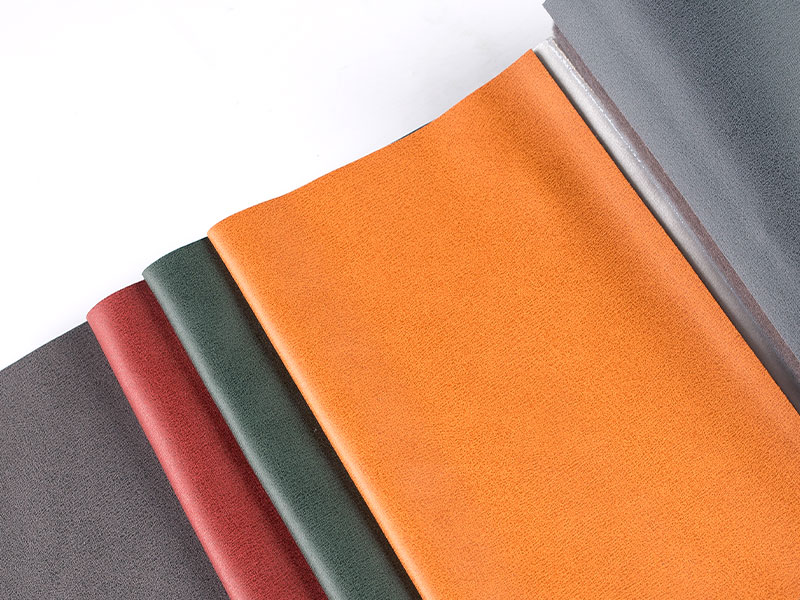
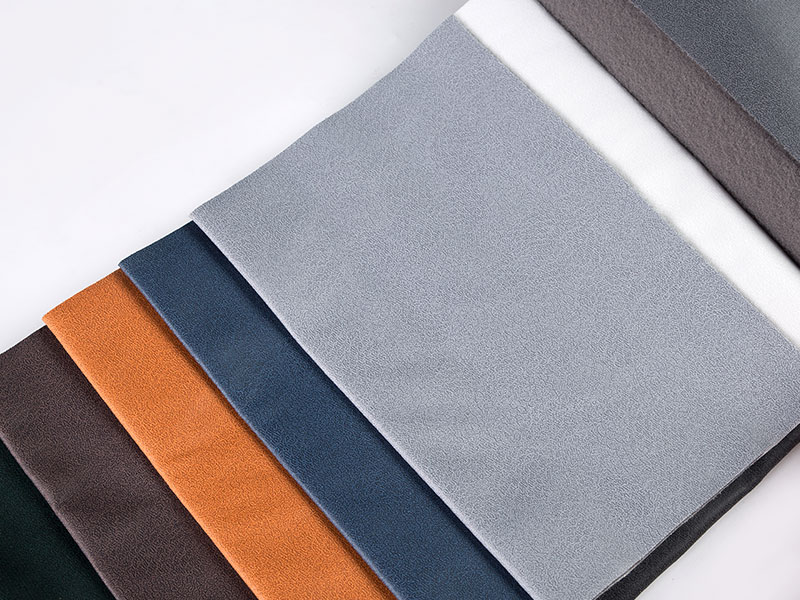
Colour is the other quiet advantage. On a plain surface the pile catches light from different angles, so a single shade shifts subtly across a sofa and looks more considered than a flat weave in the same colour. Deep tones such as rust, forest, ink and terracotta gain the most.
Durability Is a Construction Question
Wear comes down to how well the pile is anchored, not to how thick the cloth feels on the roll. Twist level in the chenille yarn, finishing temperature and a disciplined anti-pilling routine all matter. When we develop a plain chenille quality for upholstery, we look at surface stability after repeated rubbing first and hand feel second, because a fabric that pills in month three stops being beautiful.
Reading the Spec Sheet Before You Commit
Weight is the number buyers ask about first, and for good reason: on a plain cloth it is the best single predictor of how the fabric will behave on the finished piece. The ranges below reflect the weights we run most often for furniture, curtains and home textiles between 250 and 520 gsm. Treat them as a starting point for sampling rather than a rulebook.
| Weight (gsm) | Hand feel | Typical use | What to check |
|---|---|---|---|
| 250 to 300 | Light, fluid, slightly airy | Drapes, cushion backs, light throws | Opacity if used unlined |
| 320 to 380 | Supple with body | Sofa cushions, headboards, soft beds | Most common starting point |
| 400 to 460 | Dense and plush | Main sofa bodies, ottomans, bed frames | Seam bulk on tight curves |
| 480 to 520 | Heavy, sculpted pile | Statement upholstery, contract seating | Allowance for thickness in cutting |
 Custom Solid Chenille Upholstery Fabric, 250–520 GSMPlain chenille in custom solid colors and weights from 250 to 520 GSM, suitable for sampling furniture, curtains and home textiles.View Product →
Where Plain Chenille Earns Its Keep
Because there is no pattern competing for attention, plain chenille suits a long list of end uses:
- Sofa bodies, arms and scatter cushions, where the soft handle matters most
- Headboards, soft beds and bed frames, as a calm matte surface behind the pillows
- Throws and blankets, especially in the 320 to 400 gsm range
- Curtains and drapery, usually with a lining or a separate blackout layer
- Automotive interior accents and seat covers in the heavier weights
- Craft and DIY work such as upholstery panels, box linings and bag making
Solid shades also make life easier in the cutting room. There is no repeat to match across seams, so yield is predictable and small panels can be cut from remnants instead of being written off.
 Herringbone Plain Chenille Fabric for Upholstery and DecorationsWoven polyester chenille with a herringbone pattern and 300 GSM weight, suited to upholstery, cushions and decorative accents.View Product →
Curtains and Drapes: A Weight Conversation
Plain chenille and curtains are a natural pairing, with one adjustment: the cloth has to be light enough to fall into folds and heavy enough to hang straight. In practice, 250 to 320 gsm works well for lined panels, while anything above 400 gsm is better kept for upholstery or for a very structured, tailored drape.
Two practical points. First, chenille pile holds dust more readily than a flat weave, so a curtain that will hang for months benefits from a tighter, shorter pile. Second, if blackout performance is required, plan for a separate blackout lining rather than relying on the face cloth alone.
 Wholesale Plain Chenille Fabric for Curtains and DrapesA 420 GSM polyester chenille in custom colors with a soft, wool-like feel, intended for curtains, drapes and upholstery.View Product →
Colour, Finishing and Custom Work
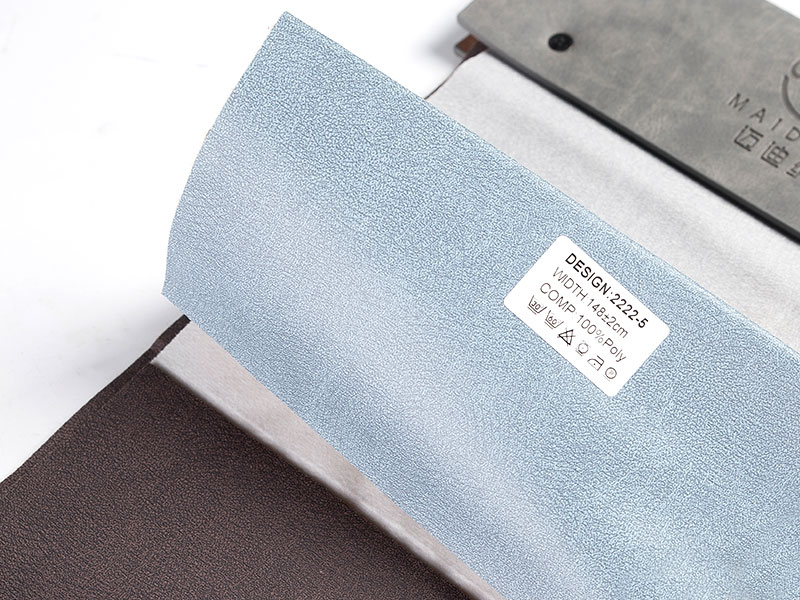
Stock shades cover the neutrals most projects start from, but much of our plain chenille leaves the mill as a custom colour. Lab dips against a Pantone reference, or against a physical sample you send us, are the usual route. Dye-lot control is where experience shows, because pile cloths forgive construction errors more easily than they forgive shade variation across a roll.
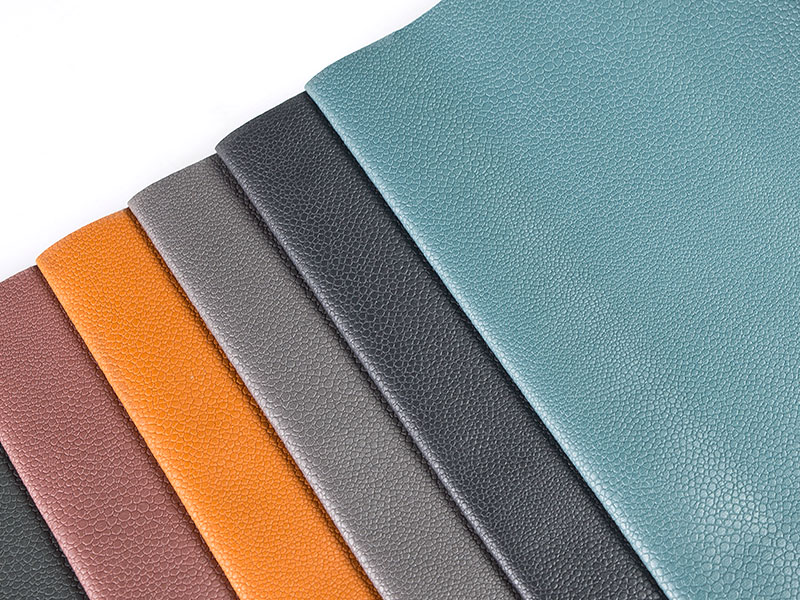
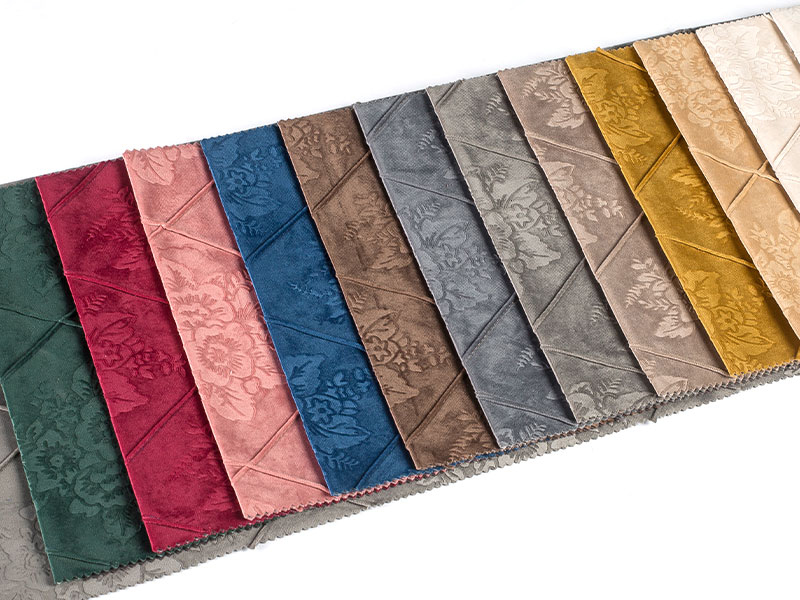
Finishing is where plain chenille becomes a different product without changing the yarn. Brushing raises the pile for a softer, more velvet-like surface. Embossing presses a pattern into the pile, adding texture while the colour stays solid. Bronzing lays a metallic sheen on the surface. Lamination or coating at the back adds body, dimensional stability or water repellency for outdoor and contract work. You can review current weights and shades in our plain chenille fabric collection, and we are glad to quote a modified construction where a project needs one.
Care Advice Worth Passing to Your Customers
- Vacuum upholstery with a soft brush head; it lifts the pile and removes grit before it grinds into the yarn.
- Blot spills rather than rubbing, working from the edge inwards so the mark does not spread.
- Use a mild water-based cleaner and avoid bleach, aggressive solvents or heavy scrubbing.
- Keep furniture out of long-term direct sun where possible; polyester is colourfast, but pile can still flatten and fade unevenly.
- For curtains, gentle professional cleaning after the first full season keeps the pile from holding dust.
A Short Checklist for Bulk Orders
- Confirm the exact weight and tolerance in writing; "around 350 gsm" is not a specification.
- Ask for the usable width, not just the greige width.
- Approve a physical hanger sample and keep a signed one as the shipment reference.
- Request surface stability or pilling data on the finished cloth, not the greige.
- Check shrinkage after finishing so your cutting plan is not surprised.
- Agree MOQ, lead time and packing method before the deposit.
- State the shade reference clearly: Pantone number, physical swatch, or both.
A Closing Note from the Mill
Plain chenille rewards buyers who look past the swatch. The fabric that feels best in your hand is not always the one that survives year three on a family sofa, and the difference usually shows up in the specification rather than on the surface. Tell us the end use, the weight you have in mind and the shade you are chasing, and we will send samples that let you judge it properly, in daylight and next to the other materials in the project.