Language
 English
 中文简体
 عربى
A decade ago most upholstery swatch books divided cleanly into two camps: textile and leather. Today a third label keeps appearing between them — Leathaire. It looks like leather, drapes like a heavy knit, and sits somewhere between a premium velvet and a mid-range hide on price. Buyers who understand what the material actually is tend to specify it with confidence; buyers who treat it as simply "fake leather" usually end up disappointed. Here is both sides of the story, from the mill floor.
Content
What Is Leathaire Fabric?
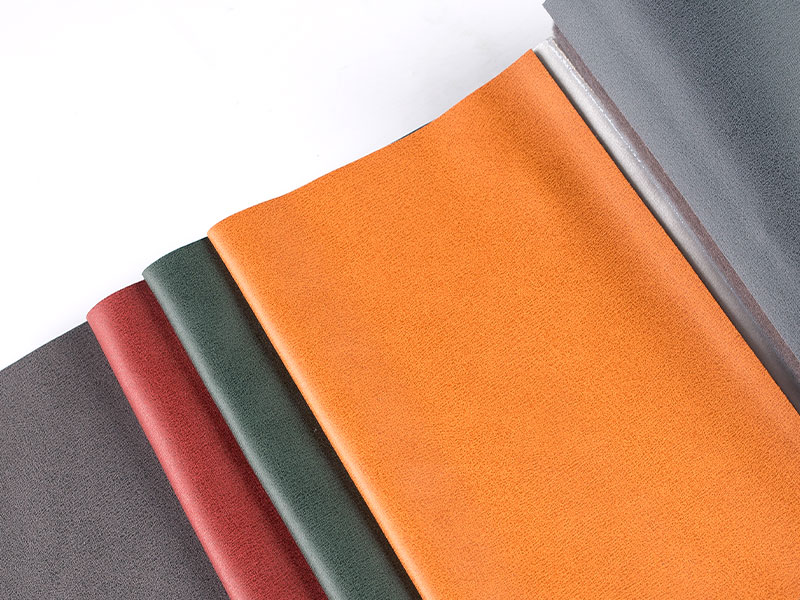
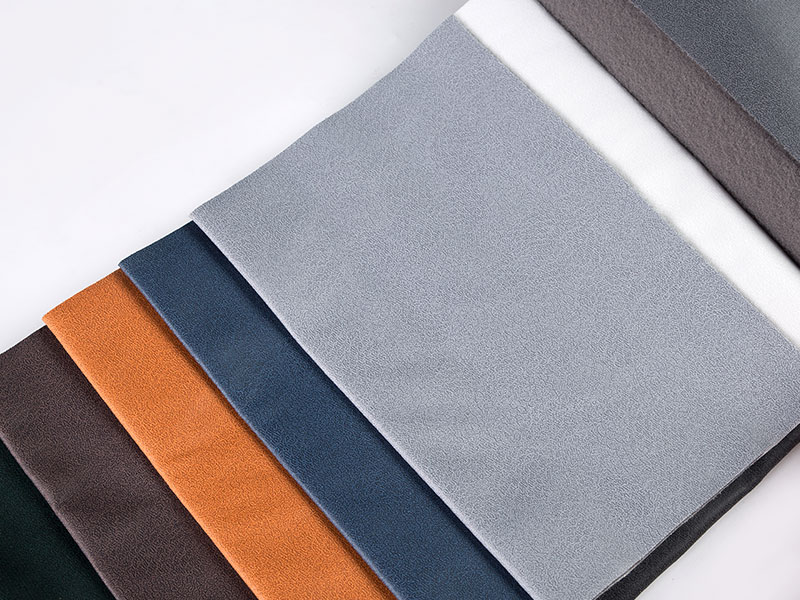
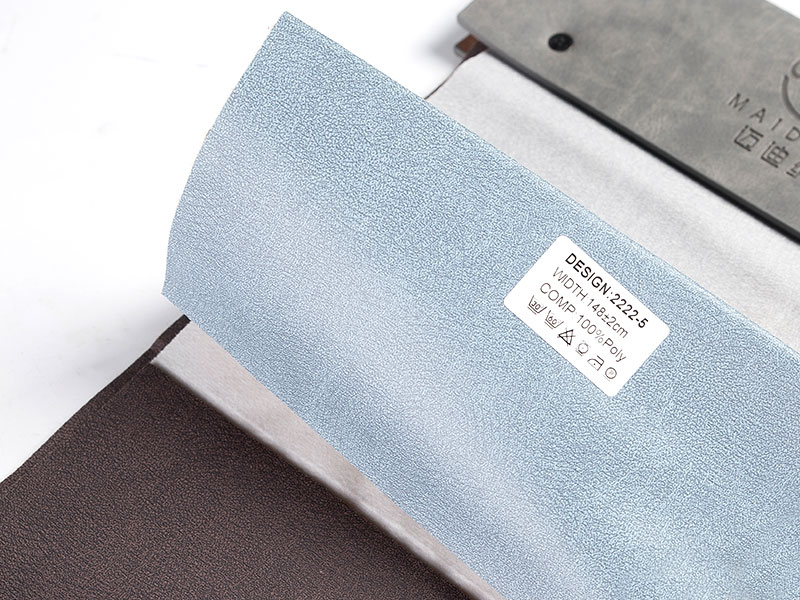
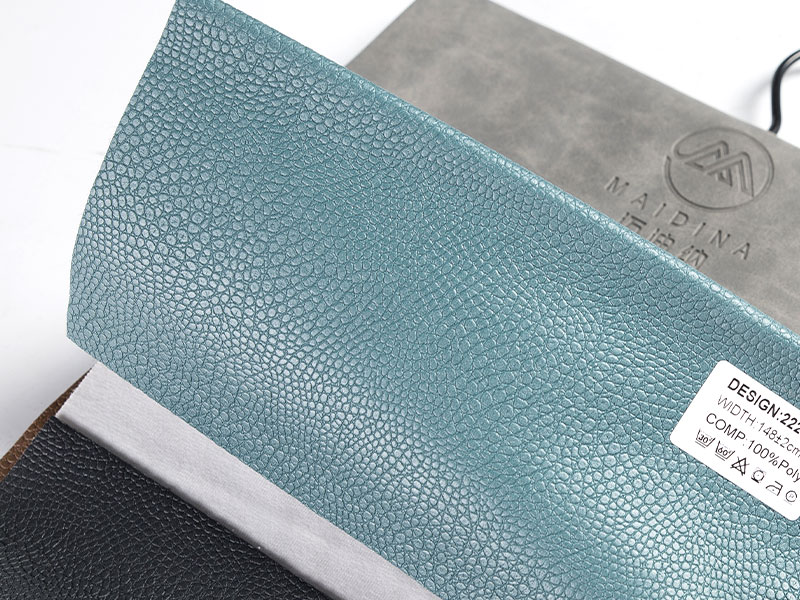
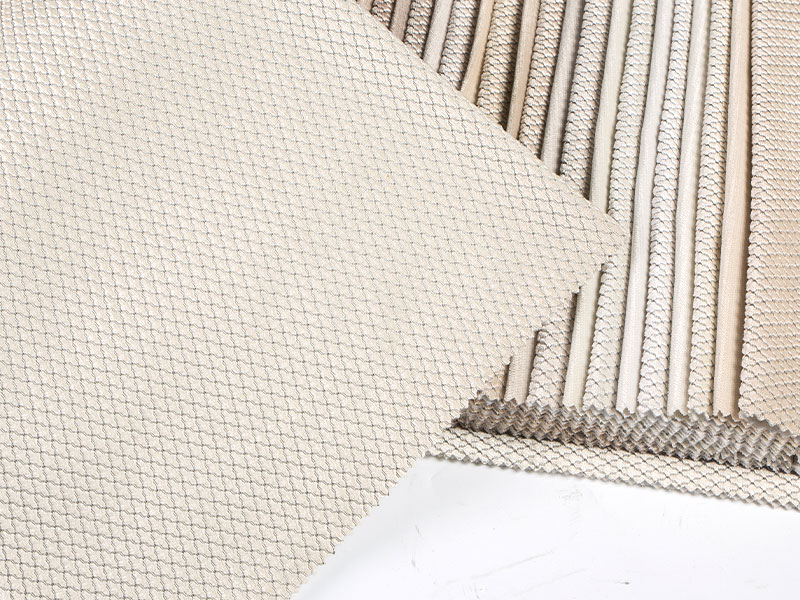
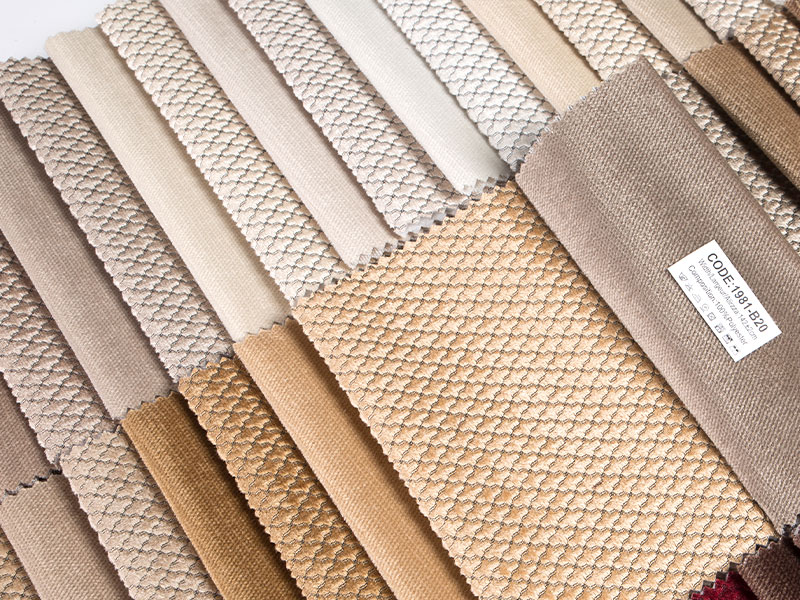
Leathaire is a coated textile in the synthetic leather family. Beneath the surface grain sits a woven or, more commonly, a warp-knitted polyester base cloth. A polyurethane-based coating is applied to that base, embossed to create the grain, and then finished with whatever surface effect the buyer has asked for — matte, waxy, nubuck-soft, or lightly glossed.
The name is a trade label rather than a fibre standard. You will see the same idea sold as leather aire, air leather, or plainly as tech cloth, and the material is generally described as a synthetic leather whose production resembles PU leather but with extra coatings or fillers in the formulation. That is a fair summary. What matters commercially is that two rolls both labelled Leathaire can behave very differently, because base weight, coating chemistry, and embossing depth are all variables. If you want the longer technical background, there is a closer look at how the material is built elsewhere on our site.
How Leathaire Fabric Is Made
The process sits much closer to textile finishing than to leather tanning, which is exactly why the hand feel can be tuned so precisely. In our own plant the sequence runs roughly like this:
- Base construction. Polyester yarns are warp-knitted, and occasionally woven, into a cloth with enough stretch and recovery to follow a cushion without sagging.
- Coating. A polyurethane dispersion goes on in several thin passes rather than one heavy layer. Thin passes keep the fabric supple and reduce the risk of cracking along fold lines.
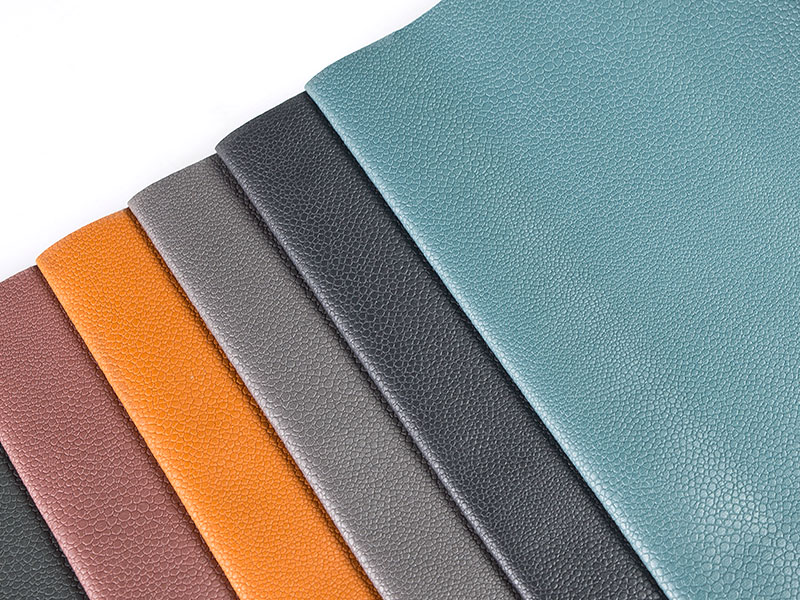
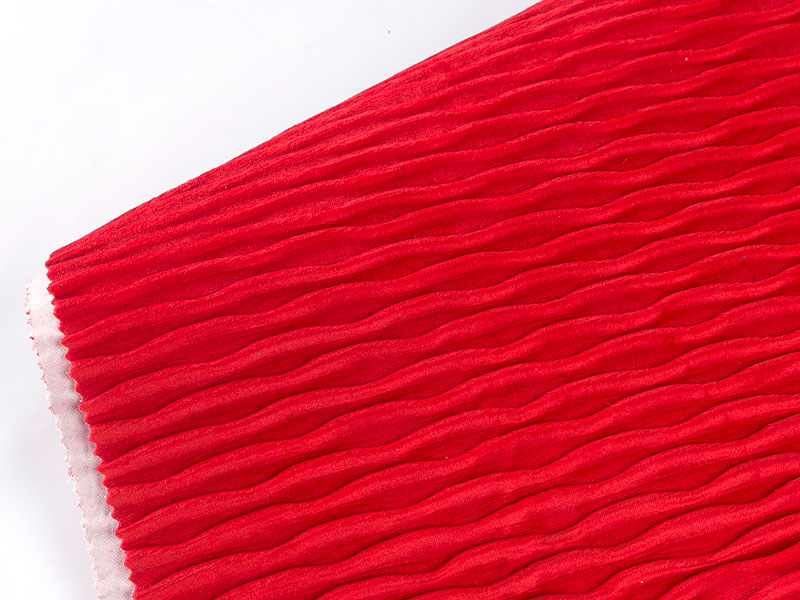
- Embossing. An engraved roller or release paper presses a grain into the coating while it is still thermoplastic — calf, saffiano, nubuck, or a soft natural hide look.
- Finishing. Stain-release, anti-static, or a waxy touch treatment is added, then the roll is inspected, measured, and packed.
Because the base is a fabric rather than a solid film, air can move through the structure. That is the biggest practical difference between Leathaire and a conventional PU film, and the reason the material is often described as breathable in seating. It also means the cloth has a soft, slightly warm touch instead of the cool slickness people associate with coated vinyl.
Leathaire, PU Leather and Genuine Leather Compared
Most sourcing conversations eventually narrow to three options. Here is how they line up in everyday upholstery use.
| Attribute | Leathaire fabric | PU leather | Genuine leather |
|---|---|---|---|
| Construction | Coated knit or woven base | PU layer on a backing cloth | Tanned animal hide |
| Breathability | Moderate to good; air passes through the textile base | Low; the solid film traps heat | Good, varies by finish |
| Hand and drape | Soft and slightly stretchy, follows curves | Firmer, can feel papery | Firm, develops visible creases |
| Cleaning | Damp cloth and mild soap | Damp cloth; avoid solvents | Conditioner and specialist care |
| Relative cost | Moderate | Low | High |
| Typical use | Sofas, soft beds, headboards, wall panels | Budget seating, cases, small goods | Premium seating and interiors |
The table is a starting point, not a verdict. A well-made PU can outperform a cheap coated knit, and a heavily finished Leathaire will breathe less than a lightly coated one. Always ask for the actual test data rather than trusting the category name.
Where Leathaire Performs Best
Sofas and Sectionals
This is where the fabric earns its keep. Households with children, pets, or a coffee habit appreciate a surface that wipes clean with a damp cloth, and the knit base stops the seat from feeling cold in winter or sticky in summer. Designers also like the drape: it wraps a rounded arm or a tight waterfall skirt without the puckering you get from a stiff film. In production, the cloth cuts and sews much like a heavy velvet, so existing upholstery lines rarely need retooling.
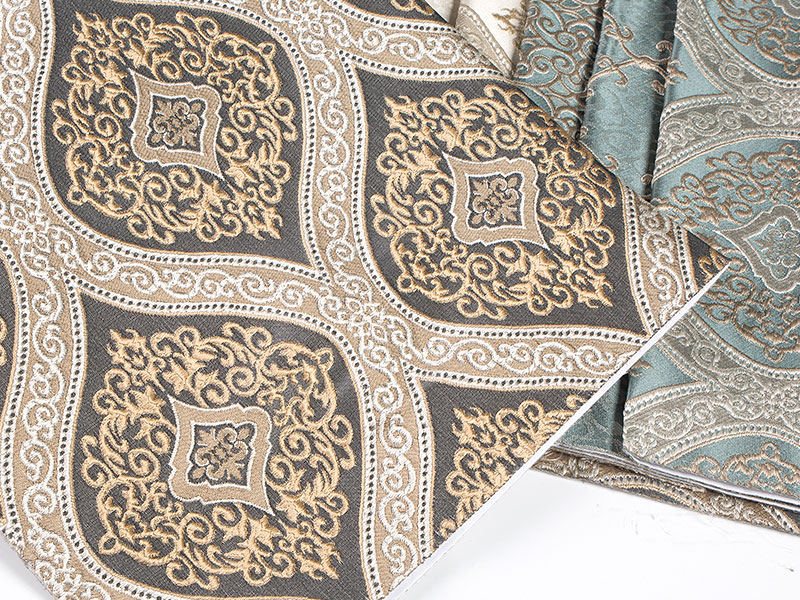
 Premium Tech Cloth Upholstery Fabric for SofasA polyester knit upholstery fabric with a leather-like look, fabric breathability and yarn-dyed weaving, suited to sofa seating and household use.View Product →
Soft Beds and Headboards
Padded frames, channel-tufted headboards, and upholstered bed bases ask a lot of a covering: it has to hold shape over rounded edges, staple and fold cleanly, and stay quiet when someone leans back against it. A coated knit handles all three, and because the colour runs through a yarn-dyed base on many qualities, the reverse side still looks presentable where a frame is left open.
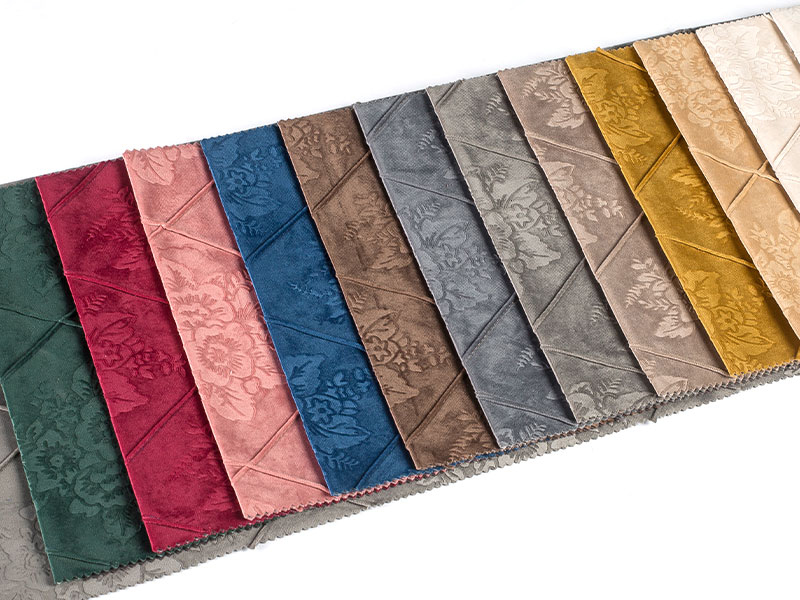
 Premium Tech Cloth for Soft Bed UpholsteryA durable, water-resistant tech cloth for soft beds, wrinkle-resistant and easy to spot-clean, suited to padded furniture where easy-care upholstery is needed.View Product →
Walls, Panels and Contract Interiors
Hotel headboards, restaurant banquettes, and feature wall panels have quietly become one of the strongest outlets for this material. Large runs need consistent shade across rolls, and a mill that controls its own base cloth and finishing has a real advantage there. The leather-like look also suits commercial spaces that want warmth without the maintenance budget of a natural hide.
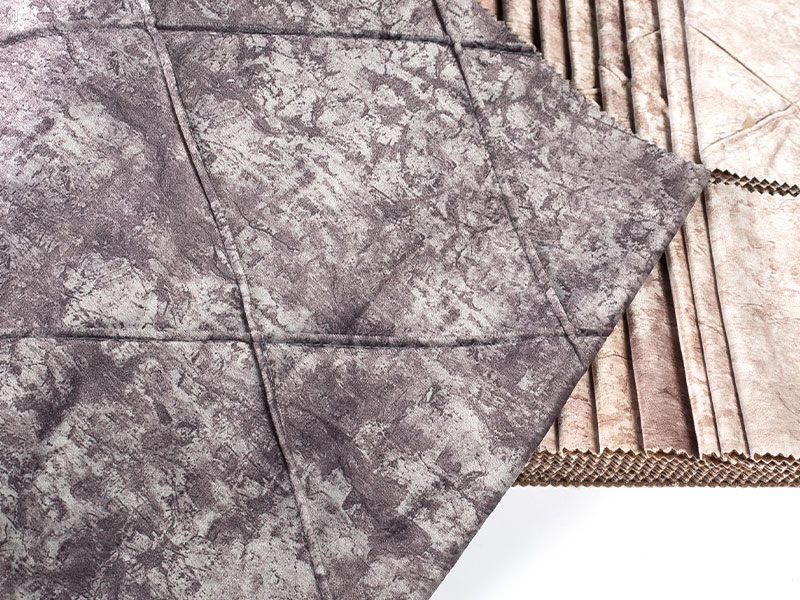
 Elegant Tech Cloth Wall Covering with Leather-Like TextureA polyester knit wall covering with leather-like appearance, breathable fabric and textured yarn-dyed weaving, available in customizable colors for interior walls.View Product →
What Buyers Should Check Before Ordering
Because the name covers such a wide field, a short checklist saves a great deal of back-and-forth later.
- Base weight and construction. Ask for grams per square metre and whether the base is warp-knitted or woven; heavier is not always better, but it usually predicts how the fabric will wear on a seat cushion.
- Coating formulation. Request details on hydrolysis resistance and plasticiser content, particularly for warm, humid climates.
- Abrasion and pilling data. Martindale results and pilling grades tell you more about real-world durability than a marketing adjective ever will.
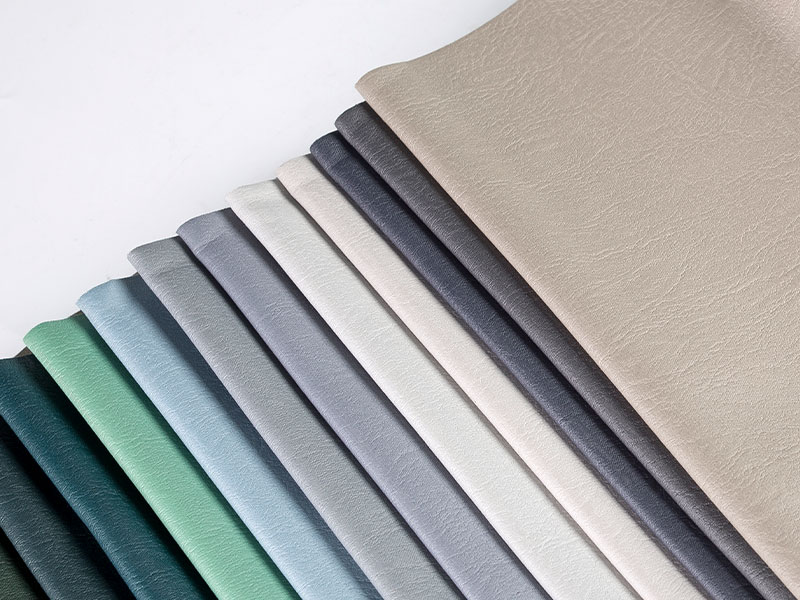
- Colour consistency. Yarn-dyed bases hold shade across lots better than piece-dyed ones; confirm the mill's tolerance before committing to a large programme.
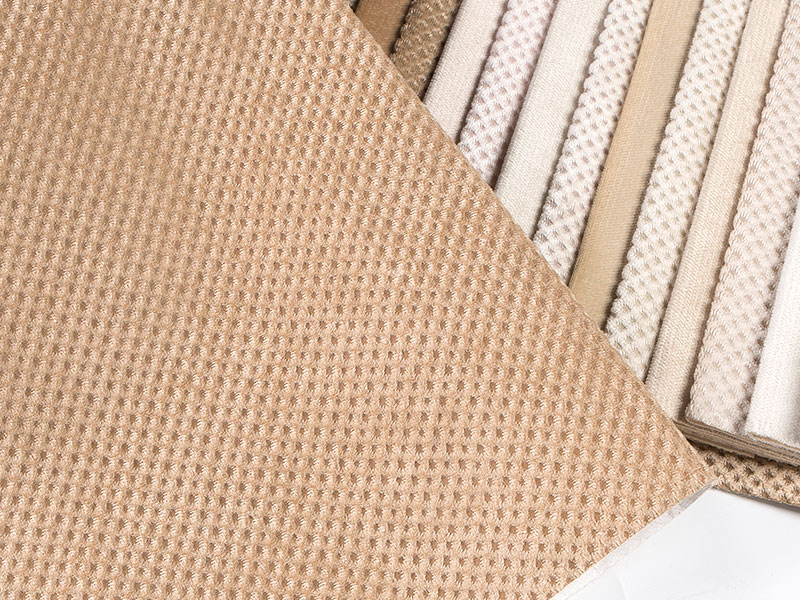
- Backing options. A laminated knit backing adds stretch and a softer hand; a woven backing gives dimensional stability for panels and rigid upholstery.
- Roll width, minimum order, and lead time. These are the details that quietly decide whether a delivery lands on schedule.
Care and Cleaning in Practice
Everyday maintenance is refreshingly simple. Vacuum with a soft brush to lift dust from the grain, then wipe with a damp cloth and a mild soap solution for fingerprints or food splashes. Blot spills rather than scrubbing, avoid solvent-based cleaners, alcohol, and abrasive pads, and keep seating out of prolonged direct sunlight where possible. Sharp edges and pet claws are the usual culprits behind surface scuffs, so felt pads under furniture legs are cheap insurance. For deeper stains or unusual finishes, our detailed care instructions cover the cases worth knowing about.
Sourcing Leathaire Fabric from a Mill
We are a mill, not a trading desk, and that shapes how we talk about this material. Tongxiang Medina Textile Co., Ltd. was founded in 2014 and has grown into a 200-person operation with 50 electronic jacquard machines and eight warp knitting machines, alongside automatic packing equipment. Over the years we developed our own know-how in the dyeing, printing, embossing, and bronzing of warp-knitted flannel, so the base cloth and the surface finish are controlled under one roof rather than across several subcontractors.
That vertical setup matters for coated fabrics. When the same team knits the base, dyes it, coats it, and embosses it, the hand feel and shade stay repeatable from the first sample to the tenth reorder — and problems are easier to trace when something does drift. We keep quality checks on incoming yarns, on the line, and on finished rolls, because a coating defect usually shows up only at the end.
If you are weighing options for an upcoming collection, ask for a handful of samples in the base weights you actually plan to cut. Feeling the cloth on a cushion, folding it over an edge, and leaving it in a warm room for a week will tell you more than any data sheet.
Leathaire is neither a miracle material nor a shortcut. It is a well-engineered coated textile that delivers a leather-like look with the drape of a knit, at a cost and weight that suit volume furniture production. Specify it carefully, check the base and the coating rather than the label, and it will sit happily in the middle of your range for years.