Language
  English
 中文简体
中文简体 عربى
عربى
Content
- 1 What Is Chenille Fabric and Why Is It So Distinctively Soft?
- 2 How Chenille Fabric Is Made: From Yarn to Finished Textile
- 3 Types of Chenille Fabric by Fiber Content
- 4 Chenille Fabric vs. Other Plush and Soft Fabrics
- 5 Chenille Upholstery Fabric: What to Know Before You Buy
- 6 Chenille Fabric in Fashion and Clothing
- 7 Chenille Fabric for Home Décor: Throws, Cushions, and Curtains
- 8 How to Care for Chenille Fabric: Washing, Drying, and Maintenance
- 9 Buying Chenille Fabric: What to Look for and Common Mistakes to Avoid
What Is Chenille Fabric and Why Is It So Distinctively Soft?
Chenille fabric is a plush, velvety textile recognized by its distinctive fuzzy pile and exceptionally soft hand feel. The word "chenille" comes from the French word for caterpillar — an apt description for the fuzzy chenille yarn from which the fabric is woven, which resembles a caterpillar's fuzzy body when held up to the light. Unlike most woven fabrics where the surface texture comes directly from the weave structure, chenille gets its characteristic softness from the yarn itself — a specially constructed yarn with short fiber lengths, called pile fibers, protruding at right angles from a twisted core.
The chenille yarn manufacturing process begins by twisting multiple strands of fiber — cotton, acrylic, polyester, rayon, or blends — together around a core yarn in a way that leaves the short pile fibers sticking outward. These protruding fibers give the finished yarn a thick, rounded, furry appearance and an extremely soft tactile quality. When this yarn is then woven or knitted into fabric, the result is a dense, plush surface that feels luxuriously soft and has a subtle directional sheen — the fabric appears slightly lighter or darker depending on which direction the pile is brushed, a quality it shares with velvet.
Chenille fabric has been used since the 18th century in Europe, originally produced from silk and wool for high-end furnishings and clothing. Today it is made from a wide range of natural and synthetic fibers and is produced in enormous quantities for upholstery, home textiles, apparel, and craft applications. Its combination of visual richness, tactile softness, and relative durability compared to other plush fabrics has kept it consistently popular across both fashion and interior design.
How Chenille Fabric Is Made: From Yarn to Finished Textile
Understanding how chenille is constructed explains both its strengths and its limitations as a fabric — why it behaves differently from woven or knitted fabrics, why it pills and sheds the way it sometimes does, and why different chenille products vary so dramatically in quality and durability.
Chenille yarn construction
Chenille yarn is made using a specialized manufacturing process that produces the characteristic pile structure. Short lengths of fiber — the pile — are twisted between two core threads (called binder yarns) that hold them in place. The simplest way to visualize this is to imagine a pipe cleaner: the twisted wire core holds the soft fibers outward at right angles. In commercial chenille yarn production, high-speed twisting machines twist the pile fibers between the core threads at precise intervals to create a uniform, consistent yarn. The pile fibers can be cut to different lengths to produce different pile heights in the finished fabric — longer pile creates a softer, more luxurious hand; shorter pile creates a denser, more durable surface with better shape retention.
Weaving and knitting chenille fabric
Once the chenille yarn is produced, it is woven or knitted into fabric on conventional textile machinery, though the yarn's thickness and pile structure require careful handling to prevent the pile from being crushed or the core from twisting during production. Woven chenille fabric — where the chenille yarn is used as the weft running across the fabric width — produces a more structured, dimensionally stable fabric suitable for upholstery and drapery. Knitted chenille — where the yarn is looped in the same manner as any knit fabric — produces a softer, stretchier fabric better suited to apparel and soft furnishings like throws and cushion covers. The density of the weave or knit, the pile height of the yarn, and the fiber content all influence the final fabric's weight, drape, and durability.
Types of Chenille Fabric by Fiber Content
The fiber used to make chenille yarn fundamentally determines the fabric's feel, performance, durability, and care requirements. Different fiber types produce chenille fabrics with very different characteristics, and choosing the right fiber for your application matters significantly.
Cotton Chenille
Cotton chenille is one of the most popular types for home textiles — particularly bath rugs, towels, and casual throws. Cotton fiber is naturally absorbent, breathable, and hypoallergenic, making cotton chenille comfortable in warm climates and safe for people with sensitive skin. It washes reliably in a home washing machine, softens with repeated washing, and is free from synthetic chemicals. The trade-off is that cotton chenille has less resilience than synthetic alternatives — it can flatten under heavy use, takes longer to dry, and is more prone to mildew if stored damp. Cotton chenille is also available in natural undyed form for those seeking chemical-free home textiles.
Acrylic Chenille
Acrylic chenille is the dominant fiber type for craft chenille yarn and for budget-friendly decorative fabrics and throws. Acrylic fibers are inexpensive, colorfast, resistant to fading and moths, and produce a very soft, lightweight fabric that closely mimics the feel of wool at a fraction of the cost. Acrylic chenille holds its color brilliantly, making it a popular choice for brightly colored decorative items. However, acrylic has lower breathability than natural fibers, tends to generate static, and can pill more readily than higher-quality alternatives. It is also not biodegradable — an increasing environmental consideration for sustainability-conscious buyers.
Polyester Chenille
Polyester chenille is commonly used in upholstery fabrics and performance home textiles where durability and stain resistance are priorities. Polyester fibers are strong, quick-drying, resistant to stretching and shrinking, and hold their pile structure better over time than cotton or acrylic under heavy use. Many polyester chenille upholstery fabrics receive additional treatments for stain resistance, making them practical for family rooms, children's spaces, and pet-friendly households. Polyester chenille's main limitation is breathability — it can feel warm and slightly less naturally comfortable than cotton or rayon alternatives.
Rayon and Viscose Chenille
Rayon (viscose) chenille produces some of the most luxurious-feeling chenille fabric available. Rayon fibers have a natural silk-like luster, excellent drape, and a beautifully soft hand that rivals silk at a much lower price point. Rayon chenille is used in high-end apparel — cardigans, dresses, and scarves — and in premium decorative throws and cushions. Its primary weakness is durability under mechanical stress: rayon is significantly weaker when wet and loses its shape more easily than synthetic alternatives. Rayon chenille garments and home textiles typically require hand washing or dry cleaning and should not be wrung or twisted when wet.
Silk Chenille
Silk chenille is the most luxurious and expensive variety, historically used in high-end fashion, couture embroidery, and premium home furnishings. Silk chenille has an unmatched natural luster, an incredibly soft and lightweight feel, and exquisite drape. It is most commonly encountered today in silk chenille embroidery thread — used in needlepoint, crewelwork, and textile art — rather than as a broad fabric for upholstery or apparel, due to its high cost and delicate care requirements. When it does appear as a fashion fabric, silk chenille commands premium prices and requires professional dry cleaning.
Chenille Fabric vs. Other Plush and Soft Fabrics
Chenille is often considered alongside velvet, velour, fleece, and bouclé when shoppers are looking for soft, cozy fabrics. Understanding how chenille compares to these alternatives helps buyers make more informed choices for upholstery, clothing, and home textiles.
| Fabric | Texture | Durability | Best Use | Care Level |
| Chenille | Fuzzy, deep pile, directional sheen | Moderate to good (fiber-dependent) | Upholstery, throws, apparel, cushions | Moderate |
| Velvet | Smooth, dense pile, strong sheen | Good but crushes easily | Formal upholstery, drapery, clothing | High — prone to crushing |
| Velour | Smooth, stretchy pile | Moderate | Activewear, casual clothing | Easy — machine washable |
| Fleece | Fluffy, napped, no pile direction | Good — resists pilling well | Outerwear, blankets, casual wear | Very easy — machine washable |
| Bouclé | Loopy, nubby, textured | Good — structured surface | Tailored garments, upholstery | Moderate — can snag |
| Faux fur | Long pile, fur-like | Moderate — matts over time | Throws, outerwear, accessories | Moderate — can matt |
Chenille's key advantage over most competing plush fabrics is its combination of genuine softness, visual depth, and relative practicality for everyday use. Velvet looks more formal and luxurious but is far more susceptible to crushing and marking. Fleece is easier to care for but lacks chenille's visual richness and texture variation. For buyers who want a fabric that looks and feels special while remaining practical for home furnishing use, chenille is often the most balanced choice.
Chenille Upholstery Fabric: What to Know Before You Buy
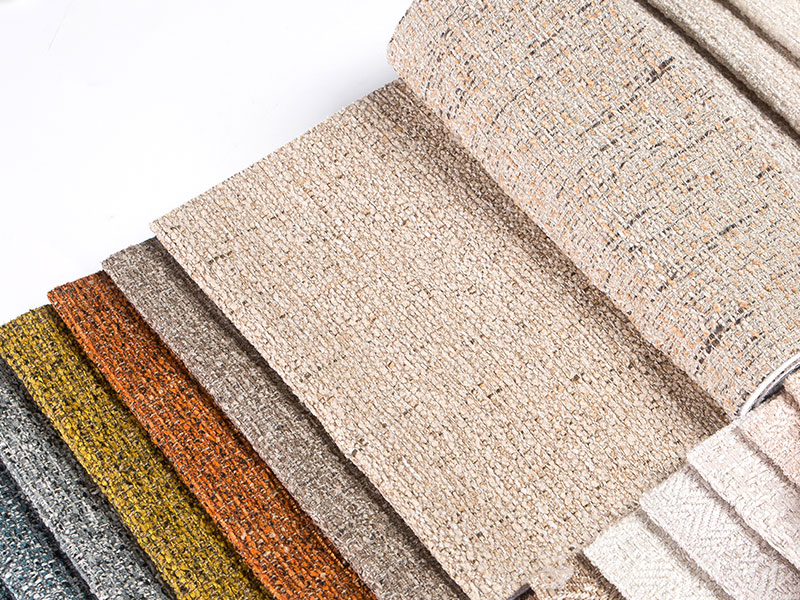
Chenille upholstery fabric is one of the most popular choices for sofas, armchairs, ottomans, and accent furniture. Its soft feel, visual warmth, and wide availability in both neutral and rich jewel-tone colors make it appealing for a broad range of interior styles from contemporary to traditional. However, upholstery chenille has specific performance considerations that buyers should understand before purchasing.
Understanding the Wyzenbeek and Martindale rub counts
Upholstery fabric durability is measured by standardized abrasion tests — the Wyzenbeek test (common in North America) and the Martindale test (standard in Europe and the UK). These tests measure how many rubs a fabric can withstand before showing wear. For light residential use (occasional-use chairs, guest rooms), a Wyzenbeek count of 15,000 double rubs is generally adequate. For heavy residential use (primary sofas, family rooms), 30,000+ double rubs is recommended. Heavy-duty and commercial applications require 50,000–100,000+ double rubs. When evaluating chenille upholstery fabric, always ask for the rub count — lower-quality chenille can test at only 10,000–15,000 double rubs, which will show wear relatively quickly on a frequently used piece of furniture.
Snagging and pile distortion
Because chenille pile fibers are held in place by twisting rather than being woven through the fabric base, they can be snagged and pulled out by sharp objects — pet claws, belt buckles, zipper ends, or rough jewelry. Once a pile fiber is pulled loose, it creates a visible "snag" or loop on the fabric surface that is difficult to repair without leaving a mark. For households with cats in particular, chenille upholstery requires careful consideration — cats' claws catch easily in the pile. Dogs with short, smooth coats are generally less problematic. If pets are a concern, tight-weave performance upholstery fabrics or microfiber alternatives may be more practical than chenille.
Pile crushing and flattening
Areas of a chenille upholstered piece that receive consistent pressure — seat cushions, armrests, and head rests — will experience pile flattening over time. This is a normal characteristic of pile fabrics and not a manufacturing defect. The pile can often be partially restored by gently brushing the fabric with a soft brush in the direction of the pile, or by using a handheld steamer to relax the fibers before brushing. Choosing a denser, shorter pile chenille upholstery fabric reduces the rate of visible pile flattening compared to longer-pile varieties.
Chenille Fabric in Fashion and Clothing
Chenille fabric and chenille yarn have enjoyed recurring popularity in fashion, particularly for knitwear and casual clothing. The fabric's soft texture, visual interest, and cozy warmth make it a natural fit for cold-weather garments, loungewear, and comfortable everyday pieces.
Chenille sweaters and cardigans — typically knitted from rayon-cotton or acrylic chenille yarn — were a significant fashion trend in the 1990s and have seen multiple revivals since, most recently as part of the broader resurgence of cozy, texture-rich knitwear in the 2020s. Chenille's distinctive pile creates a rich, three-dimensional texture that photographs well and stands out visually, making it popular for social-media-driven fashion aesthetics. Beyond sweaters, chenille is used in dresses, skirts, loungewear sets, scarves, hats, and accessories.
For fashion applications, rayon and cotton chenille fabrics offer the best drape and comfort, while acrylic chenille provides the most affordable and colorfast option for trend-driven pieces. One practical consideration for chenille clothing is shedding — particularly in new garments, chenille fibers can transfer onto other clothing or surfaces during wear and washing. This tends to reduce significantly after the first few washes, but buyers of dark-colored chenille clothing should be aware that lint rollers may become a frequent companion.
Chenille Fabric for Home Décor: Throws, Cushions, and Curtains
Beyond upholstery, chenille fabric is widely used across decorative home textiles. Its visual warmth and tactile softness make it one of the most popular choices for throws, cushion covers, and curtains in living rooms and bedrooms.
- Chenille throws and blankets: Chenille throws are among the most popular applications of the fabric — the combination of visual richness and genuine softness makes them compelling as both functional blankets and decorative accessories draped over sofas and beds. Cotton chenille throws are the most practical for everyday use due to their washability; rayon-cotton blends offer a more luxurious feel for display-focused pieces.
- Chenille cushion covers: Chenille cushion covers add texture and visual depth to a room without the commitment of reupholstering furniture. They are widely available in ready-made sizes and in a huge range of colors, and can be easily swapped out to update a room's look seasonally. When buying chenille cushion covers, check the zipper quality — a rough or poorly finished zipper can snag the chenille pile during insertion and removal of the cushion pad.
- Chenille curtains and drapes: Chenille curtains provide excellent light-blocking due to the dense pile structure and add significant visual weight and warmth to a room. They work particularly well in living rooms and bedrooms where a cozy, layered aesthetic is desired. One consideration is that chenille curtains are heavy — ensure your curtain track or rod and brackets are rated for the weight of the panels before purchasing. Chenille drapes generally require dry cleaning rather than machine washing to maintain their shape and pile structure.
How to Care for Chenille Fabric: Washing, Drying, and Maintenance
Proper care is essential to maintain chenille fabric's appearance and longevity. Because the pile structure of chenille is more vulnerable to mechanical stress than a flat-woven fabric, both washing and drying require more care than basic cotton or polyester textiles.
Washing chenille fabric
Always check the care label first — chenille fabric made from rayon, silk, or delicate fiber blends may be dry-clean only. For washable chenille (cotton and most acrylic or polyester chenille), machine washing on a gentle or delicate cycle in cold water with a mild detergent is the safest approach. Avoid washing chenille with items that have rough surfaces, zippers, or hook-and-loop fasteners, which can catch the pile. Washing in a mesh laundry bag provides additional protection for chenille clothing and cushion covers. Use a gentle, non-biological detergent — harsh detergents with enzymes or bleaching agents can break down the pile fibers and accelerate shedding.
Drying chenille fabric
Tumble drying on low heat is acceptable for most acrylic and polyester chenille, but cotton and rayon chenille should be dried flat or hung to dry to prevent stretching and distortion. If using a tumble dryer, remove chenille items while still slightly damp and reshape them by hand before laying flat to finish drying — this prevents the pile from matting or the fabric from distorting as it dries in a compressed state. Never wring chenille fabric when wet — twisting and wringing breaks pile fibers and causes irreversible damage to the pile structure.
Restoring and maintaining the pile
Over time and with regular use, chenille pile can become flattened or matted in high-contact areas. To restore the pile, gently brush the fabric with a soft-bristle brush (a clean toothbrush works well for small areas) in the direction of the pile. For larger items like throws or upholstery, a handheld garment steamer used at a safe distance can relax the fibers before brushing. Avoid pressing chenille with a hot iron — the direct heat and pressure will flatten the pile permanently. If ironing is needed for chenille clothing, use a pressing cloth between the iron and the fabric and use the lowest heat setting with steam.
Dealing with shedding and pilling
New chenille fabric — particularly acrylic and rayon chenille — commonly sheds loose pile fibers during the first several washes and uses. This is normal and not a sign of poor quality. To minimize shedding, wash new chenille items inside out in cold water, and avoid high-heat drying. Pilling — small balls of tangled fiber on the fabric surface — can be carefully removed with a fabric shaver or lint remover. Pilling is more common in lower-quality chenille with shorter or less securely bound pile fibers; higher-quality chenille with longer pile and denser construction generally pills less.
Buying Chenille Fabric: What to Look for and Common Mistakes to Avoid
Whether you're buying chenille fabric by the yard for an upholstery or sewing project, or purchasing a finished chenille product like a sofa or throw, a few key evaluation points will help you choose well and avoid disappointment.
- Check fiber content: The fiber content label tells you what the fabric is actually made from and determines its care requirements, durability, and feel. Be skeptical of unlabeled fabric sold at very low prices — it is often lower-quality acrylic with minimal pile density that will not perform well over time.
- Assess pile density by touch and look: High-quality chenille has a dense, evenly distributed pile with no thin or bald patches visible. Hold the fabric up to the light — if you can see significant gaps in the pile or the backing fabric clearly shows through, the pile is too sparse for durable everyday use.
- Test for shedding before buying: Rub a white cloth or your hand firmly across a cut edge of the fabric. Significant fiber loss from a brief rub test suggests the fabric will shed heavily in use. Some shedding is normal in new chenille, but excessive shedding from new fabric indicates poor quality pile construction.
- For upholstery, ask for the rub count: Reputable upholstery fabric suppliers will provide the Wyzenbeek or Martindale rub count for their fabrics. If a supplier cannot provide this information, treat the fabric as suitable for light decorative use only, not for heavily used furniture.
- Consider the direction of the pile: Like velvet, chenille has a pile direction — the fabric looks and feels different depending on which way it is oriented. When cutting multiple pieces for an upholstery or sewing project, always cut all pieces with the pile running in the same direction, or you will end up with panels that look noticeably different shades once assembled.
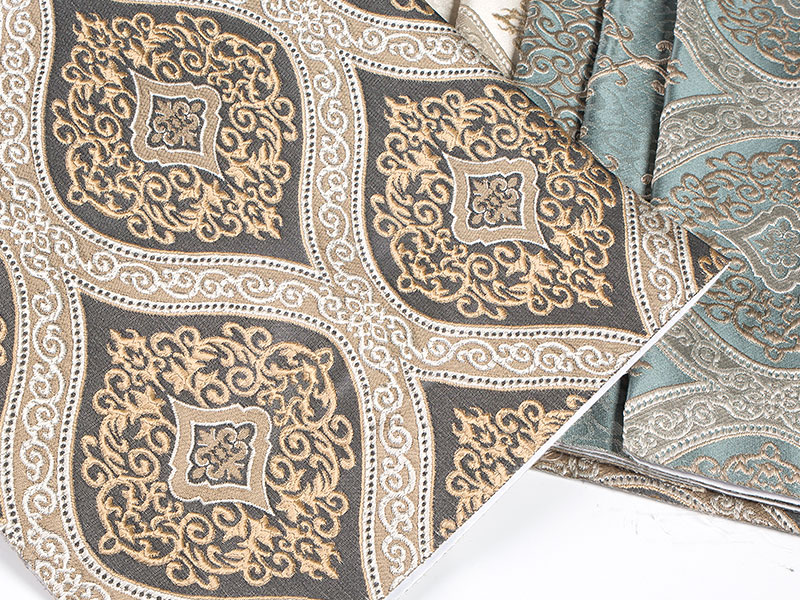
- Buy slightly more than you need: Chenille fabric can be unforgiving to cut — a miscut piece cannot be salvaged easily due to the pile direction requirement and the fabric's tendency to unravel. Adding 10–15% to your calculated yardage requirement gives you a useful margin for cutting errors and pattern matching, particularly on patterned or jacquard chenille fabrics.