Language
  English
 中文简体
中文简体 عربى
عربى
Content
- 1 What Is Chenille Fabric and What Makes It So Popular
- 2 Common Materials Used to Make Chenille Fabric
- 3 Comparing Chenille Fabric Types
- 4 Popular Uses for Chenille Fabric
- 5 How to Properly Care for Chenille Fabric
- 6 What to Look for When Buying Chenille Fabric or Products
- 7 Is Chenille Fabric the Right Choice for Your Next Project?
What Is Chenille Fabric and What Makes It So Popular
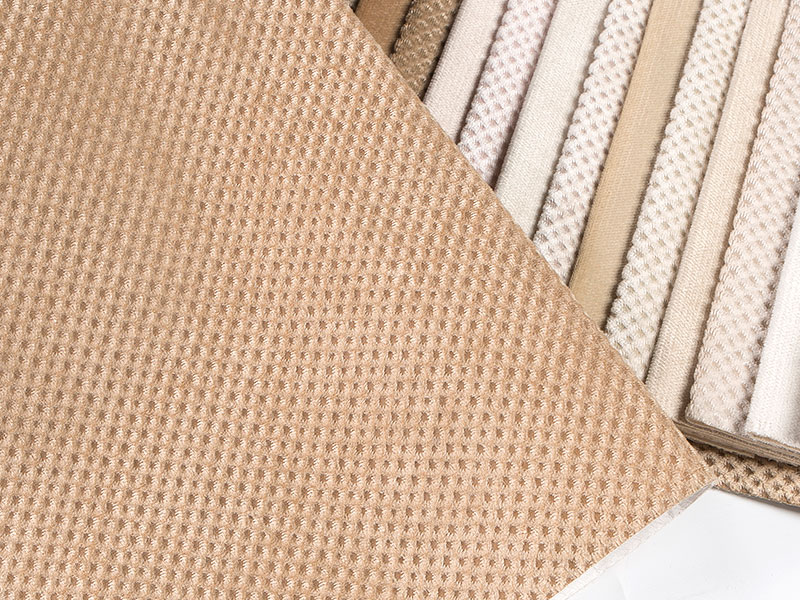
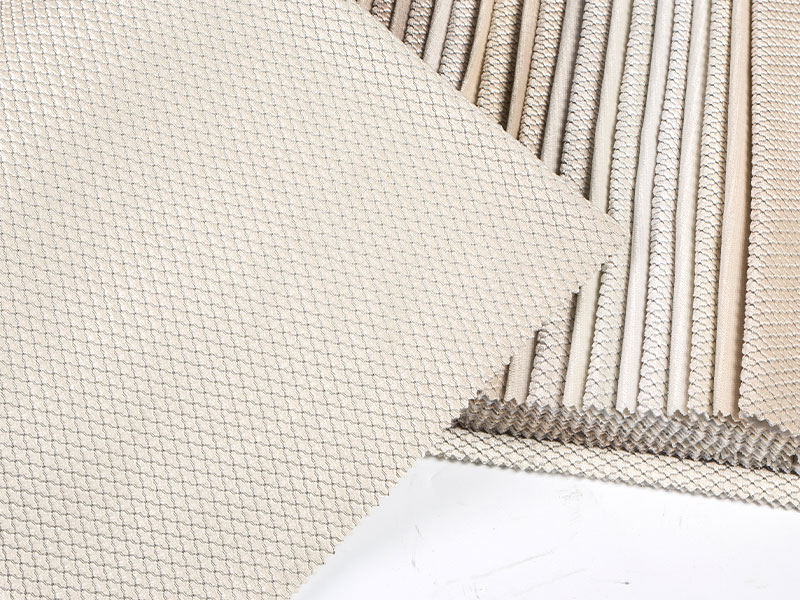
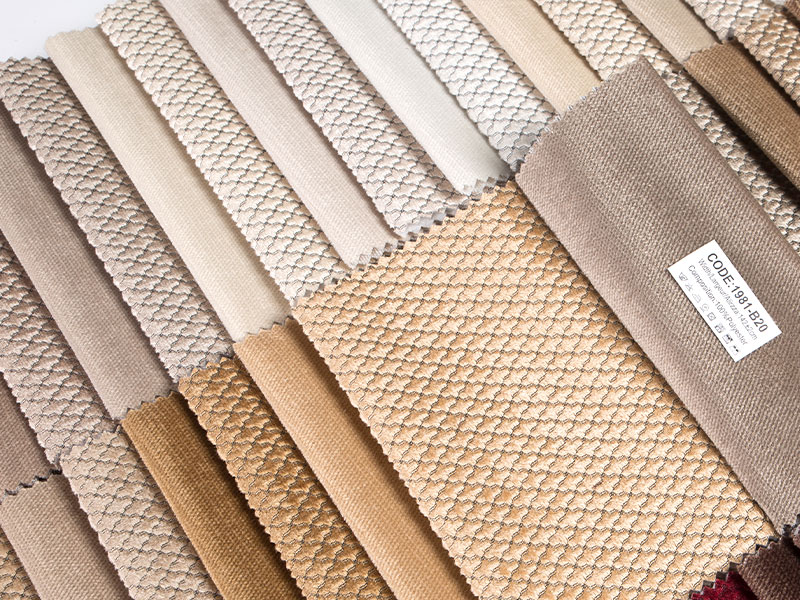
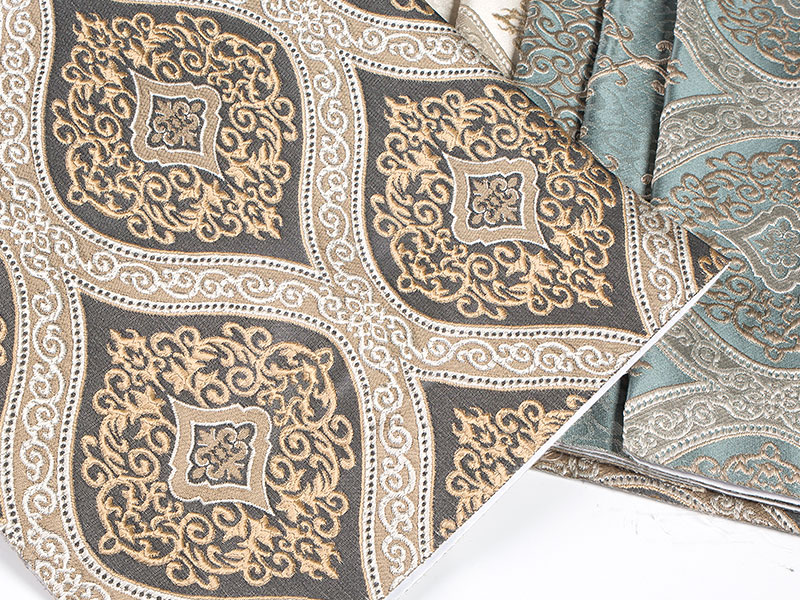
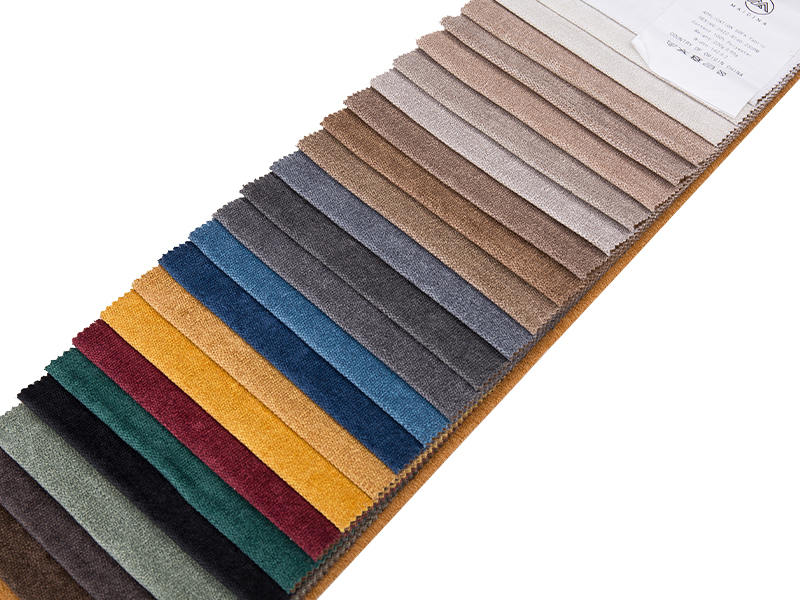
Chenille fabric gets its name from the French word for caterpillar, a fitting description for its soft, fuzzy pile that gives the material a plush, velvety texture on both sides. This distinctive look and feel comes from a special weaving process where short lengths of yarn are twisted between two core yarns, creating tufts that stick out in all directions. The result is a fabric that catches light differently depending on the viewing angle, giving chenille its signature shifting, iridescent appearance that makes it visually rich compared to flatter fabrics.
Chenille fabric has become a favorite for home decor and apparel alike because it combines comfort with a luxurious appearance at a much more accessible price point than fabrics like velvet. Whether used in throw blankets, upholstery, curtains, or sweaters, chenille brings a cozy, inviting texture that feels as good as it looks.
Common Materials Used to Make Chenille Fabric
Chenille fabric can be produced from several different fiber types, each affecting the fabric's softness, durability, and care requirements.
Cotton Chenille
Cotton chenille fabric is breathable, soft, and relatively easy to care for, making it a popular choice for bedding, throw blankets, and lightweight upholstery. It tends to be more absorbent than synthetic alternatives, which makes it comfortable for everyday use, though it may require more careful washing to maintain its plush texture over time.
Polyester Chenille
Polyester chenille is highly durable, resistant to wrinkling, and generally more affordable than natural fiber versions. It holds its shape well and resists fading, which makes it a common choice for furniture upholstery and heavy-use home decor items that need to withstand daily wear and tear.
Acrylic Chenille
Acrylic chenille offers a wool-like softness at a lower cost, often used in sweaters, scarves, and cozy winter accessories. While lightweight and warm, acrylic chenille can be more prone to pilling over time compared to cotton or polyester versions.
Blended Chenille Fabrics
Many chenille fabrics combine multiple fibers, such as cotton-polyester blends, to balance softness, durability, and cost. Blended chenille often provides the best of both worlds, offering a comfortable feel with improved resistance to wear compared to fabrics made from a single natural fiber.
Comparing Chenille Fabric Types
The table below breaks down how different chenille fabric materials compare across key characteristics that matter most for everyday use.
| Fiber Type | Softness | Durability | Best Use |
| Cotton | High | Moderate | Bedding, blankets |
| Polyester | Moderate to High | High | Upholstery, home decor |
| Acrylic | High | Moderate | Sweaters, scarves |
| Cotton-Poly Blend | High | High | Versatile, everyday items |
Popular Uses for Chenille Fabric
Thanks to its soft texture and rich visual depth, chenille fabric shows up in a wide variety of home and fashion applications.
- Throw blankets and bedspreads that add a cozy, textured layer to bedrooms and living spaces.
- Upholstered furniture, including sofas, armchairs, and ottomans, where chenille adds both comfort and visual richness.
- Curtains and drapery that bring a soft, textured element to window treatments.
- Sweaters, scarves, and winter accessories that offer a plush, warm feel against the skin.
- Decorative pillows and throws that add texture contrast to a room's overall design scheme.
How to Properly Care for Chenille Fabric
Chenille fabric requires a bit more care than some other textiles to keep its signature soft texture looking fresh over time. Always check the care label first, since fiber content will determine whether the item is machine washable or requires dry cleaning. For machine-washable chenille, using a gentle cycle with cold water and a mild detergent helps preserve the fabric's pile and prevent excessive shedding. Avoid high heat when drying, as it can cause the fibers to flatten or become brittle over time; air drying or a low-heat tumble dry setting is generally safer for maintaining chenille's plush texture. Regularly shaking out or gently brushing chenille items can also help redistribute the pile and keep the fabric looking full and fluffy rather than matted down.
What to Look for When Buying Chenille Fabric or Products
When shopping for chenille fabric or finished chenille products, a few key factors can help you choose a higher-quality option that will hold up well over time. Check the density of the pile, since a denser weave generally indicates a more durable and luxurious-feeling fabric compared to thinner, sparse chenille. Pay attention to fiber content as well, since this will affect both the feel and the care requirements of the final product. For upholstery specifically, checking the fabric's rub count, a measure of abrasion resistance, can give you a good indication of how well the chenille will hold up under regular use in high-traffic furniture pieces.
Is Chenille Fabric the Right Choice for Your Next Project?
Chenille fabric offers a rare combination of visual richness, everyday comfort, and reasonable affordability that makes it a versatile choice for a wide range of home decor and apparel applications. Whether you're drawn to the soft warmth of a cotton chenille throw blanket, the durability of polyester chenille upholstery, or the cozy feel of an acrylic chenille sweater, understanding the different fiber options and proper care techniques will help you get the most out of this beloved textured fabric for years to come.