Language
  English
 中文简体
中文简体 عربى
عربى
Content
Understanding the Manufacturing Process of Dyed Embossed Velvet
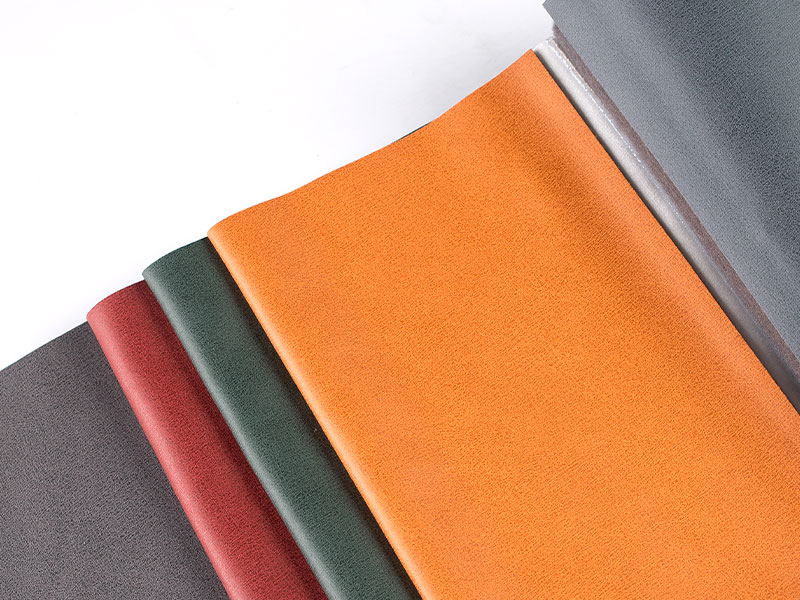
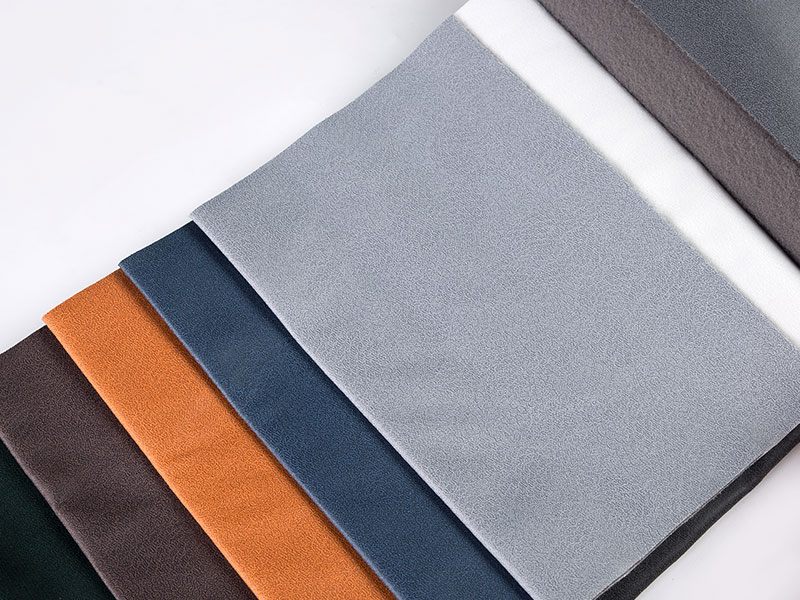
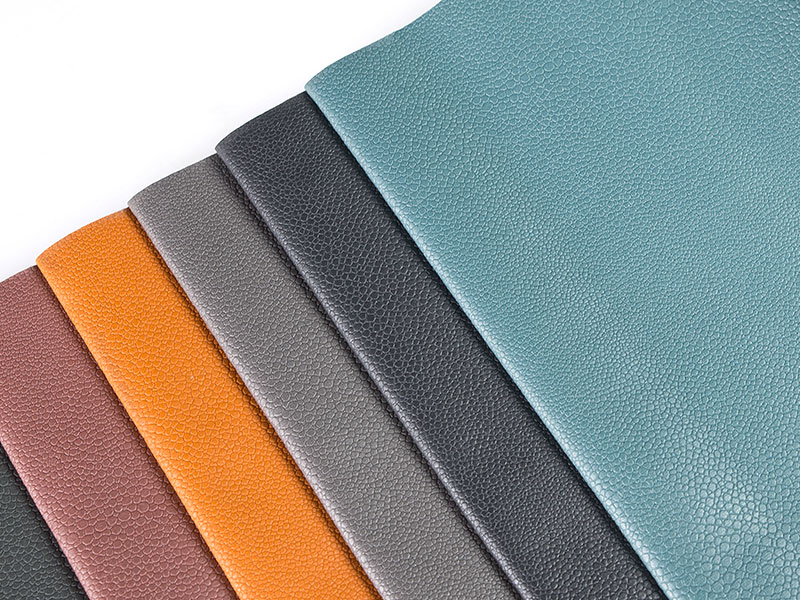
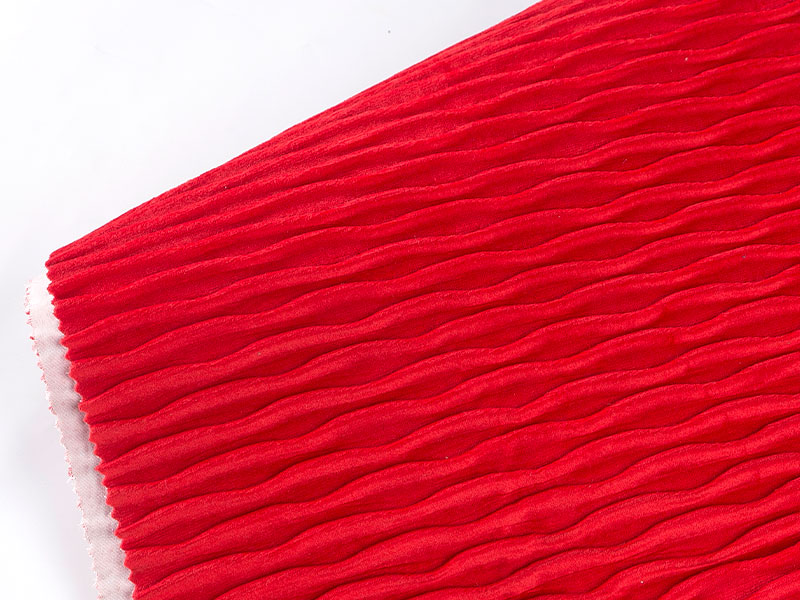
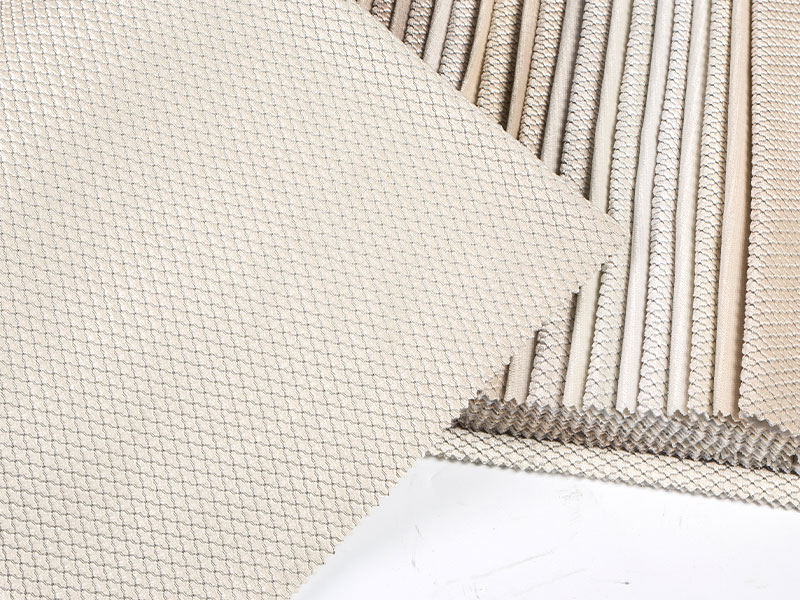
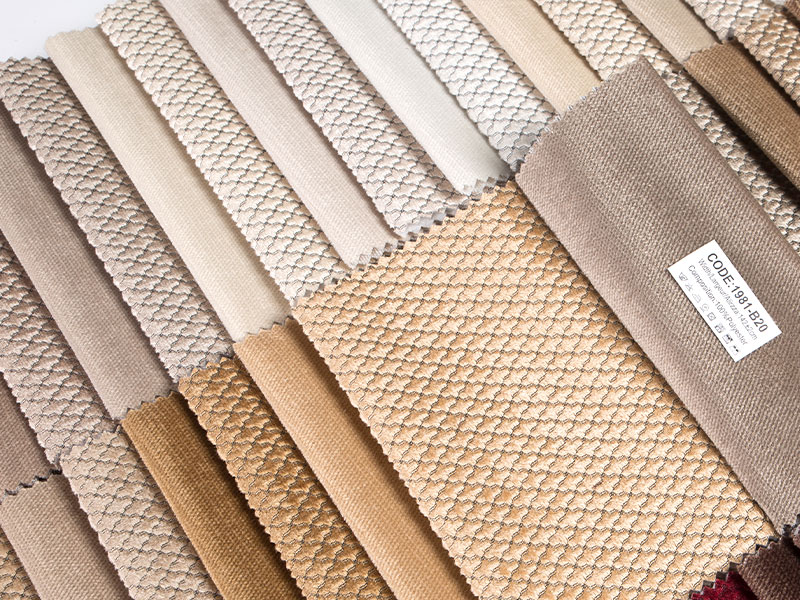
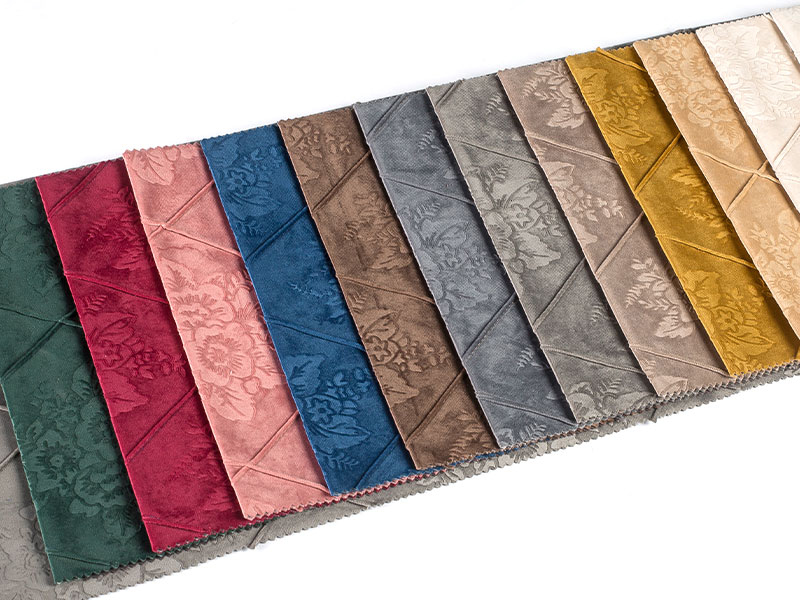
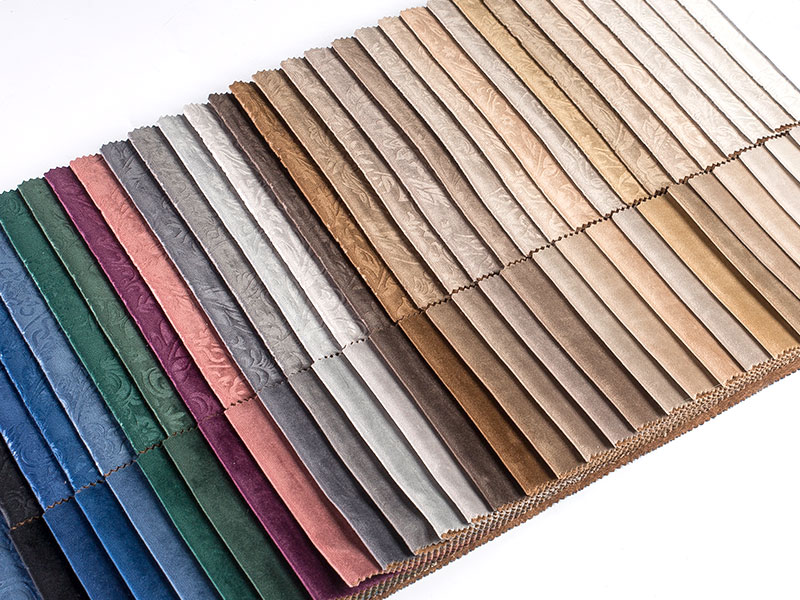
Dyed embossed velvet is a sophisticated textile that undergoes a multi-stage transformation to achieve its signature tactile and visual depth. The process begins with piece-dyeing, where the base velvet—typically composed of polyester, silk, or rayon blends—is submerged in high-quality dyes to ensure rich, uniform color saturation across the pile. Once the desired hue is achieved, the fabric is subjected to heat-embossing. This involves passing the velvet through engraved metal rollers under intense pressure and temperature. The rollers flatten specific areas of the pile while leaving others raised, creating a permanent three-dimensional pattern that interacts uniquely with light.
The durability of the embossed pattern depends heavily on the fiber content and the precision of the thermal setting. Synthetic fibers like polyester are particularly popular for this technique because they are thermoplastic, meaning they "melt" slightly to hold the embossed shape indefinitely. This results in a fabric that not only looks luxurious but can withstand the rigors of daily use without losing its textural integrity.
Key Characteristics and Performance Benefits
Beyond its aesthetic appeal, dyed embossed velvet offers several functional advantages that make it a preferred choice for both residential and commercial applications. The embossing process does more than just add a pattern; it creates a structural variation in the fabric surface that can help mask minor wear and tear or pile crushing that often occurs with plain velvet.
- Visual Depth: The contrast between the matte pressed areas and the shimmering raised pile creates a two-tone effect even with a single dye color.
- Resilience: The heat-set patterns provide a structural memory that resists sagging and stretching over time.
- Acoustic Properties: The dense pile and varied surface area are excellent for sound absorption, making it ideal for heavy drapery or wall panels.
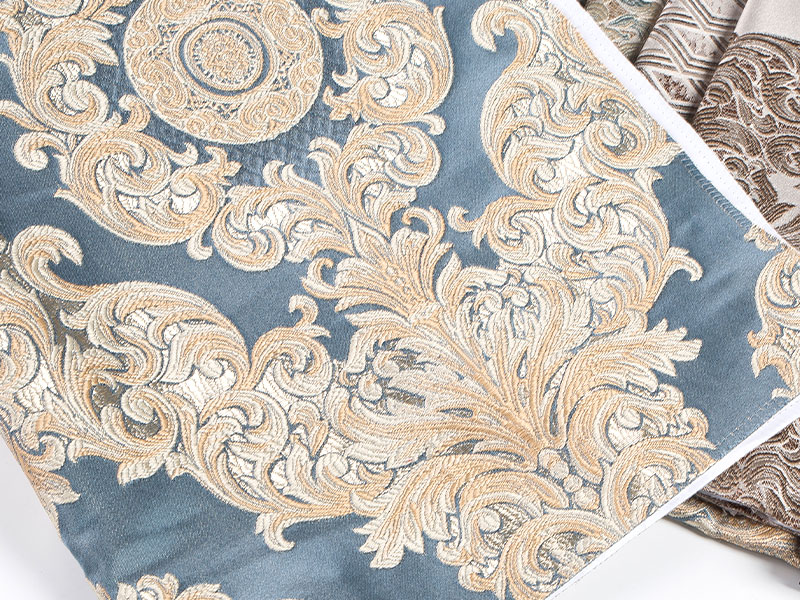
- Soil Hiding: Patterns like damasks or geometric textures naturally camouflage lint and minor surface dust better than flat fabrics.
Comparison of Velvet Types for Embossing
Selecting the right base material for dyed embossed velvet is crucial for the end-use performance. The following table illustrates how different fiber compositions react to the dyeing and embossing treatment:
| Fiber Type | Dye Affinity | Embossing Sharpness | Best Use Case |
| Polyester | Excellent | Very High | Upholstery & High-Traffic |
| Rayon/Viscose | Brilliant | Medium | Fashion & Decorative Accents |
| Silk Blend | Soft/Subtle | Moderate | Luxury Drapery |
Practical Applications in Design
Interior Upholstery and Furniture
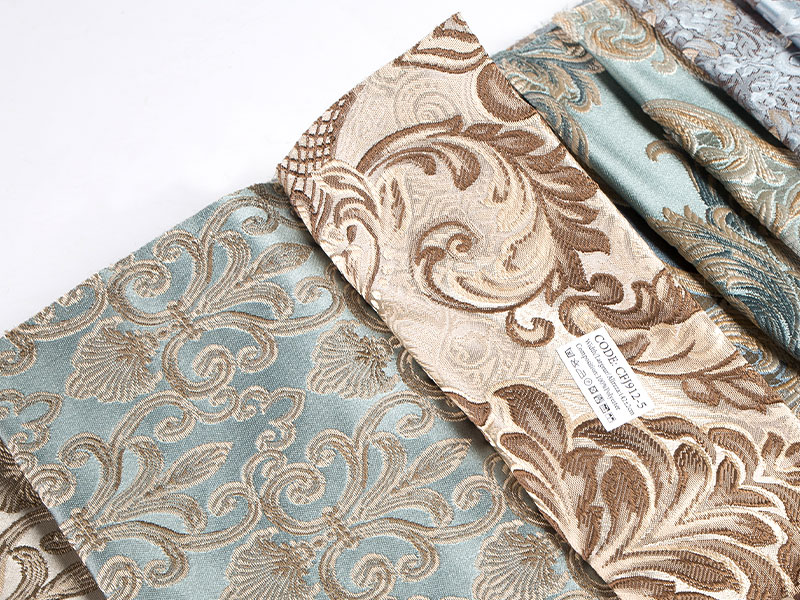
In interior design, dyed embossed velvet is frequently used to provide a focal point for furniture pieces. Its ability to hold complex patterns like botanicals, animal prints, or traditional scrolls makes it perfect for accent chairs, ottomans, and headboards. Because the dyeing happens before the embossing, the color remains consistent even within the deep crevices of the pattern, ensuring a high-end finish that looks expensive from every angle.
Drapery and Window Treatments
For window treatments, the weight of embossed velvet provides an excellent "drop" or drape. The embossed texture interacts with both natural and artificial light, creating a dynamic look that changes throughout the day. When used as blackout curtains, the density of the dyed fibers provides significant thermal insulation, helping to regulate room temperature while adding a layer of sophisticated texture to the walls.
Maintenance and Care for Embossed Surfaces
To maintain the crispness of the embossed pattern and the vibrancy of the dye, specific care steps should be followed. Over-exposure to moisture or high steam can sometimes relax the embossed fibers, leading to a loss of pattern definition. It is generally recommended to dry clean embossed velvet to preserve the heat-set texture. For minor maintenance, a soft-bristled clothes brush can be used to remove surface dust, always brushing in the direction of the nap to avoid disrupting the embossed design.
If a spill occurs, blotting—never rubbing—is essential. Rubbing can crush the raised pile and permanently distort the embossed pattern. For synthetic blends, a lightly dampened cloth with mild detergent may be used, but testing a small, inconspicuous area first is vital to ensure the dye does not bleed and the texture remains intact.