Language
  English
 中文简体
中文简体 عربى
عربى
Content
From Ancient Threads to Modern Comfort
The history of fabric is a history of human ingenuity, blending artistry with material science to create items that are both functional and beautiful. Among the pantheon of textiles, velvet has always held a special place. Originating centuries ago, possibly in ancient Egypt or the Far East, velvet quickly became a symbol of royalty and opulence due to its complex construction and rich, soft texture.
The defining characteristic of velvet is its dense, even pile of cut threads, which gives it that unmistakable, plush feel and shimmering depth of color. The way light interacts with these tiny fibers is what creates its signature look.
The Engineering of Quilted Textiles
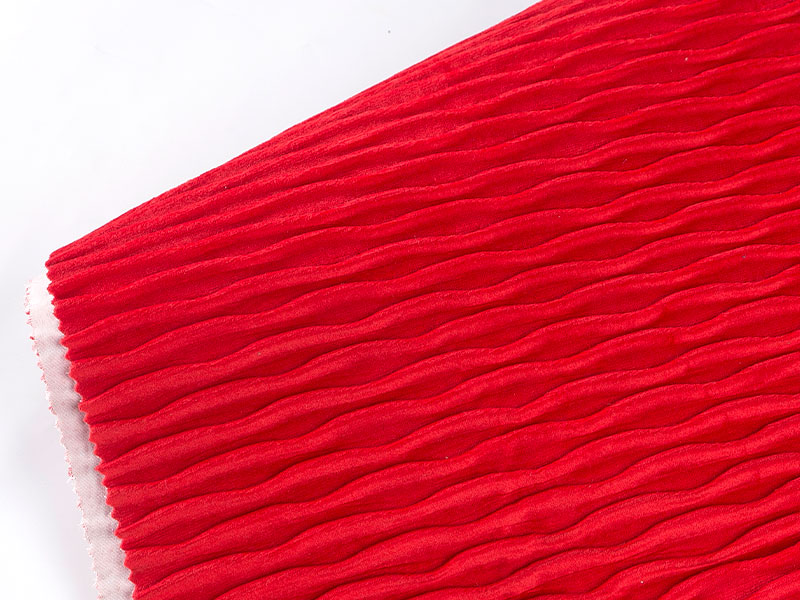
While velvet provides the luxury, the process of quilting provides the substance, structure, and warmth. Quilting is essentially a technique of stitching together two or more layers of fabric, typically with a layer of insulating material (like batting or wadding) in the middle. This process serves several crucial functions:
-
Insulation: The middle layer traps air, significantly improving the fabric's thermal performance, making it an excellent choice for bedding, winter clothing, and upholstery.
-
Stabilization: The stitching prevents the internal batting from shifting, clumping, or sagging over time, ensuring the product maintains its loft and shape even after washing and extended use.
-
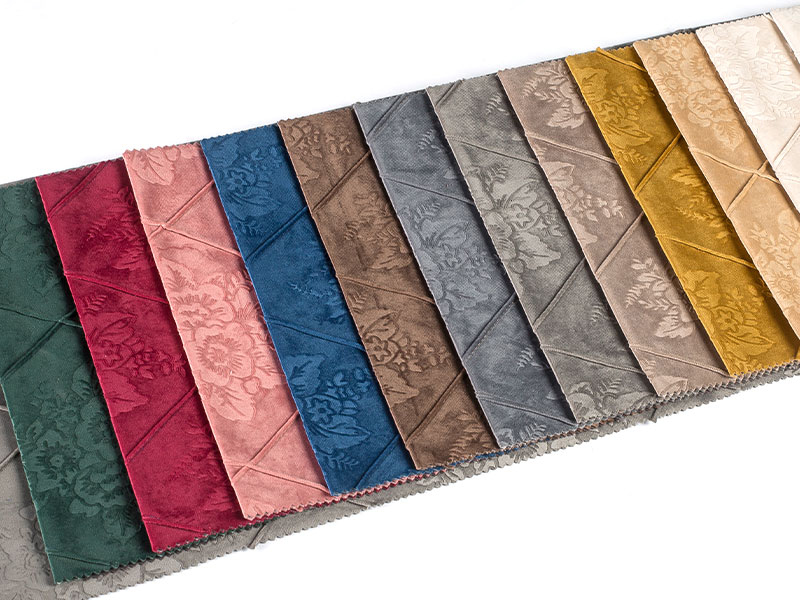
Aesthetics: The repeating patterns created by the stitching—whether diamond, channel, or custom designs—add a three-dimensional visual texture and elegance.
Unpacking Velvet Quilted Fabric
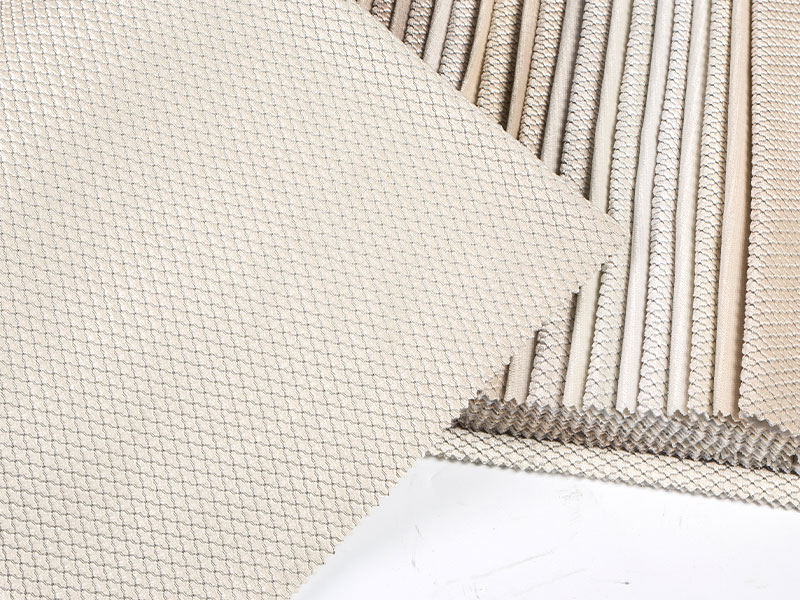
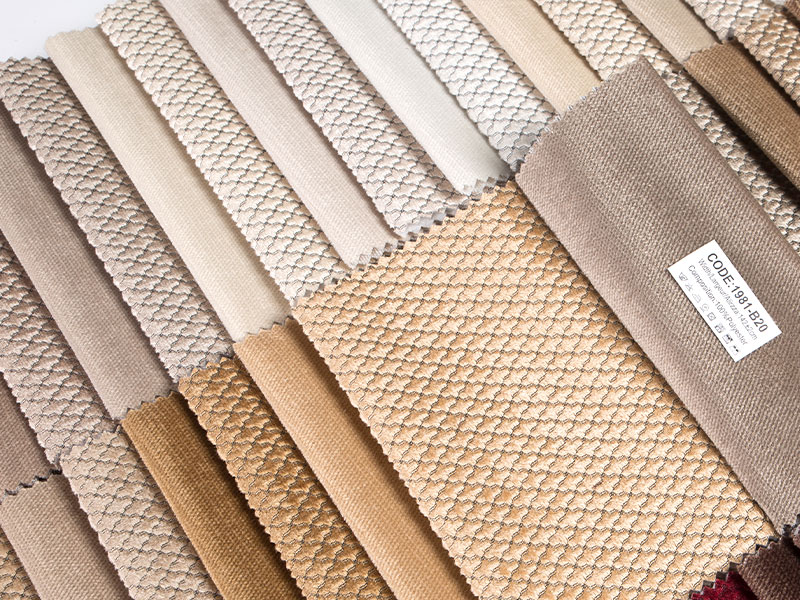
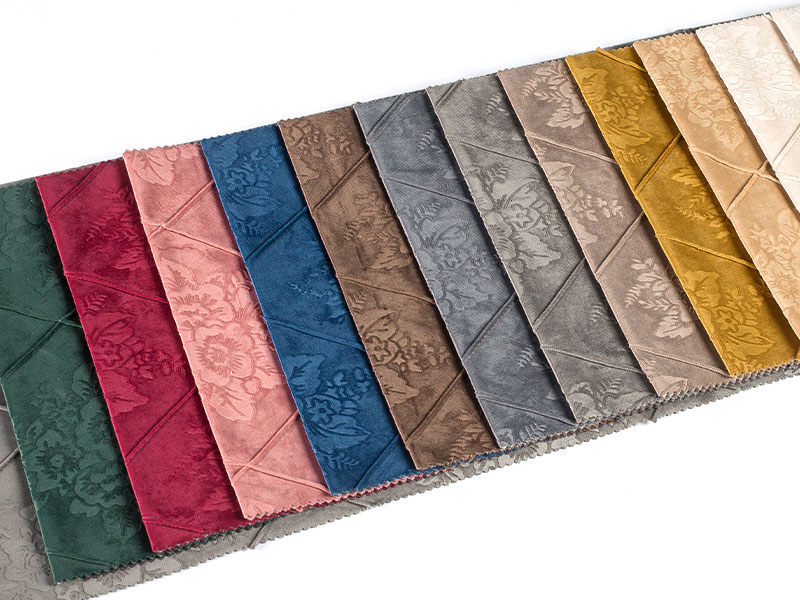
When the sumptuous nature of velvet is combined with the structural integrity and warmth of quilting, the result is the highly desirable product known as velvet quilted fabric. This material represents a synergy of textile technologies, offering a unique blend of features:
The Science of Softness: Velvet's Pile Structure
The sensation of softness in velvet is a triumph of physics and material engineering. The pile threads are extremely fine and stand almost perpendicular to the base fabric. When you run your hand across it, you are pressing against the tips of thousands of these tiny fibers. The low friction and high density of the tips create the smooth, fluid sensation. Furthermore, the light-absorbing and light-reflecting properties of the pile contribute to the visual richness that we associate with luxury.
The Thermal Dynamics of Quilting
The quilting process, especially when applied to velvet, optimizes thermal regulation. The air pockets trapped by the batting and sealed by the stitching act as an effective insulator.
-
Convection: The trapped air pockets minimize heat transfer through convection (the movement of heated fluid/air).
-
Conduction: The batting itself is often made of fibers (like polyester or cotton) with low thermal conductivity, slowing the transfer of heat from a warm body to the cooler environment.
This means a blanket or jacket made from velvet quilted fabric is exceptionally good at keeping body heat in, providing comfort without excessive weight.
Versatility in Modern Design
The marriage of velvet and quilting has allowed the material to move beyond mere decorative use. Its durability, enhanced by the stitching, makes it suitable for high-wear items.
Applications in Furniture and Fashion
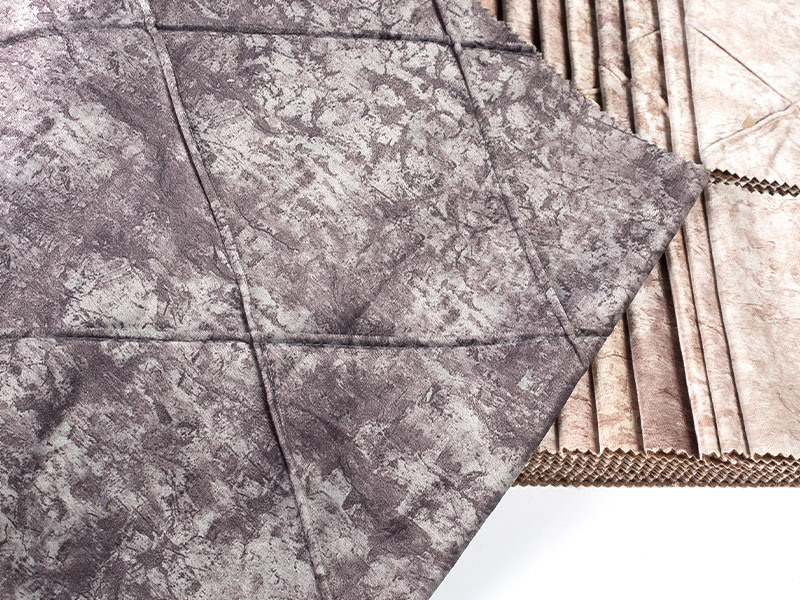
In upholstery, the quilting helps maintain the tautness and shape of cushions, preventing the velvet from stretching or slumping, which are common issues with unbacked velvet. The visual texture also helps to mask signs of wear. In fashion, a velvet quilted jacket not only provides warmth but also drapes beautifully, lending a tailored, structural look thanks to the inherent stiffness the quilting imparts.
In essence, velvet quilted fabric offers a case study in how combining distinct textile techniques can elevate a product, transforming a decorative material into a structured, insulating, and highly functional luxury item. It’s a testament to the enduring appeal of textures that satisfy both our tactile and visual senses.