Language
  English
 中文简体
中文简体 عربى
عربى
Content
Understanding the Composition of Printed Velvet Laminate Fabric
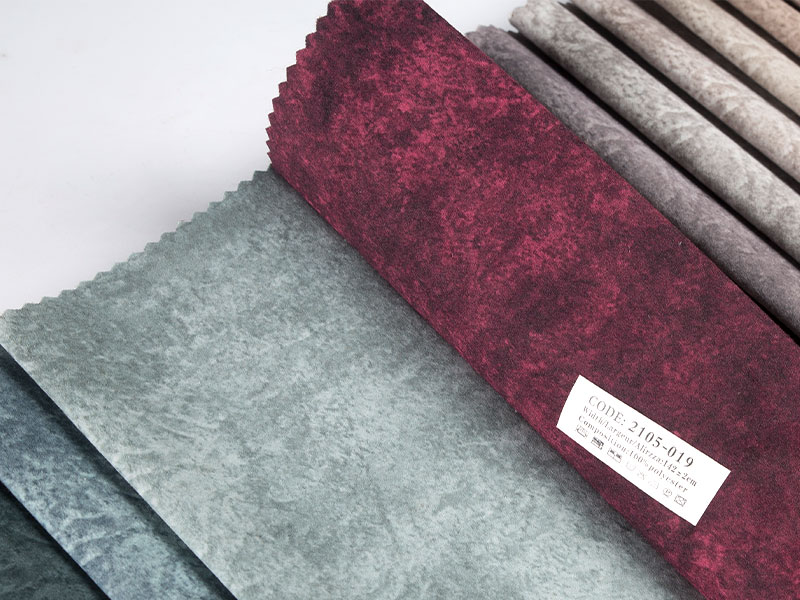
Printed velvet laminate fabric is a sophisticated multilayered textile engineered for both high-end aesthetics and rigorous durability. Unlike traditional velvet, which consists of a single layer of pile and backing, the laminated version features a specialized bonding process. This involves fusing a high-density velvet face—often treated with digital or rotary printing—to a stabilizing secondary layer, such as TPU (thermoplastic polyurethane) or a robust woven poly-canvas. This lamination process prevents the fabric from stretching or warping, making it an ideal choice for heavy-duty upholstery and commercial wall coverings where structural integrity is paramount.
Key Advantages for Modern Design Applications
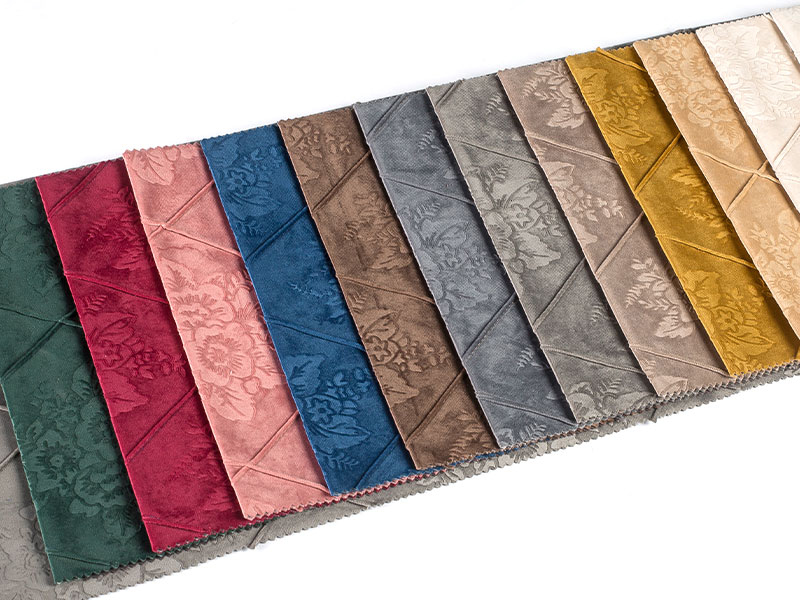
The primary appeal of printed velvet laminate lies in its ability to marry the tactile luxury of "crushed" or "smooth" piles with the technical performance of industrial fabrics. The lamination acts as a moisture barrier, often preventing spills from seeping into the foam or padding beneath the fabric. Furthermore, the printing process allows for intricate, high-definition designs—ranging from photorealistic florals to sharp geometric patterns—that maintain their vibrancy over time due to the synthetic nature of the fibers typically used in the velvet pile.
Performance Comparison Table
| Feature | Standard Printed Velvet | Laminated Printed Velvet |
| Dimensional Stability | Moderate (can stretch) | High (anti-stretch) |
| Water Resistance | Low | High (moisture barrier) |
| Fraying Resistance | Average | Superior (bonded edges) |
Practical Uses in Residential and Commercial Spaces
Because of its reinforced structure, printed velvet laminate is frequently specified for projects that demand a "luxury" look without the fragility of natural silk or cotton velvets. It has become a staple in the hospitality industry, particularly for restaurant booths and hotel headboards. The laminate backing ensures that the fabric can be pulled tight over frames without tearing at the seams, while the printed surface hides wear and tear more effectively than solid-colored alternatives.
- Automotive Upholstery: Used in custom car interiors for a plush, non-slip seating surface.
- Luxury Packaging: Often utilized for lining jewelry boxes or high-end electronics cases.
- Acoustic Wall Panels: The thickness of the laminate helps in sound absorption for home theaters.
Maintenance and Longevity Tips
Maintaining the "nap" or direction of the velvet pile on a laminated fabric requires specific care to ensure the print remains crisp. Since the laminate creates a denser material, it is less breathable than standard velvet, meaning it should be cleaned with specialized solvent-based cleaners or dry foam rather than heavy steam, which could potentially delaminate the layers if the heat is too intense. Regular brushing with a soft-bristled clothes brush is recommended to prevent the pile from flattening in high-traffic areas.
Best Practices for Cleaning
- Vacuum using a soft brush attachment to remove dust from the pile depth.
- Blot spills immediately with a microfiber cloth; do not rub the printed surface.
- Avoid harsh bleach-based detergents which may degrade the laminate bond and fade the print.