Language
  English
 中文简体
中文简体 عربى
عربى
If you are sourcing upholstery fabric and seeing the term "Dutch fleece" in catalogs, here is the short version: Dutch fleece is a warp-knitted, velvet-like pile fabric made almost exclusively from 100% polyester. It gives sofa manufacturers, cushion makers, and home textile brands a soft, dense hand feel with much better dimensional stability than a typical knit fleece, and it can be finished with lamination, embossing, or bronzing to extend its use into curtains, accessories, and even apparel. In our experience running warp-knitting machinery daily, it is one of the most predictable pile fabrics to cut, sew, and clean, which is why it keeps appearing in upholstery orders.
Before you compare prices or request samples, you should understand how it differs from velvet and polar fleece, what properties actually drive its performance, and how finishing choices change its behavior. This guide covers those points directly for buyers and product developers.
Content
What Is Dutch Fleece Fabric?
Dutch fleece is a pile fabric produced on warp knitting machines, not on weaving looms. During warp knitting, yarns are fed from a warp beam to form a stable ground structure while a separate set of pile yarns is lapped over the needles. After knitting, the pile surface is sheared or brushed to a uniform height, producing a dense, velvet-like touch.
The name can be confusing. Some mills call it Holland fleece or Dutch velvet, and others list it simply as warp-knitted velvet. It is not the same as polar fleece, which is a brushed single-knit fabric used for jackets and blankets. Polar fleece has a fuzzy, open surface and is built for warmth; Dutch fleece has a shorter, tighter pile and is built for decorative and upholstery use. If you want a full explanation of the terminology and common traps, our detailed Dutch fleece guide covers the naming variations in depth.
How Dutch Fleece Is Made
The manufacturing route matters because it explains why Dutch fleece behaves differently from other velvet-type fabrics. The main steps are:
- Warp preparation. Polyester yarns are wound onto warp beams with uniform tension so the knitted ground stays even across the full width.
- Warp knitting. The ground is formed on a warp knitting frame. Pile yarns are inserted on the same machine; depending on the fabric design, they form loops that are either cut or left uncut.
- Shearing and brushing. The pile surface is sheared to a consistent height and brushed to open the fibers. This step determines the final hand feel.
- Dyeing. Most Dutch fleece is piece-dyed in jet dyeing machines after knitting. Solid colors are the most common; yarn-dyed versions are used when a jacquard or pattern effect is required.
- Finishing. Anti-pilling treatments, softeners, and stabilizers are applied. For upholstery versions, a woven or nonwoven backing can be laminated to reduce stretch and make cutting easier.
For a more technical breakdown of the fiber and construction details, see our article on what Dutch fleece is made of.
At Tongxiang Medina Textile, Dutch fleece is produced on our eight warp knitting frames and then goes through in-house dyeing, embossing, and lamination lines. This integrated setup lets us control pile density and backing quality without relying on multiple subcontractors, which is the main source of consistency problems in this fabric category.
Key Properties of Dutch Fleece Fabric
The table below summarizes the properties that matter most when you are comparing Dutch fleece with other upholstery fabrics. Treat the ranges as typical for commercial-grade material, not as a specification sheet.
| Property | Typical Range / Behavior | Why It Matters |
|---|---|---|
| Fiber content | 100% polyester | Predictable dyeing, easy care, no natural-fiber variation |
| Weight | 180–320 gsm unbacked | Heavier pile feels more plush; backing adds body |
| Pile height | 1.0–2.5 mm | Shorter pile suits upholstery; longer pile suits decorative use |
| Stretch | Moderate, mainly in width | Cutting and sewing need to account for lay-flat behavior |
| Abrasion | Typically 20,000–40,000 Martindale cycles | Key indicator for sofa and contract seating |
| Pilling | Low when anti-pilling finish is applied | Affects long-term appearance under friction |
| Colorfastness | Good to excellent with disperse dyes | Important for cleaning and light exposure |
The main trade-off is between pile density and cost. A low-cost Dutch fleece with an open pile will feel soft at first but will show the ground fabric after a few months of seating use. A denser pile costs more to produce because it consumes more yarn and requires slower shearing, but it holds its appearance much longer.
What Is Dutch Fleece Used For?
Dutch fleece is a general-purpose pile fabric, and most buyers use it in one of the following ways:
- Sofa and armchair upholstery. This is the most common application, especially for loose covers, fitted slipcovers, and reversible throws.
- Cushions and pillows. The soft face and moderate compression make it comfortable for back and accent pillows.
- Soft beds and headboards. Laminated versions are used as panel covers because the backing keeps the pile flat during wrapping.
- Curtains and drapery. Lighter weights work when you want a velvet look with less bulk.
- Apparel and accessories. Jacket linings, loungewear, and children's clothing use lighter Dutch fleece with a soft hand.
- Pet beds and craft items. The easy-clean surface and low cost make it practical for replaceable covers and DIY projects.
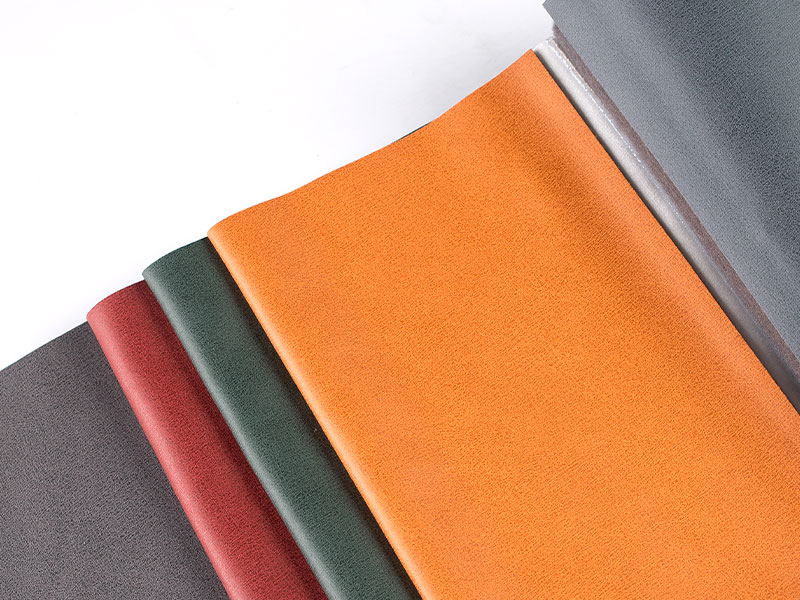
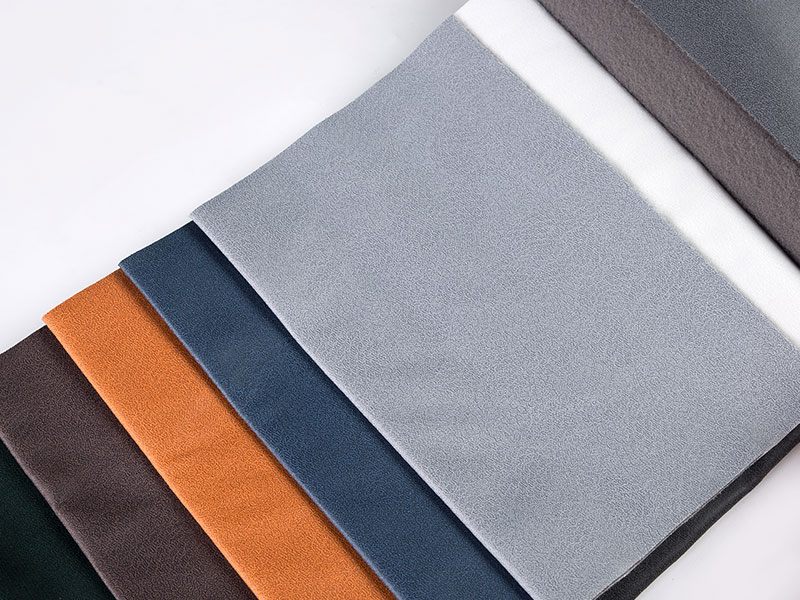
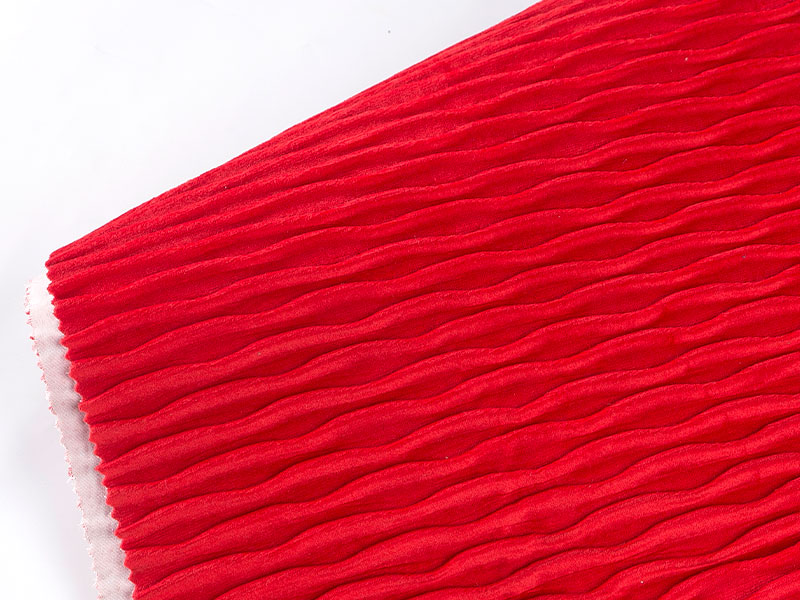
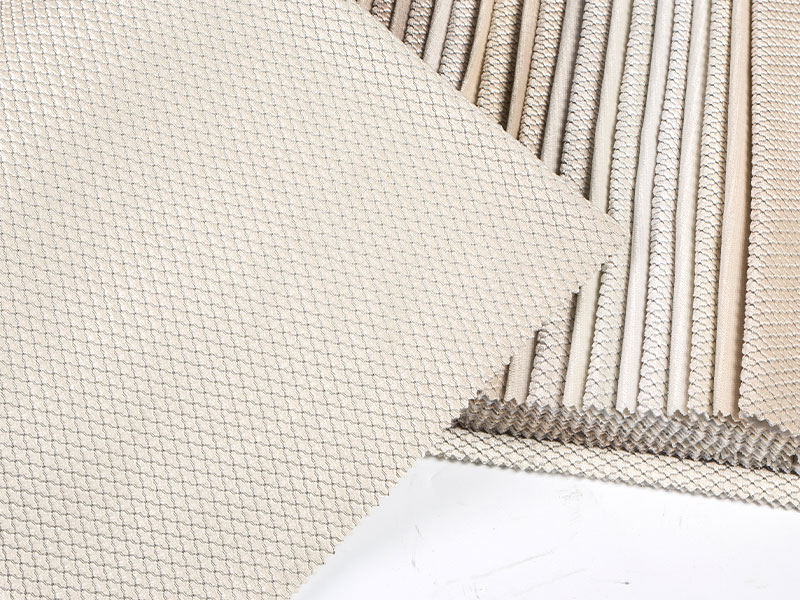
If your project is upholstery-focused, the 100% polyester solid soft Dutch fleece fabric is the version that most customers order first.
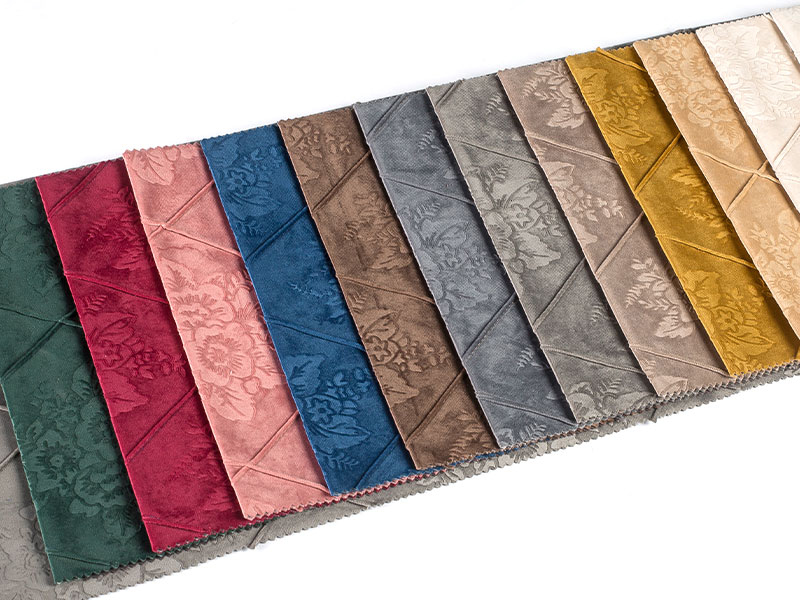
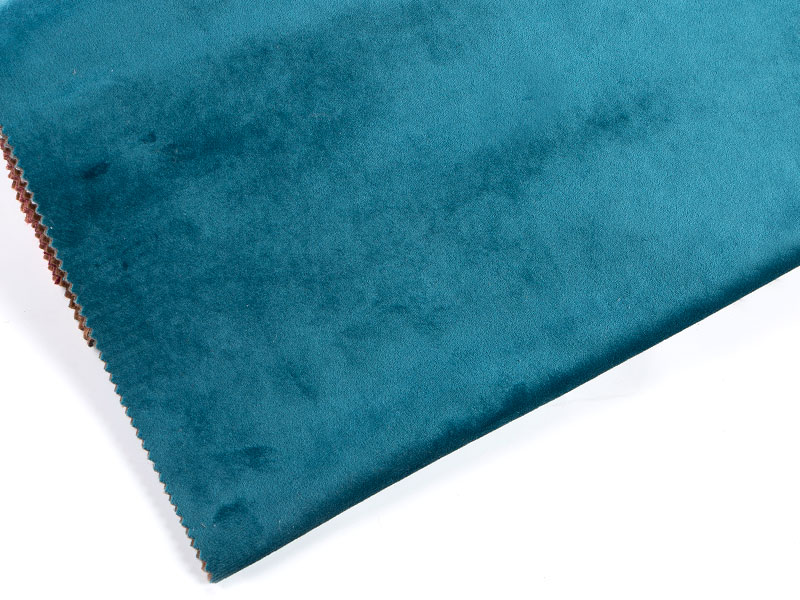 100% Polyester Solid Soft Dutch Fleece Fabric for UpholsteryThis solid soft Dutch fleece is a first-choice upholstery fabric, offered in polyester with customizable dyeing and packaging options from a warp-knit manufacturer.View Product →
Dutch Fleece vs. Velvet vs. Chenille
If you have already compared velvet and chenille, the fastest way to position Dutch fleece is in a side-by-side table.
| Fabric | Construction | Hand Feel | Best Use | Relative Cost |
|---|---|---|---|---|
| Dutch fleece | Warp-knitted pile | Smooth, dense, slightly compact | Sofas, cushions, bedding | $$ |
| Woven velvet | Woven on looms | Supple, drapes well, formal | Curtains, luxury upholstery | $$$ |
| Chenille | Pile yarns woven or knitted | Soft, textured, casual | Sofa covers, throws | $$–$$$ |
Dutch fleece is not a direct substitute for woven velvet in formal drapery, because it does not have the same pliable drape. But for upholstery where the fabric is stretched over foam or frames, the warp-knitted structure is actually easier to handle because it does not slip as much during cutting and sewing.
How to Choose Dutch Fleece for Your Project
When you evaluate a sample or a quotation, focus on these points in order:
- Weight and backing. Ask whether the fabric is unbacked or laminated. Laminated versions are easier for upholstery workshops to cut and sew because they resist stretching.
- Pile density. Fold the fabric and look at the crease line. If the ground shows through when the pile is flexed, use it for decorative items, not for seating.
- Abrasion data. For sofa programs, request the Martindale or Wyzenbeek rub count. Dutch fleece below 20,000 cycles should be limited to light residential use.
- Colorfastness. Rub a damp white cloth across the surface. Heavy dye transfer is a warning sign, especially for darker colors.
- Sample before bulk. Photos cannot show pile compression or hand feel. A 30 cm by 30 cm cutting sample is the minimum you should judge.
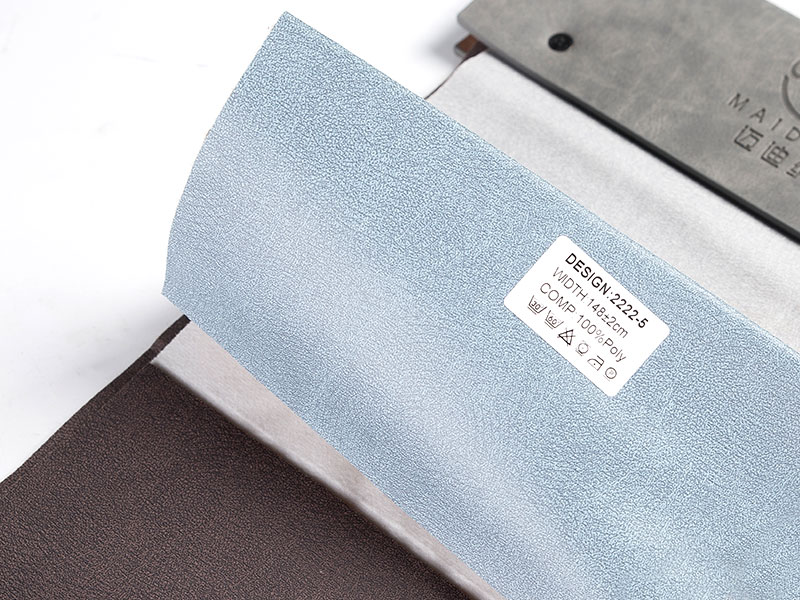
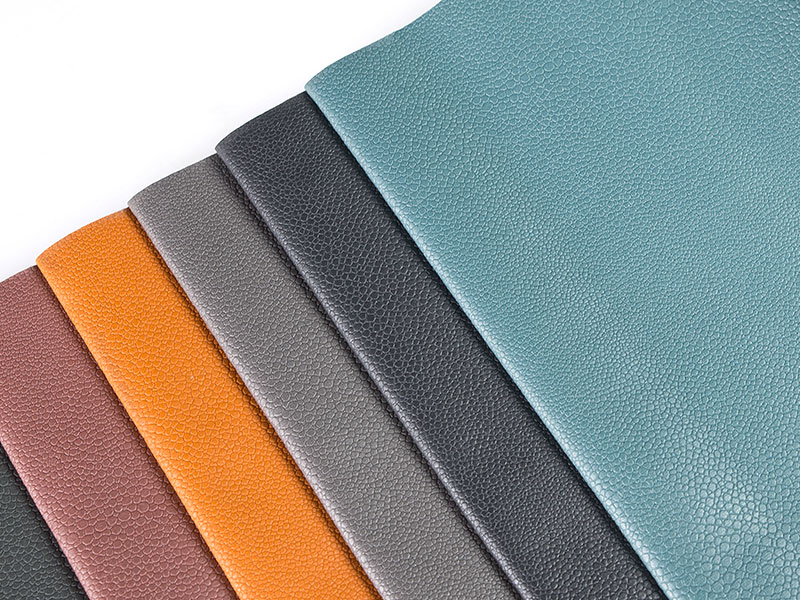
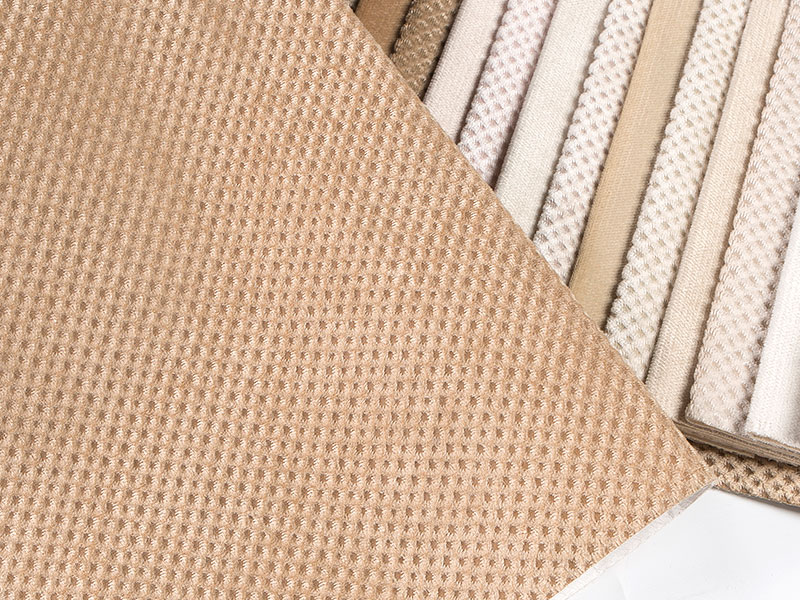
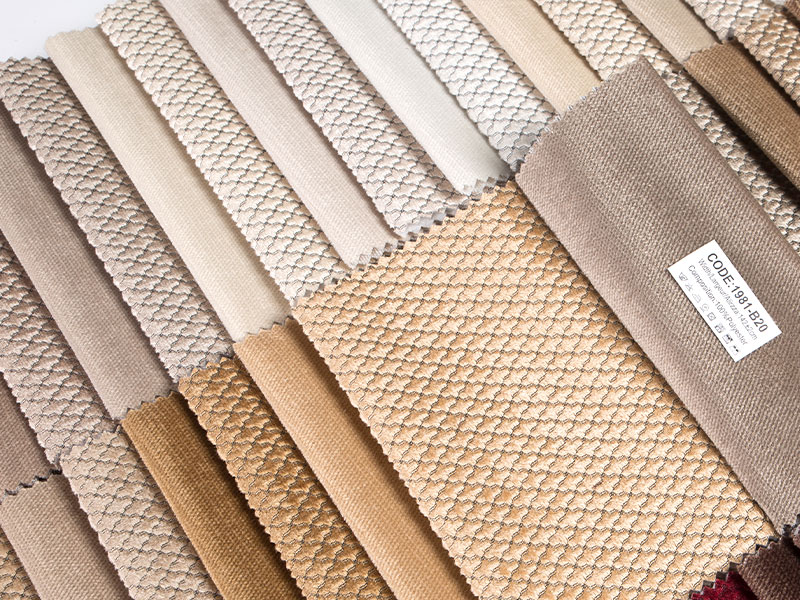
For upholstery and panel wrapping, our dyed laminated warp-knit Holland velvet fleece fabric adds a stabilizing backing that makes sewing and wrapping noticeably easier.
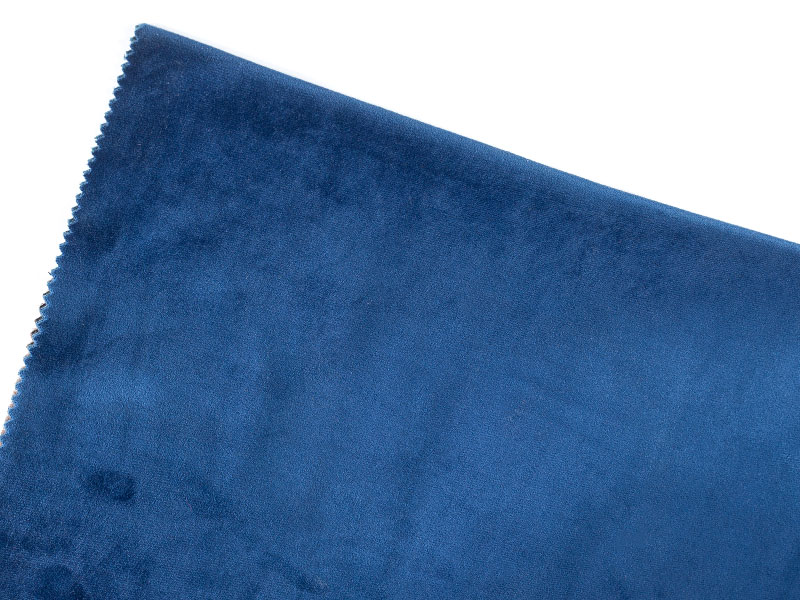 Dyed and Laminated Warp-Knit Holland Velvet Fleece FabricA laminated warp-knit velvet fleece with a stabilizing backing, designed to simplify sewing and panel wrapping while keeping a plush surface.View Product →
Caring for Dutch Fleece Fabric
Dutch fleece is not a high-maintenance fabric, but it does require a few rules to keep the pile looking consistent:
- Vacuum upholstered pieces weekly with a soft brush attachment to remove dust trapped in the pile.
- Blot spills immediately with a clean, dry cloth; avoid rubbing because that flattens the pile permanently.
- Use only mild soap and lukewarm water for spot cleaning. Do not use bleach or fabric softener.
- Machine wash removable covers at 30 °C on a gentle cycle with reduced spin, then air dry flat.
- Do not iron the pile face. If creases appear, use a steam function on the reverse side or hang the fabric in a steamy room.
- Roll fabric for storage instead of folding to avoid permanent crease lines.
Is Dutch Fleece the Right Choice?
Dutch fleece is not a luxurious novelty fabric. It is a workhorse pile textile that balances softness, stability, and cost in a way that is hard to beat for sofas, cushions, bedding, and many accessory applications. The fabric performs best when you confirm the weight, backing, pile density, and abrasion data before placing an order, and when you work with a mill that controls the knitting and finishing steps under one roof.
If you are considering Dutch fleece for a current product line, order a cutting sample, compare a laminated version against an unbacked one, and check how the pile behaves after sewing and steaming. Those small steps will prevent most of the quality surprises that come with pile fabrics.