Language
  English
 中文简体
中文简体 عربى
عربى
Content
Why Couch Fabric Is One of the Most Important Buying Decisions You'll Make
The fabric on your couch does far more work than most people realize. It is touched multiple times every day, exposed to body heat, pet hair, food spills, UV light from windows, and the friction of constant use — all while being expected to look good for years. A sofa frame can last decades, but the upholstery fabric is what most people actually interact with, and it is the most common reason a perfectly functional couch ends up looking worn, stained, or dated long before its structural life is over. Choosing the right couch fabric from the start is genuinely one of the highest-value decisions you can make when furnishing a home.
The challenge is that the couch fabric market is enormous, with dozens of material options ranging from natural fibers like linen and cotton to synthetic powerhouses like microfiber and performance polyester, plus luxurious options like velvet and leather. Each has a completely different performance profile — what works perfectly in a quiet adult household is a disaster in a home with three kids and two dogs. What looks stunning in a showroom may show every crease and pet hair in real-world use. And what feels soft and inviting on day one may pill, fade, or trap odors within a year if it wasn't the right choice for the application.
This guide breaks down every major couch upholstery fabric type with honest, specific detail about durability, cleanability, feel, appearance, and which household situations each one is actually suited for — so you can make a decision based on how you actually live, not just how the fabric looks on a sample swatch.
The Most Important Couch Fabric Specifications to Understand
Before diving into specific fabric types, it helps to understand the technical specifications used to measure and compare upholstery fabric performance. These numbers appear on fabric data sheets and are the objective foundation behind claims like "durable" or "commercial grade."
Rub Count (Martindale or Wyzenbeek)
The rub count is the single most important durability measurement for couch fabric. It measures how many cycles of abrasion the fabric can withstand before showing visible wear, using standardized testing machines. The two most common testing standards are Martindale (used primarily in Europe and internationally) and Wyzenbeek (used primarily in North America). As a practical guide: residential light use requires a minimum of 15,000 double rubs (Wyzenbeek), residential general use should be at least 25,000–30,000 double rubs, heavy residential use with children and pets warrants 40,000+ double rubs, and commercial or contract-grade fabric starts at 100,000 double rubs. When a fabric is described as "heavy duty" without a specific rub count, ask for the number — claims without data are meaningless.
Cleaning Codes
Every upholstery fabric should carry a cleaning code that tells you how it can safely be cleaned. These codes are standardized across the industry and appear on fabric labels or manufacturer documentation. Understanding them before you buy prevents expensive cleaning mistakes. The four codes are: W (water-based cleaning products safe), S (solvent-based dry cleaning products only — water will stain or damage), W-S (both water-based and solvent cleaning products acceptable), and X (vacuum only — no liquid cleaning of any kind). A fabric rated X is extremely high-maintenance and generally unsuitable for households where spills are a realistic possibility.
Fade Resistance (Lightfastness)
UV exposure from natural light through windows causes couch fabric colors to fade over time. Lightfastness is measured on a scale of 1–8 (ISO Blue Wool Scale), where 8 is the most fade-resistant. For sofas placed near windows or in sun-exposed rooms, look for fabrics with a lightfastness rating of at least 5–6. Solution-dyed synthetic fabrics — where color is added to the fiber before extrusion rather than dyed onto the surface — offer the best fade resistance of any couch upholstery material. Many natural fabrics like linen and cotton have relatively poor lightfastness and should be protected from direct, prolonged sun exposure.
Complete Guide to Couch Fabric Types
Here is a detailed breakdown of every major couch upholstery fabric category — what it is, how it performs, and who it is best suited for.
Microfiber (Microsuede)
Microfiber is a tightly woven synthetic fabric made from ultra-fine polyester or nylon fibers — typically less than one denier in diameter, which is finer than a strand of silk. When woven into a short, dense pile, it creates what is commonly called microsuede — a material that looks and feels remarkably like genuine suede leather but costs a fraction of the price and offers dramatically better practical performance. Microfiber sofa fabric is genuinely stain-resistant because its tight weave prevents liquids from penetrating immediately, giving you time to blot spills before they absorb. It resists pet hair better than most fabrics — hair tends to sit on the surface rather than embedding deeply in the weave — and cleans easily with a damp cloth or upholstery cleaner. Rub counts for quality microfiber typically fall in the 30,000–50,000 range, making it one of the most durable everyday couch fabrics available. The main limitations are that microfiber can develop shiny patches in high-wear areas over time, and some people find it feels slightly hot and non-breathable compared to natural fabrics.
Performance Polyester and Performance Fabric
Performance fabric is a marketing term for synthetic upholstery materials — usually polyester or polyester blends — that have been engineered or treated specifically for high durability, stain resistance, and easy cleaning. Brands like Crypton, Sunbrella (brought indoors), and Revolution Fabrics fall into this category. What separates performance couch fabric from standard polyester is the treatment: performance fabrics are either solution-dyed (for fade resistance), treated with fluoropolymer or silicone coatings (for liquid and stain repellency), or constructed with antimicrobial finishes. Many performance fabrics can be cleaned with diluted bleach without damaging the color — a feature that makes them genuinely exceptional for households with young children, pets, or allergy sufferers. Rub counts typically exceed 50,000 double rubs, and many performance fabrics carry 5–10 year stain warranty coverage from the manufacturer. They are available in an enormous range of colors, textures, and patterns that convincingly mimic natural fabrics. The trade-off compared to natural materials is a slightly less premium feel and the environmental considerations associated with synthetic fiber production.
Polyester and Polyester Blends
Standard polyester upholstery fabric — including polyester-cotton and polyester-linen blends — is among the most widely used couch fabric in mid-range furniture. Pure polyester is inherently resistant to stretching, shrinking, and most stains, and it holds color well with decent fade resistance. Polyester blended with natural fibers gives the texture and breathability of the natural component while the polyester adds strength, durability, and wrinkle resistance. The main weakness of standard polyester is pilling — the formation of small fiber balls on the surface in high-friction areas like seat cushions and armrests — which develops over time and makes fabric look worn even when structurally intact. Pill-resistant polyester weaves and higher thread counts reduce this problem. Overall, polyester is a practical, budget-conscious couch fabric choice for moderate-use households.
Velvet and Velvet Upholstery
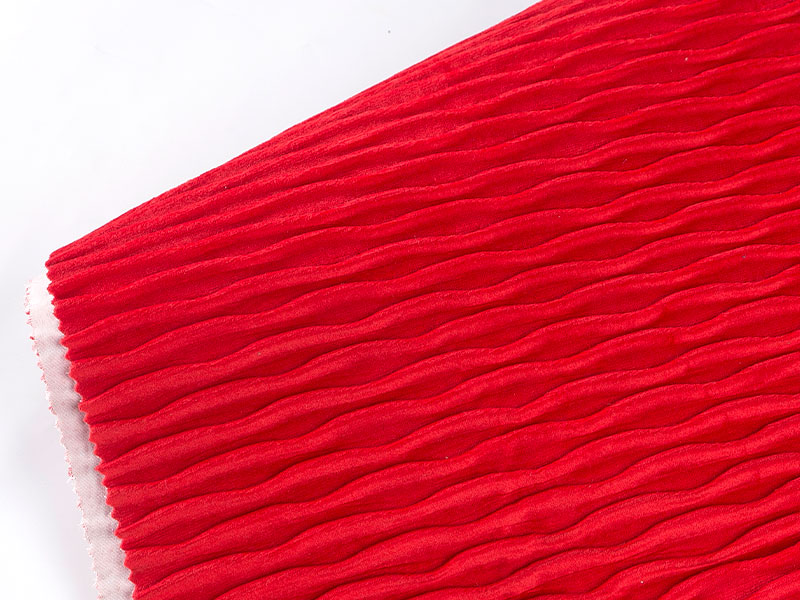
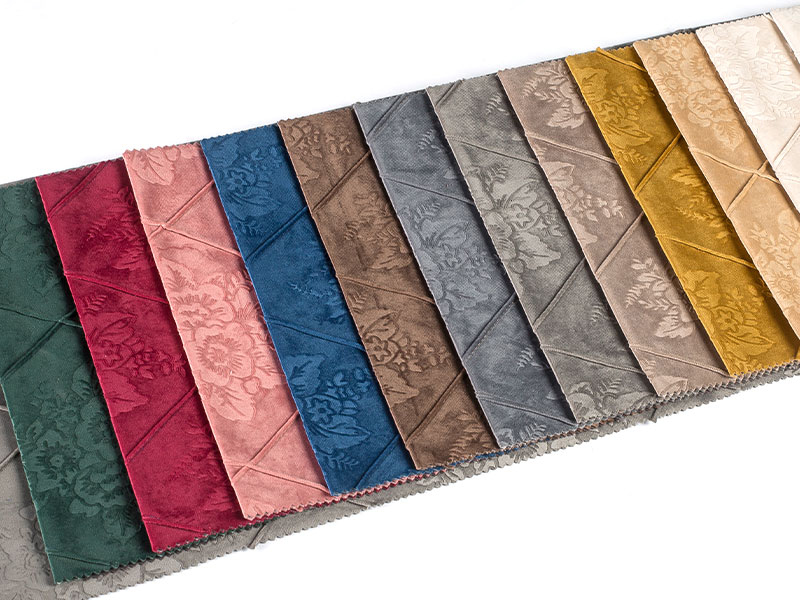
Velvet has experienced a massive resurgence in sofa upholstery over the past several years, and for good reason — few fabrics create a visual impact as immediately luxurious as velvet. The characteristic soft pile of velvet catches light differently depending on the direction it is brushed, creating a depth and richness of color that flat-woven fabrics simply cannot replicate. Modern sofa velvet is almost always a synthetic velvet — typically polyester, cotton-polyester, or viscose pile on a polyester or cotton backing — rather than the delicate silk velvets of historical furniture. Synthetic velvet for couch upholstery offers significantly better durability than its reputation suggests: quality polyester velvet can achieve 30,000–50,000 double rubs and resists staining better than natural velvet. The practical challenges of velvet couch fabric are real, however: it crushes in high-use areas and shows seating impressions, it shows pet hair very visibly (especially on dark-colored velvet), and it requires careful cleaning — most velvet is S or W-S rated, meaning water alone can leave tide marks. Velvet is best suited to lower-traffic living rooms in adult households where its visual drama can be enjoyed without excessive wear concerns.
Linen and Linen Blends
Linen is a natural fiber derived from the flax plant, and linen upholstery fabric has a distinctive textured, slightly nubby weave and a relaxed, organic aesthetic that works beautifully in Scandinavian, coastal, and natural interior styles. Pure linen couch fabric is breathable and cool to the touch — a genuine advantage in warm climates or south-facing rooms — and it has a natural hypoallergenic quality that suits allergy-sensitive households. The honest limitations of linen sofa fabric are significant for practical everyday use: it wrinkles easily and prominently, it is prone to pilling, it stains relatively easily with liquids, and it has one of the weakest abrasion resistances of common upholstery fabrics, typically in the 15,000–25,000 double rub range for pure linen. Linen-polyester blends substantially improve durability and wrinkle resistance while retaining much of linen's visual appeal, and these blended fabrics are generally a more practical choice for sofa upholstery than 100% linen. Linen is best suited to low-traffic formal living rooms, reading nooks, and spaces where aesthetic appeal and comfort are prioritized over maximum durability.
Cotton and Cotton Blends
Cotton is one of the oldest and most versatile upholstery fabrics, available in a huge range of weave types — canvas, twill, jacquard, damask, and more — each with different textures, patterns, and performance characteristics. Cotton couch fabric is soft, breathable, comfortable in all seasons, and easy to dye in a wide range of colors. It is also relatively affordable. The practical challenges with pure cotton upholstery are that it stains easily, wrinkles noticeably under use, fades with UV exposure, and has moderate durability (typically 15,000–30,000 double rubs depending on weave type). Cotton-polyester blends address most of these weaknesses: the polyester component adds abrasion resistance, wrinkle recovery, stain resistance, and fade resistance, while the cotton maintains breathability and a natural feel. Slipcover-style cotton upholstery — where the fabric cover is removable and machine washable — is an excellent solution for the staining weakness, and many families opt for this format specifically to allow easy washing. For fixed upholstery, cotton is better suited to moderate-use environments than high-traffic family rooms.
Leather and Faux Leather
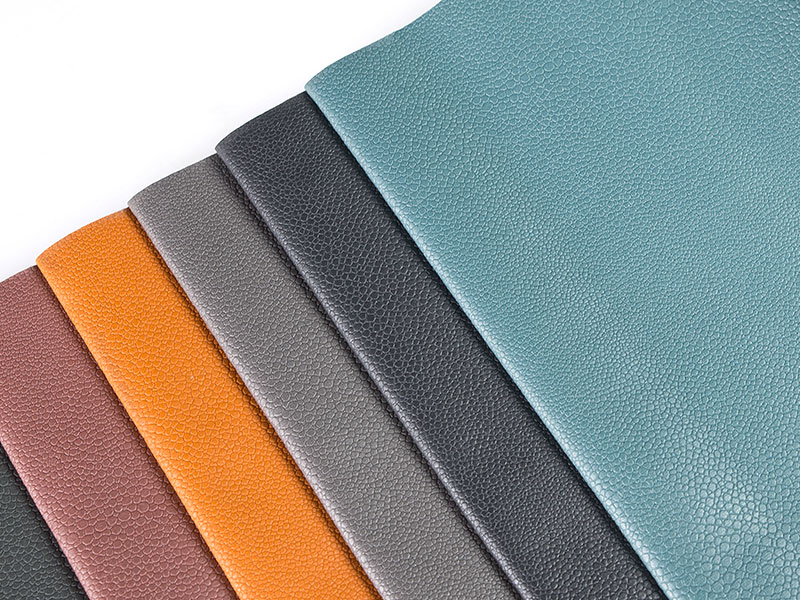
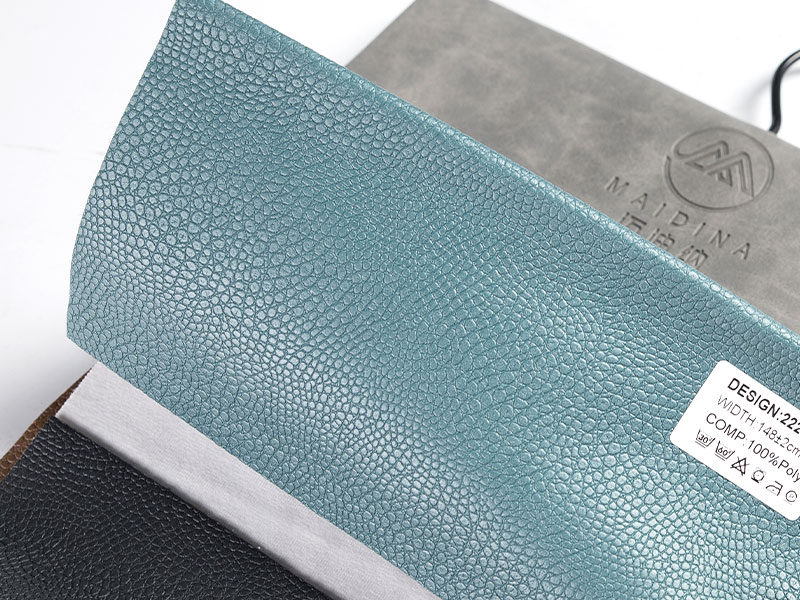
Genuine leather is technically not a fabric but deserves inclusion in any comprehensive couch material guide. Full-grain leather — the highest quality tier, made from the outermost layer of the hide with the natural grain intact — is arguably the most durable couch upholstery material available, developing a rich patina over decades of use rather than deteriorating. Top-grain leather (lightly sanded and finished) and corrected-grain leather (heavily processed with a uniform surface coating) are more affordable but sacrifice some of the character and longevity of full-grain. Leather cleans extremely easily — most spills wipe away before absorbing — and it does not harbor allergens, pet dander, or odors the way fabric does. The practical downsides are significant cost, coldness in winter and stickiness in summer, susceptibility to scratches and punctures (especially from pets), and the need for periodic conditioning to prevent cracking. Faux leather (PU leather, bonded leather, vegan leather) mimics leather's appearance at a lower cost but typically degrades far faster — many bonded leather sofas begin to peel and flake within three to five years of regular use. High-quality PU leather has improved significantly and can last considerably longer, but it still does not match genuine leather's longevity.
Chenille
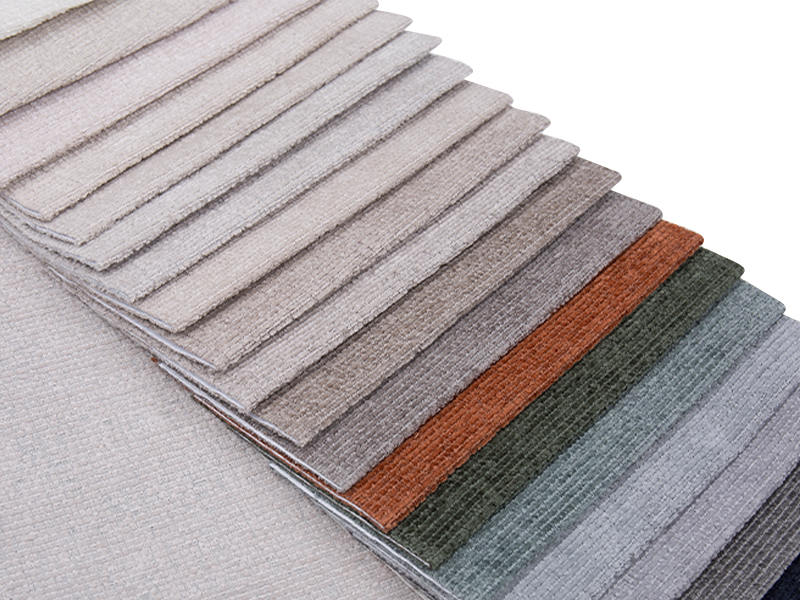
Chenille upholstery fabric has a distinctive fuzzy, caterpillar-like texture created by short lengths of fiber twisted around a core yarn — the word "chenille" is French for caterpillar. It produces an exceptionally soft, plush surface that feels luxurious to the touch and has a subtle sheen. Chenille is typically made from cotton, polyester, acrylic, or a blend, and its thick pile provides reasonable durability — typically 20,000–40,000 double rubs depending on the specific construction. The challenges with chenille couch fabric are that it crushes in high-use areas, shows wear patterns on seat cushions over time, tends to snag if caught on sharp objects (rings, belt buckles, pet claws), and can be difficult to clean thoroughly due to its textured pile trapping debris. Chenille is a good choice for households prioritizing comfort and a cozy aesthetic over maximum durability, particularly in lower-traffic rooms.
Bouclé
Bouclé has become one of the most fashionable couch fabric choices in contemporary interior design — its looped, curly yarn construction creates a textured, almost cloud-like surface that photographs beautifully and creates a distinctive tactile presence in a room. Traditional bouclé is made from wool or wool blends, though modern upholstery bouclé frequently uses polyester, acrylic, or mixed-fiber yarns for improved durability and easier care. The practical limitations of bouclé sofa fabric are important to understand before committing: the looped construction is vulnerable to snagging — a single loop pulled loose by a pet claw, a sharp button, or even a fingernail can run and unravel a significant section of the fabric surface. Bouclé also traps crumbs, pet hair, and debris deeply within its looped texture, making thorough cleaning more challenging than with flat-woven fabrics. It is best reserved for low-traffic adult spaces where its aesthetic appeal can be appreciated without exposing it to the hazards of pets and children.
How to Choose the Right Couch Fabric for Your Household
The best sofa upholstery fabric is not the most beautiful one on the showroom floor — it is the one that performs well under your specific living conditions. Work through these questions to narrow down the right choice for your home:
Households with Children
Young children are brutal on couch fabric — crayon marks, food spills, juice, mud, and the general chaos of daily family life will test any material. The non-negotiable requirements for a family sofa fabric are: high stain resistance, easy liquid cleanup before staining occurs, machine washability or at minimum spot-cleanability with water, and durability above 30,000 double rubs. Performance fabric (especially bleach-cleanable grades like Crypton or Revolution) is the strongest choice for young families and offers the best peace of mind. Microfiber is an excellent second choice that delivers similar practical performance at a lower price point. Both are available in an enormous range of colors and styles. Avoid velvet, bouclé, linen, and other delicate textures in main family living spaces — save those for formal rooms the kids don't use.
Households with Pets
Pets present several distinct fabric challenges: hair, dander, scratching (cats especially), chewing (dogs), muddy paws, and the occasional accident. For cat households, scratch resistance is a primary concern — tightly woven fabrics without loops or loose threads (microfiber, performance fabric, leather) resist claw damage far better than looped or textured fabrics like bouclé, chenille, and velvet, which cats actively damage. For dogs, easy cleanability and odor resistance are priorities — performance fabrics with antimicrobial treatments and leather (which does not absorb odors) both perform well. For hair management, smooth, tightly woven fabrics where hair sits on the surface (microfiber, performance fabric, leather) are far easier to maintain than textured fabrics that trap hair deep in the weave. A lint roller or rubber brush across a microfiber sofa takes minutes; the same task on a chenille or bouclé sofa can take significantly longer with less satisfying results.
Adults-Only or Low-Traffic Households
Households without children or pets have the full range of couch fabric options available to them, including the more delicate materials that would be impractical in busier homes. Velvet, linen, bouclé, and genuine leather all become viable choices when the main concern is aesthetic appeal and comfort rather than extreme durability and stain resistance. In these households, the fabric decision can be driven more heavily by the overall interior design direction — the moody, jewel-toned drama of velvet, the relaxed organic texture of linen, the contemporary sculptural quality of bouclé, or the classic longevity of leather. Even in low-traffic homes, a rub count above 20,000 and a realistic cleaning code (W or W-S rather than X) are sensible baseline requirements.
How to Care for and Maintain Your Couch Fabric
Even the most durable sofa upholstery fabric will deteriorate prematurely without proper care. Here are the maintenance practices that extend the life and appearance of every couch fabric type:
- Blot spills immediately — never rub: The moment a spill occurs, blot it firmly with a clean, dry cloth to absorb as much liquid as possible before it penetrates the fabric. Rubbing spreads the spill wider and drives it deeper into the weave. Work from the outside edge of the spill inward to prevent spreading.
- Vacuum regularly with the upholstery attachment: Weekly vacuuming with a soft upholstery attachment removes dust, crumbs, pet hair, and dry debris before it can work its way into the fabric and cause abrasion or odor buildup. This single habit extends the appearance life of any couch fabric more than any other maintenance practice.
- Rotate and flip cushions regularly: Reversible cushions should be flipped weekly and rotated between positions monthly. This distributes wear, compression, and sun exposure evenly, preventing the disproportionate deterioration of high-use areas like the center seat position.
- Always follow the cleaning code: Before applying any cleaning product to your sofa fabric, confirm its cleaning code and use only approved cleaning methods. Using water on an S-coded fabric, or a solvent cleaner on a W-coded fabric, can permanently damage or stain the upholstery. When in doubt, test any cleaner on an inconspicuous area — under a cushion or on the back panel — before applying it to a visible surface.
- Protect from direct sunlight: Use blinds, curtains, or UV-filtering window film to reduce direct sun exposure on fabric sofas, particularly those made from natural fibers or conventionally dyed fabrics with limited fade resistance. Even moderately sunlit windows can cause visible fading of susceptible fabrics within one to two years.
- Apply fabric protector spray to new upholstery: Fabric protector sprays like Scotchgard create a hydrophobic barrier on the fabric surface that repels liquids and gives you additional time to blot spills before they absorb. Apply to new sofas before first use, and reapply annually or after professional cleaning. Not all fabric types benefit equally — synthetic performance fabrics already have built-in protection, but natural fabrics like linen and cotton benefit significantly.
- Professional cleaning every 12–18 months: Even with diligent home maintenance, professional upholstery cleaning once a year or every eighteen months removes accumulated deep-seated soiling, refreshes fabric appearance, and extends the overall lifespan of the upholstery. Always choose a professional cleaner with specific upholstery experience and confirm they understand your fabric type and cleaning code before proceeding.