Language
  English
 中文简体
中文简体 عربى
عربى
Imagine fitting out a blackout curtain line or a retail display. Light comes through, but so does humidity. The customer asks for a fabric that blocks light, resists moisture, and does not feel stiff like a plastic sheet. Blackout waterproof coated fabric is the answer. In our experience, the most successful orders start with a clear understanding of the coating and the base fabric.
Content
- 1 What Makes a Fabric Both Blackout and Waterproof?
- 2 Key Performance Specifications to Check
- 3 Where Blackout Waterproof Coated Fabric Works Best
- 4 Coated Blackout vs Woven Blackout: What Should You Buy?
- 5 Practical Buying Factors for Fabric Buyers and Designers
- 6 Cleaning and Care Tips for Coated Fabric
- 7 How to Order the Right Blackout Waterproof Coated Fabric
What Makes a Fabric Both Blackout and Waterproof?
Blackout waterproof coated fabric is not a single material. It is a composite. A base textile is woven or warp-knitted from synthetic yarn, usually 100% polyester, and then coated on one or two sides. The coating serves two purposes. First, it physically blocks light from passing through the structure of the weave. Second, it forms a continuous film that stops water droplets from soaking into the fabric.
In our production, the base fabric is warp-knitted polyester. Warp knitting creates a stable, flat surface that accepts the coating evenly. This is important in colour-critical work. If the coating sits unevenly, the shade will look patchy after the fabric is finished. A good coated fabric should show a smooth, uniform surface on the coated side and a clean, comfortable feel on the face side.
Coating Types and Their Practical Differences
There are three common coating systems.
| Coating Type | Light Blocking | Water Resistance | Breathability | Best Use |
|---|---|---|---|---|
| Acrylic | Excellent, up to 99% | Good | Low to moderate | Curtains, indoor shades |
| Polyurethane (PU) | Excellent | Very good | Moderate | Outdoor covers, tents, awnings |
| Foam or PVC lamination | Excellent | Excellent | Low | Tarp, truck covers, heavy-duty uses |
Acrylic coatings are the most common for indoor curtain fabrics. They provide a dense, matte back side that blocks light without making the fabric feel overly stiff. Polyurethane coatings give a better balance of water resistance and flexibility. Foam and PVC laminations are heavier and less suitable for soft goods, but they are the standard for outdoor storage and construction applications.
For most curtain and upholstery applications, a coated polyester base with an acrylic or PU backer gives the best all-round performance. Our 100% polyester blackout waterproof coated fabric is a good starting point for buyers who need a versatile, tested material.
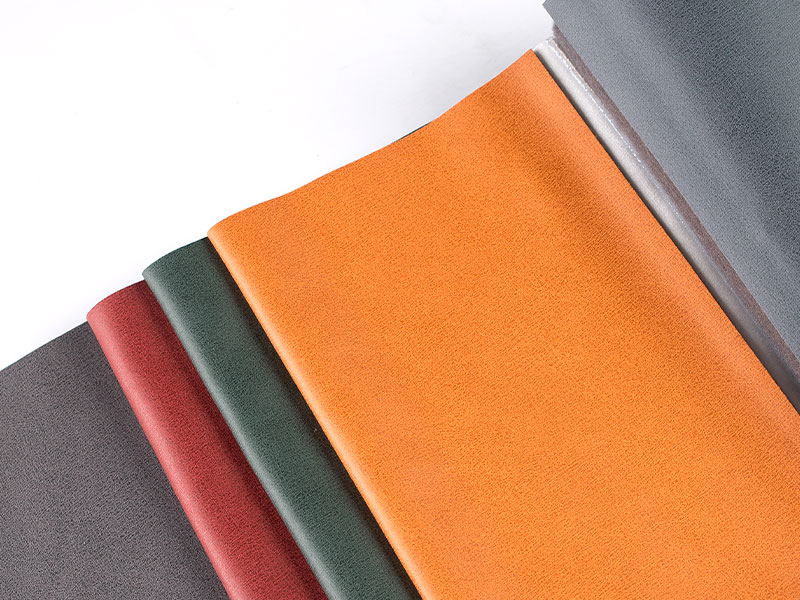
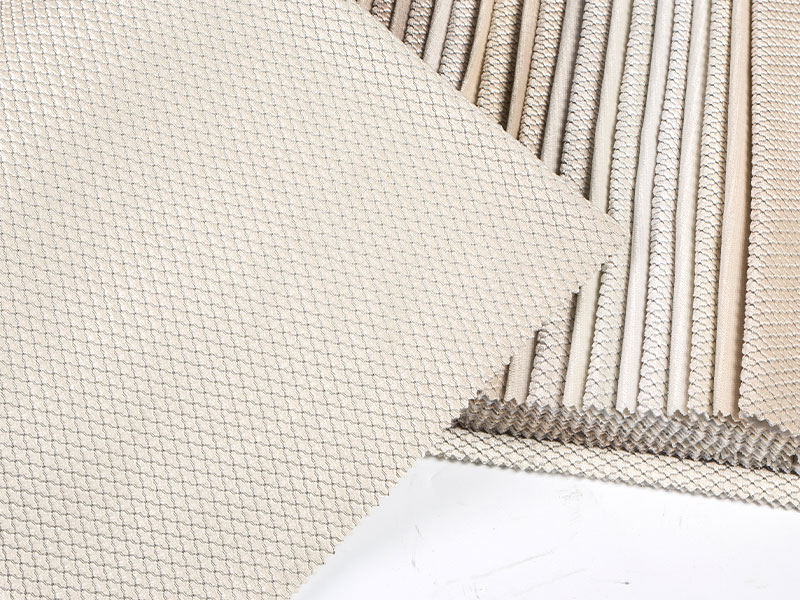
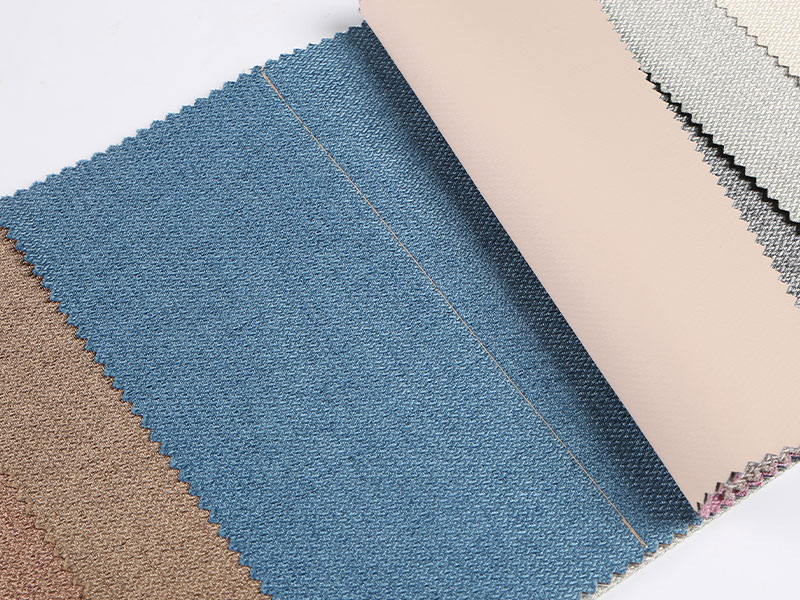 100% Polyester Blackout Waterproof Coated Fabric for CurtainsThis coated polyester fabric offers reliable light blocking and water resistance, making it a versatile base for curtains and upholstery. Its continuous coating helps prevent pinholes, ensuring durability and performance.View Product →
When you compare samples, pay attention to the coated side. The coating should be continuous, without pinholes, because a pinhole will let light leak through and weaken the water barrier.
Key Performance Specifications to Check
Buyers often make the mistake of choosing a fabric only by colour or weight. Performance comes from measurable numbers. The following are the ones we check before shipping a batch.
| Parameter | Typical Standard or Value | Why It Matters |
|---|---|---|
| Light transmittance | 0% to 1% measured with a lux meter | Determines whether the fabric is truly blackout. |
| Water repellency | ISO 4920 grade 3 or higher | Shows how quickly water beads off the surface. |
| Water pressure | Over 300 mm H2O | Indicates resistance to sustained wetness and rain. |
| Weight | 200 to 450 gsm | Affects drape, stiffness, and cost. |
| Colour fastness to light | ISO 105-B02 grade 4 or higher | Prevents fading in sun-exposed installations. |
| Coating adhesion | No flaking after a 30-minute wash cycle | Confirms that the coating will not peel off in use. |
These numbers give you a baseline. In our factory, we perform these tests on every production batch. If any parameter falls outside the agreed range, the batch is reworked or rejected. This is why a reliable supplier should be able to provide test reports, not just sample swatches.
When you ask for a quote, request the exact values you need. For example, if you are buying for a coastal hotel, specify higher water pressure and a higher colour fastness grade. For a home curtain program, focus on light transmittance and drape.
Where Blackout Waterproof Coated Fabric Works Best
Coated blackout fabric earns its keep in any setting where both light management and moisture matter. The two most common are window curtains and outdoor covers, but the profile of the fabric changes between these uses.
Indoor Curtains and Blackout Blinds
In a residential or hotel window application, the main demand is light blockage with a soft drape. A single-sided acrylic coating is usually enough. The coated side faces the window, while the face side remains smooth for the interior. Weight matters here. A heavy coating will pull the fabric down and make it feel stiff, which is uncomfortable for a homeowner.
For commercial interiors, light-blocking performance must hold after every wash cycle. A quality coated fabric can survive repeated cleaning without losing its shade-blocking ability.
Outdoor Shades, Awnings, and Tents
For outdoor shade, patio curtains, or awning covers, the performance profile shifts. The fabric needs UV resistance, water shedding, and dimensional stability. In our production, we apply a coated liner to the outdoor waterproof UV sun protection blackout fabric. This gives a robust layer on the back while keeping the front aesthetically suitable for exposed spaces.
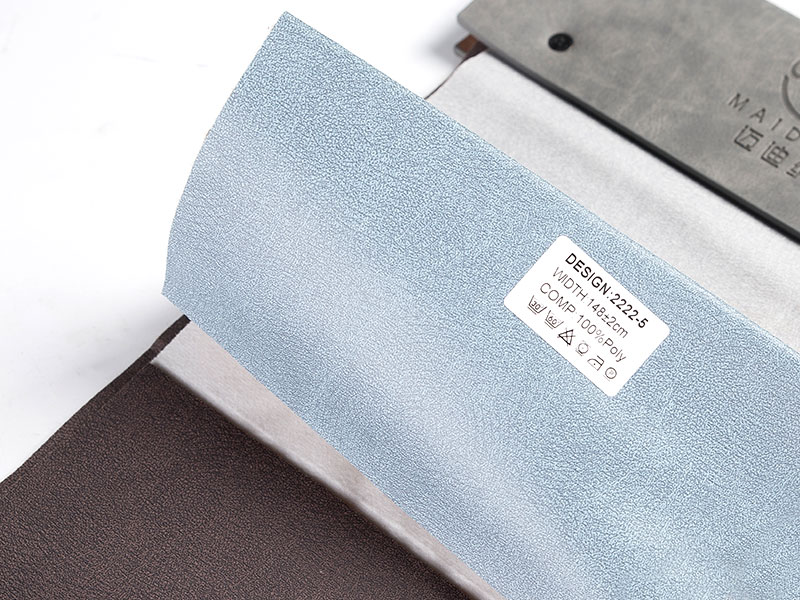
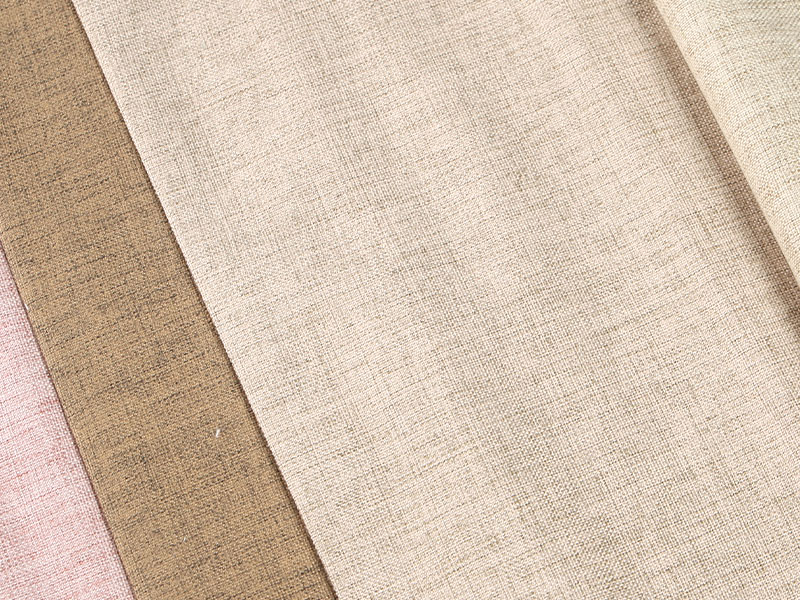 Outdoor Waterproof UV Sun Protection Blackout Fabric with Coated LinerDesigned for outdoor use, this fabric combines UV resistance, water shedding, and dimensional stability. The coated liner adds a robust back layer while maintaining a suitable front appearance for patios and awnings.View Product →
If the fabric will be used in a cold or hot climate, look for a coating that does not soften at high temperatures or crack at low temperatures. This is especially important for geographic regions with wide seasonal swings.
Coated Blackout vs Woven Blackout: What Should You Buy?
The term "blackout" is used for two different structures. A woven blackout fabric uses very dense yarn and a triple-weave construction. It can block a large amount of light without a coating. Coated blackout fabric, by contrast, depends on a chemical film to do the blocking.
Woven blackout is breathable and feels natural, but it is not inherently waterproof. If water sits on the surface, it will eventually absorb. Coated blackout fabric excels when water is part of the picture. It also offers more consistent light-blocking because the coating is continuous across the whole surface.
From a purchasing point of view, coated blackout fabric is often more predictable. We recommend it for projects where the fabric will face rain, condensation, or frequent cleaning. Woven blackout remains a good choice for dry indoor environments where air movement matters more than moisture resistance.
Practical Buying Factors for Fabric Buyers and Designers
When you involve a manufacturer, there are several variables that affect cost and final performance.
- Coating weight per square meter, often expressed in gsm.
- Finish and coating type, because acrylic, PU, and foam behave differently.
- Width of the fabric, which changes how many panels you need.
- Grading, deviation in shade between rolls, and after-print consistency.
- Colour fastness to light and to washing.
- Minimum order quantity and lead time for custom coating.
For residential or project-based work, the soft breathable blackout coated fabric is a strong candidate. It is designed to minimise the stiffness issue while maintaining a high opaque rating. This matters in hotel rooms, apartment blackout curtains, and homestay interiors where guests value both darkness and comfort.
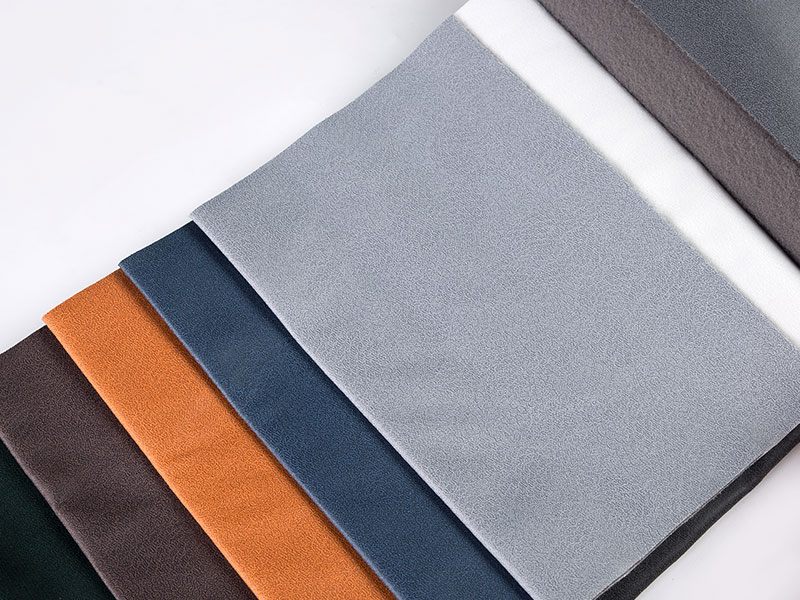
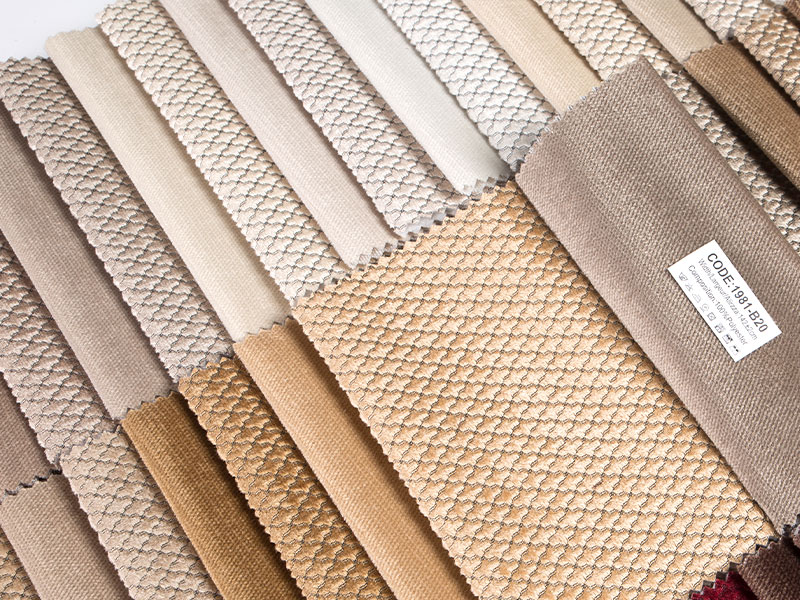
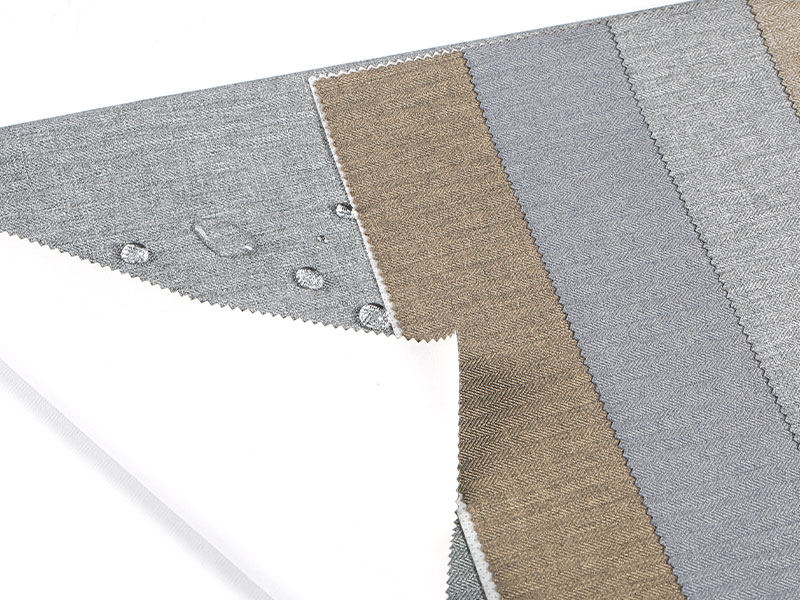 Soft Breathable Blackout Coated Fabric for Residential and HospitalityThis fabric balances softness and breathability with high opacity, reducing stiffness common in blackout materials. Ideal for hotel rooms and homestay interiors, it provides darkness without compromising comfort.View Product →
Before you commit to a large order, read our detailed blackout fabric buying guide. It covers everything from sample testing to installation tolerance.
Cleaning and Care Tips for Coated Fabric
Coated blackout fabric is durable, but it is not indestructible. The coating is a film, and that film needs to stay intact. Avoid machine washing at high temperatures, because a hot wash can soften and strip the coating. In most cases, a gentle wipe with a damp cloth and a mild detergent is enough to remove dust and stains.
If the fabric will be washed in an industrial laundry, use a wool or delicate cycle with a neutral pH detergent. Do not dry clean, because the solvent can blister the coating. For outdoor fabrics, inspect the coated side after heavy use. If you find small cracks or flaking on the coating surface, it is time to replace the panel. A tiny crack will quickly become a leak path for water.
How to Order the Right Blackout Waterproof Coated Fabric
Start by answering three questions: What is the light level, what is the moisture level, and what is the physical environment? A window facing west in a hot climate demands a different coating than an indoor partition in a cool showroom.
Then request samples. A sample shows you the hand feel, the drape, and the exact shade. But it does not show you long-term performance. Before you choose a supplier, ask for a small batch that can be tested in your own machine. That test will reveal whether the coating adheres, whether the colour holds, and whether the fabric starts to crack after folding.
Finally, communicate your acceptance criteria clearly. If you need 99% blackout, put it in writing. If you need 500 mm water pressure, specify the test standard. Clear numbers reduce disputes after delivery. At our factory, we follow this process for every custom order, and it is the reason our buyers stay with the same specification across repeat orders.