Language
  English
 中文简体
中文简体 عربى
عربى
Content
- 1 What Is Blackout Fabric and How Does It Actually Work?
- 2 The Different Types of Blackout Fabric Explained
- 3 Blackout Fabric by the Numbers: A Quick Comparison
- 4 How to Sew with Blackout Fabric: Tips for Clean, Professional Results
- 5 Buying Blackout Fabric by the Yard: What to Look For
- 6 Best Uses for Blackout Material Around the Home
- 7 Caring for and Maintaining Your Blackout Fabric
- 8 Common Mistakes to Avoid When Using Blackout Fabric
What Is Blackout Fabric and How Does It Actually Work?
Blackout fabric is a tightly woven or coated textile specifically engineered to block light from passing through it. Unlike standard curtain fabric or sheer linings, blackout material contains either a dense multi-layer weave, a foam or acrylic coating on the back, or a combination of both. The result is a fabric capable of blocking anywhere from 99% to 100% of incoming light when properly installed — making it one of the most functional materials used in home furnishings today.
The way blackout fabric achieves its light-blocking effect depends on its construction. Coated blackout fabrics use layers of acrylic or polyurethane foam bonded to the back of a base fabric — typically a polyester or cotton-polyester blend. The more coating passes applied, the denser the block. A "triple-pass" blackout coating, for instance, uses three separate layers of coating and is among the most effective at eliminating light entirely. Woven blackout fabrics, on the other hand, rely on an extremely tight thread count and heavy yarn to achieve opacity without any chemical coating at all.
Beyond just blocking light, most blackout fabrics also provide secondary benefits. Thermal insulation is one of the most valued — the dense layers trap air and reduce heat transfer through windows, keeping rooms cooler in summer and warmer in winter. Acoustic dampening is another benefit, as the mass of the fabric helps absorb sound, reducing outside noise penetration. These combined properties make blackout material one of the most versatile and practical textiles available for both residential and commercial use.
The Different Types of Blackout Fabric Explained
Not all blackout fabrics are created equal. There are several distinct types on the market, each with different construction methods, performance levels, and ideal use cases. Understanding the differences will save you from buying the wrong material for your project.
Coated Blackout Fabric
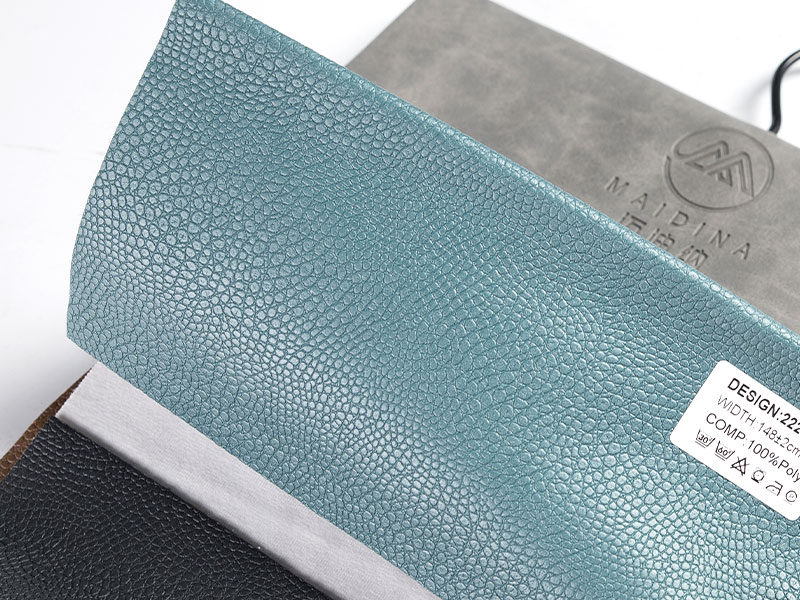
This is the most common type available. A base fabric — often polyester or a poly-cotton blend — is coated on the reverse side with layers of foam or acrylic. Single-pass coatings reduce light significantly but don't block it entirely. Double-pass and triple-pass coatings dramatically improve performance, with triple-pass being the industry benchmark for true blackout performance. Coated blackout fabric is widely available by the yard and is the go-to choice for DIY blackout curtain fabric projects.
Woven Blackout Fabric
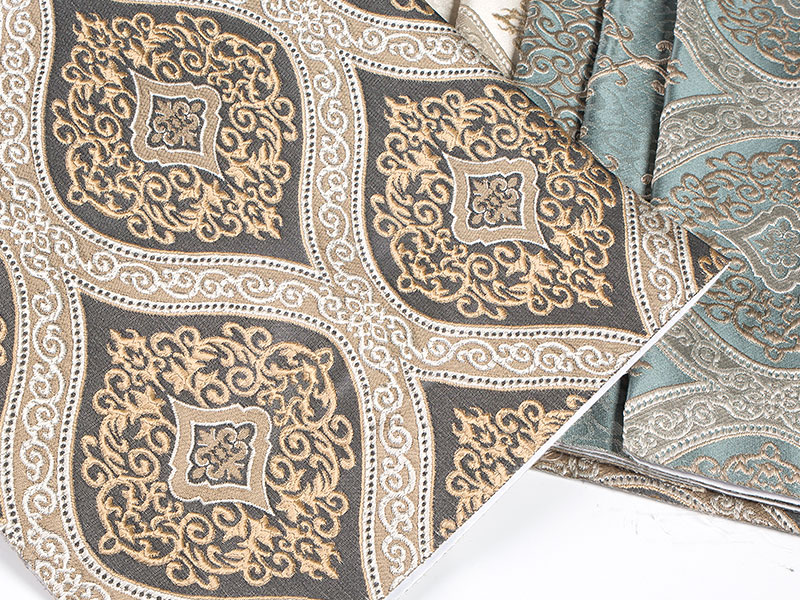
Woven blackout material achieves its opacity purely through fabric construction — no coatings required. Heavy-weight fabrics like thick velvet, chenille, or specially woven jacquard can reach near-total light blockage through dense fiber packing alone. This type tends to be more breathable, drapes more naturally, and is generally considered more premium in appearance. It's also more expensive and harder to source in a wide range of colors and patterns.
Blackout Lining Fabric
Blackout lining fabric is designed to be sewn or attached to the back of an existing decorative curtain fabric, rather than used as a face fabric itself. It typically comes in white, cream, or black and is sold by the yard specifically for curtain construction. This is a practical approach for anyone who wants to keep their favorite decorative fabric on the front while adding a functional light-blocking layer behind it. It also protects the face fabric from UV degradation.
Thermal Blackout Fabric
Thermal blackout fabric adds an extra layer of insulating material — sometimes a metallic film or additional foam layer — to enhance energy efficiency beyond what standard blackout fabric provides. These fabrics are specifically engineered for windows in climates with extreme temperatures, and they can make a measurable difference in heating and cooling bills over time. They're heavier and stiffer than standard options, which is worth accounting for during installation.
Room Darkening vs. True Blackout Fabric
It's important to distinguish between "room darkening" and "blackout" fabrics. Room darkening material typically blocks around 85–99% of light, leaving some visible glow around the edges or through the fabric itself. True blackout fabric blocks 99–100% of light. For shift workers, infants' nurseries, home theaters, or photographers' darkrooms, the distinction matters significantly. Always check the product's stated light-blocking percentage before purchasing.
Blackout Fabric by the Numbers: A Quick Comparison
To make it easier to compare types side by side, here's an overview of the main blackout fabric categories and their key performance characteristics.
| Fabric Type | Light Blocking | Insulation | Drape Quality | Best Use |
| Single-Pass Coated | 85–90% | Moderate | Good | Living rooms, bedrooms |
| Triple-Pass Coated | 99–100% | High | Moderate | Nurseries, shift workers, theaters |
| Woven Blackout | 95–100% | High | Excellent | Premium curtains, formal rooms |
| Blackout Lining | 99–100% | Moderate–High | Depends on face fabric | Backing for decorative fabrics |
| Thermal Blackout | 99–100% | Very High | Stiff | Energy-saving, extreme climates |
How to Sew with Blackout Fabric: Tips for Clean, Professional Results
Sewing blackout curtain fabric is manageable for anyone with basic sewing skills, but the material does have some quirks that can trip you up if you're not prepared. The most important thing to understand upfront is that coated blackout fabrics do not like being pinned repeatedly or handled roughly — the coating can crack, peel, or leave permanent pin holes that let light through. Here's how to work with it properly.
Cutting Blackout Fabric Accurately
Always cut blackout fabric on a large, flat surface. Use sharp fabric scissors or a rotary cutter with a self-healing cutting mat — dull blades will drag and distort the material. Mark your cutting lines on the back (coated) side using tailor's chalk or a fabric marker so your marks don't show on the face. Measure twice and cut once, because the coating means you can't easily press out fold marks if you need to re-cut.
Pinning and Holding the Fabric in Place
Minimize pinning as much as possible when working with coated blackout material. Use binding clips, Wonder Clips, or fabric weights to hold pieces together instead. When you do need to pin, place pins within the seam allowance only so any holes end up hidden in the finished seam. For woven blackout fabric, standard pinning is fine since there's no coating to damage.
Choosing the Right Needle and Thread
Use a sharp universal needle in size 80/12 or 90/14 for coated fabrics. A dull or incorrectly sized needle will skip stitches or pucker the coating. For heavier woven blackout fabrics, go up to a 100/16 needle. Polyester all-purpose thread is the most suitable choice — it has enough stretch to accommodate the fabric's weight without snapping under tension.
Pressing and Ironing Safely
Never iron directly on the coated side of blackout fabric — the heat will melt or bubble the coating instantly. Always iron on the fabric (face) side with a pressing cloth, and use a low to medium heat setting. For woven blackout fabrics like velvet or chenille, use a velvet pressing board or iron on the reverse to avoid crushing the pile. Avoid steam on coated fabrics as moisture can affect the adhesion of the coating layers.
Finishing Hems and Edges
Coated blackout fabric doesn't fray significantly at cut edges because the coating holds the weave together, but a clean double-folded hem still gives the most professional finish. For added convenience, iron-on hemming tape can be used on the fabric side — just avoid the coated side. Sew hems with a straight stitch at a medium stitch length (2.5–3mm). Topstitching from the face side gives the cleanest visible result.
Buying Blackout Fabric by the Yard: What to Look For
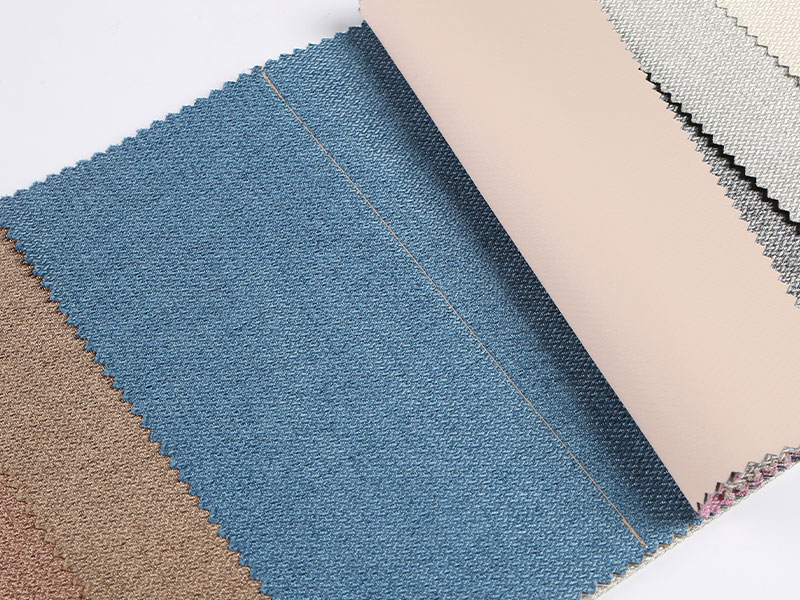
Purchasing blackout fabric by the yard gives you the most flexibility for custom projects, but the sheer number of options available can be overwhelming. Here are the most important specification details to evaluate before you buy.
- Light-blocking percentage: This should always be listed. Look for 99–100% if you need true blackout performance. Be skeptical of listings that only say "blackout" without specifying a percentage.
- Width of the fabric: Standard blackout fabric comes in widths of 54 inches, 60 inches, or sometimes 110–118 inches (wide-width). Wide-width options reduce the need for seaming on large windows, which preserves the light-blocking integrity of the finished curtain.
- Weight per yard: Heavier fabric generally provides better light blocking, insulation, and drape. For standard bedroom curtains, 7–10 oz per yard is typical. For premium applications, 12 oz and above offers a noticeably more substantial result.
- Coating type and passes: If it's a coated fabric, check whether it's single, double, or triple-pass. Triple-pass is the standard for true blackout performance and is also more durable over time with proper care.
- Washing instructions: Not all blackout fabrics are machine washable — some coated versions must be dry-cleaned only, as repeated machine washing can degrade the coating. If easy care matters to you, look specifically for machine-washable blackout fabric and verify the temperature rating.
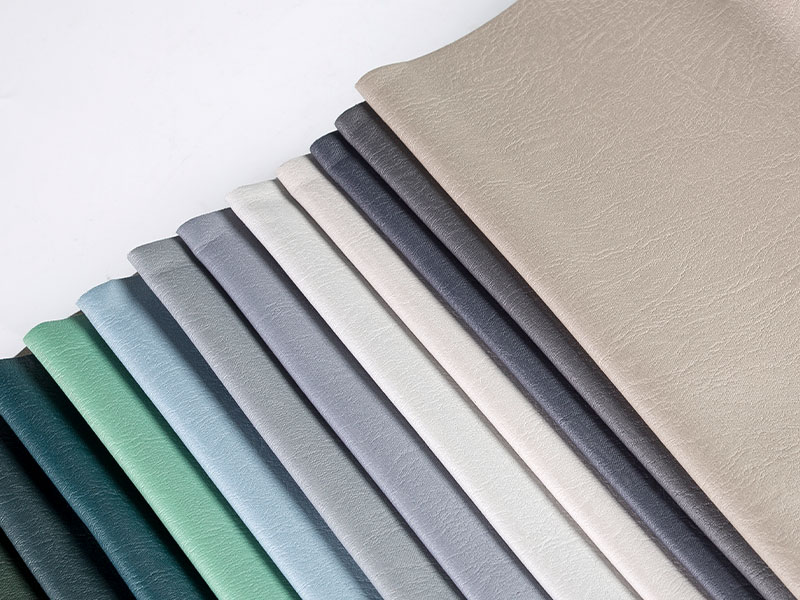
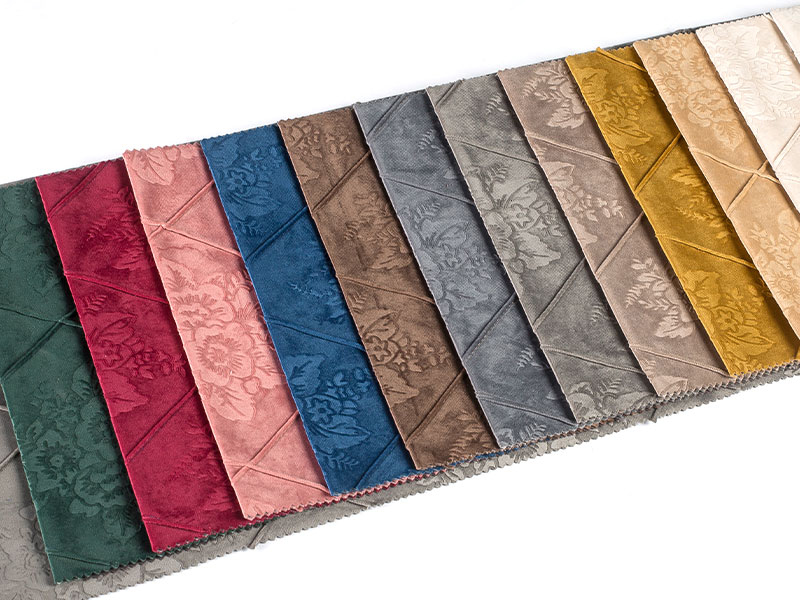
- Color options: Most blackout lining fabric comes in white, cream, or black. Face-fabric blackout material is available in a broader range of colors and patterns, but darker colors tend to perform slightly better as they absorb rather than reflect light around edges.
Best Uses for Blackout Material Around the Home
Blackout fabric is most commonly associated with curtains, but its applications extend well beyond window treatments. Understanding where it performs best helps you get the most out of this versatile material.
Bedroom Curtains and Drapes
This is the most popular application by far. Blackout curtains made with triple-pass coated or woven blackout fabric create a genuinely dark sleep environment, which is particularly valuable for people sensitive to early morning light, those working night shifts, or anyone in an urban area with significant ambient street lighting. The thermal properties also help regulate bedroom temperature — keeping the room cooler in summer reduces the need for air conditioning overnight.
Nursery and Children's Room Window Treatments
Pediatric sleep specialists frequently recommend blackout conditions for infant and toddler sleep, as young children's circadian rhythms are more easily disrupted by light. Blackout fabric for nurseries should be non-toxic and free of heavy chemical finishes — look for OEKO-TEX certified options, which confirm the fabric has been tested for harmful substances. The addition of thermal blackout lining also helps keep nurseries at a consistent temperature, which is important for infant comfort and safety.
Home Theater Rooms
For a proper home cinema experience, controlling ambient light is essential to image contrast and clarity. Blackout material on all windows — including any skylights — is the most cost-effective way to achieve this. In home theaters, aesthetics often matter too, so woven blackout fabrics in deep charcoal, navy, or black are popular for their combination of function and atmosphere. Wall-to-wall blackout curtain fabric panels can also double as acoustic panels to improve room sound quality.
Photography Darkrooms and Studio Spaces
Traditional film photography darkrooms require total light exclusion during printing and developing. Blackout fabric stapled or tensioned across windows and door gaps provides a cost-effective, removable solution compared to permanent structural modifications. For studio photography spaces, blackout material on windows enables precise artificial lighting control without interference from variable natural light.
Van Conversions and Camper Builds
The van life and overlanding community has adopted blackout fabric enthusiastically for window coverings in converted vehicles. Blackout fabric cut to fit window shapes and held with hook-and-loop fastener tape provides privacy and darkness for sleeping while camping in lit areas. The thermal insulation benefit is particularly valuable in vehicles where temperature regulation is challenging.
Caring for and Maintaining Your Blackout Fabric
Proper maintenance will significantly extend the life of your blackout material and preserve its light-blocking performance. The care approach depends largely on whether your fabric is coated or woven.
For coated blackout fabrics, gentle handling is essential. Regular vacuuming with a soft brush attachment removes dust without stressing the coating. Spot clean stains immediately using a damp cloth and mild soap — avoid rubbing aggressively as this can crack or lift the coating at the surface. Many coated blackout fabrics are labeled dry-clean only; if machine washing is permitted, use a cold delicate cycle, place the fabric in a mesh laundry bag, and never tumble dry on high heat.
Woven blackout fabrics like velvet or heavy jacquard are generally more durable in washing but still benefit from a gentle cycle and cool water. Velvet in particular should always be hung to dry rather than placed in a dryer, as heat and tumbling crush the pile permanently. Line drying all blackout curtain fabric rather than machine drying is the single best habit for preserving longevity.
One issue that affects coated blackout fabric over time is coating delamination — where the foam or acrylic backing begins to separate from the base fabric. This often appears as peeling, flaking, or a sticky residue on the back of the curtain. Unfortunately, once delamination begins it cannot be reversed, but it can be delayed by avoiding prolonged exposure to direct sunlight on the coated side, keeping fabric away from excessive humidity, and following proper washing protocols from the start.
Common Mistakes to Avoid When Using Blackout Fabric
Even with the right fabric in hand, a few common oversights can undermine the performance of your finished blackout curtains or panels. Being aware of these in advance makes the difference between a truly dark room and one that still lets in a frustrating amount of light.
- Not accounting for light gaps around the edges: Even 100% blackout fabric won't eliminate light entirely if the curtain doesn't extend well beyond the window frame. Mount your curtain rod at least 4–6 inches beyond the window on each side and extend the fabric to the floor to minimize side and bottom light bleed.
- Using insufficient fabric fullness: Curtains need 1.5x to 2x the window width in fabric to hang with proper fullness and create adequate light overlap when closed. Skimping on fabric width leaves gaps at the center and sides.
- Choosing the wrong coating level for the application: A single-pass coating is fine for a living room where some ambient light is acceptable, but completely inadequate for a nursery or home theater. Match the coating specification to the actual light-blocking need.
- Ironing the coated side directly: This is the fastest way to permanently damage blackout fabric. Always iron on the face side with a pressing cloth, or use a steamer held at a distance.
- Ignoring the ceiling-to-floor installation option: For maximum light blocking and an upscale look, floor-to-ceiling blackout curtains are far more effective than curtains that stop at the window sill. The extra fabric investment is worthwhile for any serious light-blocking application.