Language
  English
 中文简体
中文简体 عربى
عربى
Content
Understanding the Structural Excellence of Warp Knitted Flannel
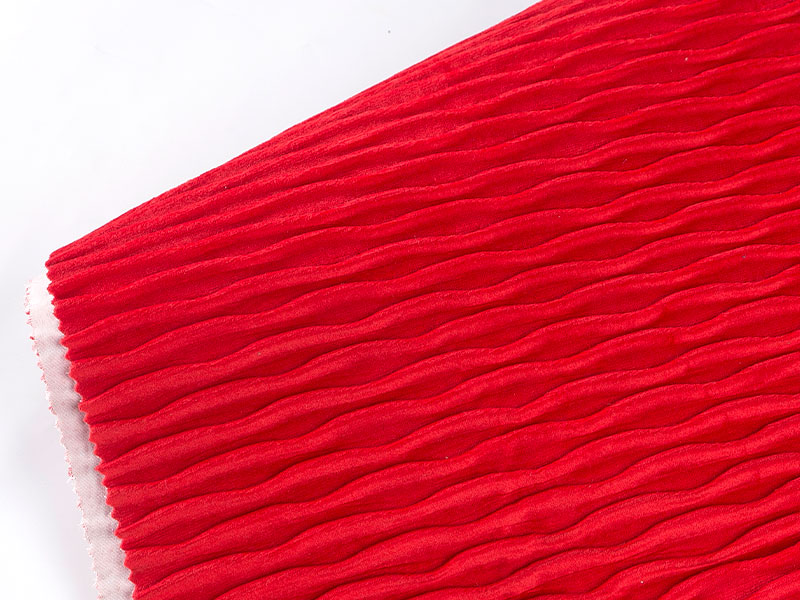
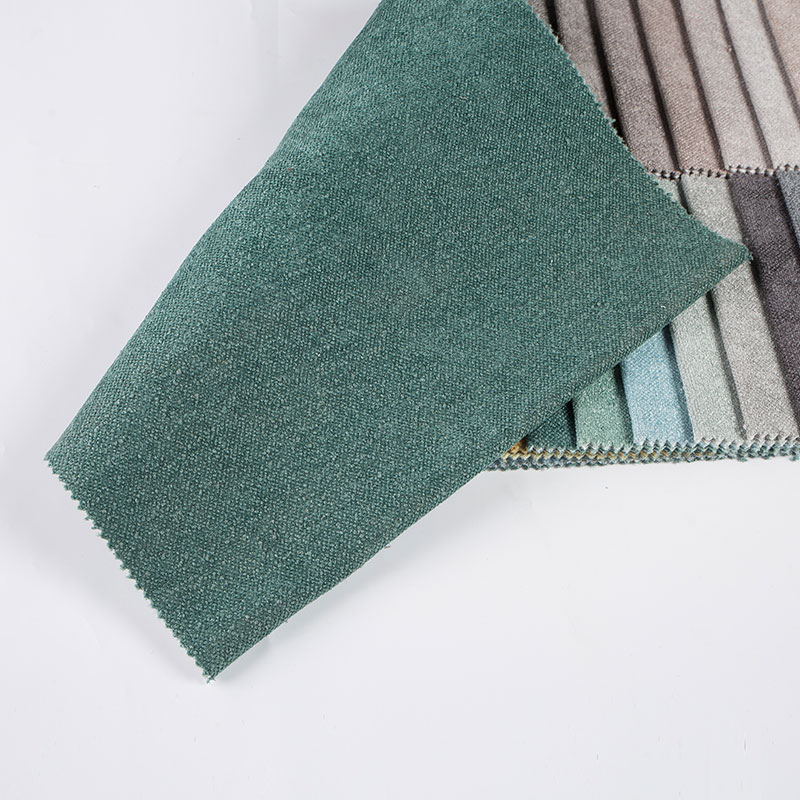
Warp knitted flannel is a sophisticated textile engineered through a specific knitting process where the yarn zigzags along the length of the fabric, rather than following a single row. Unlike traditional weft knitting, this warp technique creates a series of loops that are interconnected vertically, resulting in a fabric that is significantly more stable and resistant to runs or fraying. The "flannel" finish is achieved through a meticulous brushing process, often referred to as napping, which lifts the fibers on the surface to create a soft, fuzzy loft. This combination of structural integrity and surface softness makes it a preferred choice for high-end blankets, loungewear, and industrial linings.
Technical Specifications and Material Composition
Most modern warp knitted flannel fabric are composed of 100% polyester or a polyester-spandex blend to ensure durability and elasticity. The density of the fabric, measured in GSM (grams per square meter), typically ranges from 180 to 350, depending on the intended use. Because the loops are locked in place during the knitting process, the fabric maintains its shape even after repeated wash cycles, a common pain point with traditional woven flannels.
| Feature | Warp Knitted Flannel | Woven Flannel |
| Elasticity | High (Natural Stretch) | Low (Rigid) |
| Durability | Run-resistant | Prone to fraying |
| Breathability | Excellent | Moderate |
Key Advantages for Manufacturers and Consumers
The adoption of warp knitted flannel across various industries is driven by its unique performance characteristics. Beyond the tactile comfort, the fabric offers practical benefits that enhance the longevity of the final product. Its ability to retain heat while allowing moisture vapor to escape makes it an ideal year-round textile.
Superior Dimensional Stability
One of the standout features of warp knitting is its dimensional stability. Unlike weft knits (like jersey) that tend to curl at the edges or stretch out of shape, warp knitted flannel stays flat and consistent. This makes the cutting and sewing process much more efficient for garment manufacturers, reducing waste and ensuring a higher quality finish.
Pilling Resistance and Surface Integrity
High-quality warp knitted flannel undergoes an anti-pilling treatment during the finishing stage. This ensures that the soft, brushed surface remains smooth and free of "pills" or small fiber balls even after extensive friction and laundering. The tight interlocking of fibers prevents the shedding that is often associated with cheaper fleece materials.
Diverse Applications in Modern Markets
Because of its versatility, warp knitted flannel is no longer restricted to traditional pajamas. It has successfully moved into technical and aesthetic sectors:
- Home Textiles: Premium weighted blankets, throw pillows, and ultra-soft bed sheets.
- Apparel: Hoodies, thermal underwear, and moisture-wicking athletic jackets.
- Automotive: Soft-touch interior linings and protective seat covers.
- Upholstery: Durable yet plush fabric covers for contemporary furniture.
Care and Maintenance Guidelines
To maintain the "cloud-like" feel of warp knitted flannel, specific care instructions should be followed. While the fabric is robust, improper washing can flatten the napped fibers. It is recommended to wash in cool or lukewarm water using a mild detergent. Avoid the use of fabric softeners, as these can coat the synthetic fibers and reduce their natural breathability. Tumble drying on a low heat setting or air drying is ideal to prevent heat damage to the polyester filaments, ensuring the fabric remains soft for years.