Language
  English
 中文简体
中文简体 عربى
عربى
Content
Understanding the Composition and Texture of Jacquard Fleece
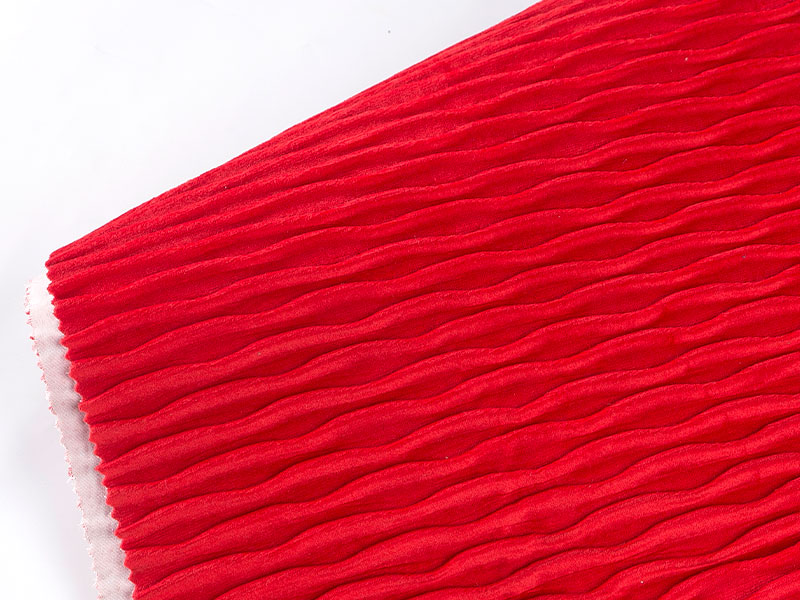
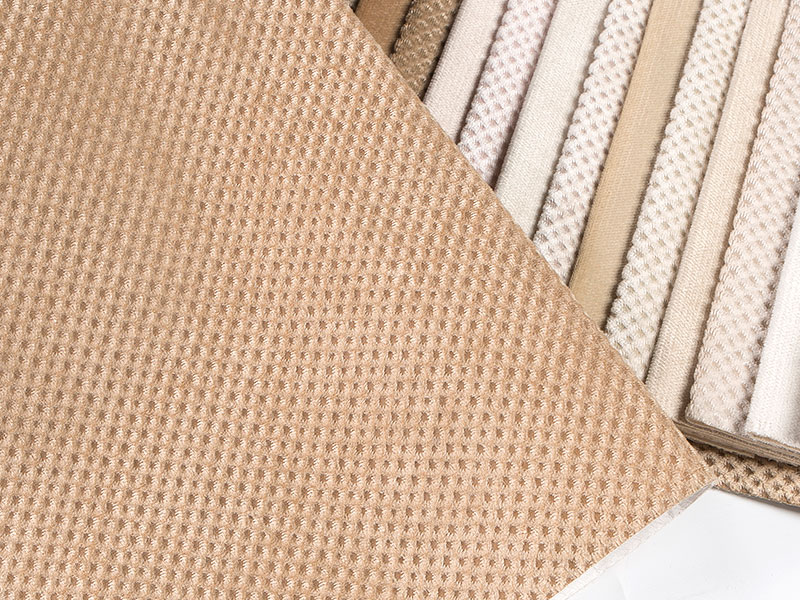
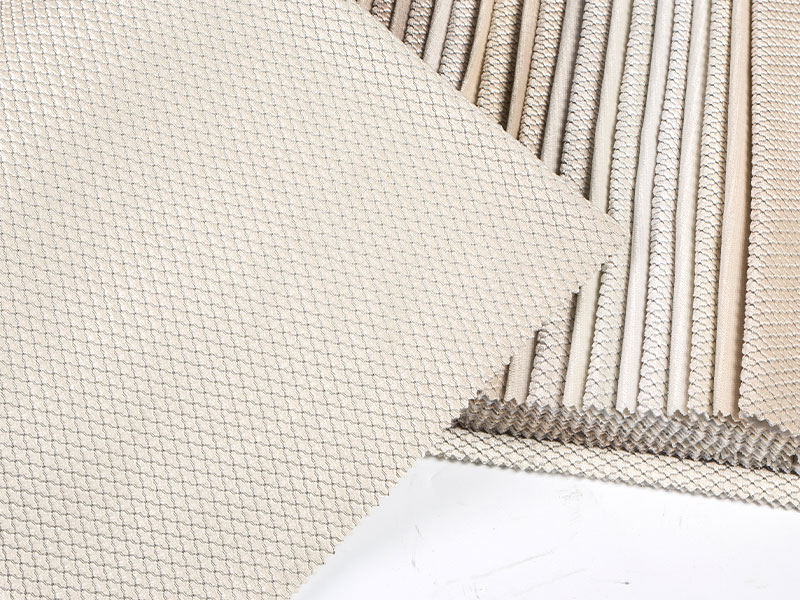
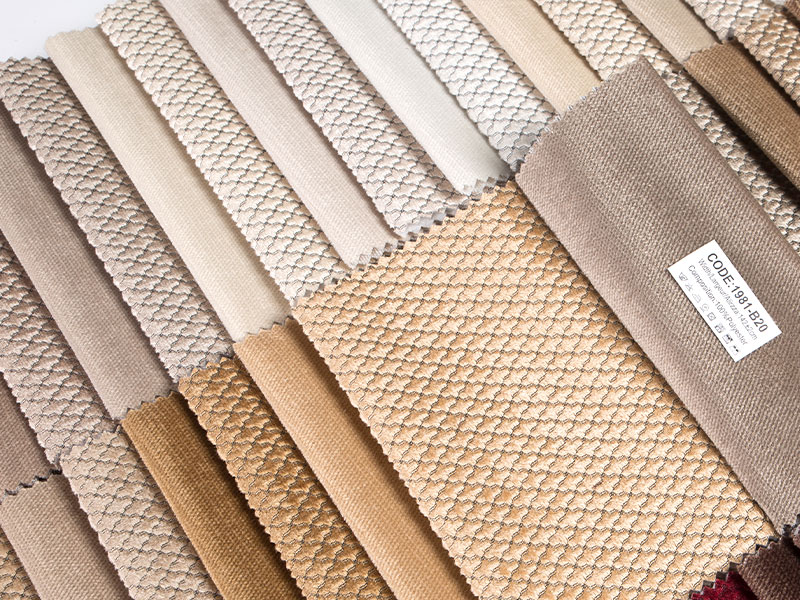
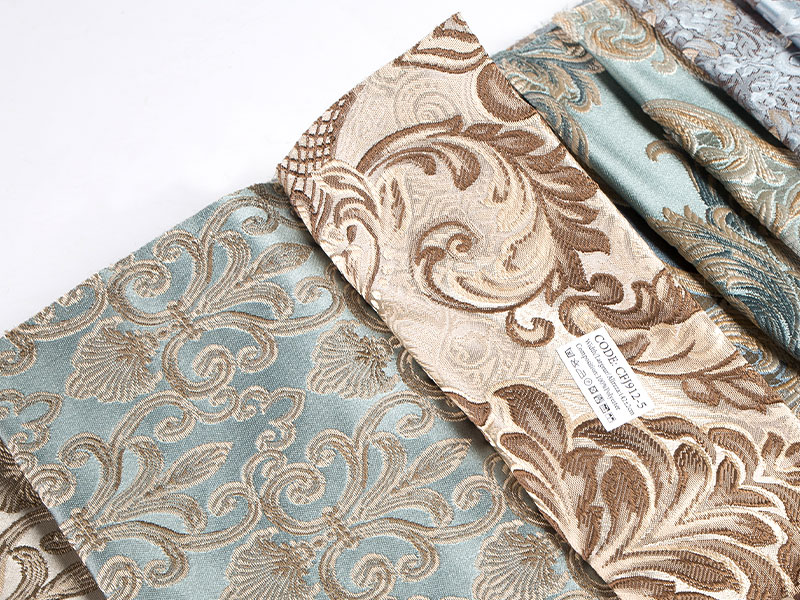
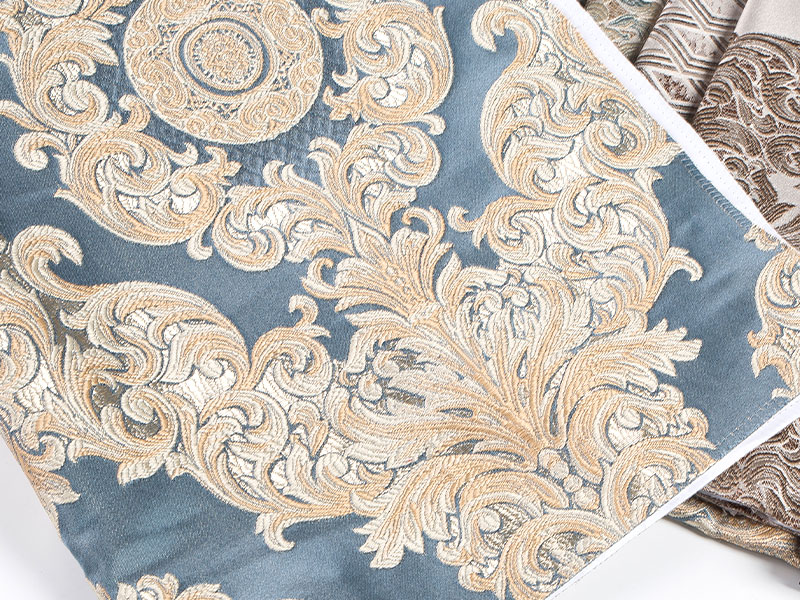
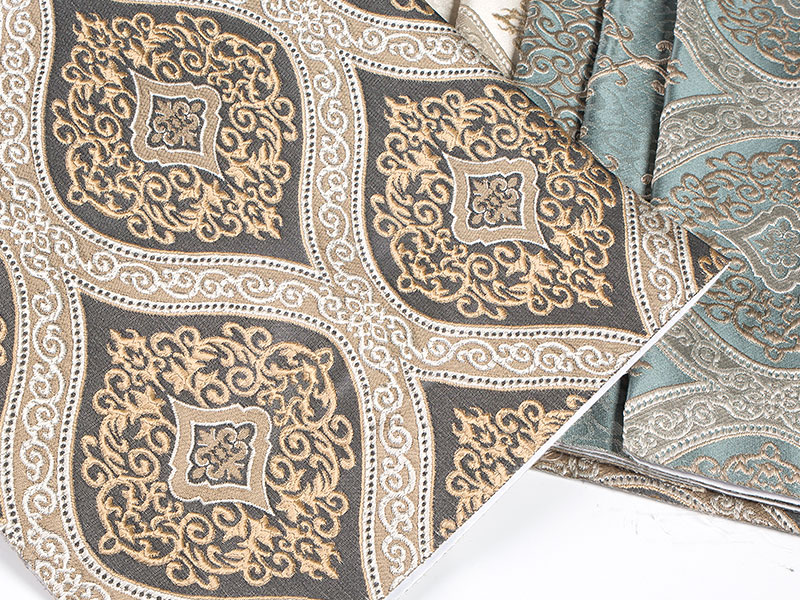
Jacquard fleece is a high-performance textile that combines the thermal insulation of traditional synthetic fleece with the intricate design capabilities of a Jacquard loom. Unlike printed patterns that sit on the surface of the fabric, the designs in Jacquard fleece are woven directly into the structural knit using varying stitch lengths and yarn tensions. This process creates a multidimensional, tactile surface where the pattern is an inseparable part of the material’s integrity. The result is a plush, durable fabric that offers both aesthetic sophistication and functional warmth.
Most modern Jacquard fleece is composed of 100% polyester or a polyester-spandex blend. The polyester fibers are brushed to create a "nap" that traps air, providing excellent heat retention. Because the patterns are engineered into the knit, these fabrics maintain their visual clarity even after repeated washing, avoiding the fading or cracking often associated with topical prints.
Key Characteristics of the Fabric
| Property | Description |
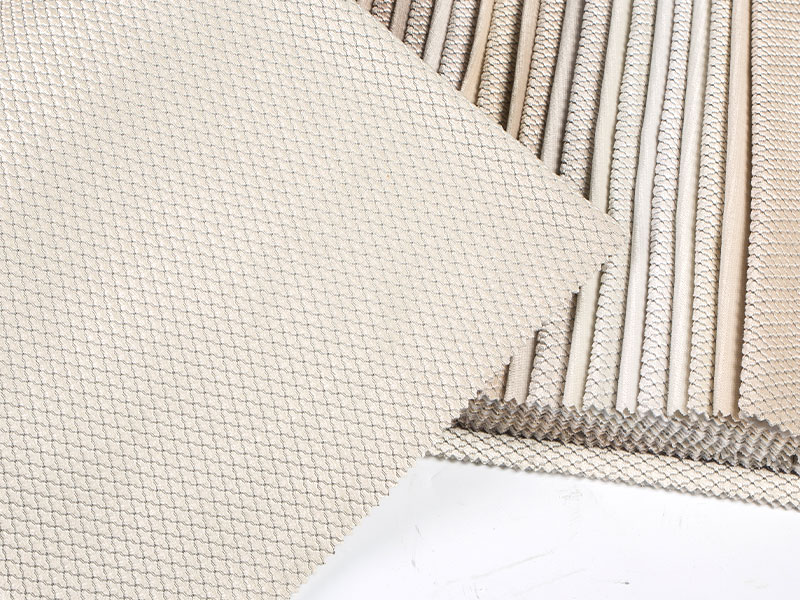
| Texture | Raised, 3D patterns with a soft, brushed feel. |
| Durability | High resistance to pilling and pattern wear. |
| Moisture Management | Quick-drying and moisture-wicking properties. |
| Stretch | Mechanical stretch or 4-way stretch with spandex. |
Technical Advantages for Performance Wear
In the context of activewear and outdoor gear, Jacquard fleece serves as an ideal mid-layer. The inherent structure of the Jacquard knit allows for targeted breathability. Designers can program the loom to create more "open" knit sections in high-heat areas of a garment while maintaining denser, warmer sections over the core. This localized thermoregulation is a significant upgrade over standard uniform fleece, which provides the same level of insulation across the entire surface regardless of the body's physiological needs.
Furthermore, the depth of the jacquard fleece fabric increases the surface area of the fabric. This enhanced surface area allows the material to wick moisture away from the skin more efficiently, spreading it across the outer layer for faster evaporation. This makes it particularly useful for high-intensity activities in cold weather, such as trail running, skiing, or mountaineering, where moisture management is critical to preventing chills.
Benefits of Integrated Patterns
- Permanent Aesthetic: Patterns do not peel, crack, or wash away over time.
- Dimensional Stability: The complex knit structure often helps the fabric retain its shape better than simple jersey-fleece.
- Customization: Brands can weave logos or proprietary geometric patterns directly into the fleece for a premium look.
Care and Maintenance for Longevity
To preserve the 3D texture and thermal properties of Jacquard fleece, specific care is required. Because the fabric relies on "lofty" fibers to trap heat, excessive heat from dryers can melt the synthetic microfibers, leading to a "pilled" or scratchy texture. Washing in cold or lukewarm water on a gentle cycle is the best approach to maintain the softness of the nap. It is also advisable to avoid fabric softeners, as these can coat the fibers and reduce the moisture-wicking capabilities of the material.
When drying, air drying is the safest method. If a dryer must be used, a low-heat setting is essential. Removing the garment while it is still slightly damp can also help prevent static build-up and fiber damage. Because the Jacquard weave involves complex thread interlacing, avoid washing these items with rough hardware like open zippers or hooks that could snag the intricate patterns.
Recommended Laundering Steps
- Turn garments inside out to protect the raised Jacquard pattern from friction.
- Use mild liquid detergents rather than powder to ensure no residue is left in the pile.
- Avoid ironing, as synthetic fleece can easily singe or lose its loft under high direct heat.