Language
  English
 中文简体
中文简体 عربى
عربى
Content
What Exactly Is Leathaire Fabric
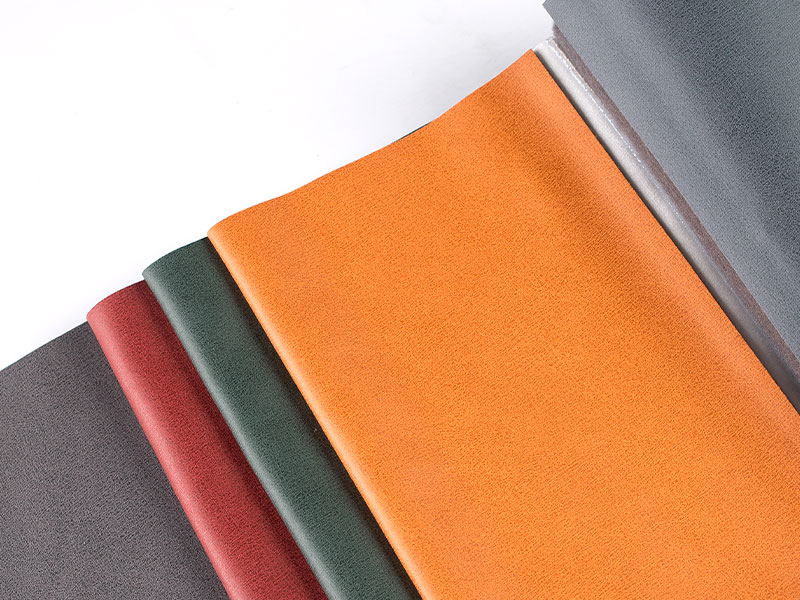
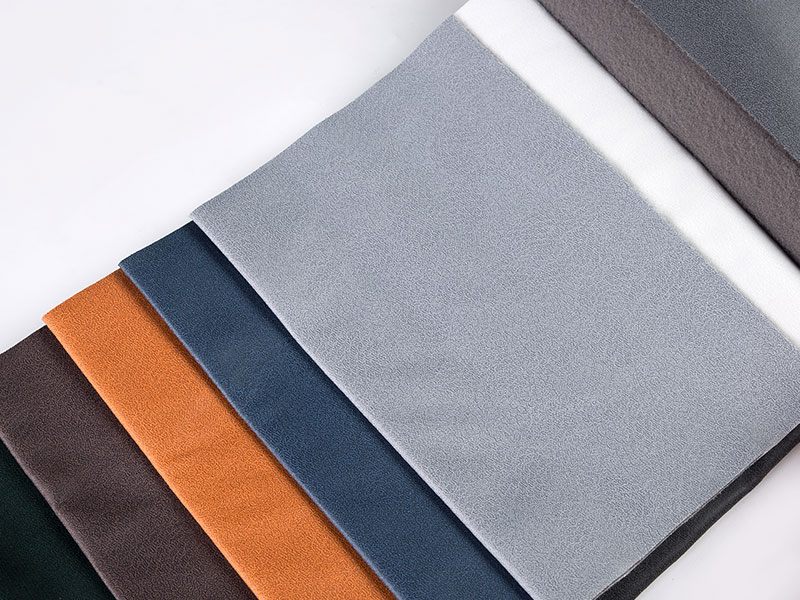
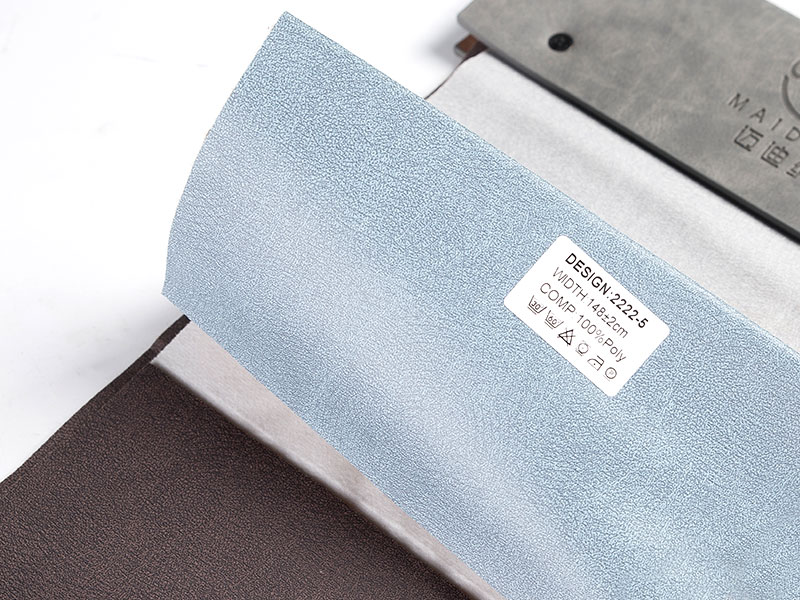
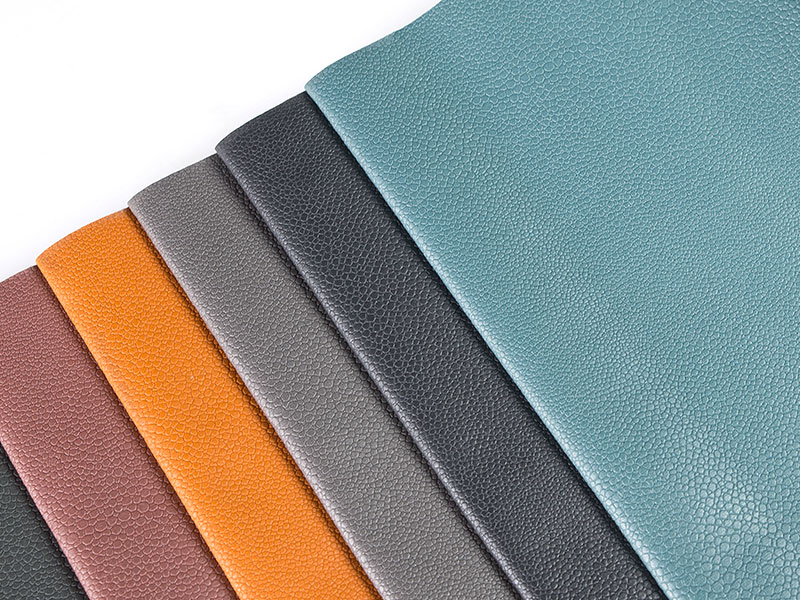
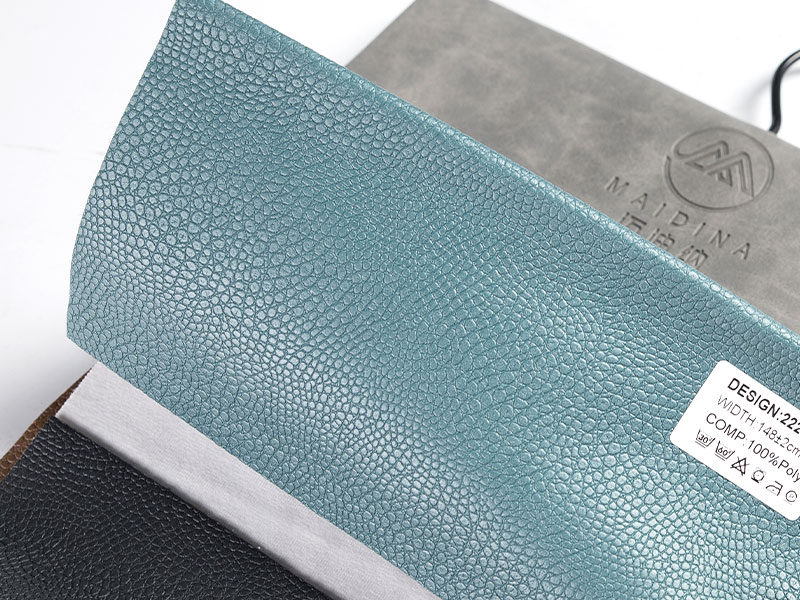
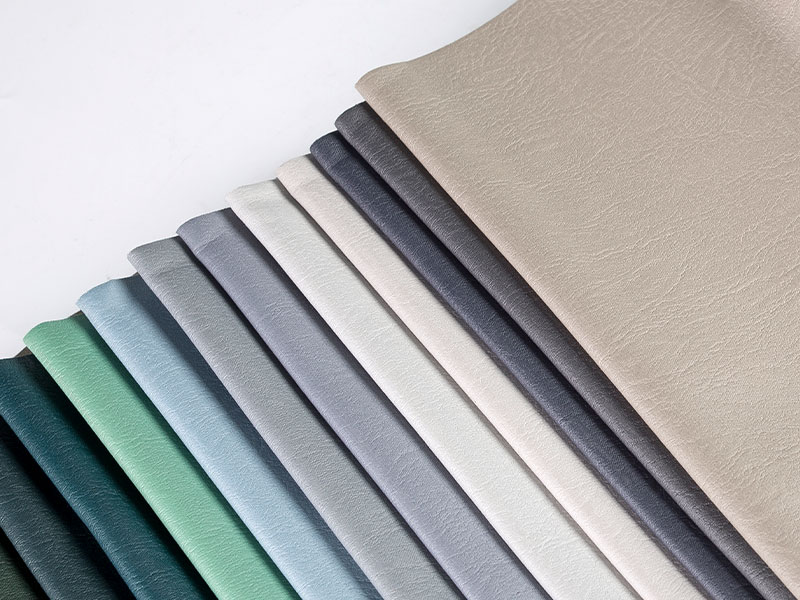
Leathaire fabric is a type of breathable synthetic leather made by coating a knitted or woven fabric base with a microporous polyurethane layer. Unlike standard PU leather, which forms a solid, non-breathable skin on the surface, Leathaire material is engineered with millions of tiny pores that allow air and moisture vapor to pass through. This structure gives Leathaire fabric a texture and feel that is noticeably closer to real leather while addressing one of synthetic leather's biggest drawbacks: poor ventilation.
The name "Leathaire" is actually a portmanteau of "leather" and "air," which reflects the fabric's defining feature. Manufacturers originally developed this material to solve complaints about vinyl and standard faux leather feeling sticky, hot, or uncomfortable during extended contact with skin, particularly in medical and furniture applications where people sit or lie on the surface for long periods.
How Leathaire Fabric Differs From Regular PU Leather
While both Leathaire fabric and standard PU leather fall under the umbrella of synthetic leather, they are built quite differently, and this affects everything from comfort to long-term durability. The table below breaks down the key differences buyers should understand before choosing between the two.
| Feature | Leathaire Fabric | Standard PU Leather |
| Breathability | High, due to microporous structure | Low, surface is mostly sealed |
| Feel Against Skin | Soft, cool, less sticky | Can feel warm or clammy over time |
| Moisture Handling | Wicks moisture vapor away | Traps moisture against surface |
| Common Use Cases | Medical beds, office chairs, car seats | Bags, wallets, basic upholstery |
| Relative Cost | Moderately higher | Lower |
Where Leathaire Upholstery Fabric Is Commonly Used
Because of its unique combination of a leather-like appearance and breathable comfort, Leathaire fabric has found a strong foothold across several industries where prolonged skin contact and hygiene both matter. Understanding these applications helps clarify why this material has grown so popular over the past decade.
Medical and Healthcare Furniture
Hospital beds, examination tables, and wheelchair cushions frequently use Leathaire fabric because it resists fluid penetration on the surface while still allowing some airflow, which helps reduce the risk of pressure sores for patients who remain seated or lying down for extended periods.
Office and Gaming Chairs
Anyone who has sat in a chair for eight hours a day knows how uncomfortable non-breathable materials can become. Leathaire material is now a standard choice for premium office chairs and gaming chairs because it keeps users cooler and drier during long sitting sessions compared to standard vinyl or PU leather.
Automotive Seating
Some car manufacturers and aftermarket seat cover producers use Leathaire fabric as a middle-ground option between cloth and genuine leather, offering the polished look of leather seating with better ventilation than standard synthetic alternatives, particularly valuable in hot climates.
Key Benefits That Make Leathaire Fabric a Smart Choice
Beyond breathability, Leathaire fabric offers a combination of practical advantages that make it appealing for both manufacturers and end users looking for a durable, easy-to-maintain surface material.
- Resists water and liquid stains on the surface, making spills easy to wipe away
- Reduces heat buildup and sweat compared to non-breathable synthetic leathers
- Offers a soft, leather-like texture without the higher cost of genuine leather
- Holds up well against everyday abrasion in high-traffic furniture applications
- Easier to clean and disinfect, which is especially valued in medical settings
How to Clean and Maintain Leathaire Fabric Properly
Proper care significantly extends the lifespan and appearance of Leathaire upholstery fabric, and the good news is that maintenance is generally straightforward compared to genuine leather, which often requires specialized conditioning products. Routine care mainly involves gentle, consistent cleaning rather than intensive treatment.
For everyday maintenance, wipe the surface with a damp microfiber cloth and a mild soap solution, then dry it with a clean, soft towel to prevent water spots from settling into the material's pores. Avoid harsh solvents, bleach, or abrasive scrub brushes, since these can damage the microporous coating and reduce the fabric's breathability over time. For tougher stains, a diluted vinegar and water solution applied briefly and then wiped clean usually works well without harming the surface finish.
What to Check Before Buying Leathaire Fabric
Not all Leathaire fabric on the market is manufactured to the same quality standard, so it pays to check a few details before committing to a bulk purchase or a finished product made from this material.
- Confirm the fabric's gsm (grams per square meter) weight, as heavier weights typically indicate better durability
- Ask whether the base fabric is knitted or woven, since this affects stretch and long-term shape retention
- Check for certifications related to flame resistance if the fabric will be used in commercial furniture
- Request a sample swatch to physically test breathability and surface texture before large orders
- Verify the color and batch consistency if ordering large quantities for matching furniture production