Language
  English
 中文简体
中文简体 عربى
عربى
Content
What Imitation Linen Fabric Actually Is
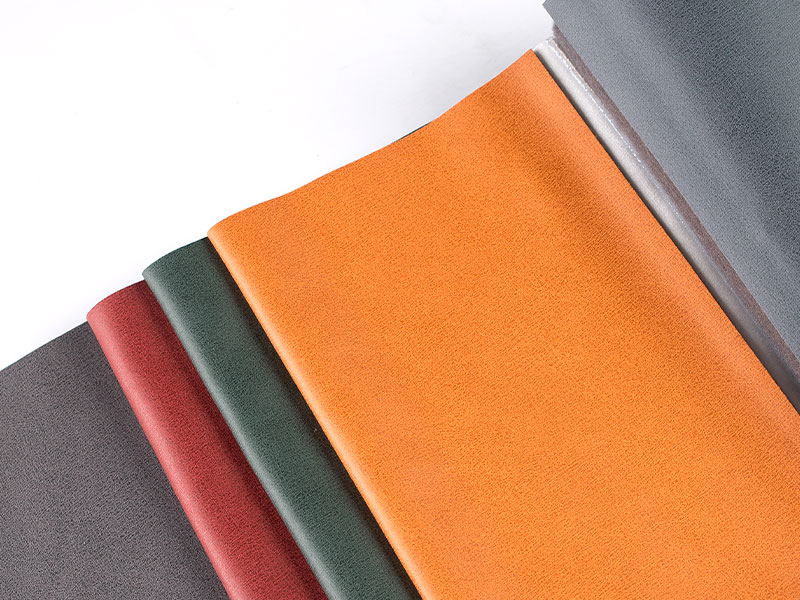
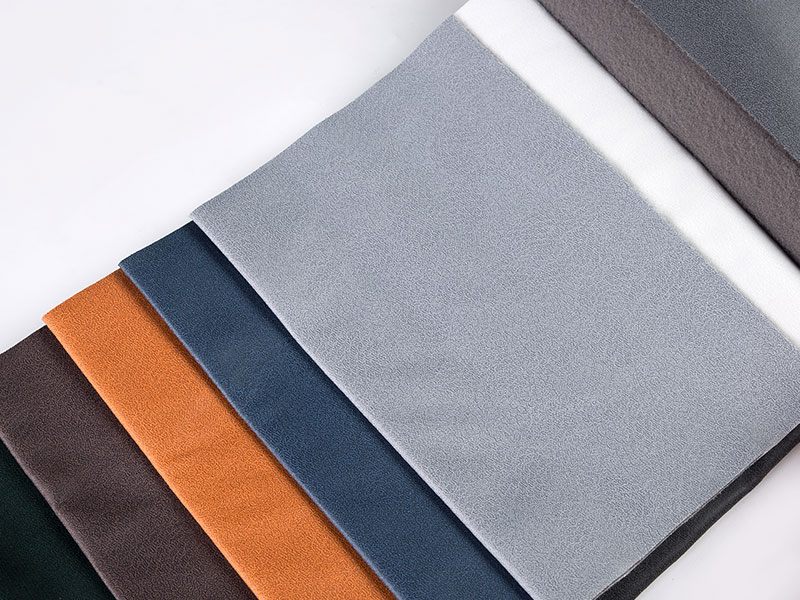
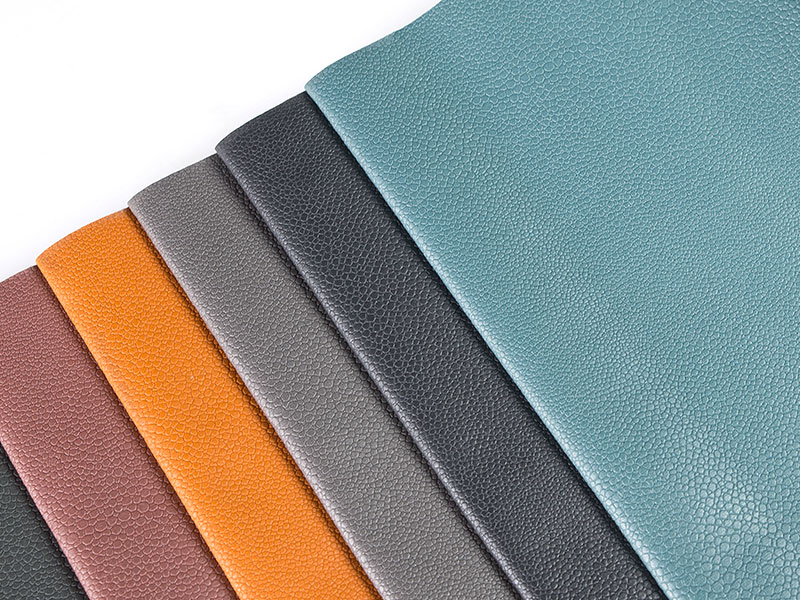
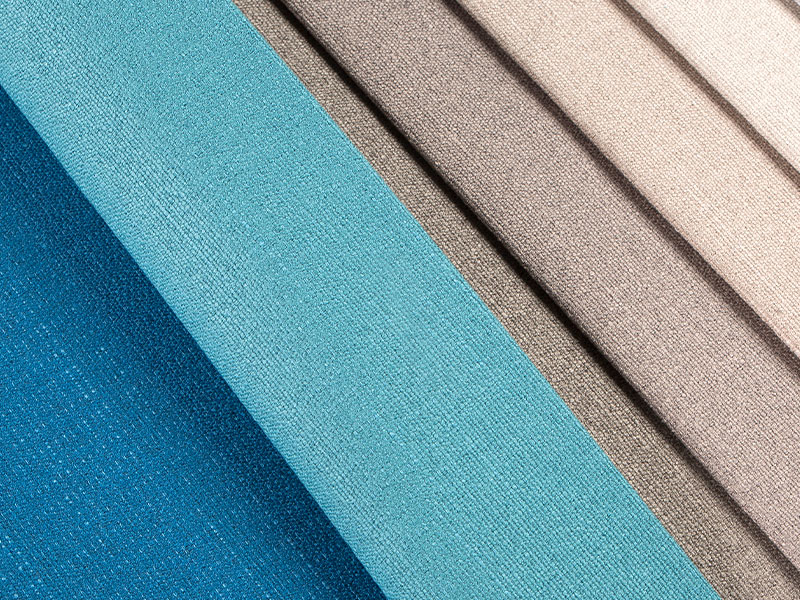
Imitation linen fabric is a textile engineered to replicate the look, texture, and slightly irregular weave of natural linen, but made from synthetic or blended fibers like polyester, rayon, or cotton-poly blends instead of genuine flax. Manufacturers achieve linen's signature appearance through specific weaving techniques and finishing treatments that create the same subtle slubbed texture and matte surface that natural linen is known for, without relying on the flax plant fiber that makes authentic linen comparatively expensive and harder to produce at scale. This makes faux linen fabric a popular choice across home décor, upholstery, curtains, and even apparel, since it delivers a similar aesthetic at a noticeably lower price point.
The appeal of linen-look fabric goes beyond just cost. Synthetic linen-style textiles often resist wrinkling far better than the real thing, since natural linen is notorious for creasing easily and requiring more careful ironing and care. Imitation linen also tends to hold color more consistently and resist fading less unpredictably than natural fiber, which has made it a practical substitute in settings where durability and low maintenance matter as much as appearance, such as busy households with kids or pets, or commercial spaces that need fabric to hold up under heavy use.
How Imitation Linen Compares to Natural Linen
Understanding the practical differences between imitation linen fabric and genuine linen helps clarify which one actually fits a specific project best. Natural linen offers superior breathability and a slightly cooler feel against the skin, which is part of why it remains popular for warm-weather clothing and bedding despite its higher price and more demanding care requirements. Synthetic linen alternatives, on the other hand, generally offer better wrinkle resistance, more consistent color retention, and a lower price point, but they don't breathe quite as well and can sometimes feel slightly less soft against the skin compared to well-finished natural linen.
Key Differences at a Glance
| Factor | Imitation Linen | Natural Linen |
| Cost | Lower | Higher |
| Wrinkle resistance | Generally better | Prone to creasing |
| Breathability | Moderate | Excellent |
| Care requirements | Low maintenance | More demanding |
| Durability under heavy use | Strong | Good, but can show wear faster |
Where Faux Linen Fabric Works Best
Imitation linen fabric shows up across a wide range of applications precisely because it offers a practical balance of appearance and performance. Home décor remains one of its strongest use cases, with linen-look upholstery, curtains, and throw pillows giving rooms a relaxed, textured aesthetic without the maintenance headaches that come with natural fiber. It's also a common choice in commercial settings like restaurants and hotels, where fabric needs to withstand frequent cleaning and heavy daily use while still looking polished and intentional.
Common Applications for Imitation Linen
- Curtains and drapery for a textured, light-filtering look
- Upholstered furniture, including sofas, chairs, and headboards
- Throw pillows and decorative accent pieces around the home
- Tablecloths and table runners for both home and event use
- Casual apparel and lightweight garments needing a linen-inspired texture
- Craft and sewing projects where budget-friendly material matters
What to Look for When Buying Imitation Linen Fabric
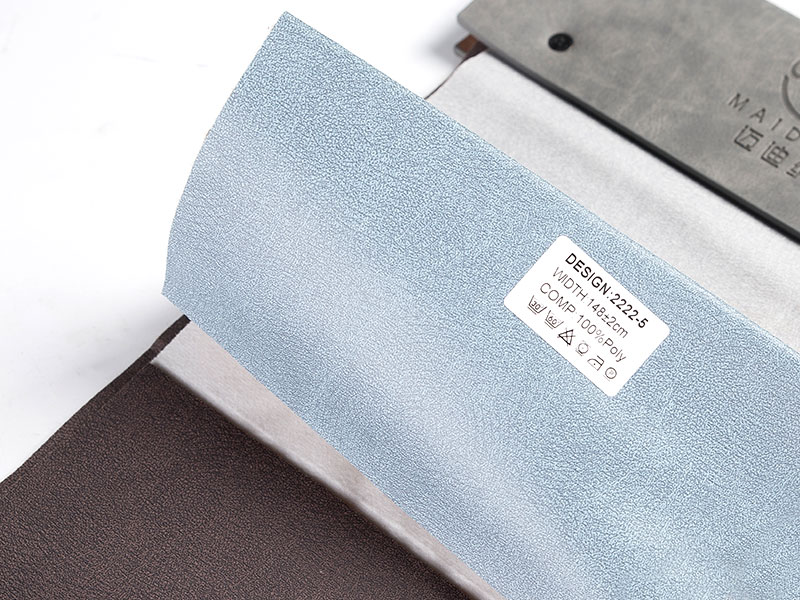
Not all imitation linen fabric is manufactured to the same standard, and a handful of details can help separate a higher-quality product from one that looks convincing in photos but disappoints once it arrives. Checking the fiber content listed on the product description matters significantly, since polyester-based linen-look fabric tends to hold its shape and color longer, while rayon blends often drape more naturally but may wrinkle and wear slightly faster. Weight is another important factor, typically measured in grams per square meter, since heavier fabric tends to feel more substantial and drape better for upholstery and curtain applications, while lighter weight fabric suits apparel or craft projects requiring more flexibility.
Questions Worth Asking Before You Buy
- What is the exact fiber content, and how does it affect durability and feel
- What is the fabric weight, and does it match the intended project
- Is the fabric pre-shrunk, or should shrinkage be accounted for before cutting
- What washing and care instructions does the manufacturer recommend
- Are sample swatches available to confirm color and texture before ordering larger quantities
Caring for Imitation Linen Fabric to Keep It Looking Good
One of the practical advantages of imitation linen fabric is how straightforward it generally is to care for compared to natural linen. Most synthetic linen-look fabrics can be machine washed on a gentle cycle with cool or warm water, and many hold up well to tumble drying on a low heat setting, though checking the specific care label remains important since fiber blends can vary in their heat tolerance. Ironing is rarely necessary given the fabric's inherent wrinkle resistance, but if needed, a low-heat setting with a pressing cloth helps avoid melting or glazing synthetic fibers.
For upholstery and curtain applications where the fabric stays in place rather than being washed regularly, periodic vacuuming or light brushing helps remove dust buildup, while spot cleaning with a mild detergent solution addresses occasional stains without requiring a full wash. Avoiding direct, prolonged sun exposure where possible also helps preserve color vibrancy over time, since even fade-resistant synthetic fabrics can gradually lose some color intensity under years of constant UV exposure.