Language
  English
 中文简体
中文简体 عربى
عربى
Content
- 1 What Velvet Fabric Is and How It Gets Its Distinctive Look
- 2 How Velvet Is Made: The Weaving Process Explained
- 3 Main Types of Velvet Fabric and What Makes Each Different
- 4 Velvet Fabric Properties That Affect How It Performs in Use
- 5 Uses of Velvet Fabric in Fashion and Apparel
- 6 Velvet Fabric in Home Interiors and Upholstery
- 7 How to Sew and Work with Velvet Fabric
- 8 How to Wash, Clean, and Care for Velvet Fabric
- 9 Buying Guide: What to Check When Purchasing Velvet Fabric
What Velvet Fabric Is and How It Gets Its Distinctive Look
Velvet fabric is a woven textile characterised by a short, dense pile of cut threads that stand upright from the base fabric, creating the soft, smooth surface and the distinctive light-reflecting quality that makes velvet immediately recognisable. The pile — the layer of fibres that gives velvet its feel and appearance — is formed during weaving by creating loops of thread above the base cloth, which are then cut to produce the even, upright surface. The direction these cut fibres face determines how light reflects off the fabric, which is why velvet changes in depth of colour and apparent shade when stroked in different directions or viewed from different angles.
Historically, velvet was produced exclusively from silk and was associated with royalty, wealth, and ceremony — a reflection of both the extraordinary labour involved in silk velvet production and the visual richness that no other fabric could replicate. Today, velvet is produced from a wide range of fibre types including polyester, nylon, rayon, cotton, and silk, each producing a fabric with a different hand feel, weight, durability, and price point. Modern manufacturing methods have made velvet affordable and widely available without sacrificing the essential visual appeal that has made it a sought-after material for centuries in fashion, upholstery, theatrical costume, and interior design.
How Velvet Is Made: The Weaving Process Explained
Understanding how velvet is constructed helps explain its performance characteristics and the differences between velvet types. Velvet is produced by two primary weaving methods — the double-cloth method and the wire method — both of which create the cut pile surface through different technical approaches.
Double-cloth method
In the double-cloth method, two layers of fabric are woven simultaneously on a specialised loom, with the pile threads interlaced between both layers. As the fabric is produced, a blade passes between the two cloth layers and cuts the connecting pile threads, separating the two fabric panels and creating the cut pile surface on each. This method is used for the production of most woven velvet on industrial scales and produces a consistent, even pile height across the full fabric width. The resulting pile is exceptionally uniform because the cutting action is continuous and mechanically controlled throughout the weaving process.
Wire method
In the wire method, the pile is formed by weaving extra warp threads over metal wires inserted at regular intervals through the fabric. When the wires are withdrawn, they cut the pile loops if they carry a cutting blade, or leave loops intact if the wire is smooth — the latter producing loop pile velvet rather than cut pile velvet. The wire method gives more control over pile height (determined by the wire gauge) and allows for the creation of both cut and uncut pile patterns in the same fabric, a technique used in sculptured or voided velvet designs.
Knitted velvet construction
Not all velvet is woven — knitted velvet, sometimes called velour, is produced by knitting rather than weaving the base structure and cutting the pile loops. Knitted velvet has greater stretch in the crosswise direction than woven velvet, making it well-suited to garments where body-contouring fit is required. Stretch velvet — a popular choice for fitted evening wear, activewear-inspired fashion, and dance costumes — is almost always a knitted construction, using fibres such as polyester or nylon blended with elastane to add recovery stretch to the inherent knit flexibility.
Main Types of Velvet Fabric and What Makes Each Different
The term velvet covers a large family of fabrics with significantly different properties, appearances, and appropriate uses. Understanding the distinctions between types prevents mismatched expectations when purchasing or working with velvet.
| Type | Primary fibre | Key characteristics | Best uses | Relative cost |
| Silk velvet | Silk pile, silk or cotton base | Extremely soft, rich lustre, lightweight, fluid drape | Couture garments, evening wear, fine accessories | Very high |
| Cotton velvet | Cotton pile and base | Matte finish, softer colour depth, breathable, heavier | Upholstery, casual wear, crafts, cushions | Medium |
| Polyester velvet | Polyester pile and base | Bright sheen, durable, easy care, wide colour range | Costumes, home décor, general fashion | Low |
| Rayon / viscose velvet | Rayon pile, cotton or rayon base | Soft drape, good colour depth, moderate lustre | Dresses, blouses, evening wear | Low–Medium |
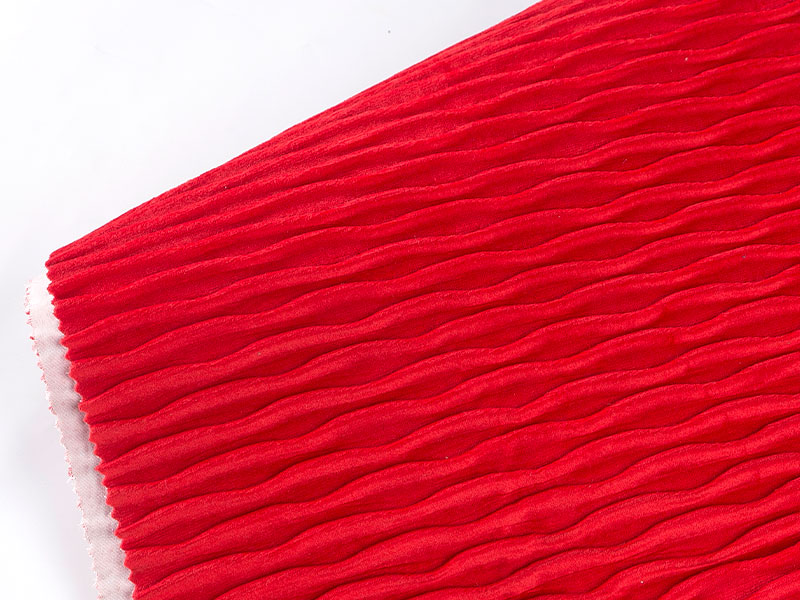
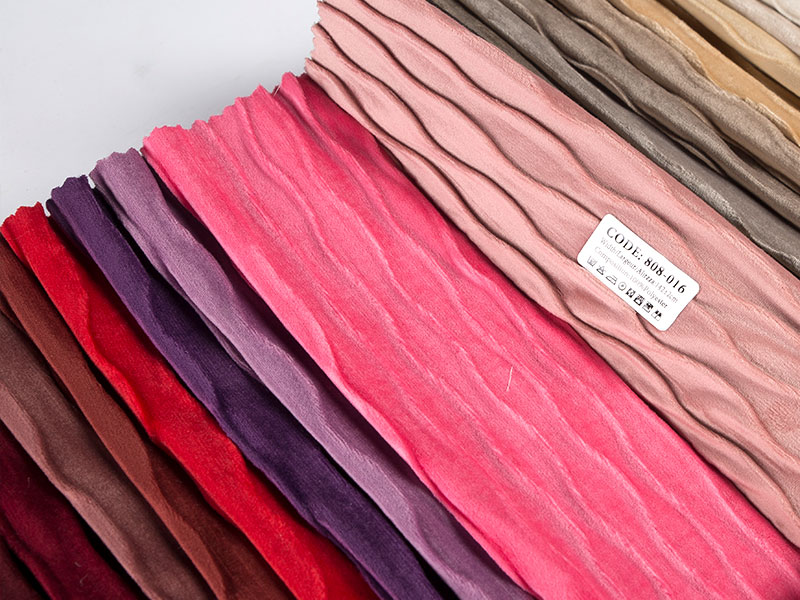
| Crushed velvet | Usually polyester or rayon | Pile deliberately set in irregular directions, high sheen, textured appearance | Fashion garments, cushions, accessories | Low–Medium |
| Stretch velvet | Polyester or nylon with elastane | Two-way or four-way stretch, body-hugging fit | Fitted dresses, dancewear, leggings | Low–Medium |
| Velveteen | Cotton (weft pile) | Shorter pile than true velvet, stiffer hand, less sheen | Children's wear, casual garments, soft furnishings | Low–Medium |
| Devore / burnout velvet | Mixed fibre (rayon pile, silk or poly base) | Pile selectively dissolved to create sheer pattern areas | Evening wear, scarves, decorative fashion | Medium–High |
Velveteen is worth distinguishing carefully from velvet because the two are frequently confused in retail contexts. True velvet has a warp pile — the pile threads run lengthwise along the fabric — while velveteen has a weft pile that runs across the fabric width. This structural difference gives velveteen a shorter, less uniform pile with a slightly stiffer handle than true velvet, and it lacks the characteristic directional light-play of velvet. Velveteen is generally less expensive and more stable dimensionally, making it useful for structured garments and soft furnishings where true velvet's fluid drape and sensitivity to crushing would be a disadvantage.
Velvet Fabric Properties That Affect How It Performs in Use
Beyond fibre type and construction, several physical properties of velvet determine how suitable it is for specific applications and how it will behave over time.
Pile height and density
Pile height — the length of the cut pile fibres above the base cloth — typically ranges from approximately 1mm in fine silk velvet to 3 to 4mm in heavier upholstery velvets. Longer pile creates a lusher, more tactile surface but is more susceptible to crushing and matting under sustained pressure. Pile density — the number of pile threads per unit area — determines how richly the surface reflects light and how resistant the pile is to distortion. High-density pile in silk or fine rayon velvet produces the characteristic deep, saturated colour that makes luxury velvet so visually striking. Low-density pile in budget polyester velvet looks noticeably thinner and reflects light more flatly, without the colour depth of well-made velvet.
Drape and weight
Velvet ranges widely in weight and drape depending on the fibre type and pile construction. Silk velvet is typically the lightest and most fluid — it drapes in long, smooth curves and moves beautifully in garments. Cotton velvet is substantially heavier and has less fluid drape, making it better suited to structured applications like upholstery and curtaining where body rather than fluidity is desirable. Rayon and polyester velvets fall between these extremes. For garment applications, checking that the velvet weight and drape are appropriate for the intended silhouette is as important as colour and pile quality — a heavy cotton velvet used for a bias-cut gown will pull and distort in ways that the same design in silk velvet would not.
Pile direction and shading
The pile direction of velvet — whether the fibres lean toward the top or bottom of the garment or toward either selvedge — determines how the fabric shades when viewed from different angles and under different lighting. In garment construction, all pattern pieces must be cut with the pile running in the same direction; mixing pile direction across pattern pieces produces visible shading differences in the finished garment that cannot be remedied. The conventional pile direction in velvet garments is with the pile running upward — stroking from hem toward shoulder — which produces the deepest, richest colour effect. Pile running downward is brighter and shinier but shows wear marks more readily. Marking pile direction on each cut pattern piece before assembly is a standard practice in professional velvet garment construction.
Uses of Velvet Fabric in Fashion and Apparel
Velvet has been used in fashion for centuries and remains a significant material in both high-end and commercial clothing markets. Its visual richness and tactile quality make it a strong choice for occasions and garment types where impact and presence matter.
Evening and formal wear
Silk and rayon velvet are the dominant choices for evening and formal wear — floor-length gowns, tailored blazers, cocktail dresses, and formal trousers in rich jewel tones including midnight blue, emerald, burgundy, and black. The fabric's ability to absorb and reflect light simultaneously creates a depth of colour that photographs exceptionally well and reads as luxurious in person. Velvet suits and blazers for men's formalwear have a long history in British and European tailoring traditions, and continue to appear regularly in both designer and high street collections for black-tie and festive events.
Accessories
Velvet is widely used in accessories — headbands, scrunchies, chokers, handbags, shoes, and hat trimmings — where small quantities of fabric deliver significant visual impact. Silk and rayon velvet ribbon is a classic trim material for millinery and bridal accessories. Velvet footwear — loafers, mules, and evening shoes — has maintained consistent popularity in both men's and women's fashion because the fabric elevates simple silhouettes into statement pieces without requiring additional embellishment.
Casual and contemporary fashion
Stretch velvet and polyester velvet have made velvet accessible in more casual applications — velvet joggers, bomber jackets, midi skirts, and oversized tops where the fabric's texture provides visual interest in relaxed silhouettes. Crushed velvet had a significant commercial moment in the 1990s and has seen periodic revival as a statement fabric in both fast fashion and independent designer collections. The tactile quality of velvet in casual wear creates a contrast between the relaxed garment shape and the luxury material that is central to the contemporary "elevated casual" dressing aesthetic.
Velvet Fabric in Home Interiors and Upholstery
Velvet is one of the most popular upholstery and decorative fabrics in contemporary interior design, valued for the warmth and richness it brings to furniture and soft furnishings. The interior applications of velvet differ from fashion applications in their durability requirements — upholstery velvet must withstand years of regular contact use without matting, fading, or pilling.
Upholstery velvet specifications
Velvet specified for upholstery use carries a rub test rating — the Martindale rub test measures how many cycles of abrasion the fabric withstands before showing significant wear. Domestic upholstery velvet should carry a minimum rating of 20,000 Martindale rubs; contract (commercial) upholstery velvet for hospitality and public seating environments should be rated at 40,000 rubs or above. Cotton velvet and polyester velvet generally offer better abrasion resistance in upholstery use than silk or rayon velvet, which are better suited to decorative rather than functional upholstery applications. Pile direction in upholstered furniture should run consistently downward toward the floor on all seat and back surfaces — this direction resists flattening from use more effectively than upward-running pile.
Curtains and soft furnishings
Velvet curtains — particularly in cotton or polyester velvet — provide excellent light absorption and thermal insulation, making them popular for bedrooms and formal reception rooms where both decorative effect and practical performance are required. The weight of velvet curtains requires appropriately sized tracks and fixings — velvet is significantly heavier per metre than most curtain fabrics, and standard lightweight curtain tracks are often inadequate. Velvet cushion covers are among the most commercially popular soft furnishing applications of velvet fabric, with the wide availability of affordable polyester velvet making rich, jewel-toned cushions accessible at all price points.
How to Sew and Work with Velvet Fabric
Velvet is technically demanding to sew compared to most stable woven fabrics. Its pile surface creates specific challenges at every stage of construction that require adjusted techniques and equipment settings.
- Cutting: Cut velvet in a single layer wherever possible, using pattern weights rather than pins to avoid marking the pile. Lay the fabric pile-side up on a non-slip surface and use sharp shears with long, smooth cuts. Mark pile direction on every cut piece before lifting from the cutting surface.
- Pinning and seams: Pin within the seam allowance only, parallel to the seam line rather than perpendicular, to minimise pile distortion. When stitching, sew in the direction of the pile to prevent the layers from shifting — velvet is notorious for creeping during sewing as the pile surfaces grip each other and feed unevenly through the presser foot.
- Machine settings: Use a walking foot (even feed foot) to prevent the pile from dragging and causing uneven feeding. Reduce presser foot pressure and lengthen the stitch slightly compared to settings for non-pile fabrics. A size 80/12 or 90/14 needle is appropriate for most velvet weights.
- Pressing: Never iron velvet directly — the iron will crush and permanently flatten the pile. Press seams open using a velvet board (a needle board or a scrap of velvet placed pile-to-pile) and steam only, hovering the iron above the fabric rather than making contact. Alternatively, press seams from the wrong side with a pressing cloth and minimal pressure.
- Handling quantity: Work with smaller pieces where possible and avoid folding velvet along pile lines — fold with the pile on the outside to prevent permanent crease marks. Store cut pieces rolled rather than folded for the same reason.
How to Wash, Clean, and Care for Velvet Fabric
Velvet requires more careful maintenance than most fabrics, but the level of care needed varies significantly depending on the fibre type. Getting the care method wrong — particularly for silk or rayon velvet — can cause irreversible damage including pile flattening, water marks, and dimensional distortion.
Silk and rayon velvet
Silk and rayon velvet should almost always be dry-cleaned. Both fibres are highly sensitive to water — wet cleaning can cause the pile to mat irreversibly, the base cloth to shrink unevenly, and water marks to form on the pile surface that are impossible to remove. If a garment label specifies dry clean only, this instruction should be followed without exception for silk velvet. Professional dry cleaners experienced with delicate pile fabrics will clean and lightly steam silk velvet without damaging the pile; always inform the cleaner that the garment is silk or rayon velvet before handing it over.
Cotton velvet
Cotton velvet is more tolerant of water than silk or rayon, but hand washing in cool water with a gentle detergent is safer than machine washing, which can cause pile matting from agitation. If machine washing is necessary, use a delicate or hand wash cycle at 30°C maximum, place the item in a mesh laundry bag, and wash alone or with other gentle items. Remove promptly after the cycle and reshape while damp. Air dry by laying flat or hanging, never in a tumble dryer, which can cause shrinkage and irreversible pile damage in cotton velvet.
Polyester velvet
Polyester velvet is the most wash-friendly velvet type and can generally be machine washed on a gentle cycle at 30°C with a mild detergent. Turn the garment inside out before washing to protect the pile surface. Avoid fabric softener — it can coat pile fibres and reduce the fabric's natural sheen. Air dry or tumble dry on a very low heat setting with prompt removal. Polyester velvet is significantly more resistant to water marks and pile distortion than natural fibre velvets, which is one of the practical advantages of polyester for home use applications.
Reviving crushed or flattened pile
Velvet pile that has been crushed by pressure — from folding, sitting, or storage — can often be restored by steaming. Hold the garment or fabric item over a steam source (a clothes steamer or the steam output of a kettle or iron held at a distance) and gently brush the pile against its direction with a soft brush or the fingertips while the steam penetrates the fibres. For upholstery velvet, a clothes steamer held close to the surface and a soft brush worked in the pile direction can revive matted areas effectively. Always allow the pile to cool and dry completely in the correct position before using or storing the item.
Buying Guide: What to Check When Purchasing Velvet Fabric
The quality of velvet varies enormously between products at similar price points, and the characteristics that determine real quality are not always obvious from a photograph or brief physical inspection. The following checklist helps identify genuine quality before purchasing.
- Pile density: Press a finger into the pile surface and release — the pile should spring back promptly and fully. Sparse or thin pile that does not recover indicates a lower-density construction that will mat quickly with use. View the fabric at a low angle to assess pile evenness across the full width.
- Colour depth and consistency: High-quality velvet should show deep, consistent colour with visible directional shading when stroked against the pile. Uneven colour, pale areas, or a flat appearance without directional shift suggests poor dye penetration or low pile density.
- Base cloth quality: Pull the fabric gently crosswise and lengthwise — the base cloth should feel stable without distorting significantly. A flimsy or loosely woven base cloth will cause the finished garment or upholstery to lose shape quickly in use.
- Fibre content labelling: Always check the fibre content label before purchasing and verify it matches what is described or implied by the product listing. "Velvet" without fibre content disclosure may be any fibre — knowing whether you are buying polyester, rayon, cotton, or silk is essential for predicting performance, care requirements, and appropriate application.
- Width and quantity calculation: Standard velvet fabric widths range from 112cm to 150cm depending on the product. When calculating the quantity needed for a garment or upholstery project, add at least 15 to 20% extra to the standard pattern quantity to account for the one-directional cutting requirement — all pieces must be cut with pile running in the same direction, which reduces efficient fabric utilisation compared to non-directional fabrics.