Language
  English
 中文简体
中文简体 عربى
عربى
Content
What Exactly Is Imitation Linen?
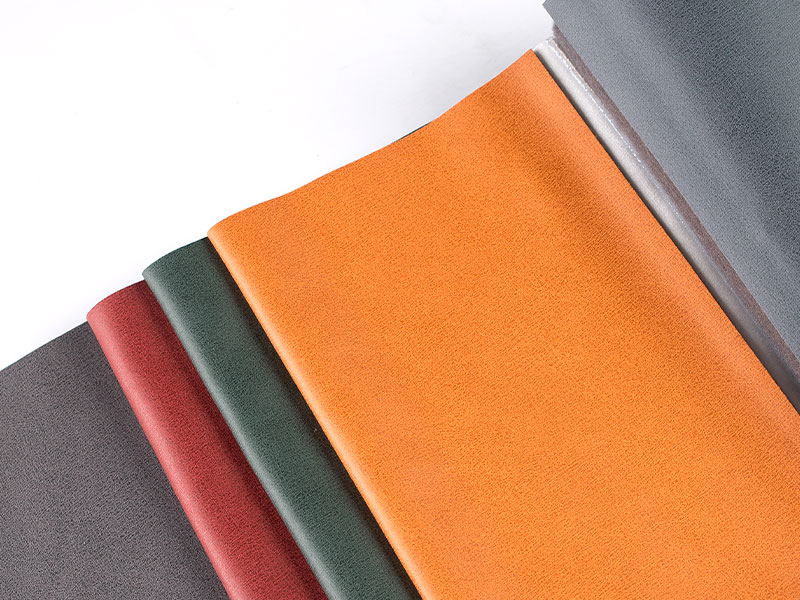
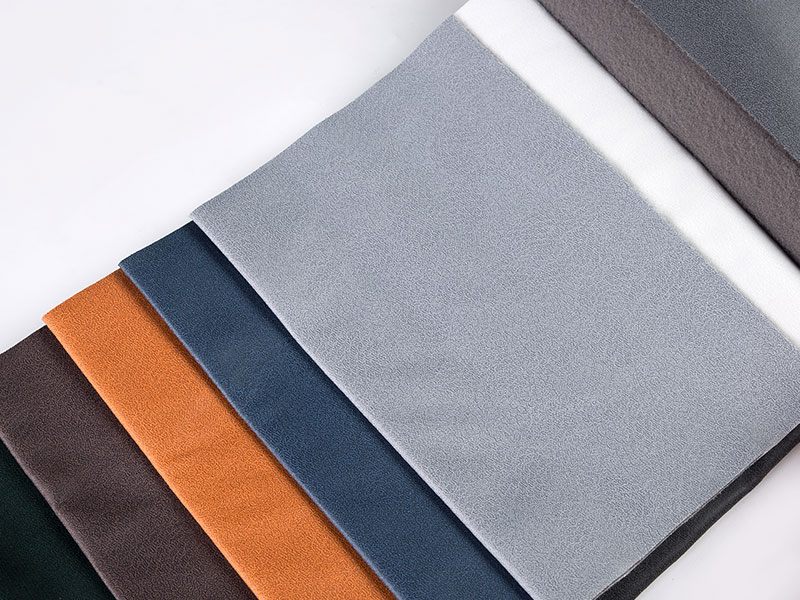
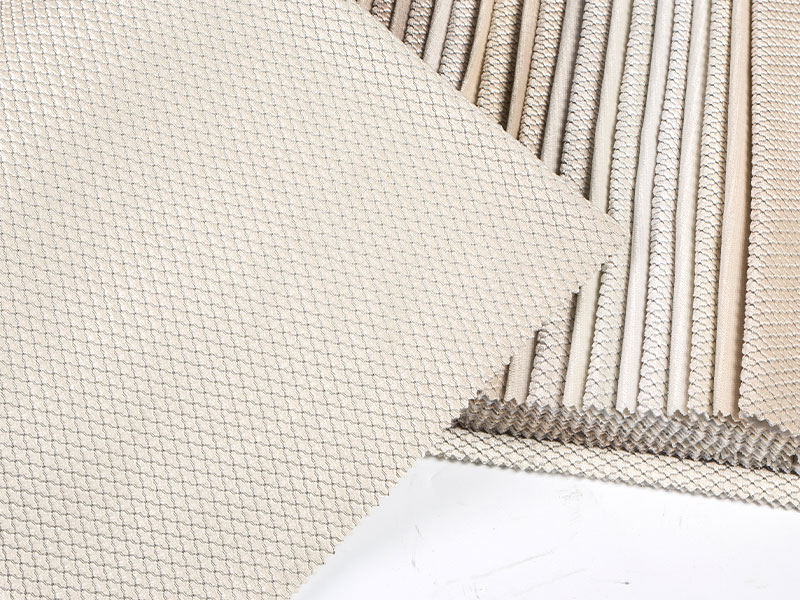
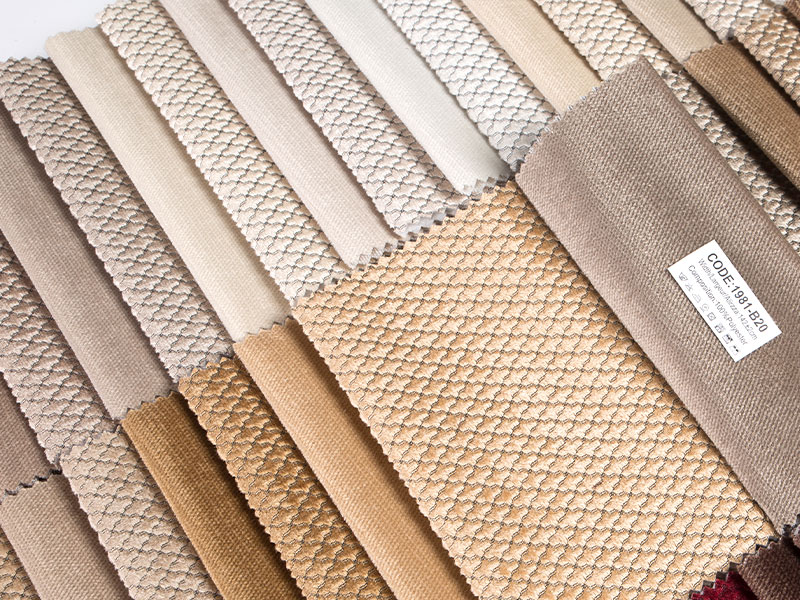
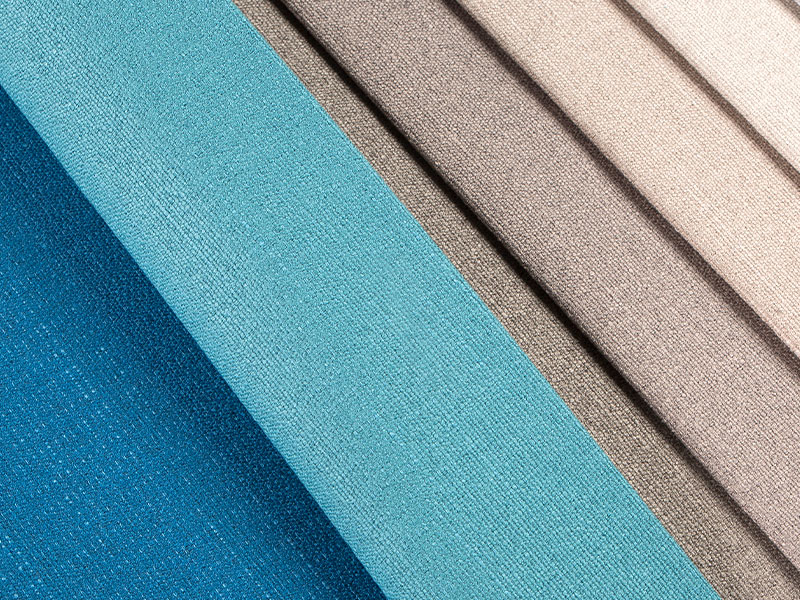
Imitation linen, frequently labeled as faux linen or linen-look fabric, is a manufactured textile designed to replicate the relaxed drape, subtle texture, and casual aesthetic of traditional flax linen. Instead of harvesting and spinning plant fibers, textile mills create this linen alternative fabric using synthetic polymers like polyester, viscose, or blended cotton microfibers. Engineers achieve that signature rustic appearance by intentionally varying yarn thickness, applying mechanical crumple finishes, and utilizing specific plain or twill weaves that produce a soft slubbed surface. The end result is a synthetic linen blend that captures the visual charm of natural linen while offering a more predictable, low-maintenance performance profile.
How Imitation Linen Compares to Real Flax Linen
Choosing between natural flax and engineered alternatives comes down to your daily lifestyle and budget constraints. Pure linen excels at moisture absorption and temperature regulation, making it incredibly comfortable in hot climates, but it wrinkles aggressively and shrinks noticeably if washed improperly. Faux linen addresses those exact pain points by resisting deep creases, holding dye saturation through dozens of wash cycles, and maintaining consistent sizing out of the package. The trade-off is that polyester-heavy blends do not breathe quite as efficiently as 100% flax, which can make them feel slightly heavier during intense summer heat. The table below highlights the core performance differences to help you make a practical purchasing decision.
| Performance Feature | Real Flax Linen | Imitation Linen |
| Price Point | Premium to Luxury | Affordable to Mid-Range |
| Wrinkle Behavior | Creases immediately and deeply | Resists major wrinkling |
| Moisture Wicking | Highly absorbent and fast-drying | Moderate absorption |
| Wash Routine | Cold gentle cycle, air dry preferred | Standard machine wash and tumble dry |
When to Choose Faux Over Real
- High-traffic home decor like sofa slipcovers, dining chair upholstery, and floor-length curtains that require regular machine washing.
- Work or travel wardrobes where garments get packed tightly and must remain presentable without a mid-day ironing session.
- Pet-friendly households that need durable, snag-resistant textiles that withstand claws and frequent spot cleaning.
- Budget-conscious DIY sewing projects where you want a linen aesthetic without the steep material cost or unpredictable shrinkage.
Step-by-Step Care Guide for Synthetic Linen Fabrics
Maintaining imitation linen requires a slightly different approach than caring for natural fibers, but the process is highly forgiving once you establish a routine. Always turn items inside out before washing to shield the textured surface from direct friction against zippers or rougher fabrics. Select a cold water setting and pair it with a standard liquid detergent, skipping heavy fabric softeners entirely because they leave a coating that traps body oils and reduces breathability. After the wash cycle completes, transfer the pieces to the dryer on a low heat setting and remove them while they still hold a bit of dampness. A quick shake followed by immediate folding or hanging eliminates the majority of residual creases naturally. If you absolutely need a crisp finish, a medium-heat iron applied to the inside of the garment works safely, but avoid high steam settings which can melt microfibers and create an unwanted glossy sheen.
Quick Washing Routine
- Turn garments and home textiles inside out to protect the woven surface from pilling.
- Wash in cold water on a delicate or permanent press cycle with matching colors.
- Use enzyme-free liquid detergents and skip thick fabric softener sheets or pour-over conditioners.
- Tumble dry on low heat and pull items out at 80% dry to prevent heat-set wrinkles.
- Smooth the fabric by hand and store on wide wooden hangers or fold flat in drawers.
How to Spot High-Quality Imitation Linen When Shopping
The market is flooded with cheap polyester masquerading as premium linen-look fabric, so knowing what to check before purchasing saves you from disappointing results. Start by reading the fiber content tag closely. A well-constructed synthetic linen blend typically features a balanced ratio, such as 55% polyester and 45% rayon or cotton, rather than a 100% synthetic composition that feels slick and unnatural. Run the material across your knuckles to gauge the hand feel. You want to detect a dry, slightly textured surface with subtle weave variations, not a uniformly shiny or overly slippery finish. Drape the fabric over your forearm to observe how it falls. High-grade imitation linen will flow and settle with soft, natural folds, while stiff or board-like material will stand away from your arm and resist draping entirely. If possible, examine the weave under bright store lighting to verify consistent thread spacing and avoid loose, irregular slubs that indicate rushed manufacturing.
Red Flags to Watch For
- Obvious plastic-like shine or a slick, waterproof sensation that completely lacks the dry touch of real linen.
- Excessive stiffness that does not soften after gentle rubbing or light steam exposure.
- Visible thinning patches, skipped weaves, or inconsistent slub distribution across the fabric width.
- Strong chemical or petroleum odors that linger past the first airing, signaling low-quality dye fixation and poor fiber processing.