Language
  English
 中文简体
中文简体 عربى
عربى
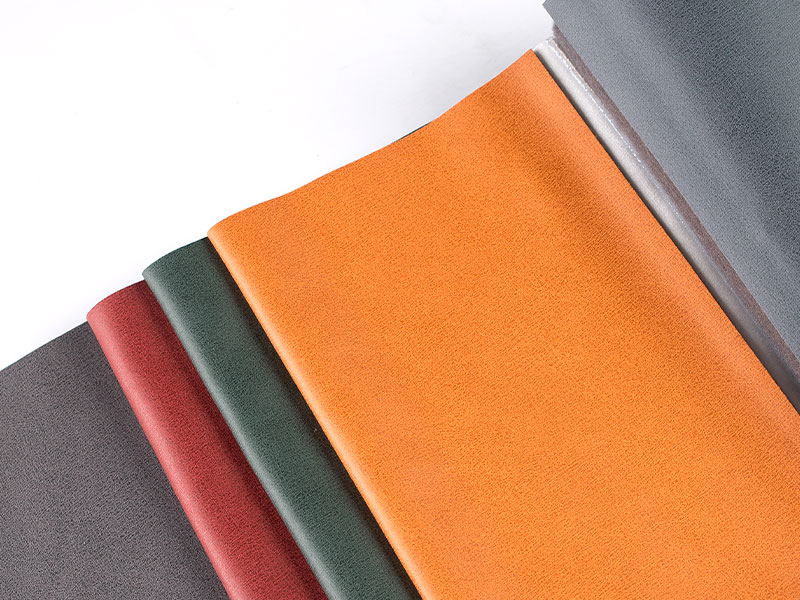
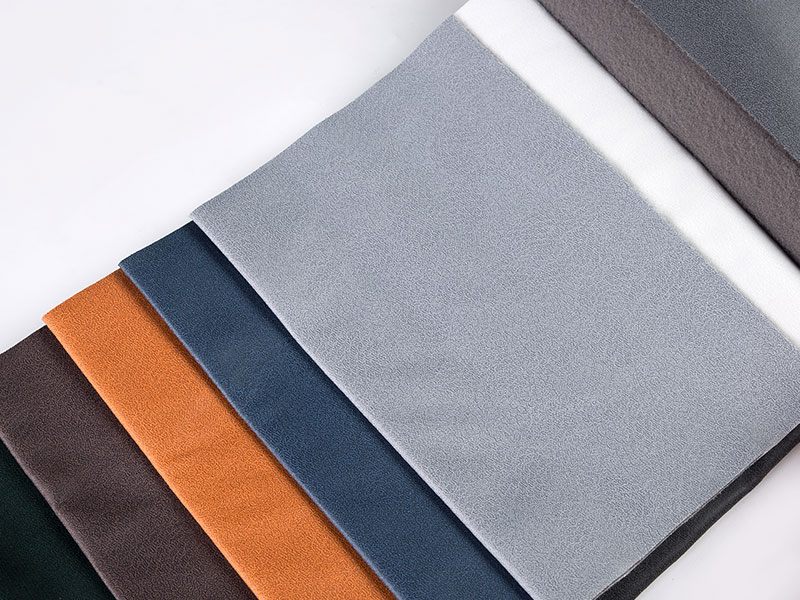
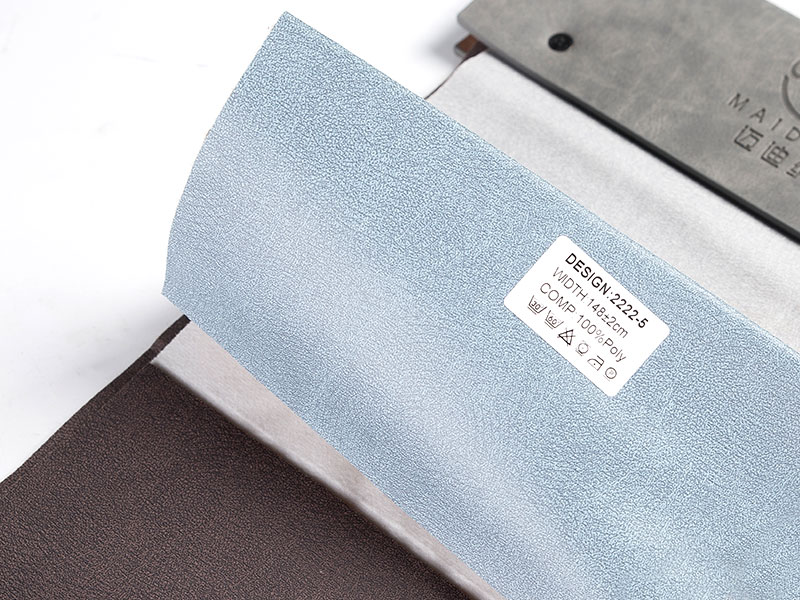
Imitation linen fabric, often simply called faux linen or linen look, is a popular textile that successfully captures the aesthetic appeal and many of the desirable properties of natural linen without the high cost and maintenance. This modern marvel of textile engineering offers a fantastic combination of style, comfort, and practicality, making it a staple in both the fashion and home décor industries.
Content
What is Natural Linen, Anyway?
To understand imitation linen, it helps to know what it’s imitating. Natural linen is one of the oldest and most respected textile fibers in the world, tracing its origins back thousands of years to ancient Egypt.
The Flax Fiber Advantage
Linen is made from the fibers of the flax plant (Linum usitatissimum). These long, strong, and highly absorbent fibers give natural linen its signature characteristics:
- Distinctive Texture: It has a slightly crisp, textured feel and a visible, irregular slub (thickened part of the yarn) that gives it a rustic yet elegant look.
- Exceptional Coolness: Linen is highly breathable and a fantastic conductor of heat, meaning it quickly dissipates warmth away from the body. This is why linen clothing is a summer favorite.
- Durability: The flax fibers are naturally strong, making linen fabric incredibly durable and able to withstand repeated washing. In fact, it gets softer with age!
However, natural linen also has a few drawbacks: it is expensive to produce (as harvesting the flax is labor-intensive) and it wrinkles easily and severely, requiring high-heat ironing.
The Rise of Imitation Linen: Blending Science and Style
Imitation linen was developed to provide consumers with the desired look and feel of linen while minimizing its disadvantages. Instead of flax, faux linen is typically made from readily available and affordable synthetic or semi-synthetic fibers.
Primary Materials Used
The most common materials used to create imitation linen are:
- Polyester: This synthetic fiber is the most popular choice. It’s durable, resists wrinkles exceptionally well, is easy to wash, and holds dye beautifully. Textile engineers can manipulate polyester yarns to create the characteristic slubs and irregular texture of natural linen.
- Rayon (Viscose): This is a semi-synthetic fiber derived from purified wood pulp. Rayon is prized for its soft drape and excellent breathability, which helps mimic the airy feel of real linen.
- Cotton Blends: Sometimes, cotton is blended with polyester or rayon and then treated or woven in a specific way to give it a “linen look.” Cotton adds natural comfort and absorbency.
Achieving the “Linen Look”
The key to a successful imitation lies in the weaving and finishing process. Manufacturers use specialized looms and weaving patterns to intentionally create:
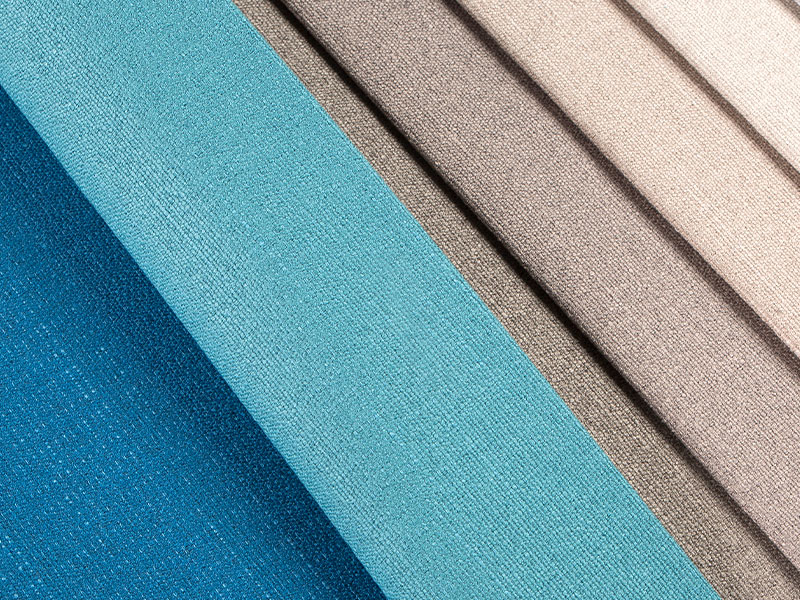
- Slubs: The distinctive little bumps and thick areas found along the yarn that are characteristic of natural flax fibers.
- Plain Weave: Using a simple over-and-under pattern with slightly thicker yarns to achieve a heavier, more defined texture than typical smooth synthetics.
- Matte Finish: Applying a finish to the fibers to dull the characteristic shine of materials like pure polyester, giving it the natural, earthy look of real linen.
The Practical Perks of Faux Linen
Imitation linen has become a go-to choice for curtains, upholstery, and apparel due to its winning combination of practical advantages:
Wrinkle Resistance
Thanks to the inclusion of polyester, faux linen fabrics often require little to no ironing. They bounce back quickly from folding and sitting, maintaining a neat appearance that is almost impossible to achieve with pure linen.
Affordability
Because the raw materials are less labor-intensive to harvest and process than flax, imitation linen is significantly more budget-friendly than its natural counterpart.
Ease of Care
Most imitation linen is machine washable and can be tumble dried on a low setting, a major advantage over the more delicate care requirements often associated with pure linen. It’s also less prone to shrinking.
Where You Find Faux Linen
The versatility of imitation linen has allowed it to penetrate many different areas of modern living:
Home Furnishings
Faux linen is a popular choice for drapery and curtains because it hangs beautifully, filters light well, and is easy to clean. It’s also widely used for slipcovers and toss pillows, bringing a sophisticated, textured look to a room without the worry of excessive creasing.
Fashion and Apparel
In the clothing industry, imitation linen is ideal for blazers, trousers, and summer dresses. It provides the lightweight, sophisticated structure of linen, yet a traveler can pull it straight out of a suitcase and wear it with minimal fuss.
By merging the timeless elegance of natural linen with the easy-care technology of modern fibers, imitation linen has carved out a permanent and much-loved place in the world of textiles.