Language
  English
 中文简体
中文简体 عربى
عربى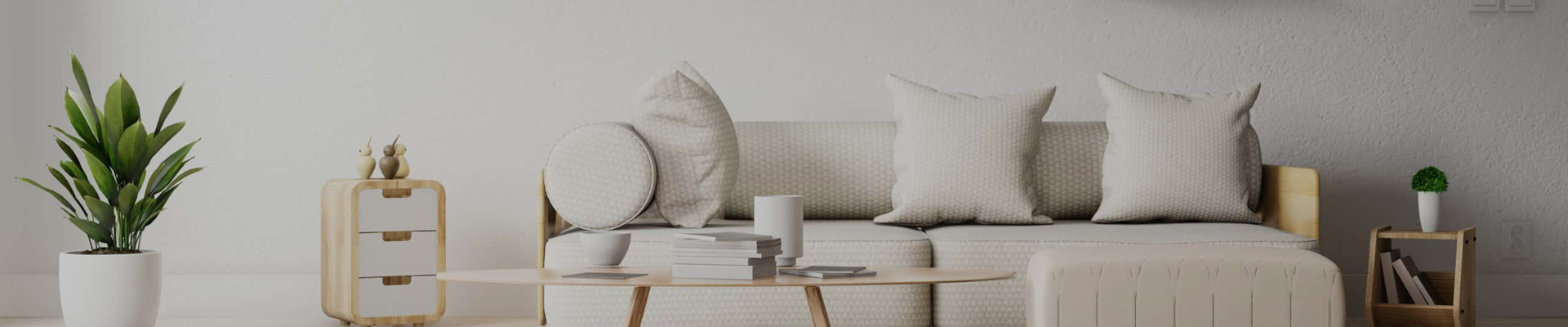
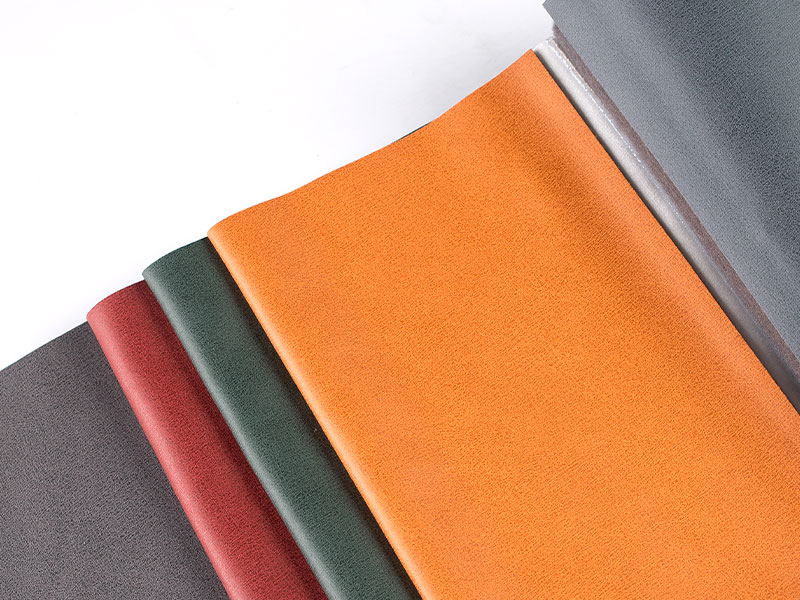
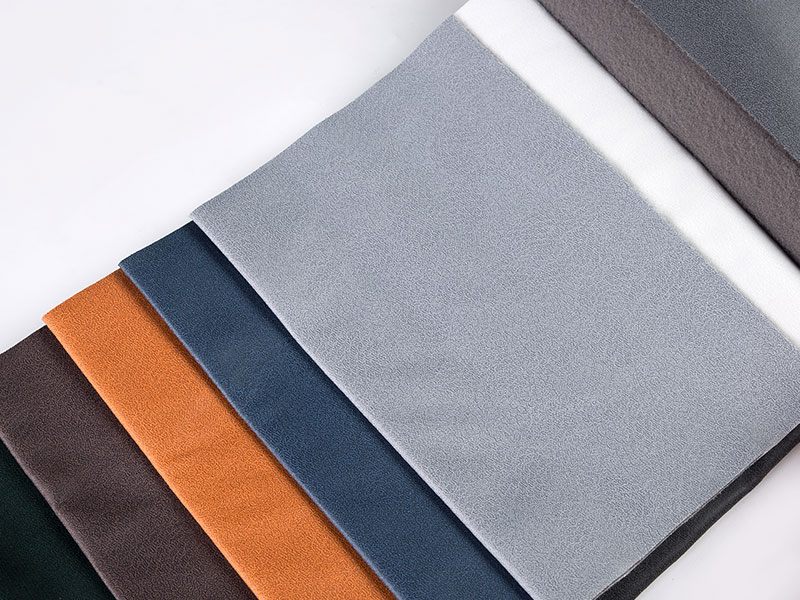
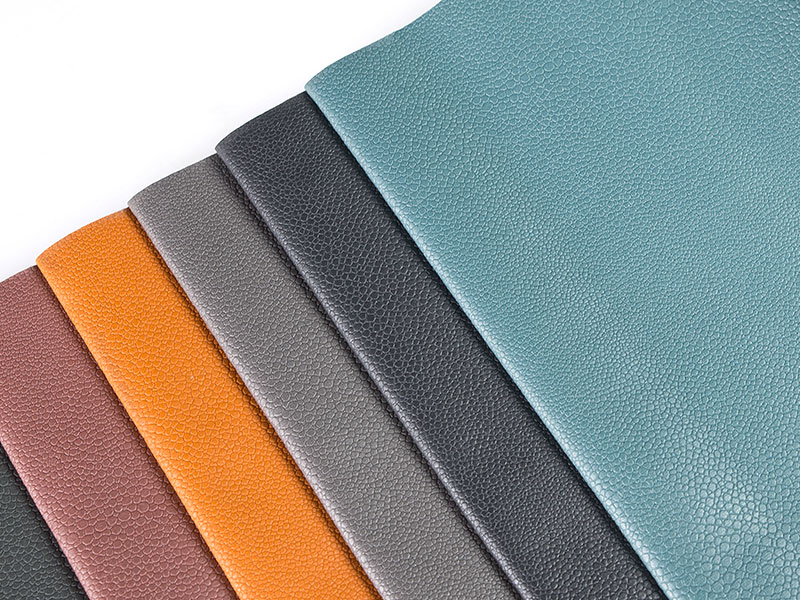
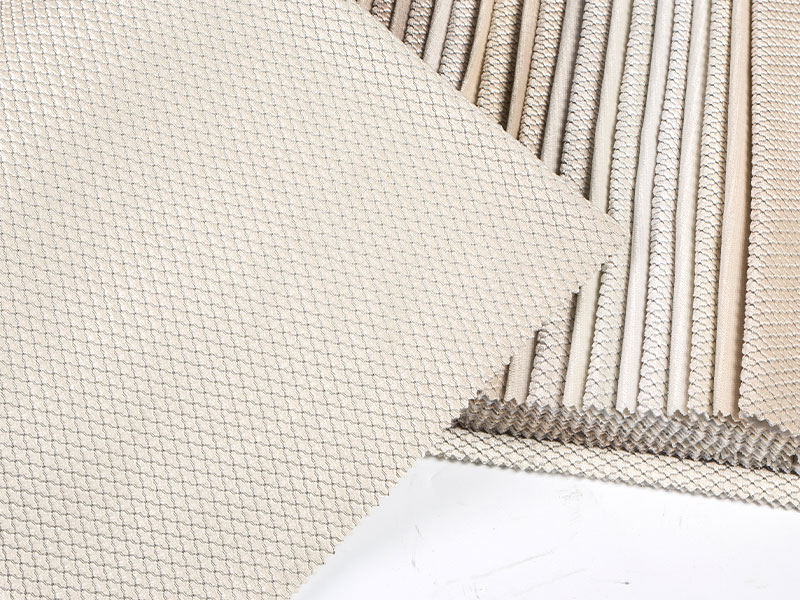
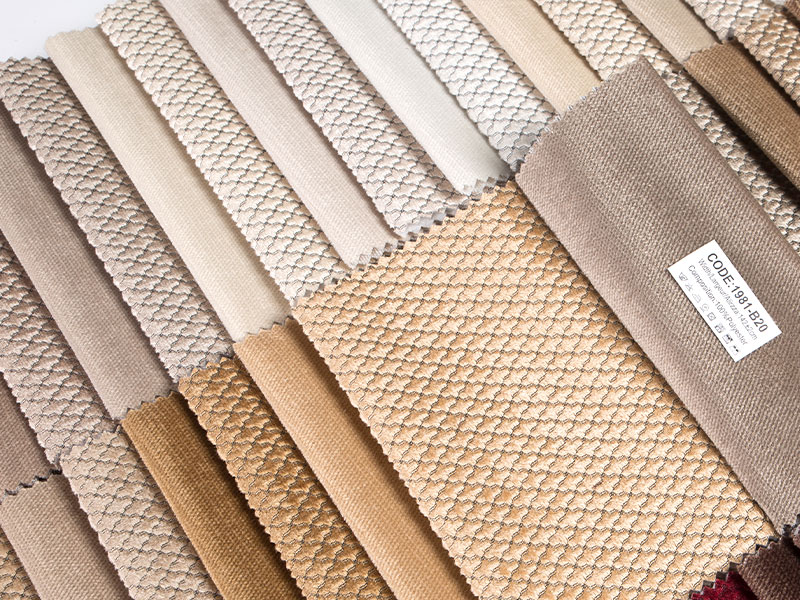
Imitation linen fabric has emerged as a powerhouse in the textile industry, successfully bridging the gap between the timeless, rustic charm of natural linen and the demand for enhanced durability, accessibility, and ease of care. This engineered textile offers the sought-after look and feel of its natural counterpart without the typical drawbacks, making it a highly attractive choice for a wide range of applications from fashion to home décor.
Content
Understanding Imitation Linen: Composition and Construction
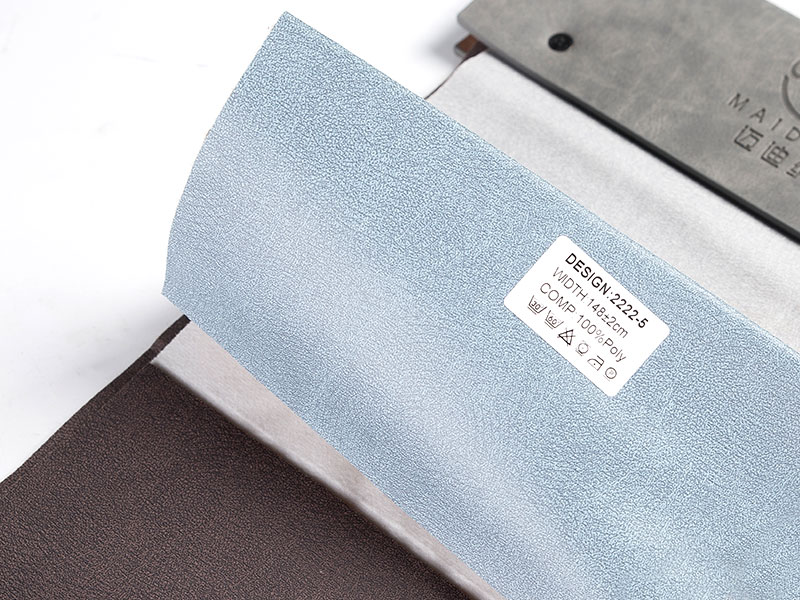
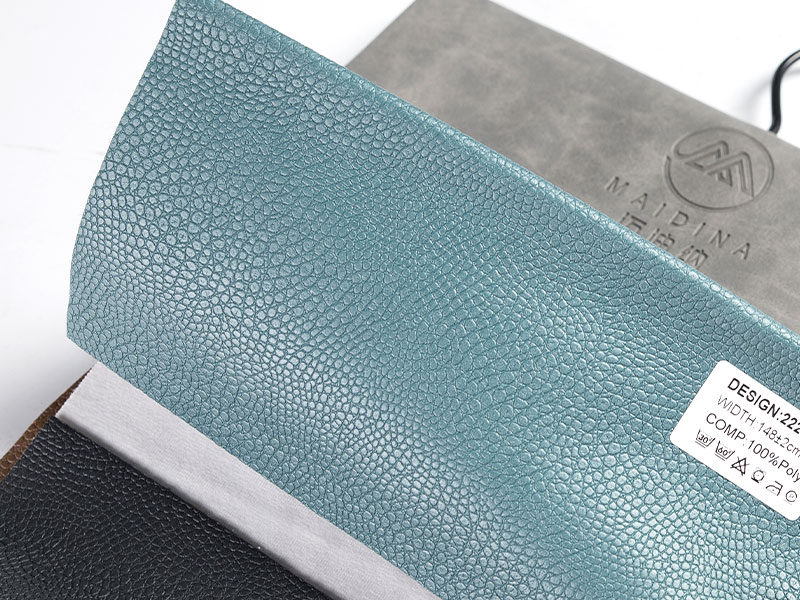
While authentic linen is spun from the natural fibers of the flax plant, imitation linen fabric is typically crafted from synthetic fibers, most commonly polyester, or a blend of synthetics and natural fibers like cotton or rayon.
Key Characteristics
The manufacturing process focuses on replicating the characteristic slub or irregularity found in true linen yarn. This is achieved through:
- Fiber Blending: Using fibers with differing degrees of thickness and texture.
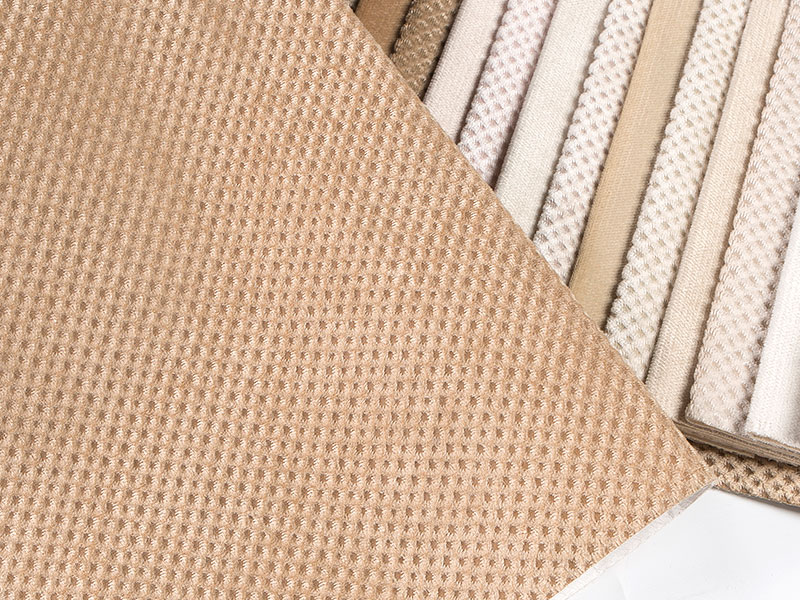
- Weave Structure: Employing specific loom settings to create the slightly looser, plain or twill weave that allows the fabric to drape and breathe similarly to natural linen. The resulting material successfully mimics linen’s crisp hand feel and subtle sheen, while offering superior resilience.

Advantages Over Natural Linen
The increasing popularity of imitation linen fabric stems from several distinct advantages it holds over traditional linen:
- Wrinkle Resistance: The most notable benefit is its significantly lower propensity to wrinkle. Unlike pure linen, which creases easily and requires diligent ironing, the synthetic content in imitation linen helps it maintain a smoother appearance, reducing maintenance time.
- Durability and Wear: Generally, the synthetic composition provides higher tensile strength and abrasion resistance, making the fabric more durable for items subject to frequent use and washing, such as upholstery and everyday apparel.
- Affordability: Imitation linen is a more cost-effective alternative, making the classic linen look accessible to a broader consumer market.
- Color Fastness: Synthetic fibers often take dye better and offer improved color fastness compared to natural linen, ensuring that vibrant or deep colors remain true after repeated laundering.
Versatile Applications in Textiles
The combination of aesthetic appeal and practical benefits has established imitation linen fabric as a versatile material across multiple sectors:
- Apparel: It’s widely used for summer dresses, blouses, lightweight suits, and trousers, providing a breathable feel with a professional, sharp look that’s easy to maintain.
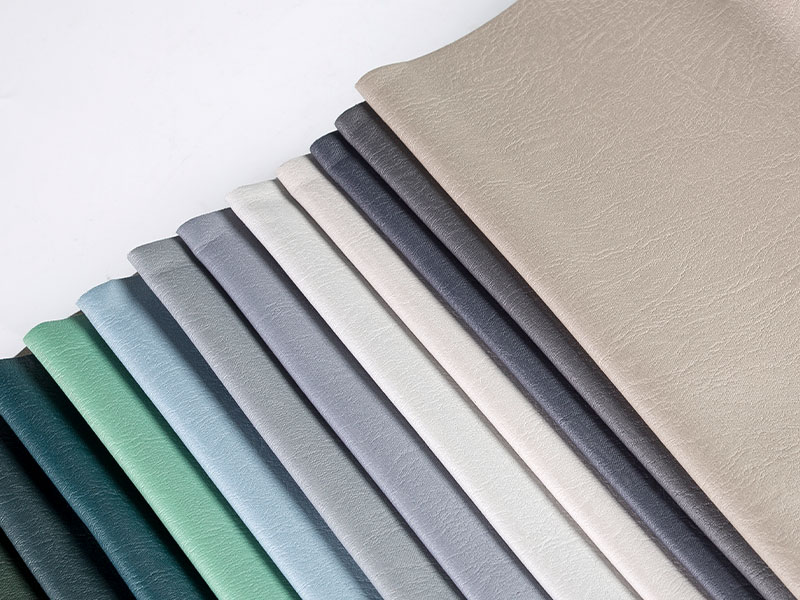
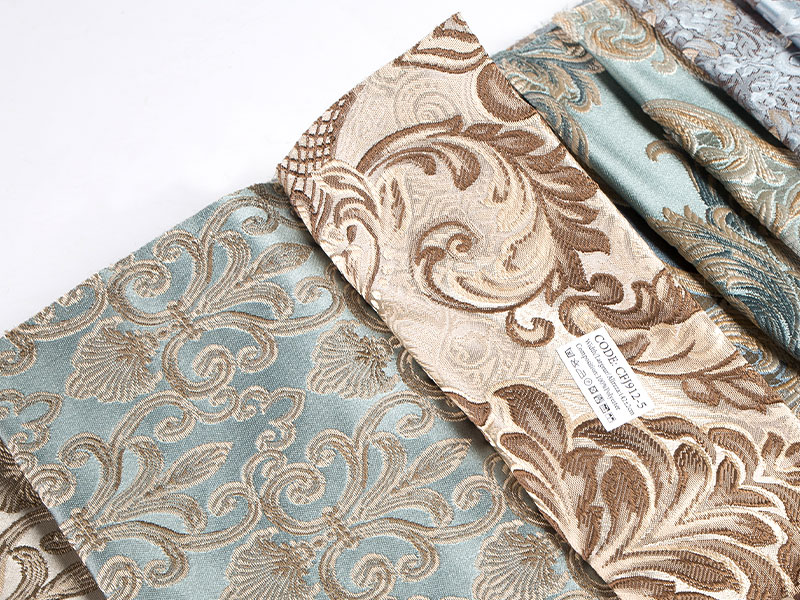
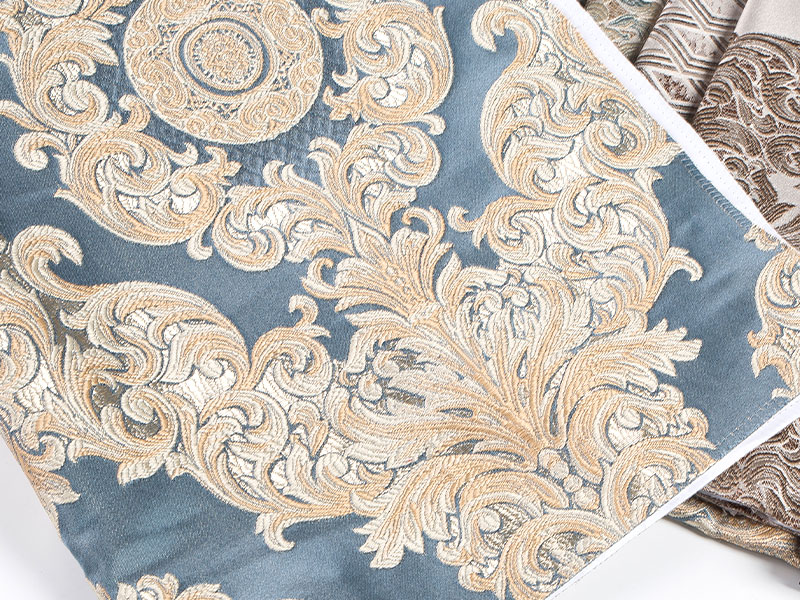
- Home Décor: Its excellent drape and durable nature make it perfect for curtains and drapes , offering a sophisticated, natural texture that filters light beautifully. It is also a favored choice for tablecloths, napkins, and accent pillows.
- Upholstery: Due to its enhanced wear properties, it’s increasingly utilized for light-duty upholstery, providing the casual, high-end texture of linen without the worry of excessive pilling or tearing.
Care and Maintenance
Caring for imitation linen fabric is generally straightforward and less demanding than caring for pure linen. Most varieties can be machine-washed on a gentle cycle with cold or warm water. The use of a low-temperature dryer setting is usually sufficient, and many items can be hung to dry, often requiring little to no ironing. This ease of care further contributes to its status as a practical, high-value textile.
Conclusion
Imitation linen fabric represents a smart evolution in textile manufacturing. By expertly combining the rustic elegance of flax fiber with the performance characteristics of modern synthetics, it provides a functional, affordable, and easy-to-care-for material that doesn’t compromise on style. Its continued adoption across fashion and home goods signifies its success as a sustainable and accessible alternative that honors a classic aesthetic while embracing modern practicality.