Language
 English
 中文简体
 عربى
Velvet invites touch. Printed velvet laminate fabric takes that invitation one step further: it puts colour and pattern into the pile, then bonds a backing behind it so the roll behaves itself on a cutting table. Anyone who has unrolled a plain printed velvet and watched it curl at the edges, stretch under its own weight or slide across a frame already understands why the laminated version exists.
We are Tongxiang Medina Textile, a warp-knitting and finishing mill in Tongxiang, Zhejiang, where polyester velvets are knitted, printed, embossed and laminated for sofa makers, curtain workshops, soft-bed producers and accessories brands. What follows is the conversation we usually have with a buyer before the first sample leaves the warehouse.
Content
What Printed Velvet Laminate Fabric Actually Is
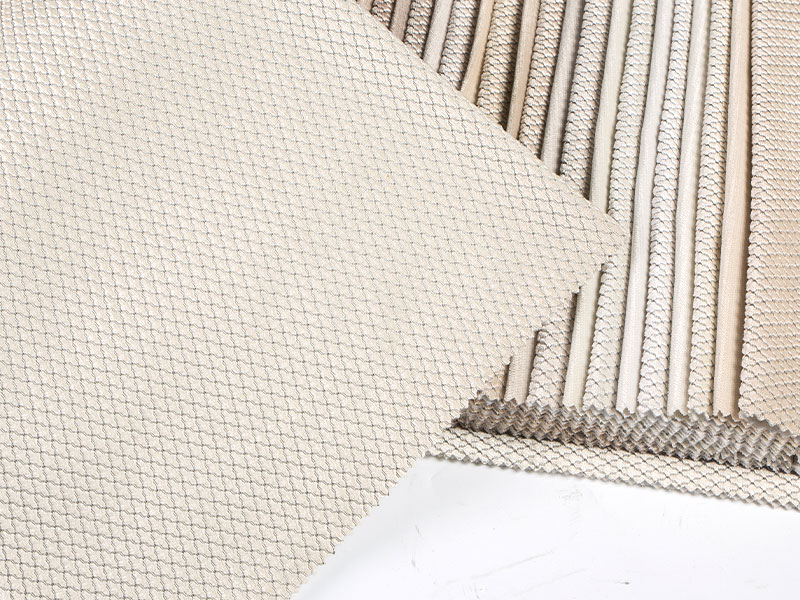
The name describes three separate operations stacked into one roll. First a pile fabric is knitted or woven. Then a pattern is printed into the pile. Finally the printed cloth is laminated to a backing that gives it body and stability. Each step can be adjusted, which is why two fabrics that look identical on a swatch card can behave very differently on a production line.
- Base cloth: most often a 100% polyester warp-knitted velvet, the family our customers know as Dutch fleece or holland velvet. The pile is cut, then brushed to the depth the buyer wants.
- Printing: transfer printing is the workhorse for polyester velvet because the disperse dye migrates into the pile and leaves the handle almost untouched. Rotary screen printing gives stronger coverage on heavier grounds, and digital printing suits short runs and detailed artwork.
- Lamination: flame lamination to polyurethane foam, or adhesive lamination to a knitted or woven backing. This is the step that decides how the finished fabric drapes.
- Optional finishing: embossing, foil stamping, brushing, anti-pilling and water-repellent treatments, applied before or after lamination depending on the effect.
Our own line covers all four stages under one roof, which matters when a colour needs correcting or a pile height needs adjusting mid-order. If you want to see how designers tend to use the material, our designer's guide to printed velvet laminate walks through the visual side in more detail.
Why Laminate at All?
A plain printed velvet is beautiful and slightly unruly. Lamination solves the practical problems that appear once the fabric leaves the sample room.
- Dimensional stability. The backing stops the pile from curling and keeps panels square, so seams stay flat instead of grinning open after a few weeks of use.
- Body and coverage. A laminated velvet holds its shape over a frame and hides the outline of foam and webbing, which reduces the wadding a workshop needs underneath.
- Cutting efficiency. Firmer cloth stacks and cuts cleanly, and pattern repeats are easier to match across panels.
- Wear performance. Bonding spreads flexing stress across the backing rather than concentrating it in the pile, which helps in seat cushions and arms.
- Comfort. Foam-backed versions add a quiet, cushioned feel that plain velvet cannot provide on its own.
Choosing the Backing
This is the decision that shapes everything downstream. Ask yourself where the fabric will sit, how much curvature it has to wrap, and whether the finished piece will be cleaned often.
| Backing type | Hand feel | Works best for | Worth knowing |
|---|---|---|---|
| Polyurethane foam | Plump, springy, soft | Sofa seats, headboards, soft beds | Keep foam thin on tightly curved frames to avoid creasing |
| Brushed knit fleece | Soft, slightly stretchy | Cushions, curved upholstery, apparel | Follows curves well; cut with the pile direction |
| Woven polyester backing | Firmer, more stable | Structured seats, curtains, straight panels | Least stretch, so pattern matching stays reliable |
| Self-adhesive backing | Flat, easy to apply | Crafts, boxes, wall panels, small furniture | Surfaces must be clean, dry and dust-free for a lasting bond |
A common compromise is a medium-weight knit fleece on a 100% polyester velvet: soft enough for a residential sofa, stable enough for a workshop that cuts twenty covers a day.
Where Printed Velvet Laminate Fabric Fits Best
Upholstery and seating
Accent chairs, dining seats, ottomans and boutique sofa collections are the natural home for this material. A printed pattern hides the small marks that plain velvet shows, and the backing keeps the cover tight across the seat deck.
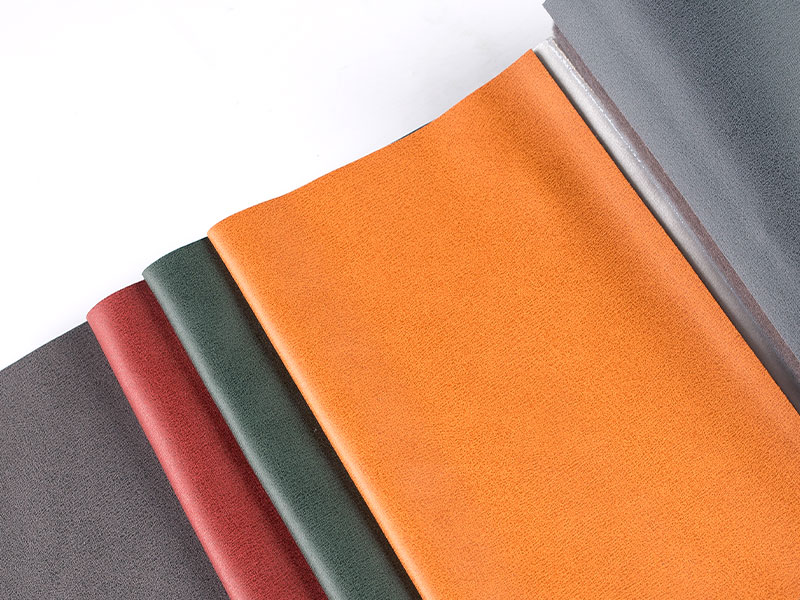
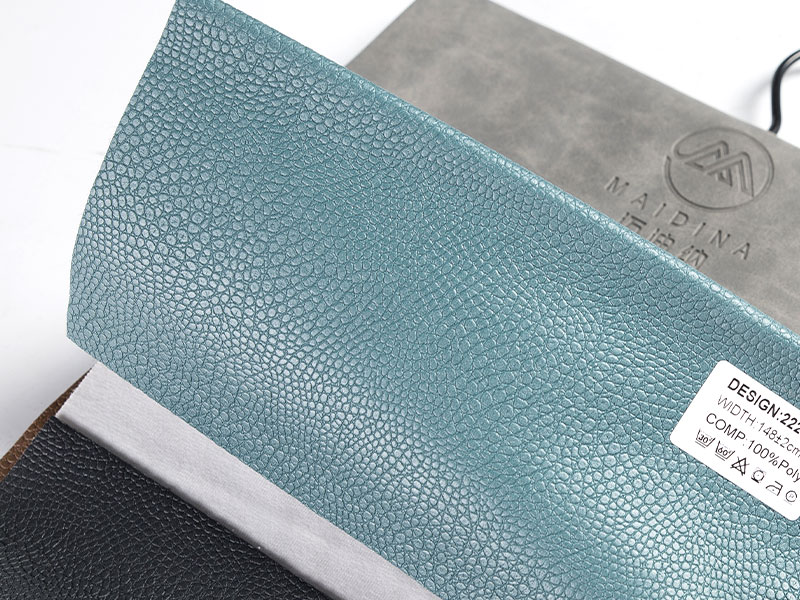
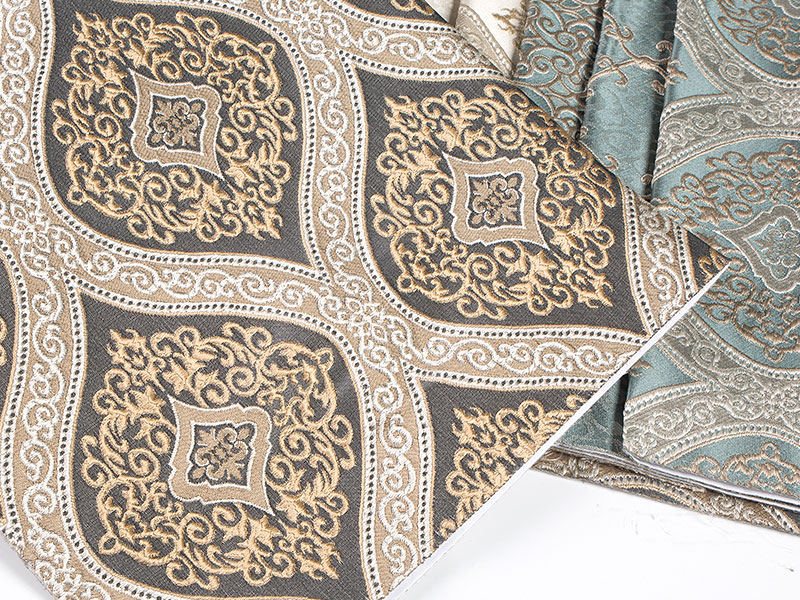
 Premium Printed Velvet Laminate Fabric for UpholsteryVibrant, soft 290GSM polyester velvet laminate with wrinkle resistance and colorfastness, suited to accent seating, ottomans, padded headboards and cushions when a plush look matters.View Product →
Soft beds, cushions and headboards
Because foam lamination adds volume without weight, the fabric suits padded headboards, bed frames and scatter cushions where a plush silhouette matters. Quilting works well too, provided the backing is chosen with the stitch pattern in mind.
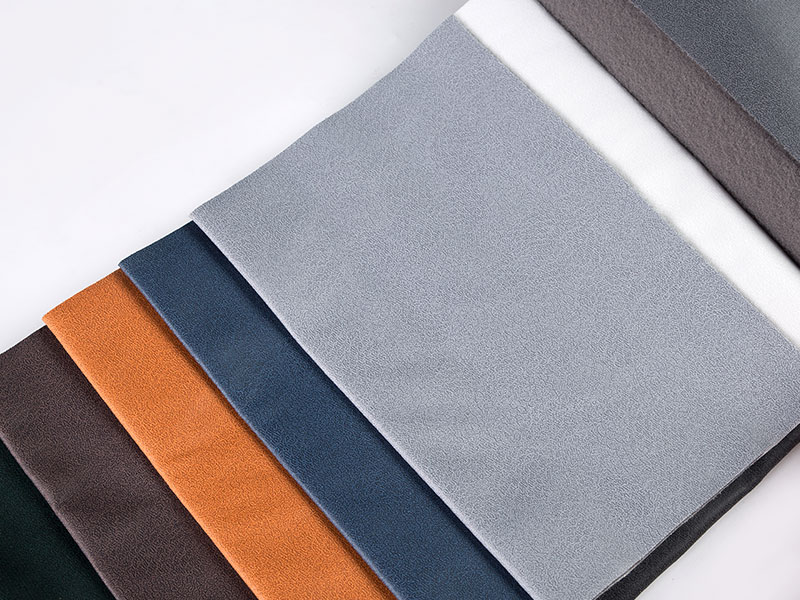
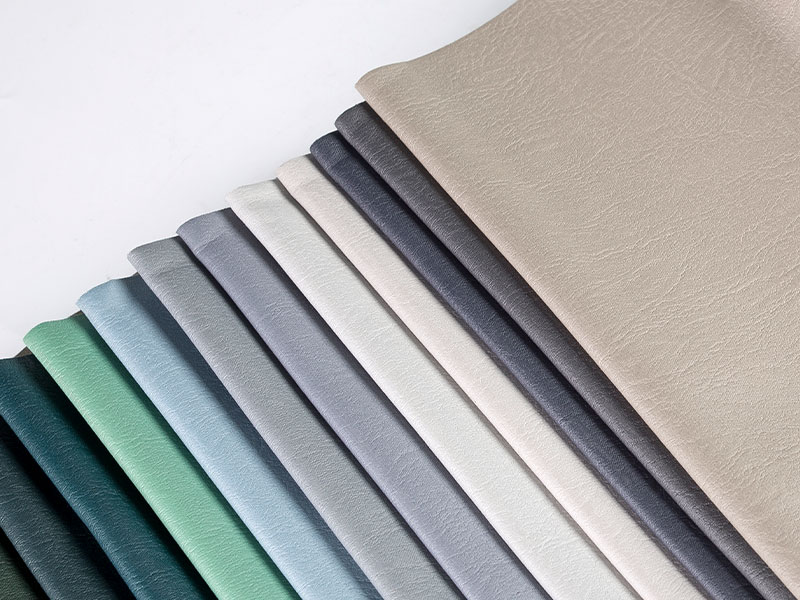
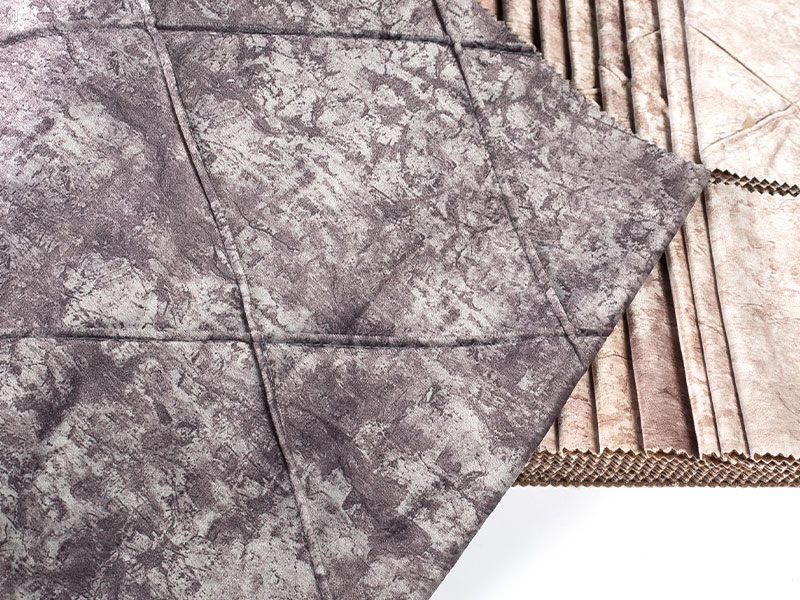
 Durable Printed Velvet Laminate Fabric for Upholstery and AccessoriesAbrasion-resistant 290GSM polyester velvet laminate with minimal stretch, suited to sofas, chairs, cushions and lighter applications such as jackets, bags and décor.View Product →
Apparel, accessories and craft
Lighter laminations appear in jackets, bags, hair accessories and seasonal décor. Here the print usually leads and the backing simply keeps the fabric from distorting during cutting and sewing.
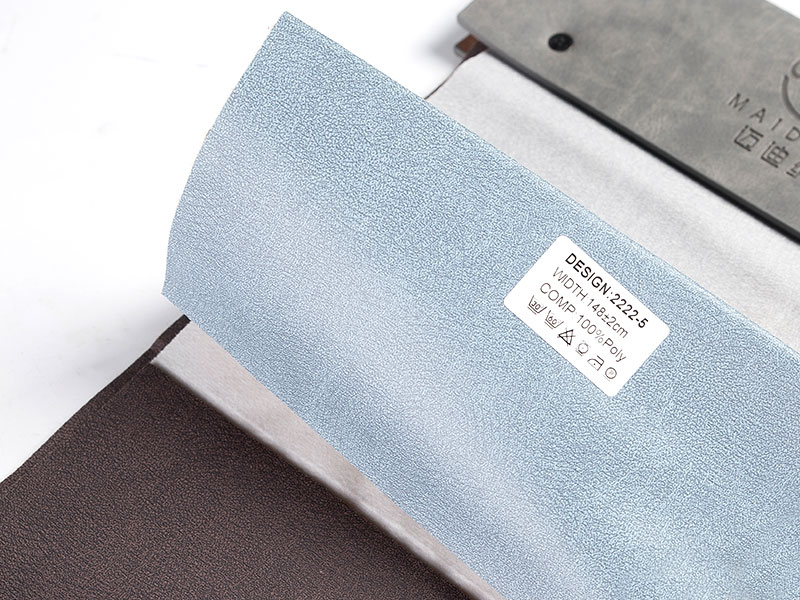
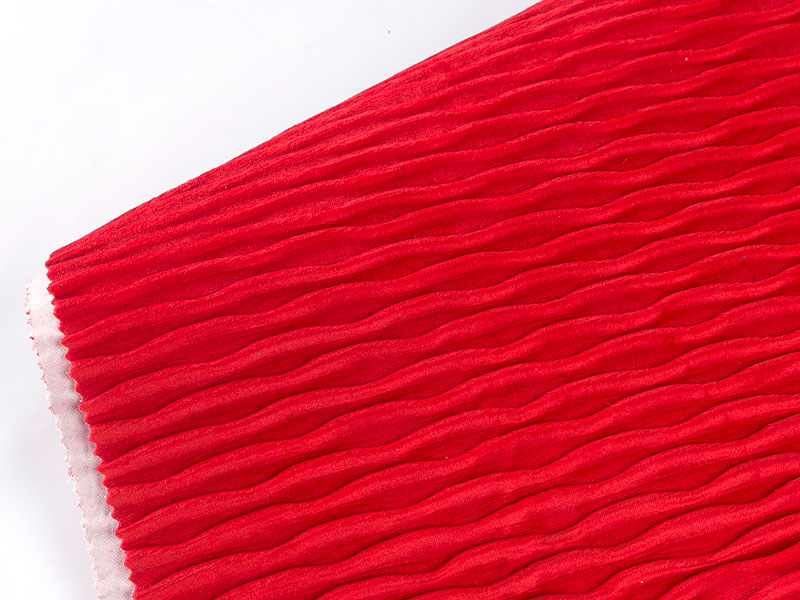
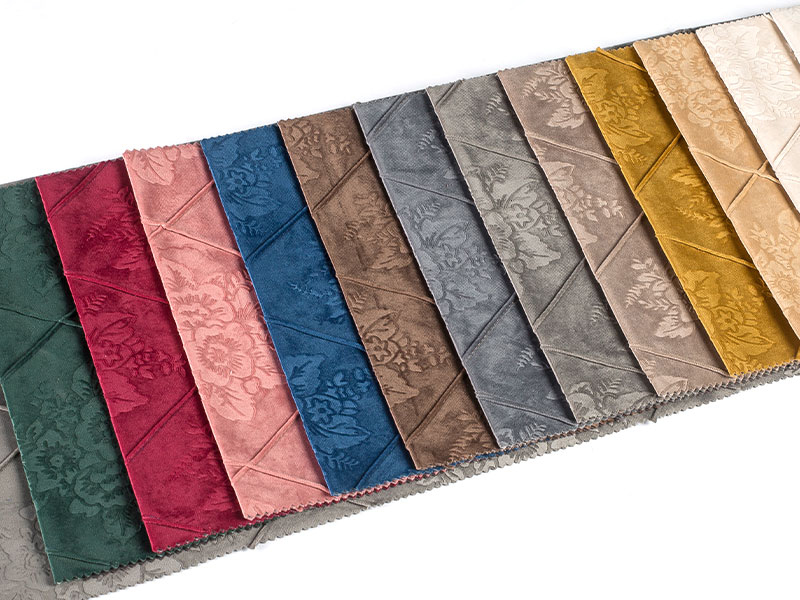
 Versatile Printed Velvet Laminate Fabric with UV ResistanceUV- and tear-resistant 290GSM polyester velvet laminate with varied prints, suitable for apparel, accessories, home décor and furniture such as sofas, cushions and curtains.View Product →
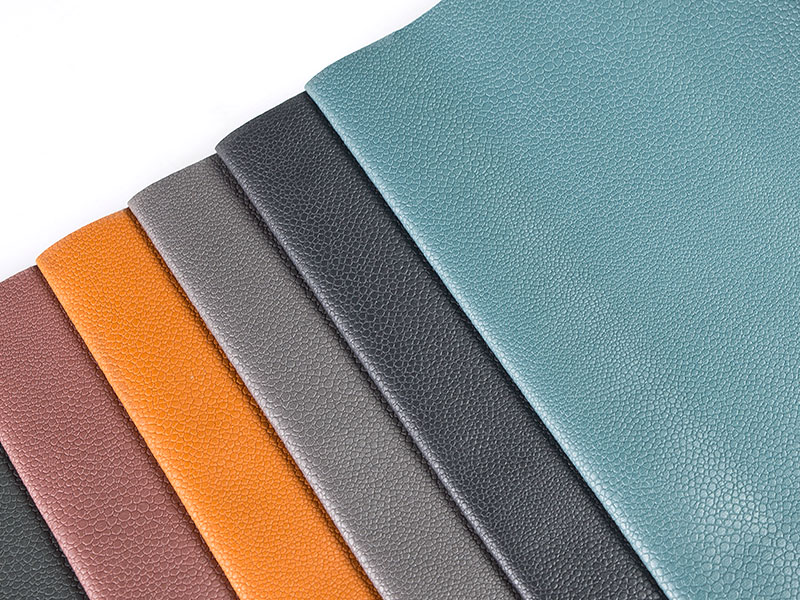
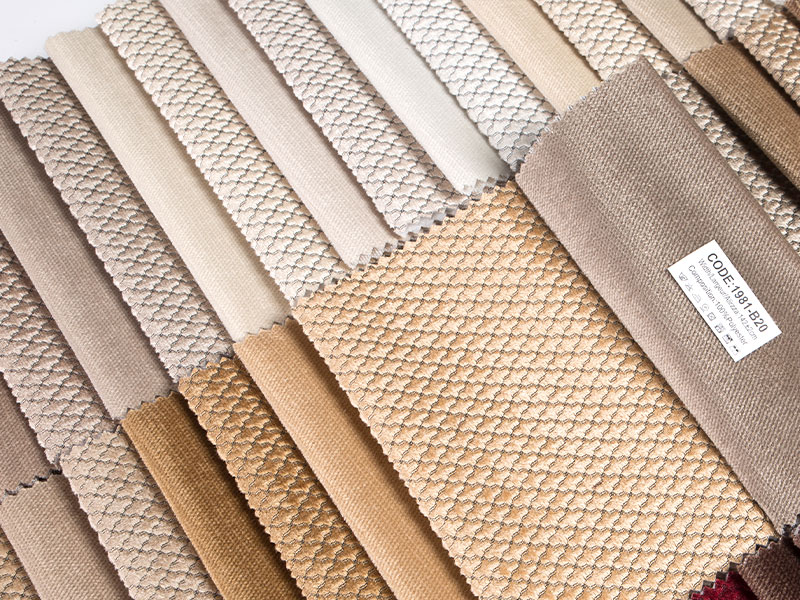
The full range is listed in our printed velvet laminate fabric collection, and we are always happy to send a swatch set if you would rather judge the handle in person.
Getting Pattern and Colour Right
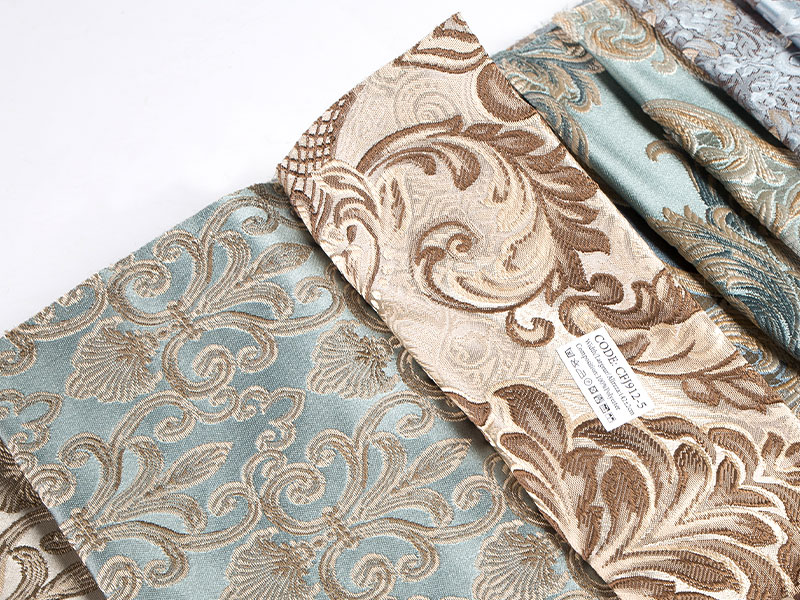
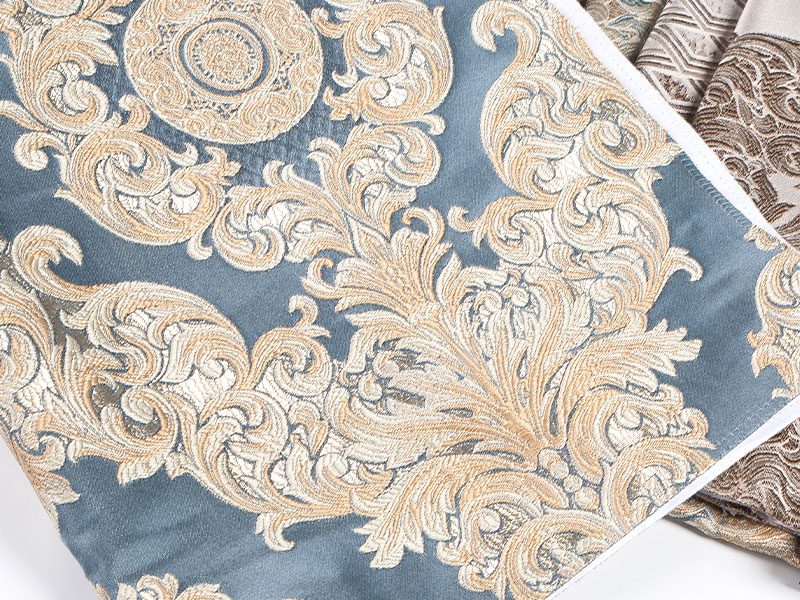
Printing onto pile is not the same as printing onto flat cotton. The pile absorbs dye unevenly, so artwork with fine hairlines or very tight geometric repeats may lose definition. Larger motifs, painterly florals and broad abstract shapes translate most faithfully.
Two details are worth agreeing before bulk production. First, the repeat size and its position on the roll, since a 32 cm repeat and a 64 cm repeat can change the yield per sofa noticeably. Second, the colour standard: we work from lab dips and approved strike-offs, and we keep the approved sample on file so that repeat orders stay consistent. If a print is combined with embossing, the two effects need to align, and that alignment is far easier to control when printing and embossing happen in the same facility.
Care and Cleaning Notes for Your Care Label
- Vacuum with a soft brush head rather than scrubbing, which disturbs the pile.
- Blot spills immediately with a clean, dry cloth; avoid soaking the seam lines.
- Use a mild, pH-neutral upholstery cleaner and test on a hidden area first.
- Keep printed velvets out of prolonged direct sun unless the print has been tested for lightfastness.
- Brush the pile back in one direction once dry so the pattern reads evenly.
Ordering: What to Confirm Before Bulk
Most first orders move faster when these points are settled in one round of messages rather than five.
- Base fabric and pile weight, expressed in grams per square metre.
- Backing type and thickness, plus whether a flame-retardant option is required.
- Artwork file, repeat size and the number of colourways.
- Performance expectations such as abrasion cycles, pilling grade and colourfastness.
- Roll width, roll length and packing preference for your warehouse.
- Target ship date, so the lamination schedule can be planned around it.
Samples are usually the quickest way to settle a question about handle or drape; a photograph cannot tell you how a foam-backed velvet folds around an armrest. Once the swatch is approved, minimum order quantities and lead times are confirmed in writing with the quotation.
Printed velvet laminate fabric sits at a useful intersection: it carries the visual warmth that velvet is loved for, and it behaves like a material a factory can actually work with. If you are weighing up options for an upcoming collection, send us the application, the frame shape and the look you have in mind, and we will suggest a construction that fits rather than the one that is easiest to sell.