Language
  English
 中文简体
中文简体 عربى
عربى
Run your hand across a good sofa cushion and you may feel a raised motif that seems to belong to the cloth itself rather than sitting on top of it. Chances are you are touching jacquard fleece fabric. It is one of those materials that quietly does a lot of work in upholstery and soft furnishings: warm, soft, visually rich, and — when it is specified properly — far harder wearing than its plush surface suggests.
We are a fabric mill in Tongxiang, China, and jacquard fleece runs through our daily production. This guide is written from the workshop floor rather than from a brochure: what the fabric actually is, how the pattern gets into it, what to check before placing an order, and where it performs best.
Content
- 1 What Is Jacquard Fleece Fabric?
- 2 How the Pattern Gets Built Into the Cloth
- 3 How Jacquard Fleece Compares with Other Patterned Fleece
- 4 What the Fabric Offers in Real Use
- 5 Where Jacquard Fleece Fabric Works Best
- 6 Specifying Jacquard Fleece: A Practical Checklist
- 7 Care Advice Worth Passing to End Users
- 8 How We Produce Jacquard Fleece
What Is Jacquard Fleece Fabric?
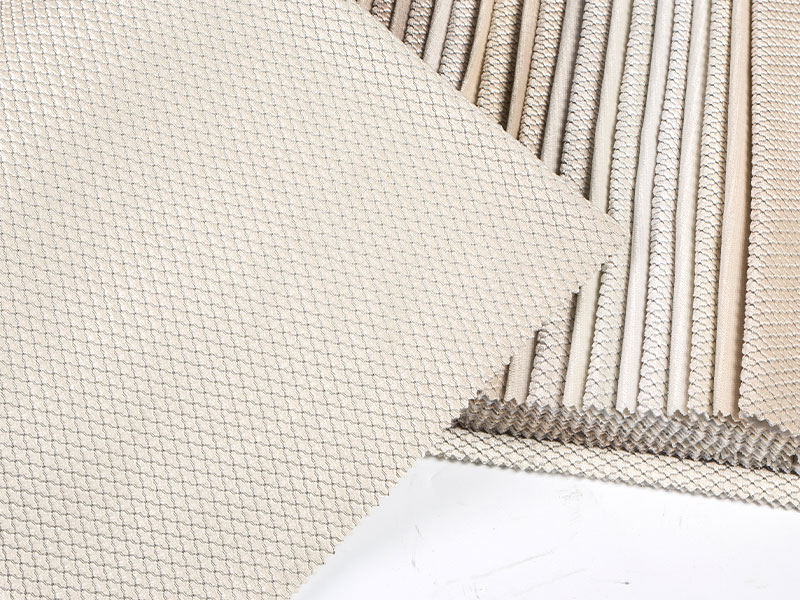
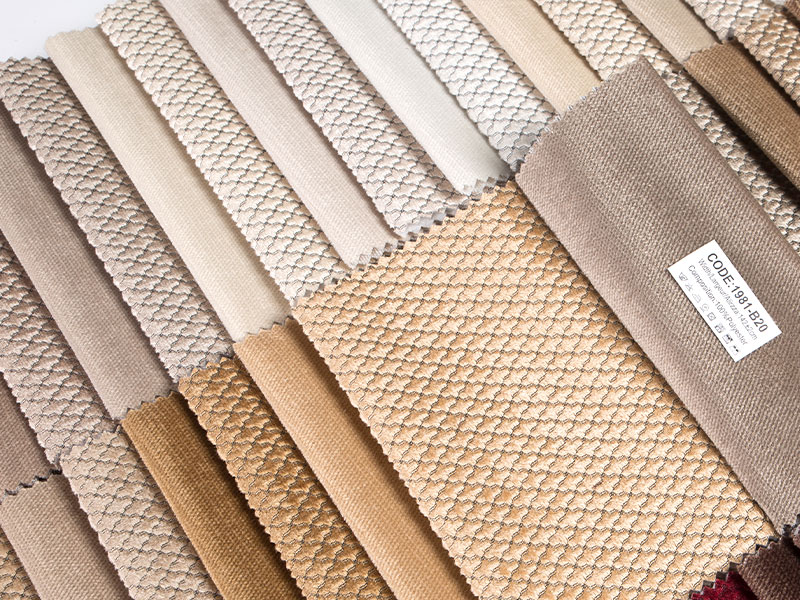
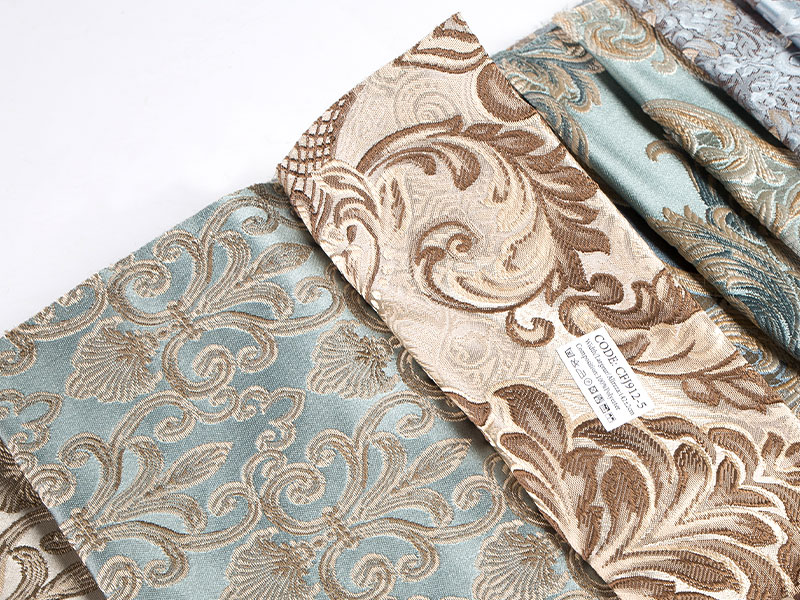
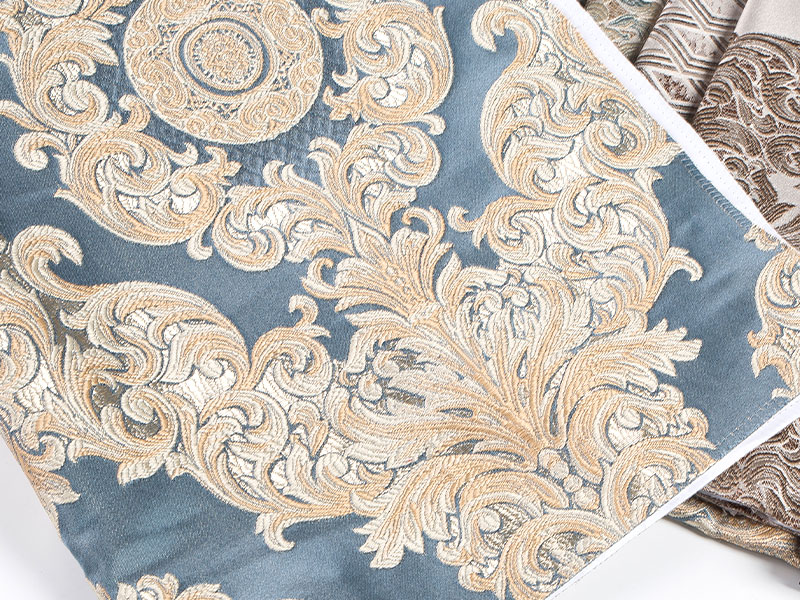
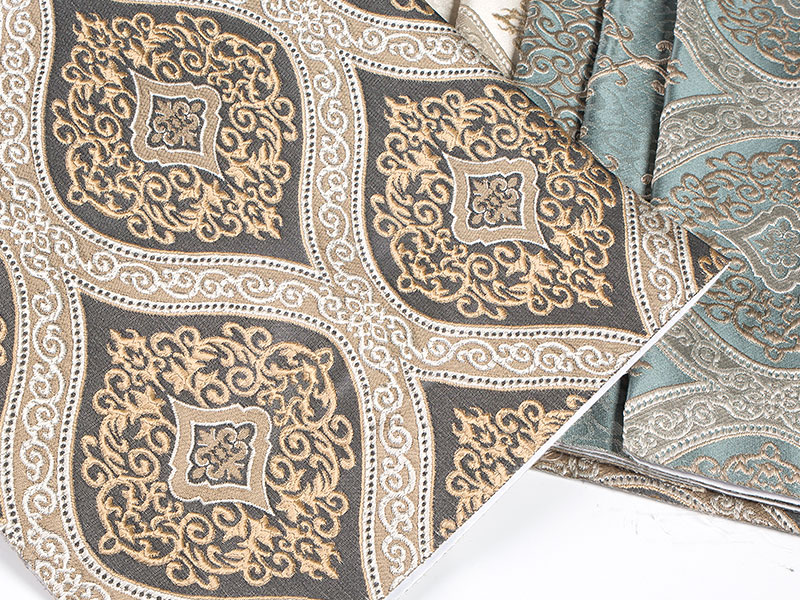
Jacquard fleece fabric is a napped textile in which the design — a geometric motif, a floral, a check, or a quiet tone-on-tone relief — is created while the cloth is being formed, using a jacquard mechanism that controls individual yarns. The brushed, raised surface that gives the material its soft fleece handle is added later, during finishing.
Three elements define the family:
- A jacquard structure. Selected needles or warp ends are lifted to build the motif stitch by stitch, so the pattern is structural rather than applied.
- A fleece finish. Raising, brushing or sanding lifts fibre from the surface and creates the pile that traps air and feels warm against the skin.
- A pile-friendly fibre base. Most of what we produce is 100% polyester, which keeps the cloth stable, colour-fast and easy to clean. Blends with viscose, acrylic or cotton exist, but they change shrinkage, pilling and care behaviour.
How the Pattern Gets Built Into the Cloth
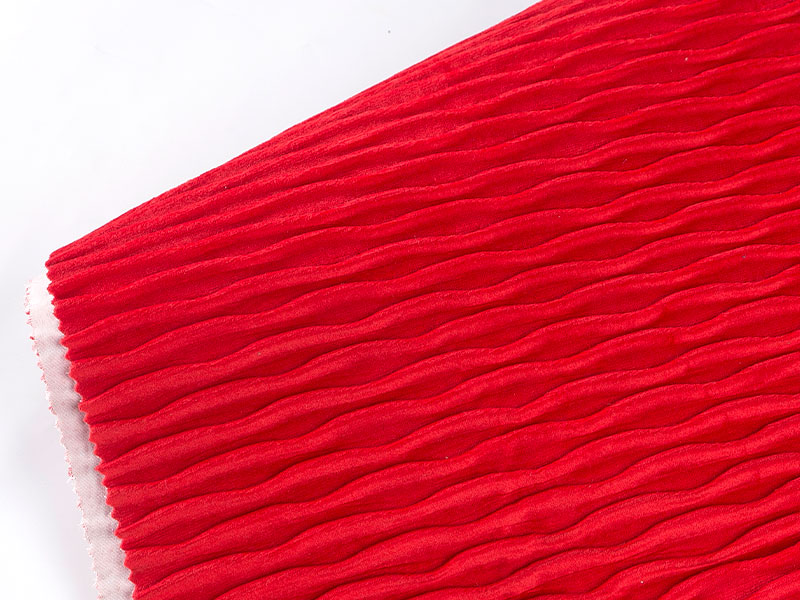
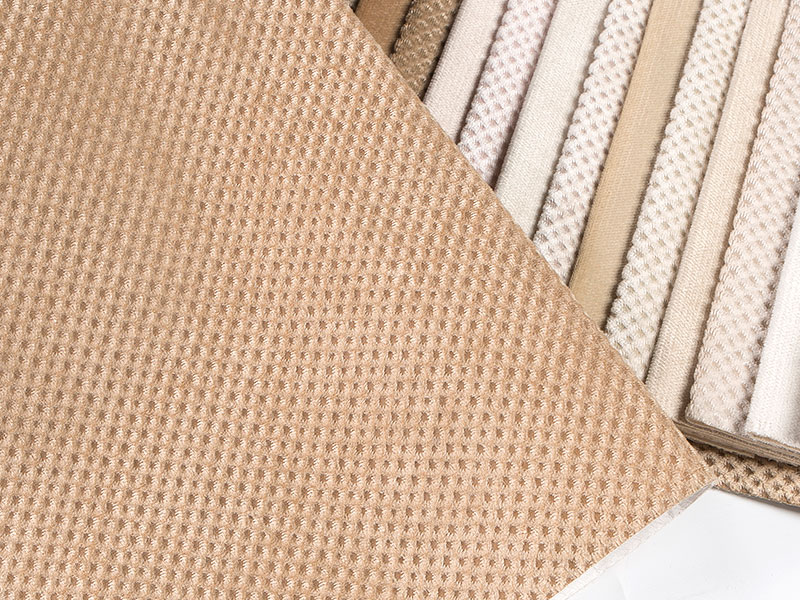
Two routes are common, and they are often confused. In a contrast jacquard, the yarns are dyed before knitting or weaving, so the motif appears in colour. In a relief jacquard, the fabric is formed in one colour and then dyed as a piece; the pattern shows up because the structure reflects light differently where the pile is denser or shorter. Contrast jacquard offers stronger graphics, relief jacquard offers subtler texture and usually a lower minimum order.
Production typically follows four stages:
- Yarn preparation and dyeing. Yarn counts and dye lots are checked first, because a mismatch here shows up as streaks in the finished motif.
- Fabric formation. The cloth is knitted on a jacquard warp knitting machine or woven on a jacquard loom, following a digital design file.
- Fleece finishing. Raising and brushing open the surface fibres to the required pile height, which determines warmth and hand feel.
- Dyeing, printing or embossing, then heat setting. Heat setting stabilises width, shrinkage and pile appearance before inspection and packing.
How Jacquard Fleece Compares with Other Patterned Fleece
Buyers rarely choose a pattern method in isolation; the decision usually comes down to how much abrasion the end product will see and how much the design needs to shout. The table below summarises the trade-offs we discuss most often with customers.
| Method | How the pattern is created | Design durability | Typical use |
|---|---|---|---|
| Jacquard fleece | Motif built in during knitting or weaving; pile raised afterwards | Colour and pattern are part of the structure, so surface wear shows less | Upholstery, cushions, throws, soft furnishings |
| Printed fleece | Print applied to a finished fleece surface | Sits on the pile and can dull or crack under heavy rubbing | Fashion, crafts, low-wear decoration |
| Yarn-dyed flat jacquard | Pre-dyed yarns form the motif in an unraised cloth | Very stable, no pile to crush | Drapery, apparel, light upholstery |
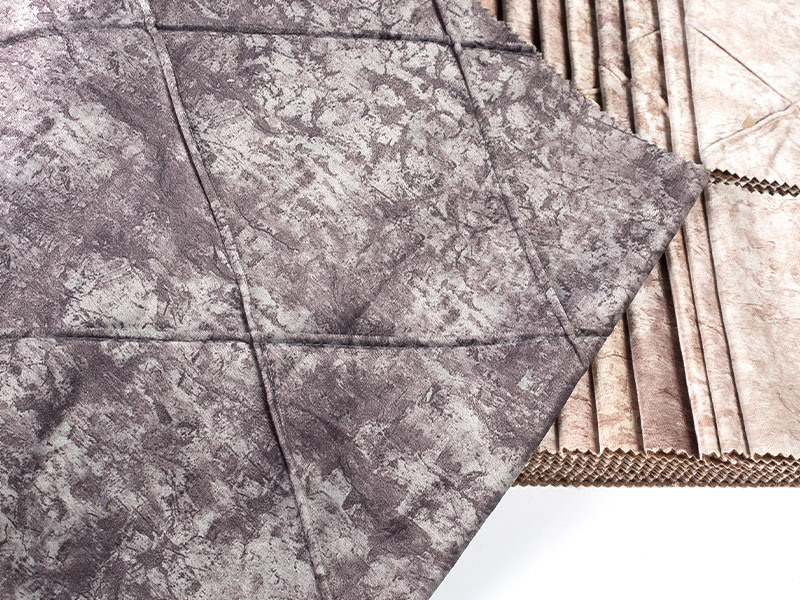
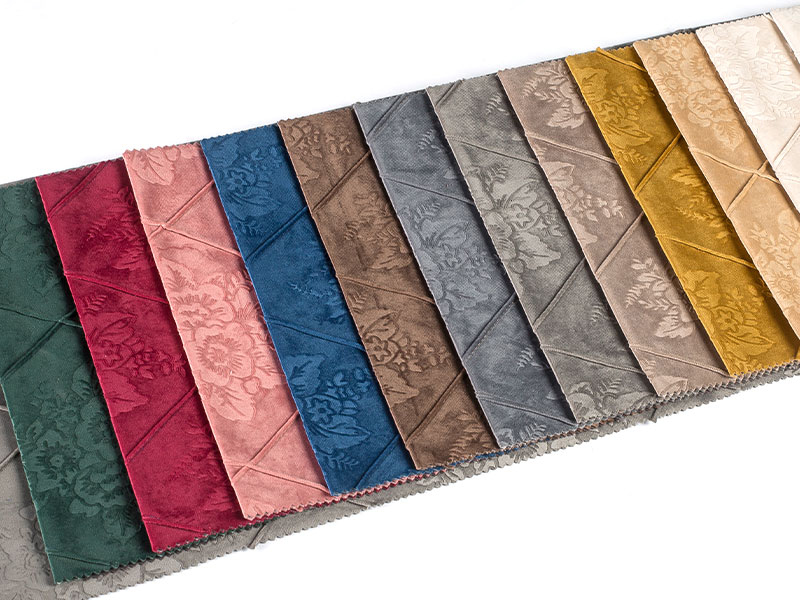
| Embossed fleece | Heat and pressure press a relief into the pile | Relief gradually flattens with use | Accent cushions, decorative panels |
What the Fabric Offers in Real Use
In testing rooms and on customers' cutting tables, jacquard fleece tends to earn its place for a consistent set of reasons:
- Warmth without bulk. The raised pile traps air, so the cloth feels cosy at moderate weights.
- A dense, soft handle. Brushing softens the surface while the jacquard structure keeps the body of the fabric firm.
- Shape retention. Warp-knitted versions stretch far less than a simple fleece knit and recover well, which matters on seat cushions.
- Abrasion tolerance. A well-set polyester pile handles repeated rubbing better than a printed surface, provided fibre quality is controlled.
- Easy care. It dries quickly, resists wrinkling, and can be cleaned without special equipment.
- One caution. Pilling is the usual weak point of cheap fleece. Always ask for pilling and colourfastness test results rather than judging from a hand sample alone.
Where Jacquard Fleece Fabric Works Best
The material suits products that are touched often and seen from close range. Our customers use it for sofa and chair upholstery, scatter cushions and throws, soft beds and upholstered headboards, occasional drapery and valances, jacket linings, loungewear, and decorative items such as wall panels and table runners. In each case the pattern is doing part of the design work, so a plain companion fabric is usually enough to finish the scheme.
A soft jacquard fleece developed specifically for sofas and other household items is one of our most requested items in this family, and it is a sensible starting point if you are sampling the category for the first time.
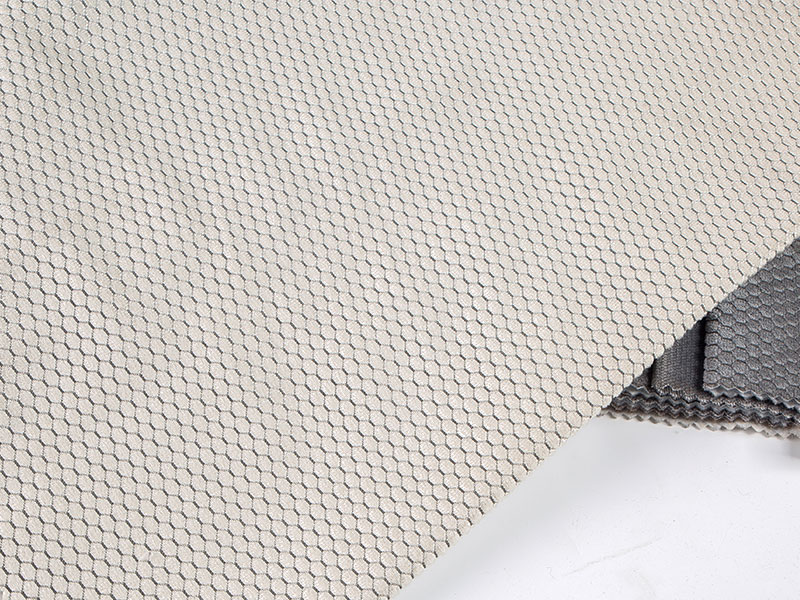 Custom Soft Jacquard Fleece for Sofas and Household ItemsA 240GSM polyester jacquard fleece for sofas and household items, offered in custom colors; a practical first sample when exploring this fabric family.View Product →
Specifying Jacquard Fleece: A Practical Checklist
Most disputes we see are not about design taste but about a specification that was never written down. Before you confirm a bulk order, settle these points in writing:
- Fibre content and whether recycled polyester is acceptable, since it can slightly alter hand feel.
- Weight in gsm and tolerance, because pile depth and density change dramatically between light and heavy versions.
- Usable width and selvedge quality, so cutting plans and yield calculations hold up.
- Pile height and surface finish, described with a reference sample rather than words alone.
- Backing or lamination, if you need extra body, water resistance or a knit-back for upholstery.
- Performance data: colourfastness to rubbing and light, pilling, shrinkage, and Martindale results where relevant.
- Minimum order quantity, lead time and packing, including roll length and core size.
For projects that need a more decorative look, a luxurious jacquard fleece for home decor gives you a richer surface while keeping the same structural advantages.
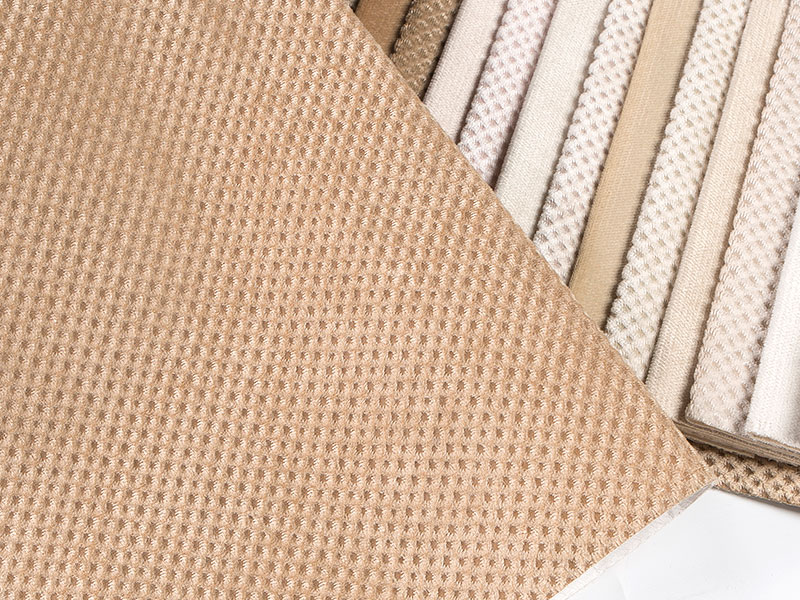 Luxurious Jacquard Fleece Fabric for Home Decor and BlanketsA 100% polyester jacquard fleece with a soft, silky feel for blankets and home decor, suited to projects needing a more decorative surface.View Product →
Care Advice Worth Passing to End Users
Care instructions are part of the product, not an afterthought. For polyester jacquard fleece, recommend washing at a low temperature on a gentle cycle, avoiding fabric softener that coats the pile, and drying flat or at low heat. High heat flattens the nap and can shrink the backing. Regular vacuuming with a soft brush attachment keeps upholstery looking fresh, and rotating cushions spreads wear evenly across the pattern.
How We Produce Jacquard Fleece
Our mill was founded in 2014 and today runs 50 electronic jacquard machines, 8 warp knitting machines and automated packing equipment, with more than 200 staff. We developed our own warp-knitted flannel dyeing, printing, embossing and bronzing processes, which is why so many jacquard fleece variants — plain, laminated, embossed, printed — can be produced under one roof instead of being outsourced across several workshops.
Raw material suppliers are audited and incoming yarn is compared before release to production; each line is monitored against agreed quality indicators, and finished rolls are inspected before packing. If you would like more background on how this material behaves, our deep dive into jacquard fleece fabric covers the technical side in more detail.
a deep dive into jacquard fleece fabricOne of our high-quality jacquard fleece qualities, suitable for household items, shows the balance we aim for between an attractive surface and dependable performance.
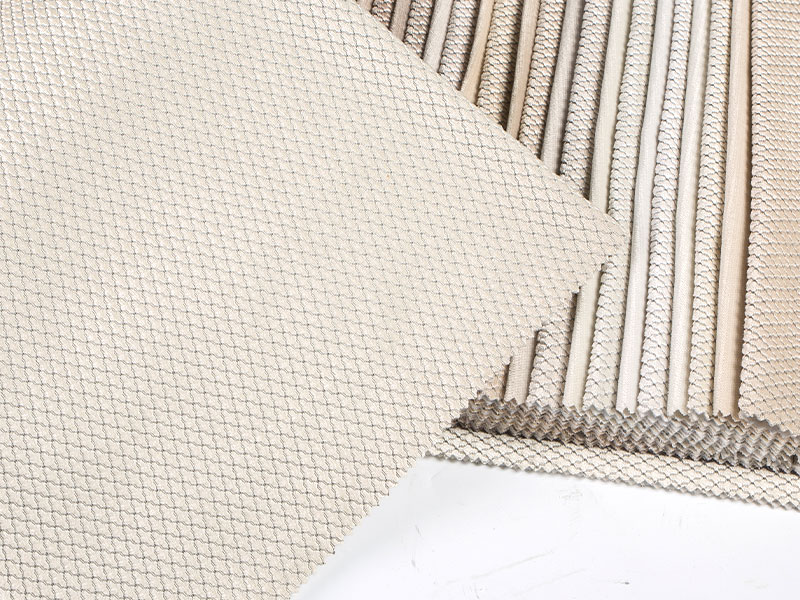 High-Quality Jacquard Fleece for Furniture and Household ItemsA 100% polyester jacquard fleece for sofas, bedding, curtains and cushions, with waterproof breathable qualities for easy cleaning and everyday household use.View Product →
If you are sourcing jacquard fleece for upholstery, bedding or decorative products, the quickest way forward is to tell us the end use, the weight you have in mind and the pattern direction, and ask for a swatch set. We are happy to send samples, discuss custom colours and relief designs, and quote on your target volumes. You can also browse our fabric catalogue to see how jacquard fleece sits alongside our chenille, laminated velvet and coated fabric ranges — most projects combine two or three of them.