Language
  English
 中文简体
中文简体 عربى
عربى
Content
- 1 What Is Imitation Linen Sofa Fabric?
- 2 How Imitation Linen Fabric Is Made
- 3 Imitation Linen vs. Real Linen: Key Differences
- 4 Why Imitation Linen Is So Popular for Sofas
- 5 Performance Ratings and What They Mean for Upholstery
- 6 Choosing the Right Imitation Linen Fabric for Your Sofa
- 7 Caring for Your Imitation Linen Sofa
- 8 What to Look for When Buying Imitation Linen Sofa Fabric by the Meter
What Is Imitation Linen Sofa Fabric?
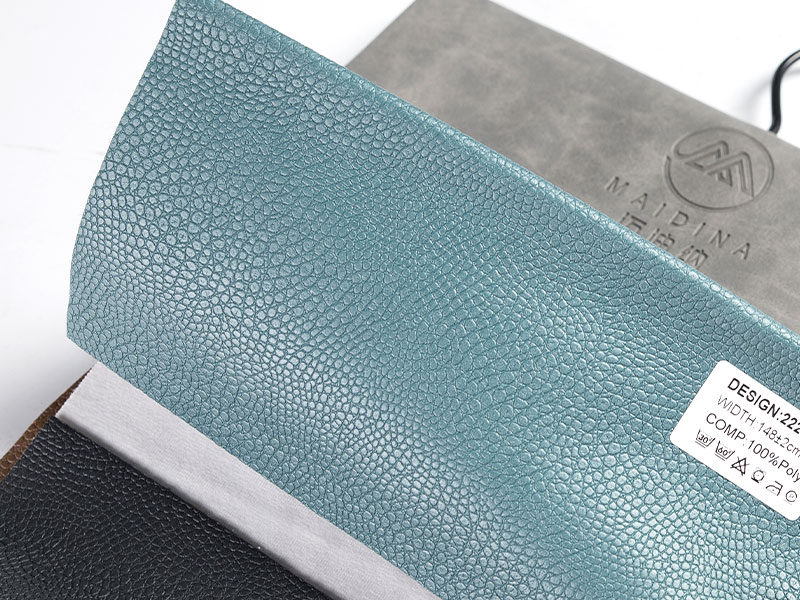
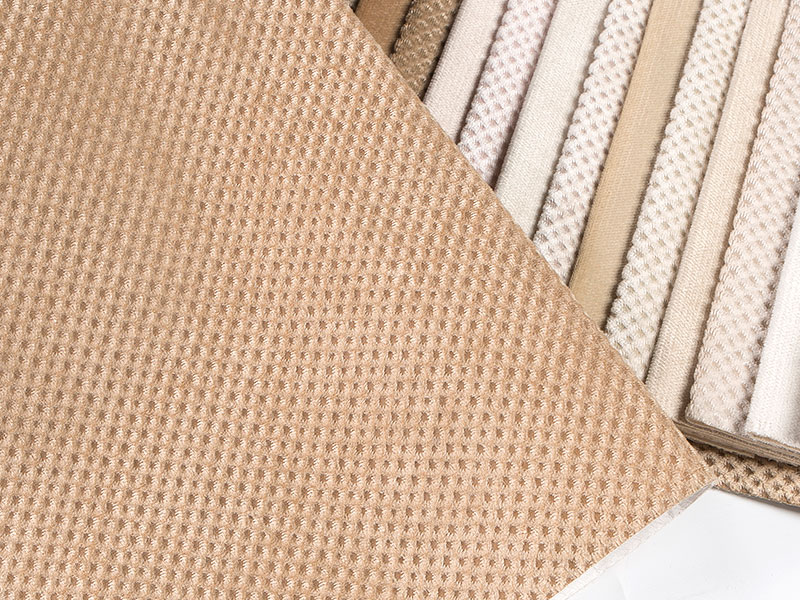
Imitation linen sofa fabric is a textile designed to replicate the natural look and textured feel of real linen while being made from synthetic or blended fibers — most commonly polyester, polyester-cotton blends, or polyester-viscose combinations. The weave structure mimics the characteristic slubbed, slightly irregular surface of genuine linen, giving furniture an organic, relaxed aesthetic without the cost, maintenance demands, or fragility of natural linen cloth.
For furniture manufacturers and consumers alike, faux linen sofa fabric offers a compelling middle ground. It captures the warm, earthy visual appeal that has made linen a perennial favorite in interior design — neutral tones, subtle texture, and a casual elegance — while delivering the durability, stain resistance, and colorfastness that synthetic fiber technology makes possible. As a result, imitation linen has become one of the most widely used upholstery fabrics in mid-market and mass-market sofa production globally.
How Imitation Linen Fabric Is Made
The production of faux linen upholstery fabric involves carefully engineered yarn and weaving techniques that recreate the visual signature of natural linen. Real linen gets its characteristic texture from the natural irregularities of flax fiber — thick and thin sections along the fiber length that create the slub effect visible on the fabric surface. Imitation linen replicates this by using specially spun yarns that deliberately introduce similar irregularities.
Slub yarns — yarns with intentional thick sections at regular or random intervals — are woven on rapier or air-jet looms into a plain or simple twill weave structure. The resulting fabric surface shows the same nubby, uneven texture associated with genuine linen. After weaving, the fabric goes through finishing processes including heat-setting (for polyester-based constructions), dyeing or printing, and surface treatments such as anti-pilling, anti-static, or soil-release finishes that enhance performance in upholstery use.
Common Fiber Compositions
The fiber content of imitation linen sofa fabric varies by manufacturer and target market, with each composition offering a different balance of cost, feel, and performance:
- 100% polyester: The most common and most affordable construction. Polyester imitation linen is highly durable, colorfast, easy to clean, and resistant to pilling. It has the least natural hand feel of the options but performs reliably in high-use upholstery applications.
- Polyester-cotton blend (typically 55/45 or 65/35): Adding cotton fiber softens the hand, improves breathability, and gives the fabric a slightly more natural feel. Cotton content does reduce wrinkle resistance and can make the fabric slightly more susceptible to staining compared to pure polyester.
- Polyester-viscose blend: Viscose adds a subtle sheen and a softer, more fluid drape to the fabric. This blend is popular for premium-tier imitation linen sofas where a richer appearance is desired. Viscose does reduce wash durability, so this construction is best for decorative use rather than heavy daily wear.
- Linen-polyester blend: Some manufacturers blend a small percentage of real linen fiber (10–30%) into an otherwise synthetic construction to add authentic texture and the natural scent associated with real linen. This hybrid approach improves authenticity while keeping costs below 100% linen fabric.
Imitation Linen vs. Real Linen: Key Differences
Understanding where imitation linen sofa fabric differs from genuine linen fabric helps you set correct expectations and make the right purchase decision for your specific situation.
| Property | Imitation Linen Sofa Fabric | Real Linen Fabric |
| Cost | Low to moderate | Moderate to high |
| Durability | Very good (especially polyester) | Good but prone to wrinkling and weakening when wet |
| Stain resistance | Good to excellent with treatment | Poor — absorbs liquids quickly |
| Breathability | Moderate (better with cotton/viscose blends) | Excellent — naturally cool and breathable |
| Wrinkle resistance | Excellent | Poor — wrinkles easily |
| Color range | Wide — consistent dyeing possible | Limited — uneven dye uptake due to natural fiber variation |
| Maintenance | Easy — spot clean or machine wash | Demanding — dry clean or gentle hand wash |
| Environmental impact | Higher (synthetic fibers, microplastic shedding) | Lower (natural, biodegradable fiber) |
| Texture authenticity | Very close visually, slightly less tactile | Authentic natural texture and hand |
Why Imitation Linen Is So Popular for Sofas
The popularity of faux linen sofa fabric in the upholstery market comes down to a combination of aesthetic appeal, practical performance, and price accessibility. Interior design trends over the past decade have strongly favored natural textures, neutral palettes, and Scandinavian or coastal aesthetics — all of which linen-look fabric supports perfectly. At the same time, consumers and furniture brands are not willing to accept the maintenance challenges and cost of genuine linen for everyday furniture.
Imitation linen fabric for sofas fills this gap with precision. It delivers the visual warmth and texture of natural linen while being robust enough to handle real household conditions — children, pets, food, and daily heavy use. For furniture manufacturers, it is also far easier to work with during upholstery production: it does not fray excessively, holds its shape under stapling and tacking, and can be sourced in wide widths with excellent roll-to-roll consistency that real linen cannot always provide.
Color and Style Versatility
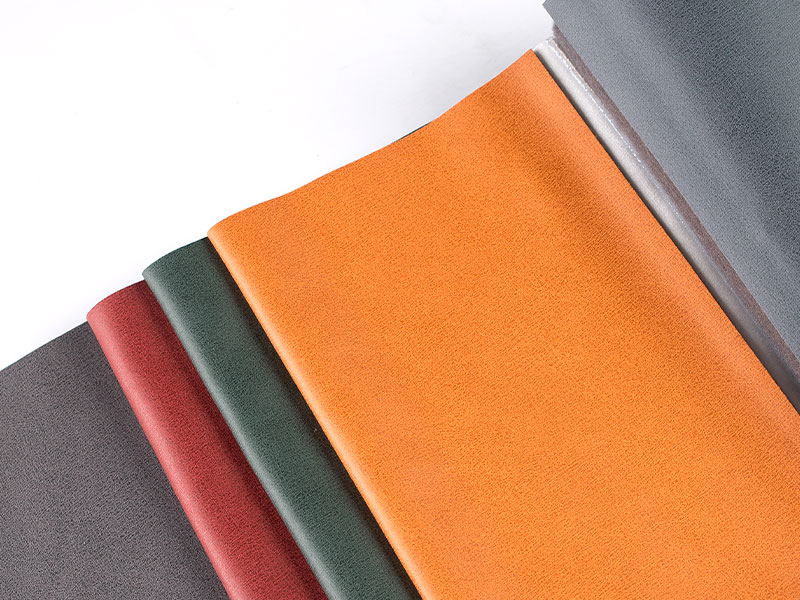
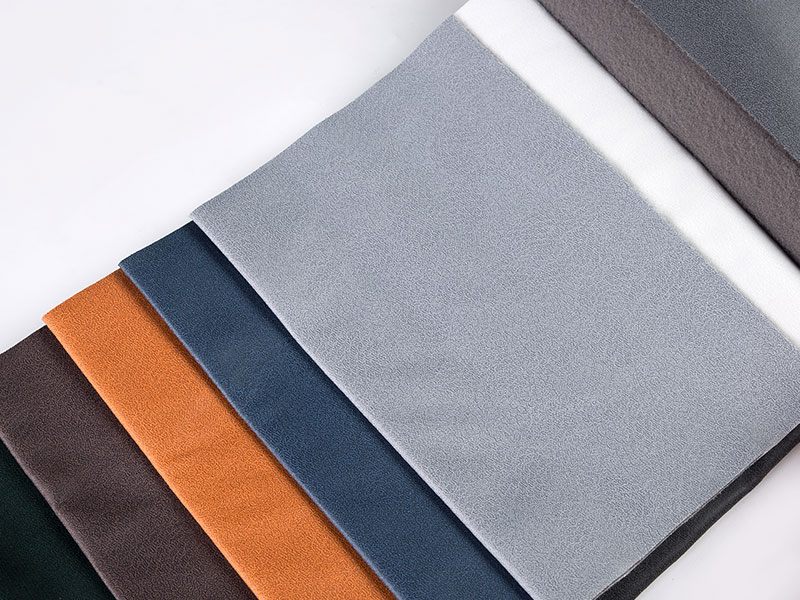
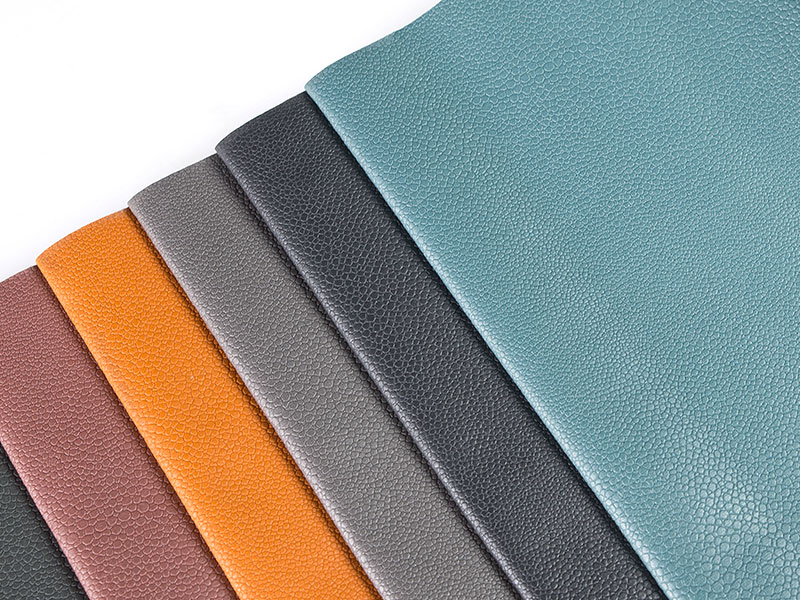
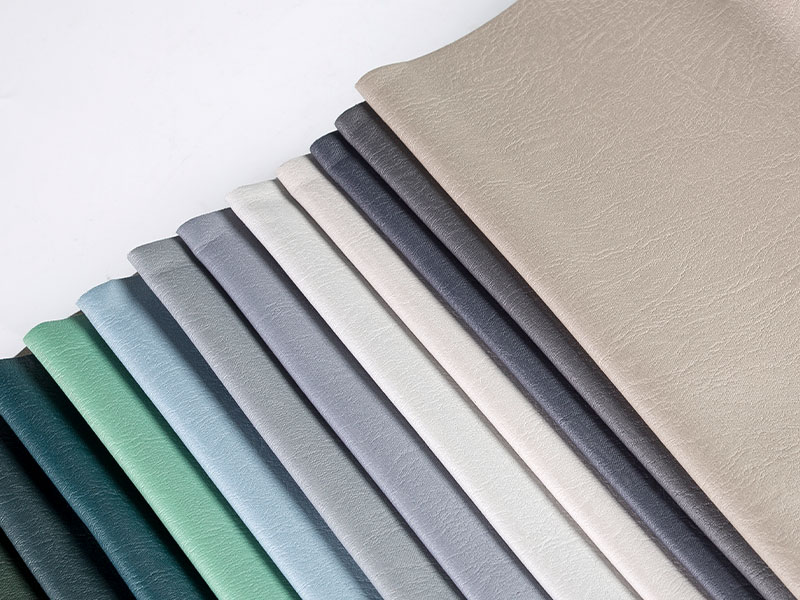
One major advantage of synthetic-based imitation linen is its ability to be dyed in a far wider and more consistent color range than natural linen. While real linen tends toward off-whites, beiges, and muted earth tones due to the natural color of flax fiber, imitation linen sofa fabric is available in everything from deep charcoal and slate blue to dusty rose and sage green — all with the same slubbed linen texture. This versatility allows interior designers and homeowners to use the linen look as a foundation in virtually any color scheme.

Performance Ratings and What They Mean for Upholstery
When buying imitation linen upholstery fabric — whether you are a furniture manufacturer sourcing material or a consumer evaluating a sofa purchase — performance ratings give you objective data on how the fabric will hold up in real use. The following ratings are the most important to check:
- Martindale abrasion resistance: This test measures how many rub cycles the fabric withstands before showing visible wear. For light domestic use, 15,000 rubs is the minimum acceptable; for heavy domestic use (living room sofa used daily), look for 25,000 rubs or more; commercial applications such as hotel furniture require 40,000+ rubs. Quality imitation linen sofa fabrics typically achieve 25,000–50,000 Martindale rubs depending on fiber composition and weave weight.
- Pilling resistance: Pilling — the formation of small fiber balls on the fabric surface — is a common issue with softer synthetic blends. Pilling resistance is rated 1–5, with 5 being no pilling. Upholstery fabric should achieve at least a Grade 3–4. Tighter weave constructions and higher-tenacity polyester yarns significantly improve pilling resistance.
- Colorfastness to light (ISO 105-B02): Measures how well the dye resists fading under UV exposure. Rated 1–8, with 8 being no fading. Sofas near windows should be covered in fabric rated at least 5–6. Polyester imitation linen generally has good light fastness due to the fiber's inherent UV resistance and the disperse dyes used.
- Colorfastness to rubbing: Tests how much dye transfers onto other surfaces — white fabric and hands — when the fabric is rubbed wet or dry. Important for dark-colored imitation linen where dye transfer can stain clothing. Should achieve Grade 3–4 dry and Grade 3 wet minimum.
- Fabric weight (gsm): Heavier imitation linen fabrics (300–450 gsm) feel more substantial, drape better over sofa frames, and tend to be more durable than lighter constructions (180–250 gsm). Lighter weights are more suitable for cushion covers and decorative applications rather than high-wear seating surfaces.
Choosing the Right Imitation Linen Fabric for Your Sofa
Whether you are selecting fabric for a new sofa purchase or reupholstering an existing piece, matching the fabric specification to your actual use conditions is the key to long-term satisfaction. Here is a practical guide to making the right choice:
For Households with Children and Pets
High-traffic households need faux linen sofa fabric with maximum durability and stain resistance. Choose a 100% polyester construction with at least 30,000 Martindale rubs and a factory-applied soil-release or stain-repellent finish such as Teflon or Scotchgard. Tightly woven constructions resist pet claws better than loosely structured weaves. Darker neutrals such as charcoal, dark grey, or warm taupe hide everyday marks better than light cream or white shades, even with stain-resistant treatments.
For Living Rooms with Decorative Focus
When the sofa is a design statement in a more carefully curated room, a polyester-viscose blend imitation linen fabric offers a richer look and softer hand feel that better mimics the natural drape of real linen. These fabrics photograph beautifully and have an elevated surface quality. The trade-off — reduced abrasion resistance compared to pure polyester — is acceptable when the sofa is used primarily by adults and the decorative quality of the space is the priority.
For Slipcover or Removable Cover Applications
If you are making or buying removable sofa slipcovers from imitation linen fabric, washability becomes a primary requirement. Choose a pre-washed or stonewashed imitation linen fabric that has already undergone shrinkage treatment, so the cover does not shrink out of shape after its first wash. A polyester-cotton blend works well here, as the cotton content improves moisture absorption and wash feel while polyester controls shrinkage and maintains shape.
Caring for Your Imitation Linen Sofa
One of the strongest practical arguments for imitation linen over real linen is how much easier it is to maintain. That said, following the right care practices keeps a faux linen sofa looking fresh and extends its lifespan significantly.
- Routine vacuuming: Use a soft brush attachment to vacuum the sofa weekly. This removes dust, pet hair, and loose debris before it works into the fabric weave. Pay particular attention to seams and crevices where particles accumulate and can cause abrasive wear over time.
- Spot cleaning spills immediately: Blot — never rub — liquid spills with a clean white cloth to absorb as much moisture as possible before it sets. Apply a small amount of mild upholstery cleaner or diluted dish soap solution, work gently from the outside of the stain inward, then blot clean with a damp cloth and allow to air dry. Rubbing a spill spreads it and pushes it deeper into the fiber.
- Avoid harsh chemical cleaners: Bleach, acetone, and solvent-based cleaners can damage the dye and fiber structure of imitation linen upholstery fabric. Stick to pH-neutral upholstery cleaners or mild soap solutions unless the manufacturer specifies otherwise.
- Rotate cushions regularly: If your sofa has removable cushions, rotate and flip them every few weeks to distribute wear evenly across all surfaces. Uneven wear is the most common cause of visible fabric deterioration on heavily used sofas.
- Protect from prolonged direct sunlight: Even though polyester-based imitation linen has reasonable UV resistance, prolonged exposure to intense direct sunlight will eventually cause fading and fiber degradation. Use blinds or curtains during the brightest part of the day, or apply a UV-protective window film to nearby glazing.
- Professional deep cleaning: Every 12–18 months, consider a professional upholstery steam clean or dry extraction clean to remove embedded soil and refresh the fabric appearance. Inform the cleaner of the fiber content so they use appropriate temperature and chemical settings.
What to Look for When Buying Imitation Linen Sofa Fabric by the Meter
If you are purchasing imitation linen upholstery fabric directly for a reupholstery project or custom sofa build, evaluating the fabric before committing to a full roll order saves expensive mistakes. Here are the most important checks to make:
- Request a physical sample first: Online swatches and screen images do not accurately represent texture, weight, or true color. Always order a physical sample and evaluate it under the lighting conditions of the room where the sofa will live before placing a full order.
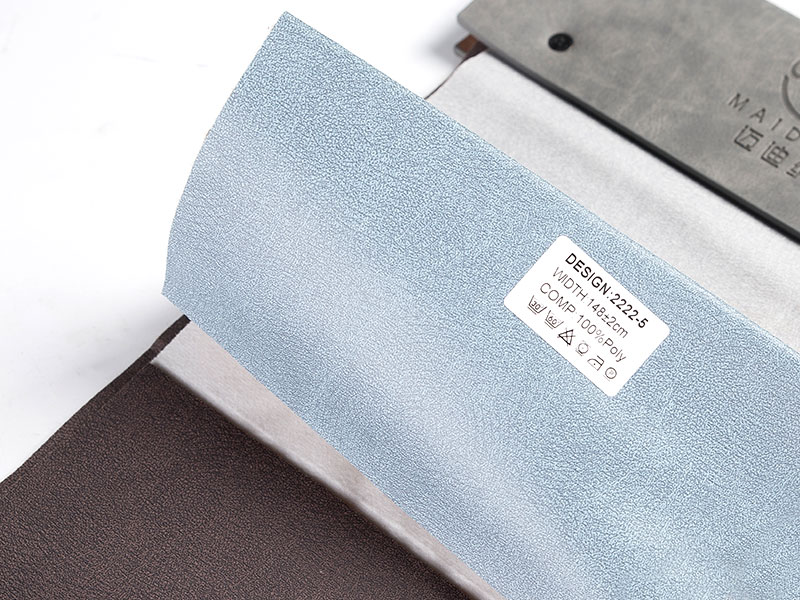
- Check the fabric width: Upholstery-grade imitation linen typically comes in 140 cm or 150 cm widths. Wider fabric reduces seam frequency and fabric waste in upholstery cutting. Confirm the width matches your cutting plan before ordering.
- Verify the Martindale rating: Ask the supplier for the test certificate. Be wary of suppliers who cannot provide documented test results — fabric described generically as "heavy duty" without supporting data may not meet actual performance requirements.
- Check for pattern repeat: Some imitation linen fabrics have a subtle directional weave or color pattern that requires matching at seams. Confirm whether a pattern repeat exists and factor extra yardage into your cutting plan if it does.
- Test for pilling with a finger rub: Rub the fabric surface firmly with your finger or thumbnail for a few seconds. If fiber balls appear quickly, the pilling resistance is poor and the fabric will look worn within months of use on a high-contact sofa surface.