Language
  English
 中文简体
中文简体 عربى
عربى
Content
- 1 Why Couch Fabric Choice Matters More Than Most People Realize
- 2 The Most Common Types of Couch Fabric Explained
- 3 Couch Fabric Comparison: Durability, Maintenance, and Best Use
- 4 Understanding Fabric Rub Count (Martindale and Wyzenbeek Ratings)
- 5 Best Couch Fabric for Homes with Pets
- 6 Best Couch Fabric for Families with Young Children
- 7 How to Read Upholstery Fabric Cleaning Codes
- 8 Choosing Couch Fabric for Reupholstery Projects
- 9 Tips for Maintaining and Extending the Life of Your Sofa Fabric
- 10 Making the Final Call: Matching Couch Fabric to Your Life
Why Couch Fabric Choice Matters More Than Most People Realize
When most people shop for a sofa, they focus on color, shape, and price — and fabric becomes almost an afterthought. But the material covering your couch is actually one of the most important decisions you'll make, because it determines how the sofa feels to sit on, how long it lasts, how easy it is to clean, and whether it holds up against daily wear from kids, pets, and general household use. A beautiful sofa covered in the wrong fabric can look worn and threadbare within a year or two. The right couch fabric, on the other hand, can stay looking sharp for a decade or more.
This guide walks through the most common sofa fabric types, what each one is actually like to live with, and how to match the right upholstery fabric to your specific household situation — whether you have a house full of kids, a couple of dogs, or you're furnishing a formal living room that rarely gets heavy use.
The Most Common Types of Couch Fabric Explained
The upholstery fabric market is vast, and the terminology can get confusing fast. Here's a straightforward breakdown of the most widely used sofa materials, what they're made of, and what they're actually like day to day.
Cotton and Cotton Blends
Cotton is one of the most natural and breathable options for couch fabric. It feels soft against the skin, comes in an enormous range of textures and patterns, and works well in almost any decorating style. Pure cotton upholstery tends to wrinkle and soil fairly easily, which is why most cotton sofa fabrics are sold as blends — typically combined with polyester or other synthetic fibers to improve durability and wrinkle resistance. A cotton-polyester blend gives you much of the comfort and look of cotton while standing up better to everyday use. Cotton is generally not the best choice for very high-traffic areas or homes with young kids, but it's a solid option for adults-only living rooms or formal spaces.
Polyester and Microfiber
Polyester-based couch fabrics — including microfiber, which is an ultra-fine polyester weave — are among the most popular choices for practical households. Microfiber sofa fabric is tightly woven, which means liquids tend to bead on the surface rather than soak straight in, making it much easier to clean than many natural fibers. It's also resistant to fading, pilling, and general wear. The texture is soft and relatively plush. On the downside, polyester doesn't breathe as well as natural fibers, which can make it feel slightly warm or clingy in hot weather. Static can also be an issue with some polyester fabrics.
Linen
Linen upholstery fabric has a distinctive natural texture and a relaxed, slightly casual aesthetic that works especially well in Scandinavian, coastal, and farmhouse-style interiors. It's a breathable fiber that stays cool to the touch, which makes linen couches particularly comfortable in warm climates. The downside is that linen wrinkles easily and can be prone to staining and fading if not treated. Like cotton, linen is often blended with synthetic fibers to improve its practical performance. If you love the look of linen but need more durability, look specifically for linen blends with a high synthetic content rather than pure linen weaves.
Velvet
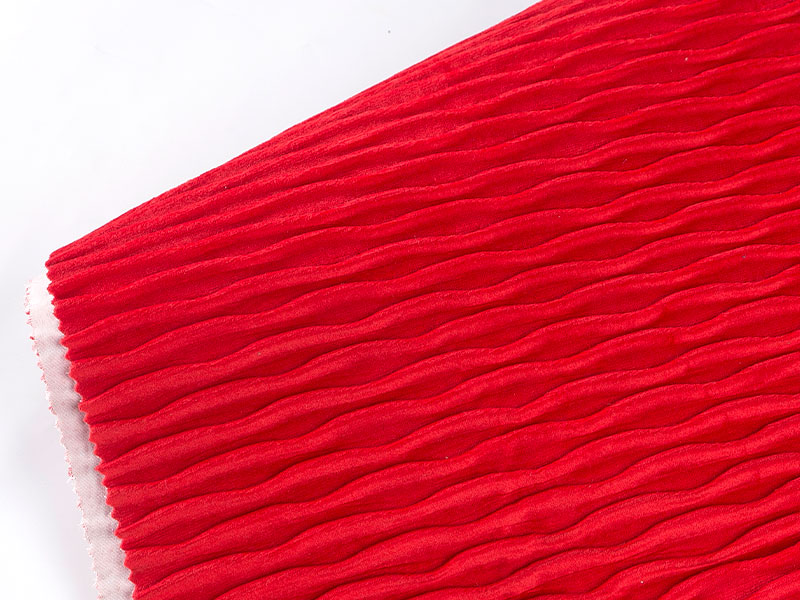
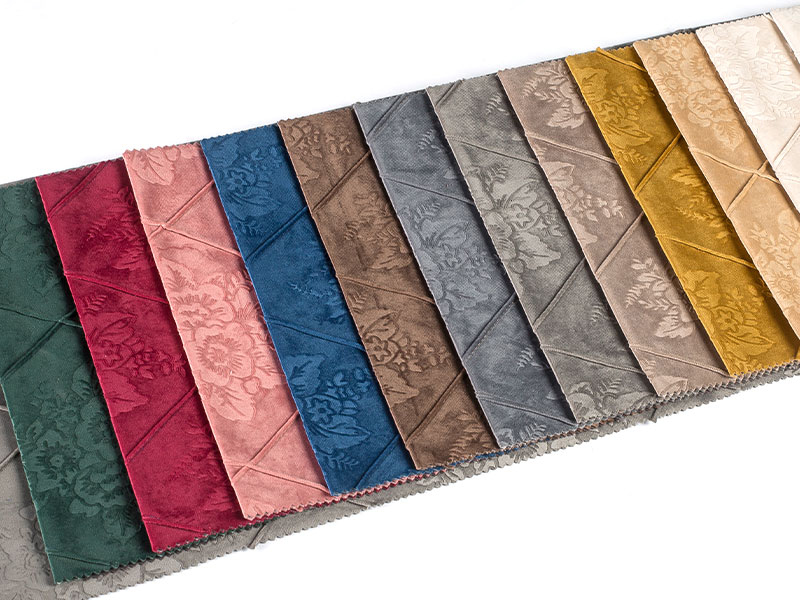
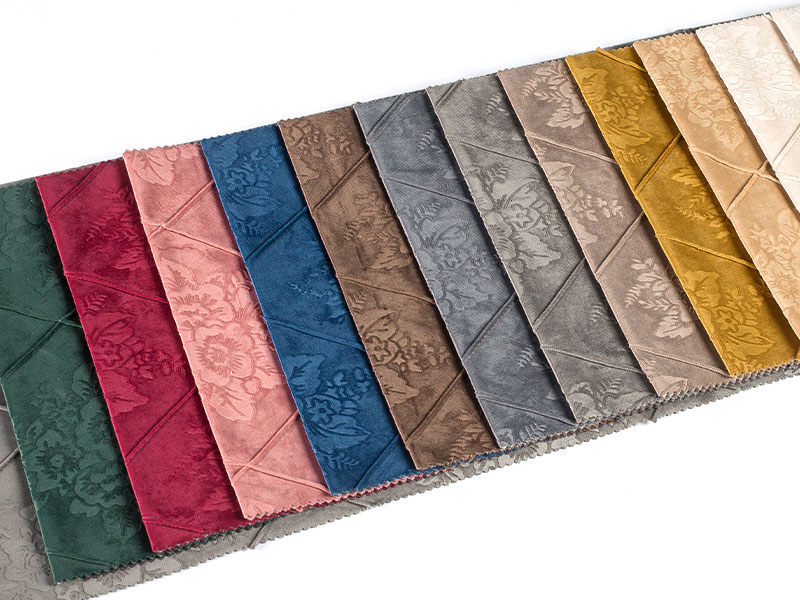
Velvet couch fabric delivers a luxurious look and an incredibly soft, smooth feel that's hard to replicate with any other material. It has a rich depth of color and a characteristic pile that reflects light in different directions depending on how you brush the surface. Modern sofa velvets are often made from synthetic fibers like polyester or viscose rather than traditional silk velvet, which makes them more affordable and somewhat more practical. However, velvet still requires more care than most other sofa materials — it shows indentations and marks from regular use, attracts pet hair easily, and can be tricky to clean if soaked. It's best suited for living rooms that see moderate use rather than high-traffic family spaces.
Leather and Faux Leather
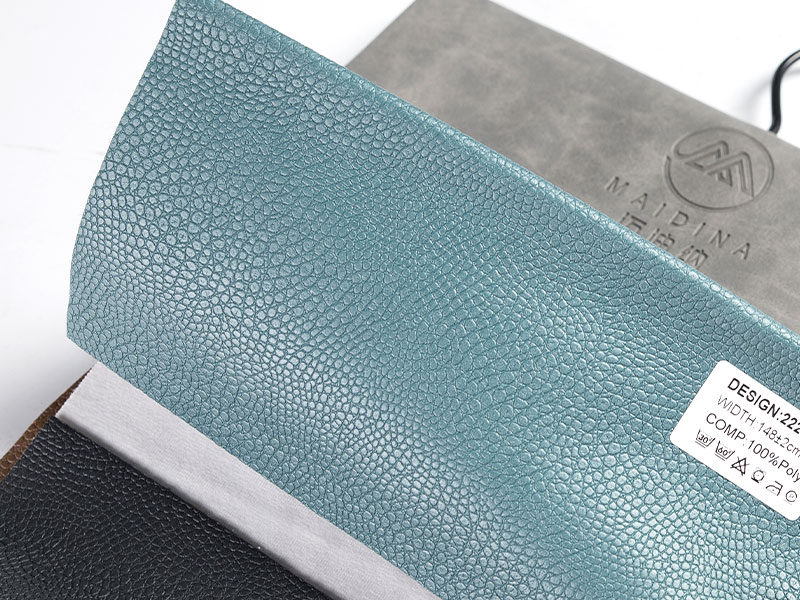
Genuine leather is technically not a fabric but is one of the most popular sofa covering materials on the market, worth including in any comparison. Real leather is extremely durable, easy to wipe clean, and develops a character and patina over time that many people find appealing. It doesn't trap allergens or pet hair the way woven fabrics do. The drawbacks are cost, the fact that it can crack or dry out without regular conditioning, and that it gets warm in summer and cold in winter. Faux leather — including PU leather and bonded leather — is a more affordable alternative that mimics the look of real leather but tends to peel and crack within a few years under heavy use, making it a less reliable long-term option.
Wool and Wool Blends
Wool upholstery fabric is naturally resilient, somewhat water-resistant, and has excellent insulating properties that keep it comfortable across different seasons. It's one of the more durable natural fiber options for sofa fabric and holds its shape well over time. Wool blended with nylon or other synthetics offers even better performance. The main downsides are cost — quality wool fabric is expensive — and the fact that it requires dry cleaning or professional care for significant stains. It's also not ideal for very humid environments, as it can absorb moisture and potentially develop odors.
Chenille
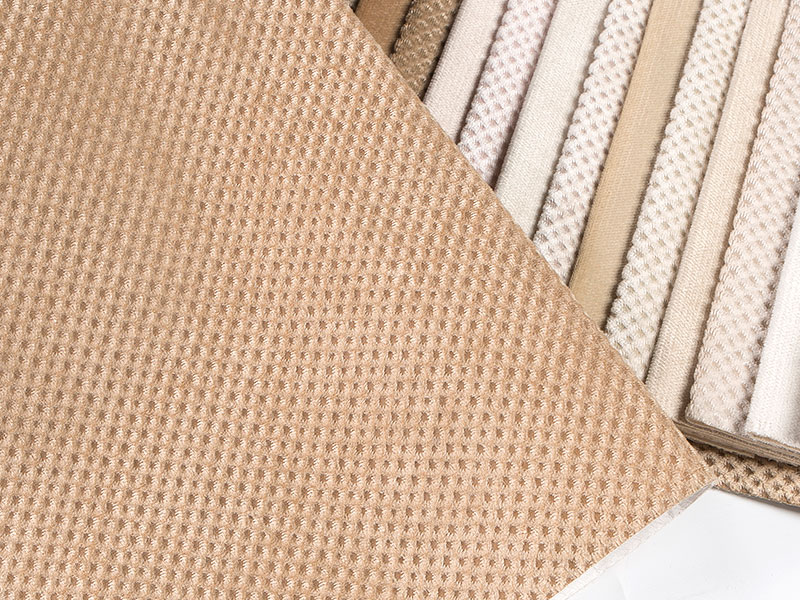
Chenille is a soft, textured fabric made from yarn with a distinctive fuzzy pile that gives it a warm, cozy appearance and feel. It's a popular choice for living room sofas because it looks inviting and comes in a wide range of colors. Chenille can be made from cotton, polyester, rayon, or blends. Its main weaknesses are that it can flatten or wear in high-contact areas like seat cushions over time, it tends to snag if sharp objects catch the pile, and it can be moderately challenging to deep-clean. For homes without pets or young children, it's a comfortable and stylish option.
Couch Fabric Comparison: Durability, Maintenance, and Best Use
The table below gives a quick side-by-side look at how the most common sofa upholstery fabrics compare across the factors that matter most for everyday living:
| Fabric Type | Durability | Stain Resistance | Pet Friendly | Maintenance | Best For |
| Cotton Blend | Medium | Low–Medium | Fair | Moderate | Formal/low-traffic rooms |
| Microfiber | High | High | Good | Easy | Families, everyday use |
| Linen Blend | Medium | Low | Fair | Moderate | Casual/coastal aesthetics |
| Velvet | Medium | Low–Medium | Poor | High | Accent/statement sofas |
| Genuine Leather | Very High | High | Good | Easy (with conditioning) | Long-term investment |
| Wool Blend | High | Medium | Fair | Moderate–High | Cooler climates, longevity |
| Chenille | Medium | Medium | Fair | Moderate | Cozy, low-pet households |
Understanding Fabric Rub Count (Martindale and Wyzenbeek Ratings)
One of the most reliable ways to compare the durability of different sofa upholstery fabrics is to look at their abrasion resistance rating. Two testing standards are commonly used in the industry: the Martindale test, which is more common in Europe and the UK, and the Wyzenbeek test, which is standard in North America. Both measure how many times a fabric can be rubbed before it shows significant wear.
For reference, here's how rub count ratings translate into real-world suitability:
- Under 10,000 Martindale rubs: Decorative use only — curtains, cushion covers, and other non-load-bearing applications. Not suitable for sofa upholstery.
- 10,000–20,000 rubs: Light domestic use — formal living rooms or bedrooms that see minimal daily contact.
- 20,000–30,000 rubs: General domestic use — suitable for a main living room sofa in an average household.
- 30,000–50,000 rubs: Heavy domestic use — good for family homes, frequent use, and homes with children.
- 50,000+ rubs: Contract or commercial grade — suitable for high-traffic environments like offices, waiting rooms, or hotels, and also the toughest choice for demanding home use.
When shopping for couch fabric, always ask the retailer for the Martindale or Wyzenbeek rating of any fabric you're considering. A beautiful fabric with a rating below 15,000 rubs placed on a heavily used family sofa is a recipe for premature wear.
Best Couch Fabric for Homes with Pets
Pets — especially dogs and cats — put sofa fabric through a serious workout. Between claws, fur, drool, and the occasional accident, your couch material needs to be tough, easy to clean, and ideally resistant to the stubborn odors that pet ownership can bring. Not all fabrics handle this well.
The best couch fabrics for pet owners share a few common traits: tight weaves that resist claw snagging, smooth or low-pile surfaces that don't trap fur, and treatments or fiber properties that resist moisture and stains. Here are the top choices:
- Microfiber: The top pick for most pet owners. The tight weave resists snags, fur wipes off easily, and most spills can be cleaned with a damp cloth. Look for microfiber with a "W" or "W/S" cleaning code, which means it can be cleaned with water-based cleaners.
- Genuine leather: Fur doesn't stick to leather the way it does to woven fabrics, and most spills wipe clean instantly. Watch out for cats with claws — scratching can permanently mark leather. Semi-aniline or protected leather finishes are more scratch-resistant than full-grain aniline leather.
- Canvas or tightly woven synthetic blends: Sturdy, flat-weave synthetic fabrics handle pet activity well and are typically easy to spot clean. Less refined aesthetically than microfiber but very practical.
- Avoid: Velvet (fur embeds deeply in the pile), loosely woven fabrics (claws snag and pull threads), and linen or cotton without a protective treatment (absorbs stains and odors readily).
Best Couch Fabric for Families with Young Children
Kids bring spills, sticky hands, crayon marks, and constant rough-and-tumble contact to any sofa. The ideal couch fabric for family use needs to be highly stain-resistant, durable, and cleanable without requiring professional help every time someone knocks over a juice box.
Performance fabrics — a category of synthetic or treated upholstery materials engineered specifically for stain resistance and durability — have become increasingly popular for family sofas. Brands like Sunbrella, which originated as an outdoor fabric, are now widely used for indoor upholstery precisely because of their exceptional cleanability. Other key options for family-friendly sofa fabric include:
- Solution-dyed acrylic (e.g., Sunbrella): Color is baked into the fiber rather than applied as a surface dye, so it resists fading and bleaching. These fabrics can often be cleaned with diluted bleach solutions without damaging the color — a huge advantage for serious stains.
- Crypton fabric: A performance fabric with moisture, stain, and odor resistance built directly into the fiber structure. One of the most practical choices available for family couch upholstery.
- High-rub-count polyester blends: Affordable, widely available, and durable. Look for fabrics with a Martindale rating of 30,000 or above and a scotchguard or similar stain-resist treatment.
How to Read Upholstery Fabric Cleaning Codes
Most sofa fabrics come with a cleaning code tag that tells you exactly how the fabric can safely be cleaned. This is one of the most practical pieces of information about any couch material, and understanding it can save you from accidentally damaging a fabric with the wrong cleaning method.
- W (Water): Can be cleaned with water-based cleaning solutions. This is the most flexible and easiest code to work with for everyday spills and stains.
- S (Solvent): Must be cleaned with solvent-based or dry-cleaning products only. Water can cause shrinking, spotting, or damage. Many natural-fiber fabrics like linen and some cottons carry an "S" code.
- W/S (Water or Solvent): Can be cleaned with either water-based or solvent-based cleaners, giving you the most cleaning flexibility.
- X (Vacuum Only): This fabric cannot be cleaned with any liquid — vacuum only, or have it professionally cleaned. These fabrics require the most caution and are generally not recommended for high-use sofas.
Always spot-test any cleaning product on an inconspicuous area of the sofa fabric before applying it more broadly, regardless of what the cleaning code says. Some dyes and finishes react unpredictably to even appropriate cleaning agents.
Choosing Couch Fabric for Reupholstery Projects
If you're reupholstering an existing sofa rather than buying new, fabric selection becomes even more important — because you're investing in labor on top of materials, you want the new couch fabric to last and look great for years. A few practical considerations specific to reupholstery projects:
- Fabric width matters: Most upholstery fabrics come in 54-inch widths. The amount you need depends on the sofa's size and the complexity of the design — a patterned fabric that requires matching at seams will use significantly more yardage than a solid or non-directional weave.
- Weight and hand feel: Heavy, tightly woven fabrics are easier to work with during upholstery because they don't slip or distort. Very lightweight or loosely woven fabrics can shift during application and may not hold staples or tacks as securely.
- Pattern repeat: If you choose a fabric with a prominent repeat pattern (stripes, large florals, geometric grids), plan for the pattern to align across cushions and sofa sections. This requires buying extra fabric and more careful cutting.
- Upholstery-grade vs. decorative fabric: Always use fabric specifically rated for upholstery use rather than drapery or craft fabric. Upholstery fabric for sofa use is engineered for the repeated friction and stress that sofa surfaces endure — decorative fabrics are not and will wear out quickly regardless of how attractive they look in the store.
Tips for Maintaining and Extending the Life of Your Sofa Fabric
Even the most durable couch fabric will wear faster without basic maintenance. A few simple habits make a significant difference in how long your sofa upholstery stays looking its best.
- Vacuum regularly: Use a soft brush attachment to vacuum sofa fabric at least once a week. This removes dust, crumbs, and debris that work their way into the weave and act as abrasives, accelerating wear over time.
- Rotate and flip cushions: If your cushions are reversible, flip them regularly so both sides wear evenly. Rotating fixed-seat sofas so that different family members sit in different spots also distributes wear more evenly.
- Treat stains immediately: Blot (don't rub) spills as soon as they happen. Rubbing spreads the stain and pushes it deeper into the fabric fibers. Use the appropriate cleaning solution for your fabric's cleaning code.
- Protect from direct sunlight: UV rays fade and weaken upholstery fabric over time. Use curtains or blinds to reduce direct sun exposure on your sofa, particularly for natural-fiber fabrics like linen and cotton that are more susceptible to UV degradation.
- Apply a fabric protector: Products like Scotchgard or Fabric Guard create a water-repellent barrier on the fabric surface that makes spills easier to wipe away before they penetrate the fibers. Reapply every 6–12 months for best results.
- Professional cleaning every 1–2 years: Even with regular vacuuming and spot cleaning, deep cleaning by a professional upholstery cleaner removes embedded soil and refreshes the fabric in a way that DIY methods can't fully replicate.
Making the Final Call: Matching Couch Fabric to Your Life
There's no single best couch fabric for everyone. The right choice depends entirely on how you live, who shares your home, and what you prioritize — whether that's luxurious softness, bulletproof practicality, a specific aesthetic, or the most budget-friendly option that still looks good. What matters is being honest about your household's actual needs rather than choosing a fabric that looks stunning in the showroom but can't survive real daily life.
If you have pets and young children, start with performance fabrics or microfiber and prioritize cleanability. If you're furnishing a formal sitting room, you have far more latitude to choose beautiful but higher-maintenance options like velvet or linen. If you're reupholstering a cherished piece, invest in a high-rub-count upholstery-grade fabric that will justify the labor cost. Whatever you choose, check the Martindale rating, understand the cleaning code, and take the time to order fabric samples before committing — seeing and feeling a fabric in your own home, in your own lighting, is the best way to make sure you'll be happy with it for years to come.