Language
  English
 中文简体
中文简体 عربى
عربى
Content
- 1 What Is Chenille Fabric and Where Does It Come From
- 2 How Chenille Yarn and Fabric Are Made
- 3 Common Fiber Types Used in Chenille Fabric
- 4 The Most Popular Uses for Chenille Fabric
- 5 Chenille Fabric vs. Other Plush and Textured Fabrics
- 6
- 7 Practical Advantages and Known Limitations of Chenille
- 8 How to Care for Chenille Fabric Properly
- 9 Tips for Buying Chenille Fabric by the Yard or Meter
What Is Chenille Fabric and Where Does It Come From
Chenille fabric is a soft, tufted textile recognized by its distinctive fuzzy, velvety surface and the way it catches light differently depending on the direction of the pile. The name comes from the French word for caterpillar — a fitting description for the yarn itself, which resembles the fuzzy body of the insect. Chenille is not defined by a specific fiber content but rather by the way its yarn is constructed: short lengths of fiber are twisted or woven between two core threads and then cut to create a pile that stands outward in all directions, giving the resulting fabric its characteristic plush texture and soft, almost three-dimensional appearance.
The origins of chenille fabric date back to 18th-century France, where weavers discovered that the unique yarn construction created exceptionally soft and visually rich textiles suited to luxury furnishings and fashion. The process was later refined during the Industrial Revolution, when mechanized loom technology made chenille production faster and more affordable, expanding its use from exclusive interiors to mainstream upholstery and apparel markets. Today, chenille is manufactured globally in a wide range of fiber compositions — including cotton, polyester, rayon, acrylic, silk, and various blends — each offering a different balance of softness, durability, sheen, and price point.
How Chenille Yarn and Fabric Are Made
Understanding how chenille fabric is constructed helps explain both its appealing properties and its practical limitations. The manufacturing process is more complex than that of most woven or knitted fabrics and directly determines the quality and performance of the finished textile.
The Yarn Manufacturing Process
Chenille yarn begins with a leno weaving process in which filler fibers are woven between two tightly twisted core threads — typically made from cotton, polyester, or nylon — at right angles to the core. The woven structure is then cut lengthwise between each pair of core threads, releasing individual yarn lengths in which the cut fibers stand outward from the core in all directions, creating the characteristic pile effect. The core threads twist together to lock the pile fibers in place. The density of the pile, the length of the cut fibers, and the fiber content of both the core and pile all vary depending on the intended application and quality level of the finished chenille yarn.
Weaving and Knitting Into Fabric
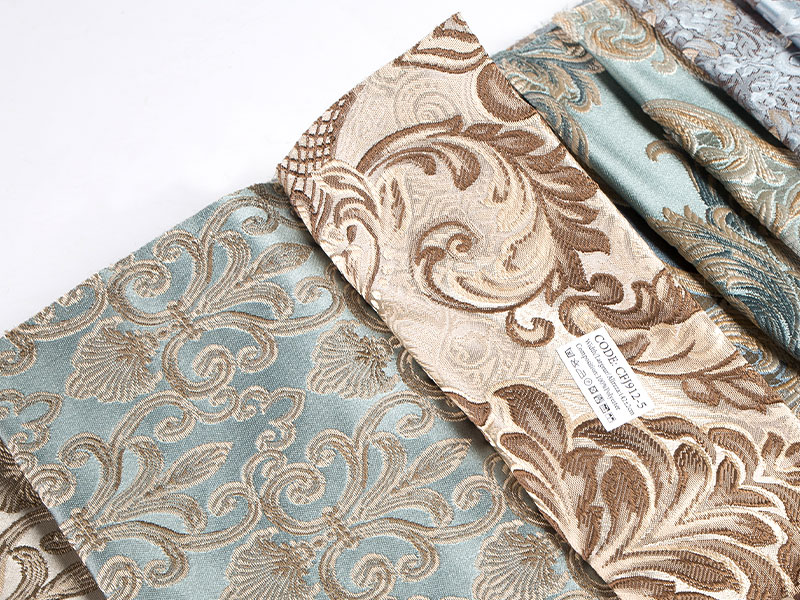
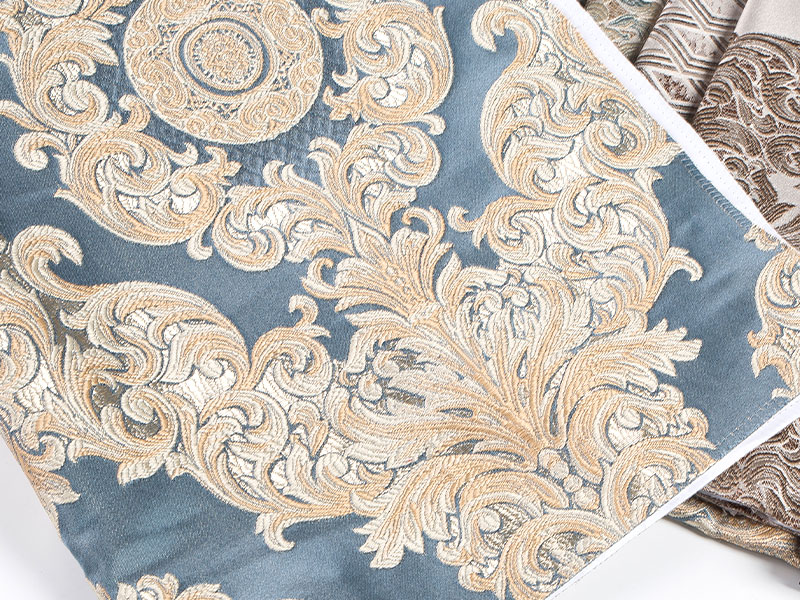
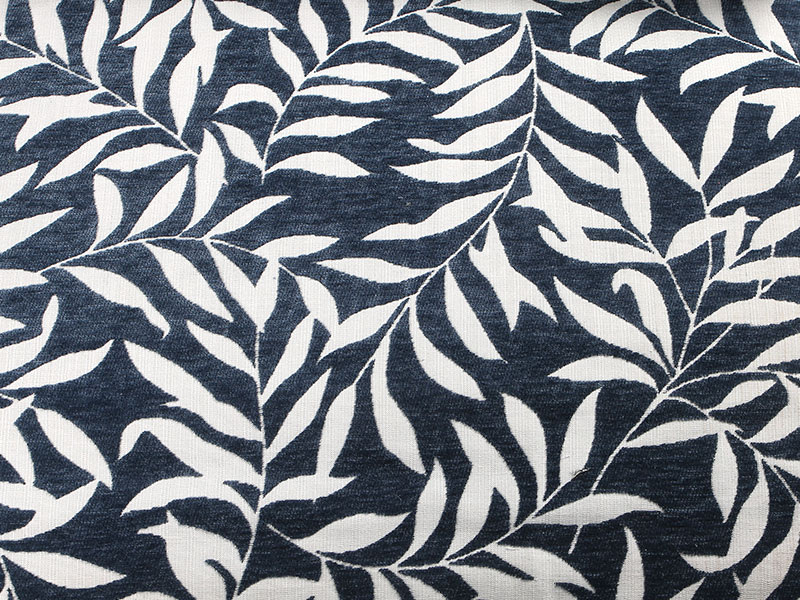
Once the chenille yarn is produced, it is woven or knitted into fabric using standard textile machinery. Woven chenille fabrics — produced on shuttle or rapier looms — tend to be denser, more structured, and more durable than knitted chenille, making them the preferred choice for upholstery and home furnishing applications. Knitted chenille fabrics have more stretch and drape, making them better suited for apparel, throws, and decorative accessories. The weave structure used — plain weave, twill, or jacquard — adds another layer of pattern and texture variation on top of the inherent pile of the chenille yarn itself. Jacquard chenille, which uses a programmable loom to create intricate woven patterns within the pile surface, represents the highest complexity and typically highest cost tier of chenille fabric production.
Common Fiber Types Used in Chenille Fabric
The fiber content of chenille fabric significantly affects how it looks, feels, performs, and ages in use. Different fiber types and blends are used across different market segments and applications, and understanding the characteristics of each helps in choosing the right chenille material for a specific purpose.
| Fiber Type | Key Characteristics | Advantages | Limitations | Common Uses |
| Cotton | Natural, breathable, matte finish | Soft, washable, hypoallergenic | Can shrink, lower abrasion resistance | Throws, bath mats, casual apparel |
| Polyester | Synthetic, durable, slight sheen | Fade-resistant, easy care, affordable | Less breathable, can pill over time | Upholstery, cushions, curtains |
| Acrylic | Wool-like feel, lightweight | Soft, colorfast, moisture resistant | Not as durable as polyester blends | Blankets, scarves, knitwear |
| Rayon / Viscose | Semi-synthetic, high sheen, fluid drape | Luxurious appearance, vibrant colors | Weaker when wet, dry clean preferred | Fashion fabric, decorative panels |
| Silk | Natural, lustrous, premium hand feel | Exceptional softness and sheen | Expensive, delicate, specialist care | Luxury apparel, high-end interiors |
| Cotton-Polyester Blend | Balanced natural and synthetic | Good durability with soft feel | Varies by blend ratio | Upholstery, home textiles, apparel |
The Most Popular Uses for Chenille Fabric
Chenille textile is used across a remarkably wide range of products, from heavy-duty upholstery to delicate fashion garments and soft home accessories. Its versatility stems from the wide range of fiber contents, pile densities, and weave structures in which it can be produced, allowing manufacturers to tailor the fabric's weight, softness, and durability to very specific end uses.
Upholstery and Furniture Fabric
Upholstery is one of the largest markets for chenille fabric, and for good reason. The dense pile of woven chenille upholstery fabric provides a soft, inviting surface with a rich visual depth that works particularly well on sofas, armchairs, ottomans, and dining chair seats. Chenille upholstery fabric is typically produced from polyester, cotton-polyester blends, or acrylic in heavier weights — often above 400 g/m² — that provide the structural integrity needed to withstand regular seating use. For furniture intended for everyday family use, polyester chenille upholstery tends to offer the best balance of softness, durability, and ease of cleaning, while cotton chenille gives a more natural, casual aesthetic at the cost of somewhat lower abrasion resistance.
Throws, Blankets, and Bed Accessories
Chenille throws and blankets are perennial bestsellers in the home textiles market, valued for their combination of visual warmth, tactile softness, and lightweight construction. Knitted chenille throws in particular are popular because the stretch of the knitted structure makes them drape beautifully over sofas and beds and feel cozy when wrapped around the body. Cotton and acrylic chenille are the most common fiber choices for throws because they offer machine-washable convenience alongside genuine softness. Chenille is also used in decorative pillow covers, bedhead panels, and bed runners where a tactile, textured accent is desired.
Curtains and Drapery
Chenille curtain fabric delivers a sense of luxury and visual weight that works particularly well in traditional, eclectic, or maximalist interior schemes. The pile surface absorbs light rather than reflecting it, giving chenille drapes a soft, matte richness that differs from the sheen of velvet or satin curtain fabrics. Heavier woven chenille curtain fabrics also provide useful sound absorption and modest thermal insulation. For window treatments, polyester and rayon chenille blends are popular because they offer excellent color vibrancy and resist fading from UV exposure better than natural fiber alternatives.
Apparel and Fashion
Chenille has a strong presence in fashion, particularly in knitwear, outerwear, and accessories. Chenille sweaters experienced significant fashion revivals in the 1990s and again in the 2010s–2020s, valued for their distinctive textured surface and plush hand feel. Rayon and viscose chenille is used in dressmaking for its fluid drape and rich sheen, while cotton chenille is popular for casual tops, cardigans, and children's clothing because of its softness and machine-washability. Chenille is also used extensively in scarves, hats, bags, and footwear embellishments where its visual texture adds an accent element against smoother base materials.
Rugs and Carpets
Flat-woven chenille rugs — produced on standard flat looms rather than pile looms — have become increasingly popular as an accessible alternative to traditional pile rugs. Cotton chenille rugs are particularly common in bathroom and kitchen settings because cotton is absorbent, washable, and comfortable underfoot. The flat construction makes these rugs thinner and more lightweight than tufted pile rugs, making them easy to wash in standard home washing machines, which is a significant practical advantage. Chenille yarn is also used as the surface material in some tufted area rugs where a particularly soft pile texture is desired.
Chenille Fabric vs. Other Plush and Textured Fabrics
Chenille is frequently compared to other soft, textured fabrics — particularly velvet, velour, and microfiber — and understanding the differences helps in choosing the right material for a specific application or aesthetic goal.
- Chenille vs. velvet: Both fabrics have a soft pile surface, but they are constructed differently. Velvet is produced by simultaneously weaving two layers of fabric face-to-face and then cutting them apart to create the pile, resulting in a very uniform, dense, short pile with a distinctive directional sheen. Chenille has a less uniform, more textured pile that catches light differently from different angles and tends to feel softer and less structured than velvet. Velvet is generally more fragile and prone to crushing and marking than most chenille fabrics, particularly woven polyester chenille.
- Chenille vs. velour: Velour is a knitted fabric with a short, uniform cut pile similar in appearance to velvet but produced by knitting rather than weaving. It tends to have more stretch than chenille and a smoother, more consistent surface texture. Chenille has more visual depth and tactile variation than velour and is typically heavier and more suited to upholstery applications, while velour is more commonly used in activewear, casual apparel, and soft furnishings.
- Chenille vs. microfiber: Microfiber upholstery fabric has a very short, dense pile made from extremely fine polyester or nylon fibers, creating a smooth surface that is highly resistant to stains and easy to clean. Chenille has a much more pronounced and visible pile texture that contributes significantly to its aesthetic appeal, but it is generally more challenging to clean and more prone to snagging than microfiber. For households with children or pets, microfiber often offers a more practical performance profile, while chenille delivers a richer decorative effect.
- Chenille vs. bouclé: Bouclé is another textured fabric characterized by a looped or curly yarn surface, but the texture in bouclé comes from the yarn structure itself rather than from a cut pile. Bouclé tends to have a more irregular, open texture compared to the dense pile of chenille, and it is more commonly used in tailored apparel and structured upholstery where a refined, architectural texture is desired rather than the softer, more casual warmth of chenille.
Practical Advantages and Known Limitations of Chenille
Chenille fabric has a devoted following in home furnishings and fashion for good reasons, but it also has specific characteristics that can be drawbacks in certain applications. Knowing both sides helps set realistic expectations and guides appropriate product selection.
What Chenille Does Well
- Exceptional softness: The cut pile construction of chenille yarn creates a surface that is genuinely soft to the touch regardless of fiber content — even polyester chenille tends to feel softer than most other polyester upholstery fabrics, which is one of the main reasons consumers are drawn to it for seating and bedding applications.
- Visual richness and depth: The pile surface of chenille reflects light from multiple angles, creating a subtle, shifting visual depth that makes the fabric look richer and more dimensional than flat woven textiles. This quality is particularly valued in decorative applications where visual warmth is as important as physical comfort.
- Good color retention: Because the pile fibers are fully saturated with dye during the yarn production stage, chenille fabrics generally hold color well and maintain their depth of tone over time, particularly in polyester and acrylic versions that are inherently resistant to fading.
- Wide design versatility: Chenille can be produced in solid colors, stripes, geometric patterns, and complex jacquard designs, and it is available in a broad range of weights and textures suitable for everything from lightweight scarves to heavy upholstery fabric. This versatility makes it useful across a wide range of product categories.
Where Chenille Has Limitations
- Snagging and pile distortion: The individual pile fibers of chenille can be pulled out or snagged by sharp objects, rough surfaces, hook-and-loop fasteners, pet claws, or abrasive contact, leaving bare patches or pulled loops in the fabric surface. This is an inherent characteristic of the yarn construction and is more pronounced in lower-quality chenille fabrics where the pile fibers are less securely locked into the core threads.
- Pile flattening with use: In high-traffic areas or under sustained pressure — such as seat cushions or heavily used armrests — chenille pile can flatten over time, reducing the fabric's visual depth and tactile softness. Regular gentle brushing in the direction of the pile helps restore loft, but high-traffic seating applications may not maintain their appearance as well as flatter, more tightly woven fabrics.
- Shading and pile direction sensitivity: Because the pile fibers can lie in slightly different directions, chenille fabric is sensitive to the direction from which it is viewed — the same fabric can look noticeably lighter or darker depending on viewing angle and pile direction. This is a normal characteristic of pile fabrics but should be considered when cutting and sewing multiple panels that will be viewed together, such as in upholstery projects.
- Not ideal for all cleaning methods: Chenille fabrics — especially those with cotton or rayon content — can be sensitive to aggressive cleaning. Rubbing wet chenille can mat the pile permanently, and high-temperature washing or drying can cause shrinkage or fiber damage. Always follow the care label instructions specific to the fiber content of the chenille product.
How to Care for Chenille Fabric Properly
Correct care significantly extends the life and appearance of chenille fabric products. Because chenille is produced in such a wide range of fiber contents — from fully machine-washable cotton and polyester to dry-clean-only rayon and silk — the care label on the specific product is always the first reference point. The following guidelines cover the most common care situations for chenille home textiles and apparel.
- Machine washing cotton and polyester chenille: Most cotton and polyester chenille throws, blankets, and casual apparel are machine washable on a gentle or delicate cycle in cool or warm water (typically 30–40°C). Use a mild detergent without bleach or optical brighteners, which can affect pile texture and color over time. Place chenille items in a mesh laundry bag to reduce friction and snagging during the wash cycle.
- Drying chenille correctly: Tumble drying on a low heat setting is generally safe for polyester and acrylic chenille. Cotton chenille should be dried on a very low heat or air-dried flat to prevent shrinkage. Remove chenille items from the dryer while still slightly damp and reshape them by hand to prevent creasing. Avoid high heat, which can cause pile matting and fiber distortion in all chenille types.
- Spot cleaning upholstery chenille: For chenille upholstery fabric that cannot be removed for washing, blot spills immediately with a clean, dry cloth — never rub, as rubbing spreads the stain and mats the pile. For more persistent stains, use a small amount of diluted upholstery cleaner applied with a soft cloth, working from the outer edge of the stain inward. Allow the area to dry naturally and then gently brush the pile in its natural direction with a soft brush to restore texture.
- Handling rayon and viscose chenille: Rayon and viscose chenille fabrics should be dry cleaned unless the care label specifically states otherwise. These fibers weaken significantly when wet and can permanently distort if machine washed. Even hand washing is risky without specific guidance from the manufacturer.
- Restoring flattened pile: If the pile on a chenille cushion or throw has become flattened from use, hold a garment steamer or steam iron a few inches above the surface — without touching it directly — and allow the steam to penetrate the pile fibers. Then gently brush the pile upright with a soft-bristle clothes brush or a clean toothbrush. This process can significantly refresh the appearance and feel of chenille that looks tired or matted.
Tips for Buying Chenille Fabric by the Yard or Meter
Whether you're sourcing chenille upholstery fabric for a reupholstery project, buying chenille cloth for a sewing project, or selecting fabric for a custom soft furnishing, evaluating fabric quality before purchasing makes a significant difference to the end result. Here is what to look and feel for when assessing chenille fabric in person or when reviewing product specifications online.
- Pile density and depth: Run your hand across the fabric surface — a well-constructed chenille should feel dense, plush, and uniform, with no areas where the base weave or core yarn is visible through the pile. Sparse pile indicates lower-quality yarn or insufficient yarn density in the weave, which will result in faster wear and reduced visual richness.
- Pile security test: Gently tug a small area of the pile between your fingers and try to pull fibers free. Quality chenille fabric should resist pile pullout firmly. If fibers come loose easily, the pile is poorly secured and the fabric will snag and shed quickly in use — a particular concern for upholstery applications.
- Fabric weight: Heavier chenille fabrics (above 350–400 g/m²) are generally more durable and more suitable for upholstery and curtains. Lighter weights work well for apparel, throws, and decorative accessories but may not hold up to the abrasion of regular seating use. Ask the supplier for the fabric weight specification if it's not listed on the product label.
- Check for pattern repeat and shading direction: For chenille fabric with a woven pattern — particularly jacquard designs — check the pattern repeat length before calculating how much fabric to buy for your project, as pattern matching will require additional yardage. Also note the pile direction on the bolt and plan your cutting layout so all panels will face the same direction in the finished item.
- Confirm fiber content and care requirements: Always verify the fiber content before purchasing, particularly if machine washability or specific performance characteristics — such as flame retardancy for commercial upholstery — are required for your application. Ask for a full composition breakdown, not just the primary fiber, as core threads and pile fibers may be different materials.