Language
  English
 中文简体
中文简体 عربى
عربى
Content
Understanding the Durability and Performance of Sofa Fabric
When selecting a new couch, the sofa fabric is arguably the most critical component. It dictates not only how the piece looks in your living room but also how it stands up to daily wear and tear. High-performance upholstery materials are designed to resist pilling, fading, and abrasion. For high-traffic areas, homeowners should look for fabrics with a high "double rub" count, which is a standardized test measuring the material's durability by simulating the action of someone sitting down and getting up repeatedly.
Natural vs. Synthetic Upholstery Fibers
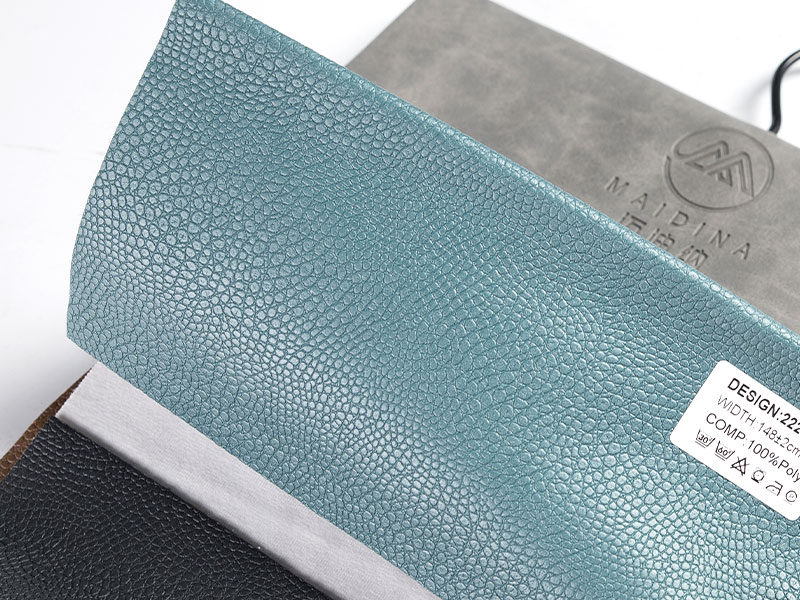
Natural fibers like cotton and linen offer a soft, breathable feel and are excellent for those seeking a traditional aesthetic. However, they may be more prone to staining or wrinkling. On the other hand, synthetic couch textiles such as polyester, nylon, and acrylic are engineered for longevity. These man-made options are often treated to be liquid-repellent and are less likely to harbor allergens, making them a practical choice for modern families.
The Best Sofa Fabric Options for Pet Owners and Families
If you have young children or furry friends, your choice of sofa fabric needs to be "forgiving." Microfiber is a standout in this category because its ultra-tight weave prevents pet hair from getting trapped and makes it difficult for claws to snag the material. Additionally, many modern sofas now utilize performance fabrics like Crypton or Sunbrella, which were originally designed for outdoor use but have been refined for indoor comfort and stain resistance.
| Fabric Type | Pros | Best For |
| Velvet | Luxurious feel, rich colors | Formal living rooms |
| Microfiber | Stain resistant, easy to clean | Pets and children |
| Leather | Extremely durable, ages well | High-traffic areas |
| Linen | Breathable, antimicrobial | Low-traffic, airy spaces |
Maintenance and Cleaning Tips for Upholstery
Properly caring for your sofa fabric can extend its lifespan by several years. Before applying any cleaning solution, always check the manufacturer’s cleaning code, which is usually found on a tag under the cushions. These codes indicate whether the material can be cleaned with water-based cleaners (W), solvent-based cleaners (S), or if it requires professional dry cleaning only (X).
- Vacuum your sofa weekly using an upholstery attachment to remove dust and crumbs.
- Blot spills immediately with a clean, white cloth rather than rubbing them into the grain.
- Rotate and flip cushions regularly to ensure even wear on the fabric surface.
- Keep the furniture out of direct sunlight to prevent the colors from fading over time.
Color and Texture Trends in Modern Couch Covers
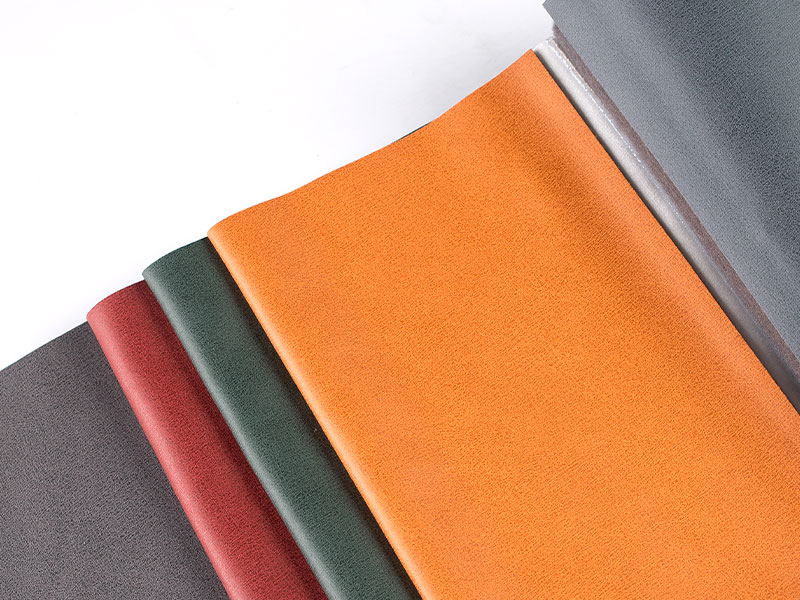
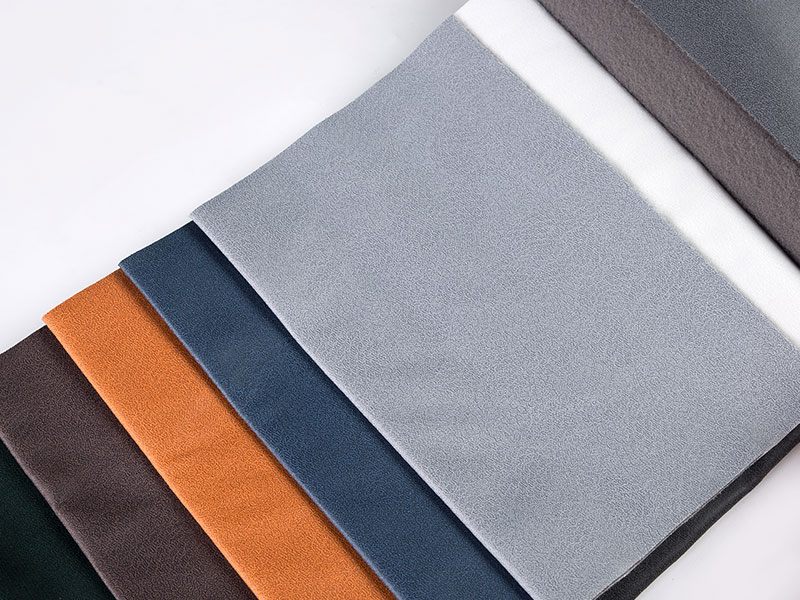
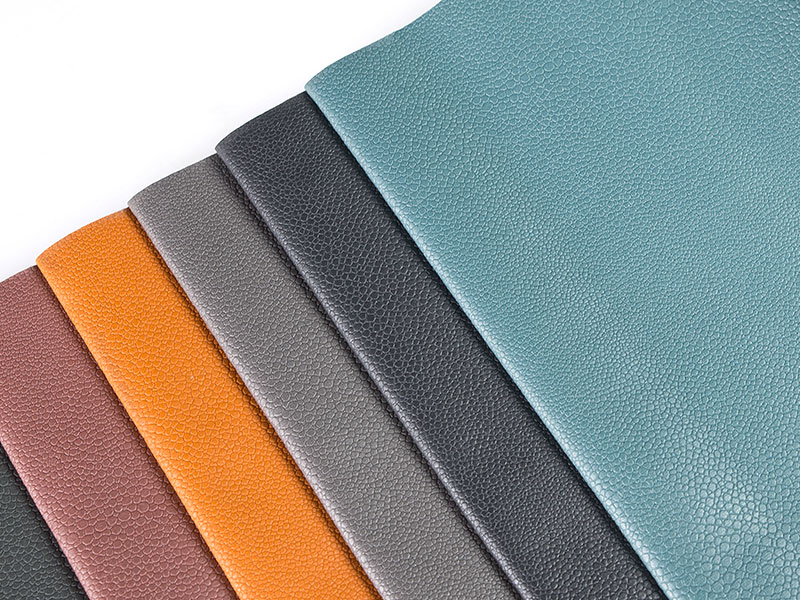
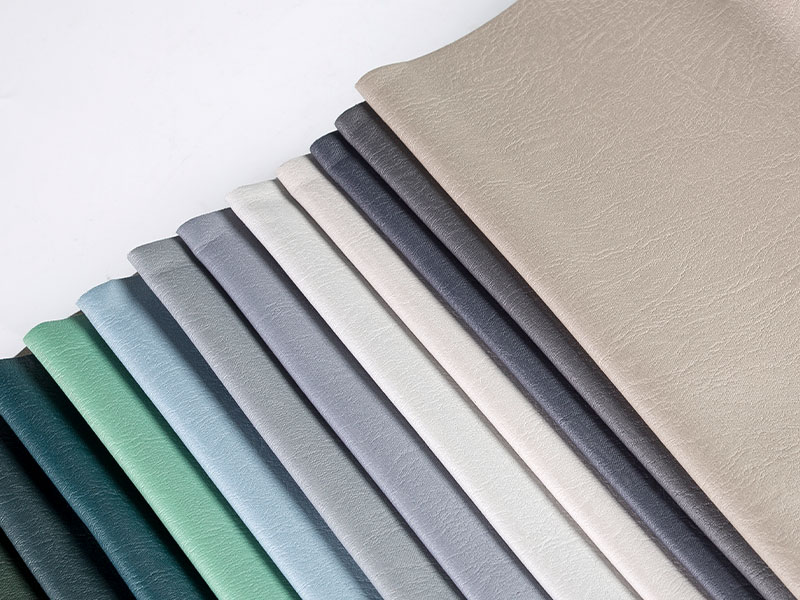
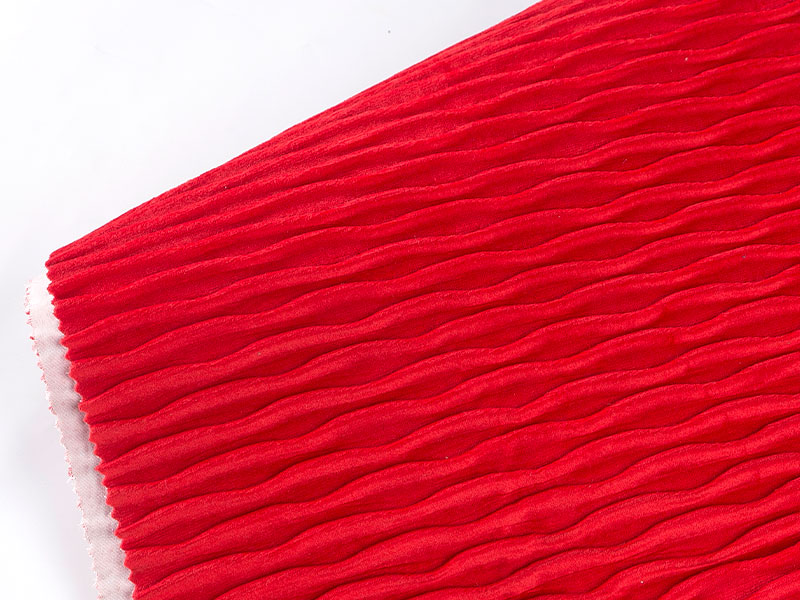
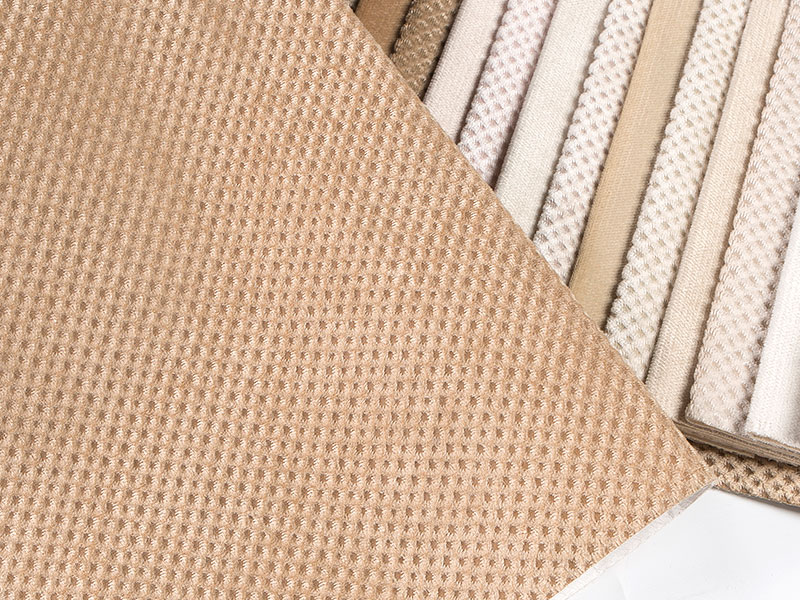
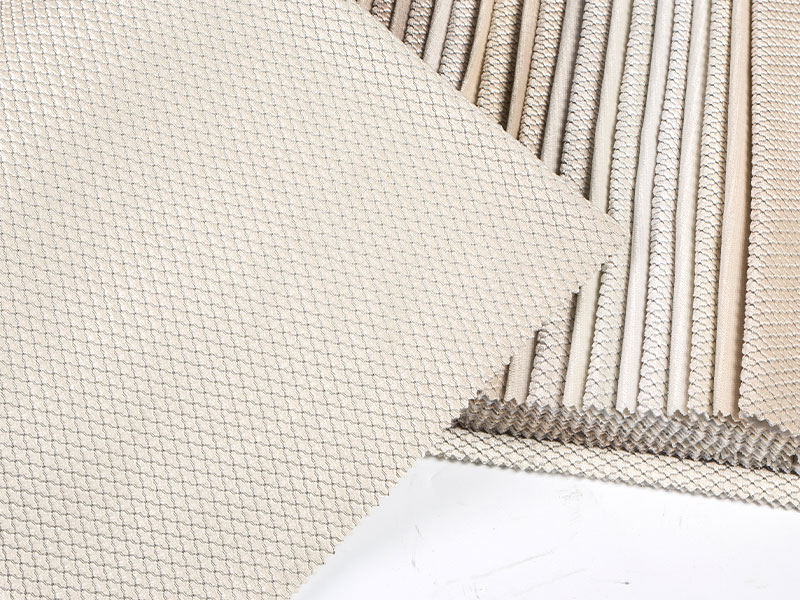
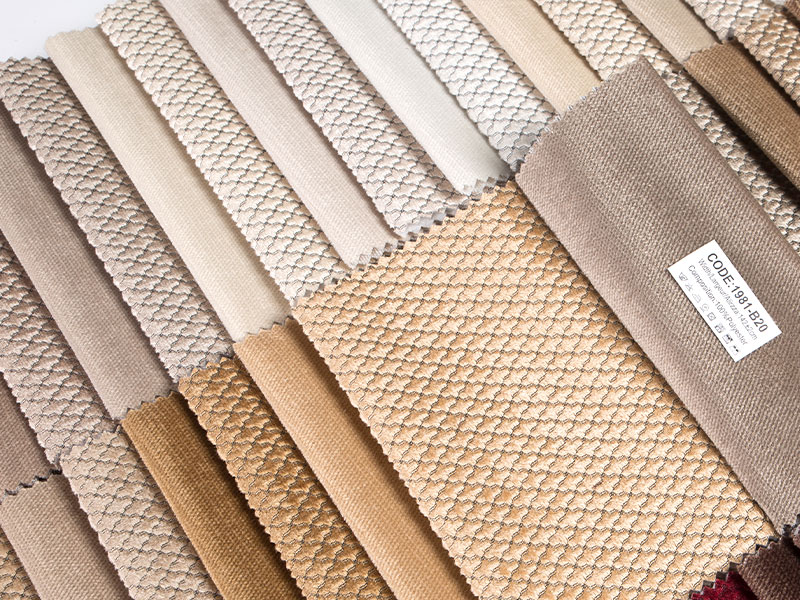
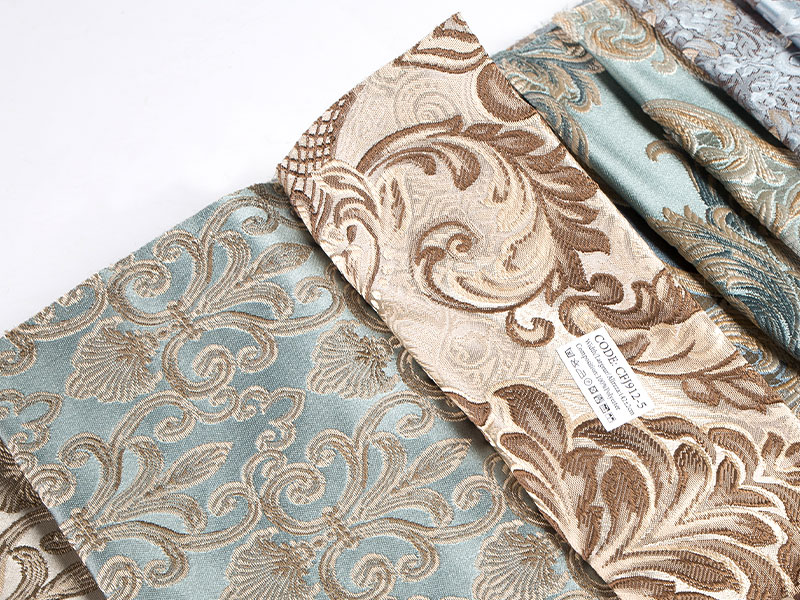
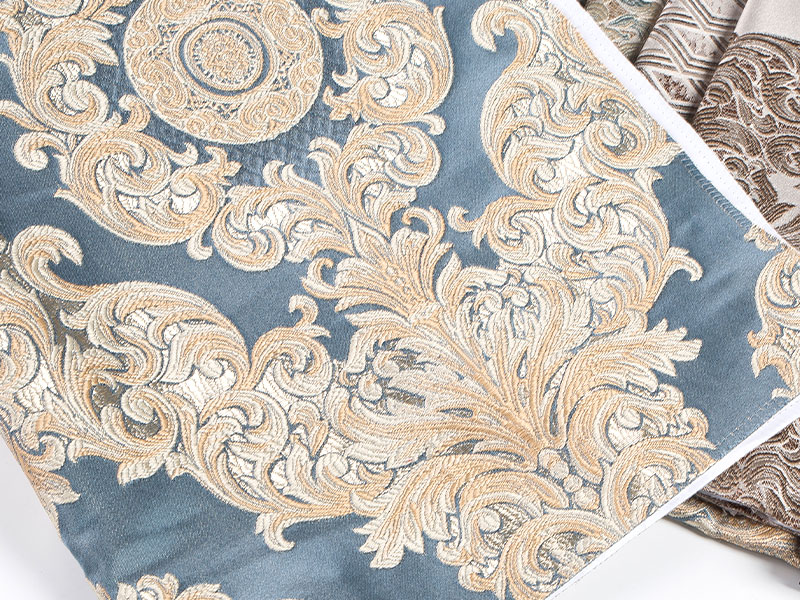
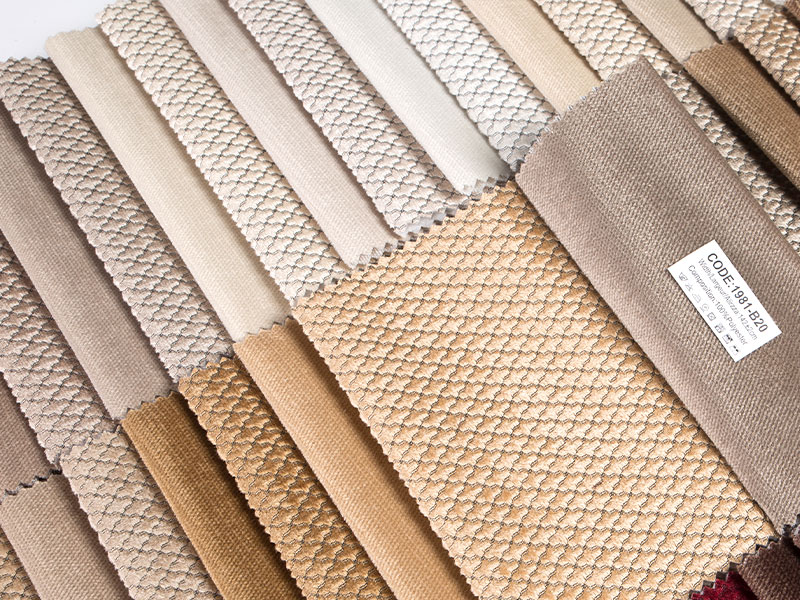
While durability is key, the aesthetic of the sofa fabric defines the room’s mood. Neutral tones like oatmeal, charcoal, and dove gray remain the most popular choices because they provide a versatile backdrop for changing decor. However, textured sofa materials such as bouclé and corduroy are making a significant comeback, adding tactile depth and warmth to minimalist interior designs. Choosing a fabric with a subtle weave or a mixed-thread pattern can also help hide small imperfections and minor stains more effectively than a flat, solid-colored textile.