Language
  English
 中文简体
中文简体 عربى
عربى
Content
Understanding the Different Types of Stripe Fabric
When choosing a stripe fabric for your sewing or upholstery project, it is essential to understand that not all stripes are created equal. The most classic version is the Ticking stripe, originally used for mattress covers, which features thin, multi-line stripes that offer a vintage or farmhouse aesthetic. On the other hand, Awning stripes are much wider and bolder, making them perfect for outdoor cushions or statement drapes where you want to create a high-contrast look. Pin stripes offer a much more subtle, professional feel, often used in tailored upholstery or sophisticated Roman shades.
Woven vs. Printed Stripes
One of the most important technical details is whether the stripe is woven into the cloth or printed on top. A woven stripe fabric is created by using different colored threads during the weaving process, meaning the pattern is visible on both sides and is generally more durable. Printed stripes are applied to the surface of a finished cloth; while they offer more variety in color and artistic style, they may fade faster over time with heavy washing or sun exposure.
Practical Tips for Matching and Cutting Stripe Patterns
Working with stripe fabric requires a bit more planning than solid colors because you have to account for pattern matching. If you are making curtains, you want the stripes to line up perfectly across different panels. This usually means you need to order about 10% to 15% more material than your measurements suggest to ensure you have enough "play" to align the vertical or horizontal lines at the seams. Always check the "repeat" of the pattern before purchasing, which tells you how far apart the design starts over again.
| Stripe Type | Average Width | Best Use Case |
| Pinstripe | 1mm - 2mm | Men's tailoring, pillows |
| Bengals | 1/4 inch | Dress shirts, light decor |
| Awning | 1 inch+ | Outdoor furniture, drapes |
How to Use Stripe Fabric to Change a Room's Perspective
Interior designers often use stripe fabric as a visual tool to manipulate the perceived size of a room. Vertical stripes on window treatments can make low ceilings feel significantly higher by drawing the eye upward. Conversely, using horizontal stripes on a long sofa or a wide window can make a narrow room feel more expansive and grounded. It is a simple trick of the eye that provides a structured, orderly feel to any living space.
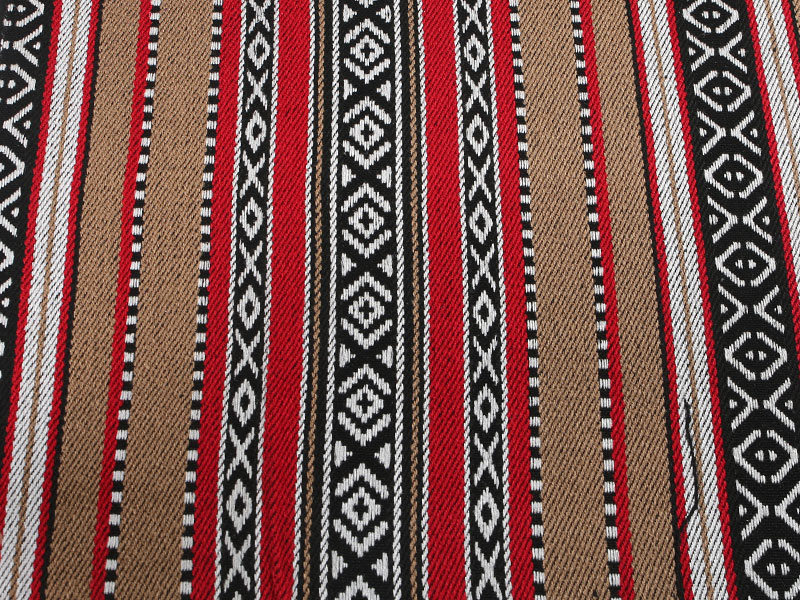
- Vertical stripes create height and a formal atmosphere.
- Horizontal stripes lend a more relaxed, modern, and wider feel.
- Diagonal stripes are energetic and work best for small accents like piping.
Mixing Stripes with Other Patterns
Many people are afraid to mix patterns, but stripe fabric is actually the perfect "neutral" pattern to pair with florals or geometrics. Because stripes are linear and predictable, they act as a visual anchor. When mixing, try to vary the scale; for example, pair a large-scale floral print with a small, delicate pinstripe. As long as the color palette remains consistent across the different fabrics, the stripes will help pull the room together rather than clashing with the other designs.
Maintaining Your Striped Textiles
To keep your stripe fabric looking crisp, always follow the specific care instructions for the base material, whether it is cotton, linen, or a polyester blend. For high-contrast stripes (like black and white), it is often recommended to use a color catcher in the wash to prevent the darker dye from bleeding into the lighter stripes. Ironing in the direction of the stripe can also help maintain the straightness of the fibers and keep the pattern looking sharp over time.